Bringing a tiny kitten into your home is a joy, but ensuring they establish good habits early on is key – and that starts with the litter box! Kittens have unique needs compared to adult cats, from their smaller size to their developing senses. Understanding these differences is crucial for successful litter box training and a happy, healthy kitten. We’ll explore everything from litter box types and placement to safe litter materials and training techniques, all tailored specifically for your little furball.
This guide dives deep into the world of kitten litter box essentials, covering everything from the physiological differences that impact their choices to troubleshooting common problems. We’ll break down the pros and cons of various litter box designs, discuss the importance of litter type and placement, and provide practical tips for successful training. Ultimately, creating a comfortable and accessible litter box experience will set your kitten up for a lifetime of good habits and a stress-free home for both of you.




Kitten Litter Box Essentials: A Guide for New Owners
Bringing a kitten home is a joyous occasion! But amidst the cuddles and playtime, there’s a crucial aspect of kitten care that often gets overlooked: the litter box. Setting up a proper litter box system early on is vital for your kitten’s health, happiness, and your sanity. This guide will walk you through everything you need to know, from choosing the right box and litter to training your little one and troubleshooting common issues.Early litter box training is incredibly important for kittens.
Unlike adult cats, kittens have smaller bladders and less control over their bodily functions. Establishing good litter box habits early prevents accidents and strengthens the bond between you and your new furry friend. Plus, a consistently clean and accessible litter box contributes to your kitten’s overall well-being and reduces stress. We’ll explore different litter box types and materials, discuss placement strategies, and provide practical training tips to ensure your kitten becomes a litter box pro.
Litter Box Types: Exploring Options
Choosing the right litter box can feel overwhelming, but understanding the pros and cons of each type will help you make an informed decision. Open litter boxes are the most common and generally the easiest for kittens to access. Covered litter boxes offer privacy and can help contain litter scatter, while self-cleaning litter boxes automate the cleaning process. However, each type presents unique considerations for kittens, particularly regarding safety and comfort.
| Litter Box Type | Pros for Kittens | Cons for Kittens |
|---|---|---|
| Open Litter Box | Easy access, good ventilation, less stressful for some kittens, easy to monitor kitten’s behavior. | Can be messy, litter scatter, offers no privacy. |
| Covered Litter Box | Contains litter scatter, provides privacy, can reduce odor. | Can feel enclosed and stressful for some kittens, may trap odors, harder to monitor kitten’s behavior, potential for kitten to get stuck. |
| Self-Cleaning Litter Box | Automated cleaning, reduces odor. | Can be noisy and frightening for kittens, complex mechanisms can be dangerous, expensive, may not be suitable for all litter types. |
Size matters! A litter box that’s too large can be intimidating for a small kitten, while one that’s too small can be uncomfortable and lead to accidents. Ideally, the litter box should be at least 1.5 times the length of your kitten. Corner litter boxes are a fantastic option for small spaces and are often well-suited for kittens, as they fit neatly into corners and provide a sense of security.
Imagine a corner litter box made of sturdy, easy-to-clean plastic, with a low entry point – perfect for a tiny kitten to navigate with ease.
Litter Type Considerations
Selecting the right litter is just as important as choosing the right box. Several kitten-safe litter materials are available, each with its own advantages and disadvantages. Clay litter is a classic choice, but clumping clay litter can pose a risk if ingested. Clumping litter forms solid clumps when wet, making scooping easier, but kittens may be tempted to eat it, which can lead to intestinal blockages.
Crystal litter is absorbent and low-dust, but some kittens may find the texture unpleasant. Paper litter is soft and gentle on sensitive paws, while wood litter is eco-friendly and offers good odor control.Certain litters present potential dangers. Aromatic litters, while pleasant for humans, can irritate a kitten’s sensitive nose and respiratory system. Ingestion of clay litter, particularly clumping varieties, is a serious concern.
Dust levels in litter are also crucial. Excessive dust can irritate a kitten’s lungs and contribute to respiratory problems.Here’s a ranked list of litter types, considering suitability for very young kittens (0-8 weeks):
- Paper Litter: Gentle, low-dust, and safe if ingested in small amounts.
- Non-Clumping Clay Litter: A safer alternative to clumping clay, but less effective at odor control.
- Wood Litter: Eco-friendly and absorbent, but ensure it’s dust-free and doesn’t contain essential oils.
- Crystal Litter: Low-dust and absorbent, but some kittens dislike the texture.
- Clumping Clay Litter: Avoid for very young kittens due to the risk of ingestion.
Litter Box Placement: Location, Location, Location
Strategic litter box placement is key to encouraging your kitten to use the box consistently. The ideal location is quiet, accessible, and away from food and water. Kittens don’t like to eliminate near their eating areas. Avoid high-traffic areas or places where the kitten might feel cornered.In multi-kitten households, providing multiple litter boxes is essential. A general rule of thumb is to have one litter box per kitten, plus one extra.
This prevents competition and ensures each kitten has a private space to relieve themselves. Introducing a new litter box location requires patience. Start by placing the new box near the old one, then gradually move it to the desired location over several days.Let’s say your kitten suddenly starts avoiding the litter box after you moved it to a new location.
This could be due to the new location being too noisy or exposed. Try moving the box back to its original spot or finding a quieter, more secluded area. Observe your kitten’s behavior to identify any potential stressors in the new location.
Kitten-Specific Litter Box Features
Source: foter.com
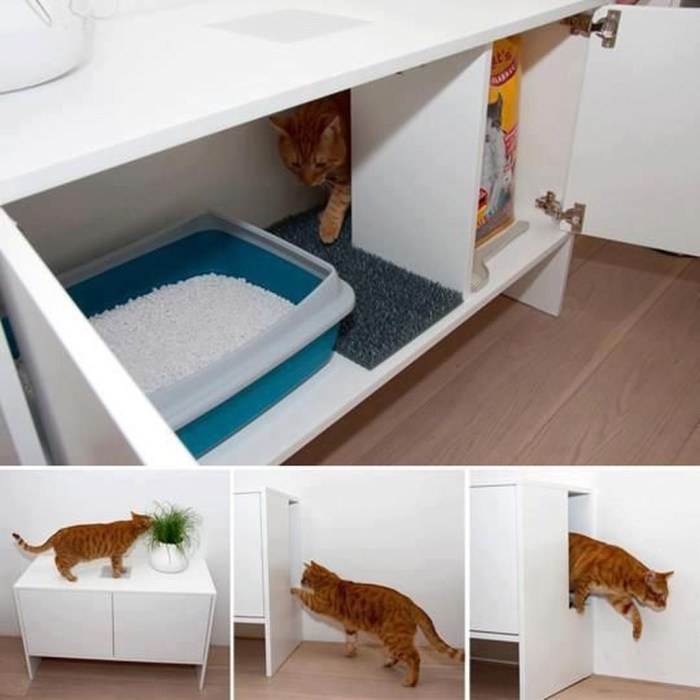
Certain features can make a litter box more appealing to kittens. Low entry points are crucial for small kittens who may struggle to climb into a high-sided box. Textured surfaces can provide better traction and prevent slipping. Enclosed spaces offer a sense of security and privacy, which can be particularly beneficial for shy or anxious kittens.For a very young (4-6 week old) kitten, a litter box with dimensions of approximately 12 inches long, 8 inches wide, and 4 inches high would be ideal.
A shallow, rectangular plastic box with a low entry point is a good choice. The material should be non-toxic and easy to clean.Hooded litter boxes can be a great option for shy or anxious kittens, providing a sense of privacy and security. However, ensure the hood isn’t too small or restrictive, as this could cause stress. A litter box designed to prevent litter scattering often features high sides and a textured interior to minimize tracking.
Training Techniques for Kittens
Introducing a kitten to a litter box for the first time is relatively straightforward. Place the kitten in the litter box after meals and naps, as these are common times for them to need to eliminate. Gently scratch the litter with your fingers to encourage digging.Here’s a step-by-step guide to litter box training a kitten:
- Introduce the Box: Place the kitten in the litter box several times a day, especially after waking up and eating.
- Recognize the Signs: Watch for signs that your kitten needs to go, such as circling, sniffing, or squatting.
- Prompt the Kitten: If you notice these signs, gently place the kitten in the litter box.
- Reward Success: When the kitten uses the litter box, praise them gently and offer a small treat.
- Clean Up Accidents: If your kitten has an accident outside the litter box, clean it thoroughly with an enzymatic cleaner to eliminate odors and prevent re-marking.
Accidents happen! Don’t punish your kitten for accidents. Instead, focus on cleaning the area thoroughly and reinforcing positive behavior when they use the litter box. Positive reinforcement is key to successful litter box training.
Litter Box Maintenance: Keeping it Clean
Regular scooping and full litter changes are essential for kitten health and hygiene. A clean litter box is more appealing to your kitten and reduces the risk of urinary tract infections and other health problems.Here’s a recommended cleaning schedule:
- Scoop: At least once daily, preferably twice.
- Full Litter Change: Every 1-2 weeks, depending on litter type and kitten usage.
Enzymatic cleaners are highly effective at eliminating odors and preventing re-marking. Regular cleaning not only keeps the litter box fresh but also helps maintain your kitten’s overall well-being.
| Task | Frequency |
|---|---|
| Scooping | Daily |
| Full Litter Change | Every 1-2 weeks |
| Cleaning the Box | Monthly (with soap and water) |
Addressing Common Kitten Litter Box Problems
A kitten avoiding the litter box can be a frustrating experience. Potential reasons include medical issues, stress, or litter aversion. A vet visit is crucial to rule out any underlying medical conditions. Stress can be caused by changes in the environment, new pets, or loud noises. Litter aversion can be due to the litter type, box location, or even the box itself.If your kitten is avoiding the litter box due to litter type, try switching to a different material.
If the location is the issue, experiment with different spots until you find one your kitten prefers.Here’s a troubleshooting flowchart:
1. Rule out medical issues
Consult a veterinarian.
2. Assess litter type
Try a different litter.
3. Evaluate location
Move the box to a quieter, more accessible spot.
4. Check box cleanliness
Scoop more frequently and change the litter regularly.
5. Consider box type
Experiment with an open or covered box.
6. Reduce stress
Provide a safe and comfortable environment.
Special Considerations: Specific Kitten Needs
Kittens with mobility issues, such as arthritis or injuries, may require a litter box with a very low entry point or even a ramp. Kittens with sensory sensitivities may prefer a quiet location and a litter type with minimal dust or noise. For kittens recovering from surgery, a litter box with high sides can prevent them from accidentally stepping out.
Rescue kittens with unknown histories may require extra patience and understanding, as they may have developed negative associations with litter boxes in the past.
Litter Box Materials & Durability
Different litter box materials offer varying levels of durability and ease of cleaning. Plastic litter boxes are lightweight and affordable, but they can scratch easily. Stainless steel litter boxes are incredibly durable and easy to clean, but they can be more expensive. Ceramic litter boxes are aesthetically pleasing and retain heat well, but they are heavy and can be prone to chipping.When choosing a litter box, consider your kitten’s scratching and chewing habits.
A sturdy plastic or stainless steel box is more likely to withstand these behaviors. A stainless steel litter box, for example, is a robust choice. Its smooth, non-porous surface resists scratching and chewing, and it’s incredibly easy to clean with soap and water. The stainless steel construction ensures long-lasting durability, even with active kittens.
Conclusive Thoughts
Navigating the world of kitten litter box needs can feel overwhelming, but with a little knowledge and patience, you can create a positive and successful experience for your new companion. Remember to prioritize kitten safety, comfort, and accessibility when choosing a litter box and litter type. Consistent cleaning, strategic placement, and positive reinforcement are your best tools for ensuring your kitten feels secure and confident using their designated spot.
A well-managed litter box is a cornerstone of a happy and healthy kittenhood!
Frequently Asked Questions
How often should I scoop the litter box for a kitten?
Kittens need more frequent scooping – ideally 2-3 times daily. Their digestive systems are still developing, so they’ll eliminate more often than adult cats.
Can I use scented litter for my kitten?
No, avoid scented litters! Kittens have sensitive noses, and strong fragrances can be irritating and deter them from using the box.
My kitten is playing in the litter box – is this normal?
It’s common for kittens to explore and play, and the litter box can be a tempting spot. Ensure the litter isn’t too stimulating (e.g., too many toys nearby) and redirect playful behavior with toys elsewhere.
What if my kitten is suddenly avoiding the litter box?
A sudden change in litter box habits could indicate a medical issue. Consult your veterinarian to rule out any underlying health problems.
Should I have more than one litter box?
Yes, especially in multi-kitten households! The general rule is one litter box per cat, plus one extra. This prevents competition and ensures each kitten has a clean space.
How do I clean the litter box thoroughly?
Once a month, empty the entire litter box, wash it with mild soap and warm water (avoid harsh chemicals), and rinse thoroughly before refilling with fresh litter.
What’s the best way to introduce a kitten to a new litter box location?
Gently place the kitten in the new litter box several times a day, especially after waking up and eating. Reward them with praise and a small treat when they use it.