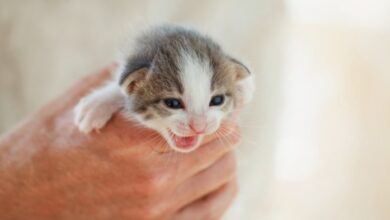
Orange tabby kitten females are bundles of sunshine and personality! These adorable felines are instantly recognizable with their warm, ginger coats and captivating markings. But there’s so much more to them than just their looks. This guide dives deep into everything you need to know about these special kitties, from their unique genetics and playful behaviors to their specific care needs and how to find your perfect furry friend.
We’ll explore the science behind their orange coloring, discuss common breed possibilities, and offer practical advice on feeding, socialization, and keeping your little one healthy and happy. Whether you’re a seasoned cat owner or a first-time kitten parent, you’ll find valuable insights here to nurture a strong bond with your orange tabby girl.



Understanding Your Orange Tabby Female Kitten
Bringing a new kitten into your home is an exciting time! Orange tabby females are particularly special – they’re beautiful, often have captivating personalities, and are a bit rarer than their male counterparts. This guide will cover everything you need to know about these delightful felines, from their physical traits and behavior to their care and potential health concerns. Let’s dive in!
Physical Characteristics & Breed Possibilities
Orange tabby isn’t a breed itself; it’s a coat pattern. The vibrant orange hue is due to a pigment called pheomelanin, and the “tabby” markings are a result of the agouti gene, which creates stripes, swirls, or spots. Female orange tabbies are less common because of the genetics involved – more on that later.The size of an orange tabby kitten can vary greatly depending on the breed.
Generally, they range from 8-12 inches long and weigh between 2-5 pounds as kittens. Their fur is typically soft and dense, with variations in pattern:* Mackerel Tabby: This is the most common pattern, featuring narrow, parallel stripes resembling a fish skeleton.
Classic Tabby
Characterized by swirling, blotchy patterns, often described as “bullseye” markings on the sides.
Ticked Tabby (Abyssinian Tabby)
This pattern has a more subtle appearance, with individual hairs banded with different colors, giving a “salt and pepper” look. The tabby markings are often more visible on the face and legs.
Ghost Markings
Faint, underlying tabby patterns that are visible in certain lighting conditions.Here’s a table outlining some breeds that frequently exhibit orange tabby markings in females:
| Breed | Origin | Temperament | Common Markings |
|---|---|---|---|
| Maine Coon | United States | Gentle giants, playful, affectionate, intelligent | Classic or Mackerel, often with ghost markings |
| American Shorthair | United States | Easygoing, adaptable, good with children | Mackerel or Classic |
| Persian | Iran | Calm, docile, affectionate | Classic, though less common than other patterns |
| Abyssinian | Ethiopia (though developed in Britain) | Active, intelligent, curious, playful | Ticked Tabby (Ruddy) – a unique orange-brown ticked pattern |
| Bengal | United States (hybrid breed) | Energetic, playful, intelligent, confident | Mackerel, often with a striking, glittery appearance |
The genetic basis for orange coloration is fascinating. The gene responsible for orange pigment is located on the X chromosome. Females have two X chromosomes (XX), while males have one X and one Y chromosome (XY). A female kitten needs two copies of the orange gene (one on each X chromosome) to display the orange color. A male kitten only needs one copy because he only has one X chromosome.
This explains why male orange tabbies are far more common. The presence of the tabby pattern is controlled by a separate gene.Subtle variations in orange tabby patterns can offer clues about potential breed ancestry. For example, a very distinct “bullseye” pattern is often associated with Persian or American Shorthair lines. Orange tipping, where the ends of the hairs are orange while the base is a lighter color, can be seen in some breeds and suggests a mixed heritage.
Temperament & Behavior
Orange tabby cats, regardless of gender, are often described as having a “big personality.” They’re frequently affectionate, playful, and enjoy being the center of attention. However, female orange tabby kittens can exhibit some unique traits. While generalizations are tricky, females are often perceived as being slightly more independent and less overtly demanding than their male counterparts. They might still enjoy cuddling, but they may also appreciate having their own space and time.Common behaviors you can expect from a female orange tabby kitten include:* Playfulness: Kittens are naturally energetic, and orange tabbies are no exception.
Expect lots of pouncing, chasing, and batting at toys.
Affection
Many orange tabbies are known for their love of human interaction, enjoying being petted, scratched, and held.
Independence
While affectionate, female orange tabbies often have a streak of independence and may enjoy exploring on their own.
Vocalization
They might be more vocal than some other cats, using meows and purrs to communicate their needs and desires.
“I’ve fostered several orange tabby kittens, and the females have consistently been the ones who would initiate playtime but also happily settle down for a nap on their own terms. They’re affectionate but not clingy – a perfect balance!”
Cat Foster Volunteer, Happy Paws Rescue.
Compared to other color variations, female orange tabbies might display a slightly calmer demeanor than black kittens, who can sometimes be more intense. They might be less aloof than grey (blue) cats, and less prone to being overwhelmed by activity than white cats. However, individual personalities always vary!
Care & Feeding
Proper nutrition is crucial for a growing female orange tabby kitten. They need a high-quality kitten food that is rich in protein and essential nutrients to support their development. Look for a food that lists meat as the primary ingredient and is specifically formulated for kittens. Portion sizes will depend on the kitten’s weight and activity level, but generally, they should be fed 3-4 times a day.Here’s a sample feeding schedule for an 8-12 week old kitten:
| Time | Food Type | Quantity |
|---|---|---|
| 7:00 AM | Wet Food | 1/4 – 1/2 can |
| 10:00 AM | Dry Food | 1/4 cup |
| 1:00 PM | Wet Food | 1/4 – 1/2 can |
| 4:00 PM | Dry Food | 1/4 cup |
| 7:00 PM | Wet Food | 1/4 – 1/2 can |
Socialization is incredibly important during a kitten’s early months. Expose your female orange tabby kitten to a variety of sights, sounds, people, and experiences to help her develop into a well-adjusted adult cat. Key socialization periods are between 2-7 weeks and 3-9 weeks of age. Activities can include gentle handling, introducing her to other pets (under supervision), and exposing her to everyday household noises.Essential toys and enrichment items for a female orange tabby kitten include:* Interactive Toys: Wand toys, laser pointers (use with caution), and puzzle feeders.
Puzzle Toys
These challenge her mind and provide mental stimulation.
Comfort Toys
Soft plush toys or blankets for cuddling.
Scratching Posts
Essential for maintaining healthy claws and marking territory.
Climbing Structures
Cat trees or shelves to satisfy her natural climbing instincts.
Health Considerations

Source: alamy.com
Like all kittens, female orange tabby kittens are susceptible to certain health concerns. Common issues include upper respiratory infections (URIs), parasites (fleas, ticks, worms), and feline leukemia virus (FeLV). Genetic predispositions can vary depending on the breed.Preventative care is key. This includes:* Vaccinations: Following a recommended kitten vaccination schedule to protect against common feline diseases.
Deworming
Regular deworming treatments to eliminate intestinal parasites.
Parasite Control
Using flea and tick preventatives year-round.
Dental Care
Starting early with gentle teeth brushing to prevent dental disease.Regular veterinary checkups are essential for monitoring your kitten’s health and addressing any concerns promptly. During a typical examination, the veterinarian will check her weight, temperature, heart rate, and lungs, and will also examine her eyes, ears, and mouth.Symptoms that warrant immediate veterinary attention include:* Loss of appetite
- Lethargy
- Vomiting or diarrhea
- Difficulty breathing
- Discharge from the eyes or nose
- Changes in urination or defecation
- Signs of pain or discomfort
Final Wrap-Up
From their distinctive fur patterns to their often-affectionate personalities, orange tabby kitten females bring a unique charm to any home. Understanding their specific needs, from proper nutrition to early socialization, is key to ensuring a long and fulfilling life together. By following the tips and information Artikeld here, you’ll be well-equipped to provide the love, care, and enrichment your orange tabby deserves, creating a purrfectly happy partnership for years to come.
Expert Answers
Why are female orange tabbies less common than males?
It’s all down to genetics! The orange color is linked to the X chromosome. Females have two X chromosomes (XX), so they need two copies of the orange gene to display the color. Males have one X and one Y chromosome (XY), so they only need one copy of the orange gene to be orange.
What are the different tabby patterns I might see?
Common patterns include mackerel (tiger stripes), classic (swirled patterns), ticked (agouti hairs), and spotted. Subtle variations like ghost markings (faint markings) and orange tipping (darker hairs at the ends) can also occur.
What’s the best way to socialize my kitten?
Expose her to a variety of sights, sounds, people, and gentle handling during her critical socialization period (roughly 2-7 weeks). Positive experiences are key – use treats and praise to create positive associations.
What are some good interactive toys for a kitten?
Wand toys, laser pointers (use sparingly and always end with a tangible toy), puzzle feeders, and small balls are all great options. Rotate toys regularly to keep her engaged.
What are some signs I should take my kitten to the vet immediately?
Difficulty breathing, loss of appetite for more than 24 hours, vomiting or diarrhea, lethargy, signs of pain (hiding, reluctance to move), or any sudden changes in behavior warrant an immediate vet visit.
Should I get my kitten from a shelter or a breeder?
Shelters offer loving cats in need of homes, often at a lower cost. Breeders can provide detailed information about lineage and potential health concerns, but are generally more expensive.
What kind of food is best for a growing orange tabby kitten?
Look for kitten-specific food that’s high in protein and calories to support growth. Both wet and dry food are beneficial – wet food helps with hydration, while dry food can help with dental health.
What are some good names for a female orange tabby?
Consider names like Ginger, Rusty, Penny, Clementine, Honey, Amber, Marigold, Autumn, Willow, or Poppy – depending on her personality and appearance!