The Turkish Angora kitten is a truly captivating breed, known for its silky, flowing coat and intelligent, playful personality. Originating from the mountainous regions of Turkey, these cats have a rich history and a distinctive charm. But before you fall completely in love, it’s important to understand the factors that influence the Turkish Angora kitten price – it’s more than just a number! This guide will break down everything you need to know, from breeder reputation to potential hidden costs, so you can make an informed decision and welcome this gorgeous feline into your home.
We’ll explore the nuances of pricing, considering lineage, coat color, and geographic location. Beyond the initial purchase, we’ll also delve into the ongoing expenses of owning a Turkish Angora, ensuring you’re fully prepared for the commitment. Whether you’re considering a show-quality kitten or a loving companion from a rescue, this guide will equip you with the knowledge to navigate the process with confidence.
Understanding Turkish Angora Kittens
Bringing a Turkish Angora kitten into your home is a big decision, and understanding the breed is the first step. These cats are known for their striking beauty and engaging personalities, but they also come with specific needs and, of course, a price tag. This guide will walk you through everything you need to know about Turkish Angora kitten prices, from the factors that influence them to what to expect when adopting or rescuing.The Turkish Angora boasts a rich history, originating in Ankara, Turkey (hence the name).
For centuries, they were prized by royalty and were among the first cats brought to Europe. Historically, they were valued for their ability to thrive in harsh climates, and their silky, flowing coats were a symbol of luxury. Today, they remain a beloved breed, known for their intelligence and affectionate nature.Physically, Turkish Angora kittens are medium-sized, typically weighing between 6 and 12 pounds.
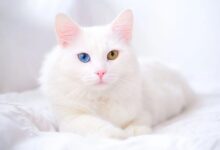
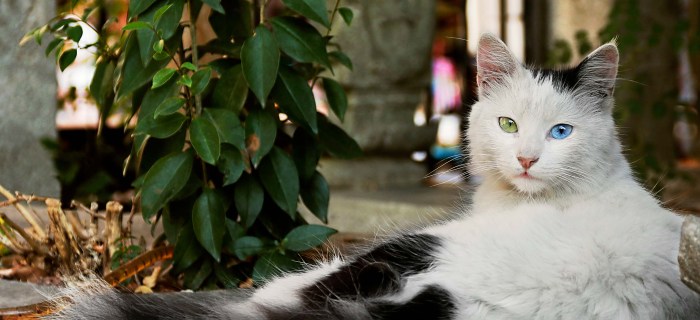
Their most defining feature is their long, silky coat, which is surprisingly lightweight and doesn’t require excessive grooming (more on that later!). Eye color variations are quite common, ranging from amber and gold to green, blue, and even odd-eyed (one blue eye and one different color eye). Kittens often have a slightly longer body than other breeds.Turkish Angora kittens are generally playful and affectionate, forming strong bonds with their families.
They’re intelligent and can be trained to do tricks. While they enjoy playtime, they also appreciate quiet cuddle time. They are known to be quite vocal, often “talking” to their owners. However, they can also be independent and enjoy exploring their surroundings.
| Breed | Appearance | Temperament |
|---|---|---|
| Turkish Angora | Long, silky coat; slender build; variety of eye colors; often white | Playful, affectionate, intelligent, vocal, can be independent |
| Persian | Long, thick coat; round face; short nose; wide eyes | Calm, gentle, affectionate, can be less active |
| Siberian | Medium-long, dense coat; muscular build; bushy tail | Playful, affectionate, adaptable, hypoallergenic (often) |
Factors Influencing Price
The price of a Turkish Angora kitten isn’t a fixed number. Several factors contribute to the overall cost, and understanding these can help you make an informed decision.A breeder’s reputation significantly impacts the price. Established breeders with a history of producing healthy, well-socialized kittens often charge more. Their experience and commitment to the breed are reflected in the price. Location also plays a role; breeders in areas with higher living costs or greater demand may have higher prices.Lineage and pedigree are crucial determinants of price.
“Show quality” kittens, those deemed suitable for competition, command a higher price than “pet quality” kittens. Show quality kittens have superior conformation to the breed standard and often come from champion bloodlines. Pedigree documentation, tracing the kitten’s ancestry, is essential for verifying lineage.Coat color and pattern variations also affect value. While white Turkish Angoras are historically the most well-known and often command a premium, other colors like black, tabby (striped), and calico are also popular.
Rarer color combinations can increase the price.Owning a Turkish Angora involves more than just the initial purchase price. Here’s a breakdown of potential hidden costs:
- Grooming Supplies: Brushes, combs, nail clippers, and potentially professional grooming services.
- Specialized Food: High-quality kitten food formulated for long-haired breeds.
- Veterinary Care: Regular checkups, vaccinations, and potential treatment for breed-specific health concerns.
- Litter Box & Litter: A larger litter box is often needed to accommodate the long coat.
- Toys & Enrichment: Turkish Angoras are intelligent and need plenty of toys and activities to stay entertained.
- Pet Insurance: To help cover unexpected veterinary expenses.
Price Ranges: A Detailed Breakdown
Let’s get down to the numbers. Turkish Angora kitten prices can vary considerably depending on several factors.Generally, you can expect to pay anywhere from $800 to $3000 for a Turkish Angora kitten from a reputable breeder. Prices are typically higher for show quality or breeding quality kittens. Rescues and shelters often have significantly lower adoption fees, typically ranging from $50 to $200.
| Breeder Type | Location (Average) | Coat Color | Pedigree | Price Range |
|---|---|---|---|---|
| Reputable | East Coast | White | Show | $2000 – $3500 |
| Hobby | Midwest | Colored (Tabby) | Pet | $1200 – $2000 |
| Backyard | West Coast | White | Pet | $800 – $1500 |
| Rescue/Shelter | Varies | Varies | N/A | $50 – $200 |
Seasonal demand can also influence prices. Kittens often command higher prices during peak kitten season (spring and summer) when demand is highest.
Breeder Considerations & Red Flags
Finding a responsible breeder is paramount to ensuring you get a healthy, well-adjusted kitten.Responsible Turkish Angora breeders prioritize the health and well-being of their cats. They conduct health testing for common breed-specific conditions like hypertrophic cardiomyopathy (HCM) and polycystic kidney disease (PKD). They also socialize their kittens from a young age, exposing them to various sights, sounds, and people. Transparency is key; a good breeder will be happy to answer your questions and provide documentation of health testing and lineage.Health guarantees and contracts are essential.
A reputable breeder will offer a health guarantee, typically covering genetic defects for a certain period. A contract should Artikel the breeder’s responsibilities and your obligations as the new owner.Be wary of red flags. Unsanitary conditions, reluctance to answer questions, and a lack of health testing are all warning signs. Breeders who sell kittens at significantly lower prices than the average market rate may be cutting corners on health and socialization.Here’s a checklist to help you evaluate a breeder:
- Visit the breeder’s facility: Is it clean and well-maintained?
- Meet the parent cats: Are they healthy and friendly?
- Ask about health testing: What tests have been performed on the parent cats?
- Inquire about socialization practices: How are the kittens raised?
- Review the health guarantee and contract: Understand your rights and responsibilities.
- Trust your gut: If something feels off, walk away.
Rescue and Adoption Options
Source: ctfassets.net
While purchasing from a breeder is common, adopting a Turkish Angora (or a similar breed mix) from a rescue organization or shelter is a wonderful option.Adoption fees for Turkish Angoras or similar breeds typically range from $50 to $200. This fee usually covers initial vaccinations, spaying/neutering, and microchipping.Adopting a rescue cat offers numerous benefits. You’re giving a deserving cat a second chance at a loving home, and it’s often a more affordable option than buying from a breeder.
Rescue cats are often already litter-trained and may have some basic training.
“Adopting Leo, our Turkish Angora mix, was the best decision we ever made. He’s brought so much joy and laughter into our lives. Knowing we saved him from a shelter makes it even more special.” – Sarah M.
Geographic Price Variations
Turkish Angora kitten prices can vary significantly depending on your location within the United States.Regional demand and breeder availability are primary drivers of price differences. Areas with higher demand and fewer breeders tend to have higher prices. Transportation costs also play a role, as breeders may charge for shipping kittens long distances.For example, you might find average prices of $1800 – $3200 in California, while prices in Texas might range from $1200 – $2500.Imagine a map of the US:* Northeast: Light Blue ($1500 – $2800)Higher demand, established breeders.
-
Midwest
Yellow ($1200 – $2200)
- Moderate demand, good breeder availability.
- Growing demand, fewer breeders.
- Variable demand, some breeders.
- High demand, competitive market.
Southeast
Orange ($1000 – $2000)
Southwest
Pink ($1200 – $2500)
West Coast
Dark Blue ($1800 – $3200)
Health and Genetic Considerations
Turkish Angoras, like all breeds, are predisposed to certain health concerns. Understanding these can influence the price you pay, as breeders who prioritize health testing may charge a premium.Common health concerns include hypertrophic cardiomyopathy (HCM), a heart condition, and polycystic kidney disease (PKD), a genetic disorder affecting the kidneys. Hip dysplasia is also a possibility, though less common.Genetic testing and screening are crucial for identifying potential health issues.
Responsible breeders will screen their breeding cats for HCM and PKD and provide documentation to potential buyers.Here are some questions to ask a breeder about the kitten’s health history and genetic screening:
- Have the parent cats been screened for HCM and PKD?
- Can you provide documentation of the screening results?
- What is your policy on genetic health guarantees?
- Have any health issues been observed in previous kittens from this lineage?
- Do you offer any health warranties?
Ongoing Costs Beyond the Initial Purchase
The initial purchase price is just the beginning. Owning a Turkish Angora kitten involves ongoing expenses.Here’s a detailed breakdown of potential costs:
- Food: $30 – $60 per month (high-quality kitten food)
- Litter: $20 – $40 per month
- Veterinary Care: $100 – $300 per year (annual checkups, vaccinations)
- Grooming: $50 – $150 per month (professional grooming or home grooming supplies)
- Toys & Enrichment: $20 – $50 per month
- Pet Insurance: $30 – $70 per month
Turkish Angoras require regular grooming to prevent mats and tangles. Professional grooming can cost $50 – $100 per session, while home grooming requires investing in quality brushes and combs.Unexpected veterinary expenses can arise, so it’s essential to have pet insurance or a dedicated savings account.
| Expense | Turkish Angora (Annual) | Less Demanding Breed (Annual) |
|---|---|---|
| Food | $360 – $720 | $240 – $480 |
| Litter | $240 – $480 | $120 – $240 |
| Vet Care | $100 – $300 | $50 – $200 |
| Grooming | $600 – $1800 | $0 – $100 |
| Toys/Enrichment | $240 – $600 | $120 – $300 |
| Pet Insurance | $360 – $840 | $240 – $600 |
| Total Estimated Annual Cost | $1900 – $4740 | $770 – $1920 |
Closing Notes
Ultimately, the Turkish Angora kitten price reflects a combination of factors, including the breeder’s expertise, the kitten’s pedigree, and the overall demand for this beautiful breed. Remember to prioritize responsible breeding practices and health guarantees above all else. Adopting a Turkish Angora, whether from a breeder or a rescue, is a rewarding experience that brings years of joy and companionship.
By understanding the costs involved and doing your research, you can ensure a happy and healthy life for your new furry friend.
From initial purchase to ongoing care, owning a Turkish Angora is an investment in a truly special cat. With careful planning and a little preparation, you can confidently welcome this elegant breed into your family and enjoy all the love and laughter they have to offer.
Common Queries
What’s the difference between a “pet quality” and a “show quality” Turkish Angora kitten?
Show quality kittens meet specific breed standards for appearance and conformation, making them suitable for competition. Pet quality kittens are equally loving and healthy but may have minor imperfections that prevent them from being shown.
Do Turkish Angoras require a lot of grooming?
While their coat is silky, Turkish Angoras do require regular brushing (2-3 times a week) to prevent mats and tangles. Professional grooming may be needed occasionally, especially for longer-haired varieties.
Are Turkish Angoras hypoallergenic?
No, no cat breed is truly hypoallergenic. However, Turkish Angoras produce less Fel d1 protein (the primary allergen) than some other breeds, which
-may* result in fewer allergy symptoms for some individuals.
What health problems are common in Turkish Angoras?
Hypertrophic cardiomyopathy (HCM) is a concern, as is ataxia. Responsible breeders screen for these conditions.
Can I find Turkish Angora kittens at a lower price from a “backyard breeder”?
While the initial price might be lower, be extremely cautious. Backyard breeders often lack health testing and proper socialization, potentially leading to significant health and behavioral issues down the line.
What should I expect to pay for adoption fees from a rescue?
Adoption fees for Turkish Angoras or similar breeds typically range from $75 to $300, but this can vary depending on the rescue organization and the cat’s age and medical history.
What is the average lifespan of a Turkish Angora?
With proper care, Turkish Angoras typically live between 12 and 18 years.

