The Turkish Angora, with its silky coat and captivating gaze, is a truly stunning breed. But bringing one of these beauties into your home isn’t just about the charm – it’s a significant financial commitment. This guide breaks down every aspect of Turkish Angora cost, from the initial purchase to ongoing care, so you can be fully prepared for the joys (and expenses!) of owning this elegant feline.
We’ll explore the factors influencing the price of a kitten, including breeder reputation, location, and pedigree. Beyond the initial purchase, we’ll delve into recurring costs like food, vet care, grooming, and even potential insurance. Plus, we’ll compare the options of buying from a breeder versus adopting, and Artikel the costs associated with shipping and transportation.

The True Cost of a Turkish Angora: A Comprehensive Guide
Bringing a Turkish Angora into your life is a wonderful decision. These elegant, silky-coated cats are known for their intelligence, playful personalities, and stunning looks. However, beyond the initial charm, there’s a significant financial commitment involved. This guide breaks down every aspect of Turkish Angora ownership, from the initial purchase to ongoing care, so you can be fully prepared. We’ll cover everything you need to know to budget effectively and ensure your Angora lives a happy, healthy life.
Initial Purchase Price – Turkish Angora Kittens
The price of a Turkish Angora kitten can vary dramatically depending on several factors. Understanding these influences is crucial before you start your search. Generally, expect to invest a considerable amount, reflecting the breed’s rarity and the breeder’s investment in health and quality.The initial purchase price is heavily influenced by location. Breeders in the United States typically charge between $1,500 and $3,500 for a kitten.
European breeders, particularly in the UK, Germany, and France, often fall within a similar range, sometimes exceeding $4,000 depending on lineage and show potential. Turkey, being the breed’s origin, can offer slightly lower prices, ranging from $1,000 to $2,500, but importing a kitten can significantly increase the overall cost due to travel and documentation.Age also plays a role. Newborn kittens (under 6 weeks) are rarely sold, as they require specialized care.
Kittens at 8 weeks old are generally ready for new homes and typically cost between $1,800 and $3,000. Kittens at 12 weeks old, having received more socialization and training, often command a higher price, ranging from $2,500 to $4,500 or more.Pedigree and show potential are significant drivers of cost. A kitten with a champion lineage, exhibiting exceptional conformation and temperament, will be considerably more expensive than a pet-quality kitten.
Show-quality kittens can easily exceed $5,000, and in some cases, reach upwards of $10,000.Here’s a table summarizing the estimated price ranges:
| Age | Pedigree Status | Estimated Price Range (USD) |
|---|---|---|
| 8 Weeks | Pet Quality | $1,800 – $2,800 |
| 12 Weeks | Pet Quality | $2,500 – $3,500 |
| 8 Weeks | Show Potential | $3,000 – $5,000+ |
| 12 Weeks | Show Potential | $4,500 – $10,000+ |
Breeder Reputation and Cost
The price of a Turkish Angora kitten is often directly linked to the breeder’s reputation. Reputable breeders invest heavily in the health and well-being of their cats, which translates to a higher initial cost. This isn’t just about charging more; it’s about providing a kitten that is less likely to develop health problems and is better socialized.A breeder’s reputation is built on several key factors.
Consistent health testing for genetic conditions like Progressive Retinal Atrophy (PRA) and Hypertrophic Cardiomyopathy (HCM) is paramount. Thorough socialization from a young age, exposing kittens to various sights, sounds, and people, is also crucial. Finally, a breeder with a documented lineage, tracing the kitten’s ancestry back through generations of healthy, well-tempered cats, demonstrates a commitment to quality.For example, breeders like [Fictional Breeder Name 1] in the US, known for their rigorous health testing and champion bloodlines, typically charge between $3,500 and $5,000 for a kitten.
Similarly, [Fictional Breeder Name 2] in Germany, recognized for their exceptional socialization programs, often prices their kittens between €3,800 and €5,500 (approximately $4,100 – $6,000).Before purchasing, it’s essential to ask the right questions. Here’s a list to guide you:
- What health testing do you perform on your breeding cats? Can I see the results?
- How do you socialize your kittens?
- Can you provide me with the pedigree of the kitten?
- What is your policy on health guarantees?
- Do you offer any support or advice after I take the kitten home?
- Can I visit your cattery to see the cats and facilities?
Geographic Location and Pricing
The cost of a Turkish Angora kitten isn’t uniform across the globe. Geographic location significantly impacts pricing due to factors like breeder density, transportation costs, and local demand.Prices in major US cities like New York and Los Angeles tend to be slightly higher than in rural areas, reflecting increased demand and higher operating costs for breeders. Expect to pay an additional $200-$500 in these urban centers.
Conversely, rural areas often offer more competitive pricing, sometimes $300-$700 less.Comparing international markets, the US and Europe generally have similar price ranges, as mentioned earlier. However, Turkey, the breed’s origin, can offer slightly lower prices, but the complexities and costs associated with international shipping must be factored in.Here’s a table summarizing regional price variations:
| Region | Average Kitten Price (USD) | Shipping Costs (Estimate) | Breeder Availability |
|---|---|---|---|
| United States (Urban) | $2,000 – $4,000 | N/A | Moderate |
| United States (Rural) | $1,500 – $3,000 | N/A | Limited |
| United Kingdom | $3,500 – $5,000 | $500 – $1,500 | Moderate |
| Turkey | $1,000 – $2,500 | $800 – $2,000 | High |
Health Testing and Associated Costs
Responsible breeders prioritize the health of their Turkish Angoras, conducting various genetic tests to minimize the risk of inherited diseases. These tests are a significant factor in the kitten’s price, reflecting the breeder’s commitment to producing healthy offspring.Standard health tests for Turkish Angoras include testing for Progressive Retinal Atrophy (PRA), a degenerative eye disease, and Hypertrophic Cardiomyopathy (HCM), a heart condition.
Some breeders also screen for Polycystic Kidney Disease (PKD), although it’s less common in the breed.The cost of these tests varies. PRA testing typically ranges from $150 to $300 per cat. HCM screening, often involving an echocardiogram, can cost between $200 and $400. PKD testing, if performed, usually costs around $100.Breeders often offer health guarantees, providing assurance that the kitten is free from certain genetic conditions.
These guarantees can impact the overall cost, with kittens backed by comprehensive health guarantees typically commanding a higher price.
Standard Health Tests for Turkish Angoras:
- PRA (Progressive Retinal Atrophy): $150 – $300 (DNA test)
- HCM (Hypertrophic Cardiomyopathy): $200 – $400 (Echocardiogram)
- PKD (Polycystic Kidney Disease): $100 (DNA test – less common)
Closing Notes
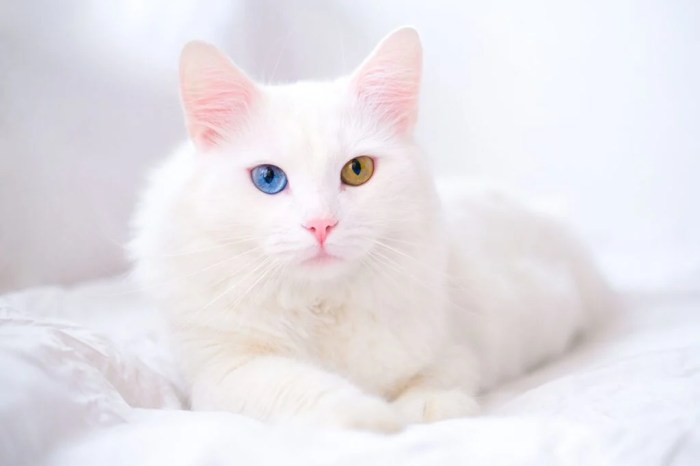
Source: hellobark.com
Ultimately, owning a Turkish Angora is a rewarding experience, but it’s crucial to understand the full financial picture. By carefully considering the initial investment and ongoing expenses, you can ensure you’re providing the best possible care for your new companion. From health testing to grooming, and even unexpected vet bills, being prepared will allow you to fully enjoy the unique bond with your Turkish Angora.
Hopefully, this comprehensive look at Turkish Angora cost has equipped you with the knowledge you need to make informed decisions and welcome this magnificent breed into your life with confidence.
Query Resolution
What’s the average cost of a Turkish Angora kitten from a reputable breeder?
Generally, expect to pay between $1,500 and $3,000, though prices can vary significantly based on pedigree and location.
Do Turkish Angoras require specialized food, and how much does it cost?
While they don’t
-require* specialized food, a high-quality diet is essential. Expect to spend $30-$60 per month on food, depending on the brand and quantity.
What are the most common health issues in Turkish Angoras, and how much do they typically cost to treat?
Common issues include allergies and dental problems. Allergy treatment can range from $100-$500+, while dental work can easily exceed $500.
Is pet insurance worth it for a Turkish Angora?
It’s definitely worth considering! Monthly premiums typically range from $30-$70, depending on the coverage level and your location.
How much does it cost to ship a Turkish Angora kitten across the country?
Shipping costs can vary widely, but expect to pay between $300 and $800, depending on the distance and shipping method.
Can I save money by adopting a Turkish Angora instead of buying from a breeder?
Yes! Adoption fees are typically much lower, ranging from $50 to $200, and often include initial vaccinations and health checks.
How often should I groom my Turkish Angora, and what are the costs involved?
Daily brushing is ideal to prevent mats. Professional grooming can cost $50-$100+ per session, while DIY grooming requires purchasing brushes and clippers (around $30-$50 initially).

