Choosing the right food for your feline friend can feel overwhelming, especially with so many options on the market. Wet cat food offers a fantastic way to boost hydration and provide a tempting texture that many cats adore. But with countless brands and formulas, how do you determine which are truly the “best cat food wet brands”? This guide dives deep into ingredients, brands, textures, and life stage needs to help you make an informed decision that keeps your cat healthy and purring with delight.
We’ll explore everything from understanding cat food labels to identifying potential allergens and even tackling picky eating habits. Beyond just listing brands, we’ll break down
-why* certain ingredients are beneficial and which ones to avoid. Ultimately, our goal is to empower you to select a wet food that perfectly aligns with your cat’s individual needs and preferences, ensuring a long and happy life together.
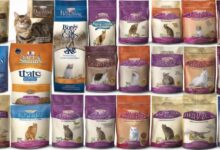
Choosing the Best Wet Cat Food: A Comprehensive Guide
Wet cat food offers a fantastic way to boost your cat’s hydration and provide a delicious, palatable meal. But with so many options on the market, figuring out which one isbest* can feel overwhelming. This guide breaks down everything you need to know, from understanding ingredient labels to choosing the right formula for your cat’s life stage and dietary needs.
We’ll explore top brands, different textures, and how to navigate the world of wet cat food to ensure your feline friend gets the nutrition they deserve.Understanding what constitutes “best” wet cat food goes beyond just picking a brand with cute packaging. It’s about considering several key factors. Nutritional completeness, meaning the food meets AAFCO standards for your cat’s life stage, is paramount.
Ingredient quality – prioritizing real meat, poultry, or fish over fillers – is also crucial. Palatability, because let’s face it, a cat won’t eat something they don’t enjoy, plays a big role. Finally, the food should be appropriate for your cat’s age and any specific health concerns. Wet food inherently offers benefits over dry food, primarily increased hydration, which is vital for kidney health and overall well-being.
The softer texture is also easier on a cat’s teeth and gums, especially beneficial for older cats. Learning to decipher cat food labels is essential. Look beyond the marketing claims and focus on the ingredient list, guaranteed analysis, and feeding guidelines.
Ingredient Breakdown: What to Look For (and Avoid)
A cat’s nutritional needs are specific, and their food should reflect that. Essential nutrients include high-quality protein for muscle development and repair, taurine (a vital amino acid for heart and eye health – catscannot* synthesize enough on their own), healthy fatty acids for skin and coat health, and a balanced blend of vitamins and minerals for overall well-being. Protein sources can vary widely, with chicken, fish (salmon, tuna, whitefish), and beef being common choices.
Chicken is generally well-tolerated and a good source of protein, but some cats have allergies. Fish provides omega-3 fatty acids, beneficial for skin and coat, but excessive amounts can lead to mercury concerns. Beef is a rich protein source but can be harder to digest for some cats. Fillers like corn, wheat, and soy offer little nutritional value and can be difficult for cats to digest, potentially contributing to allergies or sensitivities.
Artificial colors and flavors are unnecessary and can be harmful.
| Ingredient | Benefit to Cat | Potential Concerns |
|---|---|---|
| Chicken Meal | High in protein, a good source of amino acids. | Can be lower in moisture than whole chicken. Quality varies depending on the source. |
| Salmon Oil | Rich in Omega-3 fatty acids, supports healthy skin and coat, reduces inflammation. | Potential for fishy odor. Source and freshness are important. |
| Taurine | Essential amino acid for heart and eye health. | Must be supplemented, as cats cannot produce enough. |
| Pumpkin | Good source of fiber, aids digestion, can help with both constipation and diarrhea. | Too much can cause loose stools. |
| Vitamin E | Antioxidant, supports immune function and skin health. | Excessive amounts can be toxic. |
Top Wet Cat Food Brands: A Detailed Look
Let’s dive into some popular wet cat food brands, examining their strengths and weaknesses. Wellness Complete Health Wet Cat Food is known for its focus on natural ingredients and balanced nutrition. Their recipes typically feature real meat or fish as the primary ingredient, supplemented with fruits, vegetables, and added vitamins and minerals. It’s a good all-around choice for adult cats with no specific dietary restrictions.
The ingredient profile often includes chicken, turkey, or salmon, along with wholesome grains and vegetables. Blue Buffalo Wilderness Wet Cat Food caters to cats with a preference for meat-rich diets. Their Wilderness line is grain-free and emphasizes high-protein content, mimicking a cat’s ancestral diet. It often features deboned chicken, turkey, or fish as the primary ingredient, along with fruits and vegetables. This is a good option for active cats or those needing to build muscle.
Fancy Feast Wet Cat Food is a household name, widely available and often chosen for its palatability. However, ingredient quality is a common concern. While cats generally love the taste, the recipes often contain by-products and lower-quality protein sources. It can be a good occasional treat, but not ideal as a primary food source. Purina Pro Plan Wet Cat Food stands out for its science-backed formulas and targeted nutrition.
Purina invests heavily in research and development, creating formulas tailored to specific life stages and health conditions. They offer a wide range of options, from sensitive skin and stomach formulas to urinary health support.
| Brand | Key Ingredients | Life Stage Suitability | Price Range |
|---|---|---|---|
| Wellness Complete Health | Chicken, Turkey, Salmon, Fruits, Vegetables | Adult Cats | $1.50 – $3.00 per can |
| Blue Buffalo Wilderness | Deboned Chicken, Turkey, Fish, Fruits, Vegetables | Adult Cats, Active Cats | $1.75 – $3.50 per can |
| Fancy Feast | Chicken, Fish, By-Products, Liver | Adult Cats (occasional treat) | $0.75 – $1.50 per can |
| Purina Pro Plan | Varies by formula (Chicken, Salmon, Rice, etc.) | Kitten, Adult, Senior, Specific Health Needs | $1.25 – $2.50 per can |
Wet Cat Food Formats & Textures
Wet cat food comes in various formats, each offering a different eating experience. Pate is a smooth, loaf-like consistency, often preferred by cats with dental issues. Minced food is finely ground and offers a slightly more textured experience. Flaked food resembles small pieces of fish or meat, providing a satisfying chew. Gravy-based foods are immersed in a savory sauce, which many cats find irresistible.
Texture significantly impacts a cat’s enjoyment and digestion. A smooth texture is easier to swallow, while a more textured food can provide mental stimulation and help clean teeth. Brands like Tiki Cat specialize in flaked and shredded textures, while Friskies offers a wide range of pate and gravy options.
- Pate: Pros – Easy to eat, good for dental issues. Cons – Can be less appealing to some cats.
- Minced: Pros – Slightly more texture than pate, generally palatable. Cons – Can be too fine for some cats.
- Flaked: Pros – Satisfying chew, can help clean teeth. Cons – May be difficult for cats with dental problems.
- Gravy: Pros – Highly palatable, hydrating. Cons – Can be messy, may contain excessive sodium.
Life Stage Considerations: Kitten, Adult, Senior

Source: welovecatsandkittens.com
Nutritional needs change throughout a cat’s life. Kittens require a diet rich in protein and calories to support rapid growth and development. Wet food is an excellent way to ensure kittens stay hydrated and receive the nutrients they need. Adult cats need a balanced diet to maintain a healthy weight and energy levels. Wet food can help with weight management by providing a feeling of fullness with fewer calories than dry food.
Senior cats often benefit from wet food that’s easy to chew and digest, and formulas that support joint health and kidney function. Look for options with added glucosamine and chondroitin for joint support and reduced phosphorus levels for kidney health.
| Life Stage | Key Nutritional Needs | Recommended Wet Food Features |
|---|---|---|
| Kitten | High protein, high calories, DHA for brain development | Formulated for kittens, high-calorie density, easily digestible |
| Adult | Balanced protein, fat, and carbohydrates, moderate calories | Maintenance formulas, appropriate protein levels, good hydration |
| Senior | Moderate protein, reduced phosphorus, joint support | Senior-specific formulas, glucosamine & chondroitin, low phosphorus |
Special Dietary Needs: Allergies & Sensitivities
Food allergies in cats are relatively common, with chicken and fish being frequent culprits. Identifying an allergy often involves an elimination diet, where all potential allergens are removed from the diet and gradually reintroduced to monitor for reactions. Limited-ingredient wet cat food options are a great starting point for cats with sensitivities, as they contain fewer ingredients, reducing the likelihood of triggering an allergic response.
Hypoallergenic wet cat food formulas undergo rigorous testing to minimize the risk of allergic reactions.
Introducing a new wet food to a cat with a sensitive stomach should be done gradually. Start by mixing a small amount of the new food with their current food, gradually increasing the proportion of the new food over 7-10 days. Monitor for any signs of digestive upset, such as vomiting or diarrhea.
Palatability & Picky Eaters
Picky eating is a common challenge for cat owners. Several factors can influence a cat’s food preferences, including genetics, past experiences, and even stress. Encouraging picky cats to eat wet food can involve warming the food slightly to enhance its aroma, adding a small amount of tuna juice or broth as a topper, or trying different textures and flavors. Brands like Wellness and Tiki Cat are often praised for their highly palatable formulas.
- Warm the food slightly to enhance the aroma.
- Add a small amount of tuna juice or broth as a topper.
- Try different textures and flavors.
- Offer food at consistent times each day.
- Avoid giving treats too close to mealtime.
Cost & Value
The cost of wet cat food can vary significantly depending on the brand, ingredients, and format. While price is a factor, it’s important to consider the overall value – the quality of ingredients and the nutritional benefits relative to the cost. A more expensive food with higher-quality ingredients may ultimately be more beneficial for your cat’s health and well-being.
| Brand | Approximate Cost per Can (3oz) |
|---|---|
| Fancy Feast | $0.75 |
| Friskies | $0.80 |
| Wellness Complete Health | $2.00 |
| Blue Buffalo Wilderness | $2.50 |
| Purina Pro Plan | $1.75 |
Storage & Handling
Proper storage is crucial for maintaining the freshness and safety of wet cat food. Unopened cans should be stored in a cool, dry place. Once opened, wet cat food should be transferred to an airtight container and refrigerated for no more than 24-48 hours. Discard any food that shows signs of spoilage, such as an off odor or discoloration. Portioning containers can be helpful for pre-portioning meals and reducing waste.
- Store unopened cans in a cool, dry place.
- Refrigerate opened cans in an airtight container for up to 48 hours.
- Discard any food that shows signs of spoilage.
- Use portioning containers to pre-portion meals.
- Wash food bowls regularly to prevent bacterial growth.
Conclusion
Navigating the world of wet cat food can seem complex, but understanding the basics of nutrition, ingredient quality, and your cat’s specific needs is key. From the science-backed formulas of Purina Pro Plan to the grain-free options of Blue Buffalo Wilderness, there’s a wet food out there to suit every cat. By considering factors like texture, life stage, and potential sensitivities, you can confidently choose a brand that supports your cat’s overall health and happiness.
Remember, a happy cat is a well-fed cat!
So, take what you’ve learned, read those labels carefully, and don’t be afraid to experiment to find the perfect wet food that your feline companion will truly love. Your cat will thank you for it with extra purrs and cuddles!
Questions Often Asked
Why is wet cat food better than dry food for hydration?
Wet food has a much higher moisture content (around 70-80%) compared to dry food (around 10%). Cats often don’t drink enough water on their own, so wet food helps them stay properly hydrated, which is crucial for kidney health and overall well-being.
What does “complete and balanced” mean on a cat food label?
It means the food meets the nutritional levels established by AAFCO (Association of American Feed Control Officials) for a specific life stage (kitten, adult, senior). However, it doesn’t necessarily guarantee high-quality ingredients.
My cat only eats a few specific flavors. How can I introduce a new wet food?
Start by mixing a very small amount (like a teaspoon) of the new food with their current favorite. Gradually increase the proportion of new food over several days, while decreasing the old food. Warming the new food slightly can also enhance its aroma and make it more appealing.
What are some signs of a food allergy in cats?
Common signs include itchy skin, excessive grooming, vomiting, diarrhea, and ear infections. If you suspect an allergy, consult with your veterinarian.
How long does opened wet cat food last in the refrigerator?
Opened cans of wet cat food typically last for 1-2 days in the refrigerator. Always smell the food before feeding it to your cat – if it smells off, discard it.
Is grain-free wet cat food always better?
Not necessarily. While some cats may benefit from a grain-free diet, grains like brown rice and oats can be healthy sources of fiber and nutrients. The key is to focus on the overall ingredient quality, regardless of whether it contains grains.

