Ever noticed a house cat that seems to have stepped right out of the African savanna? It’s a fascinating phenomenon! Several breeds, thanks to selective breeding and unique genetics, boast striking spotted patterns that bear a remarkable resemblance to cheetahs. This isn’t just about looks; it’s a blend of history, genetics, temperament, and care that makes these “cheetah-like” cats so captivating.
We’ll dive into the world of these spotted felines, exploring their origins, characteristics, and what it takes to keep them happy and healthy.
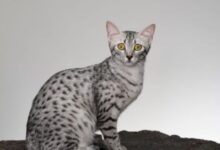
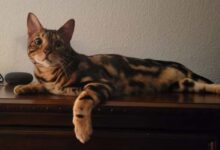
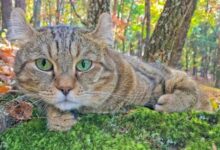
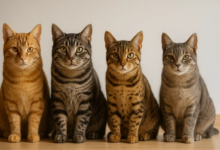
From the sleek Bengal to the elegant Egyptian Mau, these breeds have captured the hearts of cat lovers worldwide. Understanding their specific needs, from grooming to potential health concerns, is crucial for any prospective owner. We’ll break down the key differences between these breeds and their wild counterparts, while also exploring why this unique appearance is so appealing to us.
The Allure of the Miniature Cheetah: Exploring Cheetah-Like House Cats
The internet is full of optical illusions, but sometimes, reality can be just as surprising. We’re talking about house cats that bear an uncanny resemblance to cheetahs. While they’re certainly not cheetahs themselves, these feline friends possess striking spotted patterns that capture our attention and spark curiosity. This article delves into the breeds that achieve this cheetah-like look, exploring their origins, characteristics, care, and the fascinating genetics behind their appearance.The fascination with these spotted companions isn’t just about aesthetics; it’s about the blend of domestic comfort and wild beauty.
Understanding what makes these cats look like miniature cheetahs requires a look at their history, genetics, and unique traits.
Origins and Breed Identification
The cheetah-like appearance in domestic cats isn’t a natural occurrence; it’s the result of selective breeding. Several breeds have been developed to emphasize spotted patterns, often drawing inspiration from wild cats. The history of these breeds is intertwined with the desire to recreate the visual appeal of wild felines within the context of a domestic pet.Several breeds commonly evoke the image of a cheetah.
These include the Bengal, Ocicat, Egyptian Mau, and Savannah. Each breed has a unique history and genetic background that contributes to its spotted coat. The Bengal, for example, is a hybrid breed resulting from crosses between domestic cats and Asian Leopard Cats. The Ocicat, surprisingly, was developed from a mix of Abyssinian, Siamese, and American Shorthair cats, demonstrating that the spotted pattern can be achieved through careful breeding without any wildcat ancestry.
Egyptian Maus are one of the oldest breeds, known for their naturally occurring spotted coats. Savannahs are a hybrid of domestic cats and Servals, a medium-sized African wild cat, resulting in a distinctly wild appearance.The spotted coat pattern is primarily determined by genes that control melanin production and distribution. The Agouti gene is crucial; it allows for banding of pigment within each hair shaft, creating the characteristic spotted or marbled appearance.
Modifier genes then influence the size, shape, and density of the spots. Breeders intentionally select for cats with desirable spotted patterns, gradually refining the appearance over generations. This process involves careful pairing of cats with the most striking markings, ensuring that the desired traits are passed on to their offspring.Here’s a table summarizing key information about these breeds:
| Breed | Origin | Typical Weight | Distinctive Features |
|---|---|---|---|
| Bengal | United States (developed from Asian Leopard Cat) | 8-15 lbs | Rosetted markings, muscular build, love of water |
| Ocicat | United States | 6-15 lbs | Solid, bold spots resembling a wild cat, confident demeanor |
| Egyptian Mau | Egypt | 6-12 lbs | Naturally spotted, tear-shaped markings, graceful movements |
| Savannah | United States (hybrid of Serval and domestic cat) | 10-25 lbs (can vary greatly) | Tall, long legs, large ears, striking spotted pattern |
Physical Characteristics: Spot Patterns and Markings
Source: theatlantic.com
The variations in spot patterns are fascinating. You’ll see rosettes (spots with a central darker area), solid spots, and even stripes in some cases. Rosettes are most common in Bengals, while Ocicats tend to have more solid, defined spots. Egyptian Maus exhibit smaller, densely packed spots, and Savannahs display a combination of spot sizes and patterns.The ideal cheetah-like appearance relies on a combination of factors: well-defined spots, a consistent pattern, and a contrast between the spots and the background color.
Larger, bolder spots generally create a more dramatic effect.Color variations are equally important. Black spots on a gold or tan background are particularly striking, mimicking the cheetah’s coloration. Brown spots on a lighter tan or cream background also create a visually appealing contrast. The key is to have a strong contrast between the spot color and the base coat color to maximize visual impact.To illustrate the different spot pattern types, consider these descriptions:* Rosettes: Large, rounded spots with a darker central area, resembling miniature cheetah rosettes.
These are typically found in Bengals and some Savannahs.
Spots
Solid, circular markings of uniform size and shape. Ocicats are known for their well-defined spots.
Stripes
Linear markings, less common but occasionally seen, particularly in Savannahs.
Temperament and Behavior
The temperament of these breeds varies, but there are some common threads. Generally, they are intelligent, active, and playful cats. They often exhibit a strong prey drive and enjoy interactive games.Comparing the breeds, Bengals are known for their high energy levels and love of water, a trait inherited from their Asian Leopard Cat ancestry. Ocicats are confident and outgoing, often described as dog-like in their loyalty and affection.
Egyptian Maus are intelligent and agile, enjoying puzzle toys and interactive play. Savannahs, due to their Serval heritage, are highly energetic and require a lot of stimulation.A cat’s personality significantly influences its perceived “cheetah-like” demeanor. A confident, agile cat that stalks and pounces with precision will naturally evoke the image of a cheetah.Here’s a list of common behaviors that contribute to a cheetah-like impression:
- Stalking prey (toys or imagined targets)
- Pouncing with speed and accuracy
- Rapid bursts of speed across the room
- Alert posture and watchful gaze
- Agile climbing and jumping
Coat Care and Grooming
Grooming requirements vary slightly between these breeds. Bengals have a short, dense coat that benefits from weekly brushing to remove loose hair. Ocicats also have a short coat and require similar grooming. Egyptian Maus have a silky, close-lying coat that needs regular brushing to maintain its shine. Savannahs, depending on their Serval influence, can have a variety of coat textures, but generally benefit from weekly brushing.Regular grooming not only enhances the vibrancy of the coat but also helps maintain the clarity of the spotted pattern.
A healthy coat reflects light differently, making the spots more visible.Diet plays a crucial role in coat health. A diet rich in omega-3 and omega-6 fatty acids promotes a shiny, healthy coat.Here’s a table summarizing grooming frequency:
| Breed | Coat Type | Grooming Frequency |
|---|---|---|
| Bengal | Short, dense | Weekly |
| Ocicat | Short | Weekly |
| Egyptian Mau | Silky, close-lying | Weekly |
| Savannah | Variable (short to medium) | Weekly |
Health Considerations
Like all breeds, these cheetah-like cats are predisposed to certain health concerns. Bengals can be prone to hypertrophic cardiomyopathy (HCM), a heart condition. Ocicats are generally healthy, but can occasionally develop pyruvate kinase deficiency. Egyptian Maus can be susceptible to progressive retinal atrophy (PRA), an eye disease. Savannahs, due to their Serval ancestry, can inherit genetic predispositions to certain health issues, and responsible breeders screen for these.Responsible breeding practices are essential to minimize genetic health issues.
This includes genetic testing of breeding cats and careful selection of pairings.Preventative care, including vaccinations and parasite control, is crucial for maintaining the health of these breeds.Typical lifespans vary: Bengals and Ocicats typically live 12-16 years, Egyptian Maus 13-18 years, and Savannahs 12-20 years.
Savannah cats, due to their hybrid nature, require particularly careful monitoring by a veterinarian experienced with exotic animals. Their unique genetic makeup can present challenges in diagnosis and treatment, and early detection of health issues is crucial for ensuring a long and healthy life. Regular checkups and a proactive approach to healthcare are essential for these magnificent cats.
Visual Descriptions for Illustration
Imagine a Bengal cat, its muscular build evident beneath a coat of striking black spots on a golden background. The light catches the edges of the spots, creating a dynamic interplay of light and shadow. Its expression is alert and intelligent, with piercing green eyes.Picture an Ocicat, standing tall and confident, its spotted markings clearly visible against a contrasting gray background.
Its posture exudes power and grace.Envision an Egyptian Mau in a playful pose, its elegant lines accentuated by its distinctive tear-shaped markings. Its movements are fluid and agile.Visualize a Savannah cat displaying its agility, its long legs propelling it forward with effortless grace. Its spotted coat blends seamlessly with its surroundings.The “perfect” cheetah-like house cat would combine the Bengal’s rosetted markings, the Ocicat’s bold spots, the Egyptian Mau’s tear-shaped markings, and the Savannah’s long legs and athletic build.
It would possess a confident demeanor, an alert expression, and a coat that shimmers with vibrant color.
Distinguishing Features from Actual Cheetahs
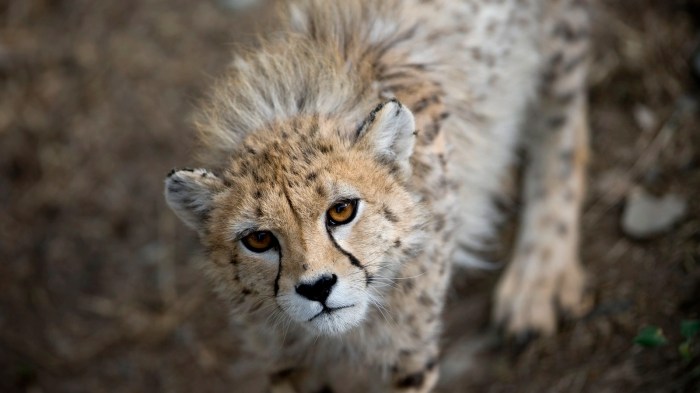
While these house cats may resemble cheetahs, there are significant anatomical differences. Cheetahs are significantly larger and more slender than any of these breeds. Their build is optimized for speed, with long legs and a flexible spine.Facial structure also differs. Cheetahs have distinctive black “tear marks” that run from the inner corner of their eyes to the sides of their nose, which help reduce glare from the sun.
House cats lack these markings.Hunting styles also differ. Cheetahs are sprinters, relying on bursts of speed to catch their prey. House cats are ambush predators, using stealth and agility to stalk and pounce.
| Feature | House Cat | Cheetah |
|---|---|---|
| Size | 8-25 lbs | 75-140 lbs |
| Build | Muscular, compact | Slender, streamlined |
| Markings | Spotted, rosetted, striped | Distinctive spots, tear marks |
| Hunting Style | Ambush predator | Sprinter |
| Vocalizations | Meows, purrs, hisses | Chirps, growls, purrs (unique purr mechanism) |
The Appeal of the “Cheetah-Like” Appearance
The appeal of cats that resemble cheetahs lies in their unique blend of domesticity and wildness. The spotted patterns and wildcat appearance evoke a sense of exoticism and power.Social media and popular culture have played a significant role in popularizing these breeds. Images and videos of these striking cats often go viral, further fueling the demand.The “cheetah-like” appearance is frequently portrayed in media, from movies to books, often symbolizing agility, grace, and a touch of the untamed.
Closure
The allure of a house cat that looks like a cheetah is undeniable. It’s a captivating blend of domestic comfort and wild beauty, a testament to the power of selective breeding and the enduring fascination we have with the natural world. Whether you’re a seasoned cat owner or simply curious about these spotted wonders, understanding their unique traits and needs is key to appreciating their charm.
So, the next time you see a cat with a cheetah-like pattern, you’ll know there’s a whole lot more to it than just a pretty coat!
Ultimately, these breeds offer a unique and rewarding companionship, bringing a touch of the exotic into our homes. Responsible breeding practices and dedicated care are essential to ensuring these beautiful cats thrive, allowing us to enjoy their playful personalities and stunning appearances for years to come.
Question & Answer Hub
Why do some house cats look like cheetahs?
Selective breeding over generations has resulted in specific coat patterns resembling cheetah spots in breeds like Bengals, Ocicats, and Egyptian Maus. Genetics play a huge role in determining these patterns.
What’s the difference between a Savannah cat and a cheetah?
Savannah cats are a hybrid breed, a cross between a domestic cat and a Serval (a wild African cat). While they share a spotted appearance, they are significantly smaller than cheetahs and have distinct anatomical differences.
Are cheetah-like cats more energetic than other breeds?
Generally, yes. Breeds like Bengals and Savannahs are known for their high energy levels and playful nature. Ocicats and Egyptian Maus also tend to be quite active, though to a slightly lesser degree.
What kind of grooming do these spotted cats need?
Grooming needs vary by breed. Bengals and Ocicats typically require weekly brushing, while Egyptian Maus benefit from more frequent grooming to maintain their silky coat. Savannahs often have relatively low grooming needs.
What are some potential health concerns for these breeds?
Potential concerns include hypertrophic cardiomyopathy (HCM), hip dysplasia, and progressive retinal atrophy (PRA). Responsible breeders screen for these conditions to minimize risks.
Do these cats make good pets for families with children?
It depends on the individual cat’s temperament and socialization. Early socialization is crucial. Savannah cats, in particular, require experienced owners due to their higher energy and potential for unpredictable behavior.
How can I tell the difference between rosettes and spots on a cat’s coat?
Rosettes are larger, more complex markings that resemble miniature roses, while spots are simpler, rounder shapes. Rosettes are more common in Bengals.

