Have you ever seen a cat that looks like a miniature cheetah? That’s likely a Cheetoh! These captivating felines are relatively new to the scene, bred to resemble their wild namesake while retaining a loving, domestic temperament. They’re a fascinating blend of breeds, and their striking appearance and playful personalities have quickly captured the hearts of cat lovers worldwide.
Let’s dive into everything you need to know about these spotted beauties, from their history and care to their unique quirks.
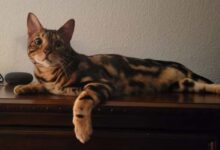
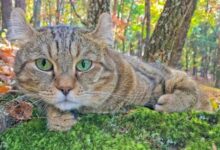
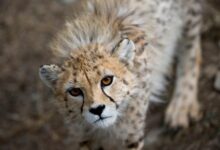
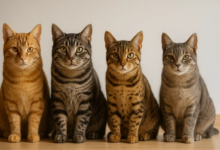
The Cheetoh breed’s story is one of intentional breeding, aiming to create a cat with the look of a cheetah but the affectionate nature of a house cat. Breeders carefully combined the traits of Ocicats, Bengals, and even a touch of Cougar or Serval genetics (though the latter is heavily regulated and rare) to achieve this distinctive appearance. While not officially recognized by all major cat registries yet, the Cheetoh is steadily gaining popularity and recognition, and the journey to establish them as a distinct breed is ongoing.
The Alluring Cheetoh Cat: A Comprehensive Guide
The Cheetoh cat is a relatively new breed, captivating cat lovers with its striking spotted coat and playful personality. Often mistaken for miniature cheetahs, these felines are a testament to dedicated breeding programs aimed at creating a unique and visually stunning companion. This guide will delve into everything you need to know about Cheetoh cats, from their origins and care to their temperament and future prospects.
Origins and History of Cheetoh Cats
The Cheetoh’s story begins in the late 1980s with a breeder named Judi Reynolds in California. Her goal was to create a domestic cat that resembled a cheetah in appearance but possessed a gentle and affectionate temperament. The initial breeding program involved crossing a Domestic Shorthair with a Bengal, and later incorporating Cougar/Serval hybrids. It’s crucial to understand that the use of Cougar/Serval hybrids is a complex and controversial topic, and not all Cheetoh breeders utilize them.
The early generations were challenging, with breeders facing difficulties in consistently achieving the desired spotted pattern and temperament.The timeline of the Cheetoh’s development is somewhat fragmented. While breeders have been working with these cats for decades, the breed hasn’t achieved widespread recognition by major cat registries like the Cat Fanciers’ Association (CFA) or The International Cat Association (TICA). The breed’s name itself has been a source of contention.
Some argue that it’s misleading due to the cat’s lack of cheetah ancestry (beyond the visual resemblance), while others defend it as a descriptive term for its appearance. The controversy highlights the challenges faced by new breeds seeking acceptance within the established cat fancy.
Physical Characteristics and Appearance
Cheetoh cats are medium-sized felines, typically weighing between 8 and 15 pounds. They possess a muscular and athletic build, reflecting their energetic nature. Their most defining feature is their spotted coat, which can vary significantly in pattern and color. The spots are ideally round and evenly distributed across the body, resembling those of a cheetah. Color variations include brown, black, blue, and even silver, often with contrasting markings.Eye color is another distinctive characteristic.
Cheetohs can have a range of eye colors, including gold, green, copper, and blue. Gold and green eyes are considered particularly desirable, often enhancing the cat’s striking appearance. Their head is wedge-shaped with prominent cheekbones, and their ears are relatively large and alert. The tail is medium in length, tapering to a rounded tip.
| Feature | Description | Variation |
|---|---|---|
| Coat Pattern | Round, evenly distributed spots | Solid brown, black, blue, silver, rosetted |
| Eye Color | Bright, expressive eyes | Gold, green, copper, blue |
| Body Build | Muscular and athletic | Slightly longer body, compact build |
Temperament and Personality
Cheetoh cats are generally known for their energetic and playful personalities. They are affectionate and enjoy interacting with their human families, often seeking attention and cuddling. However, their personality can be influenced by their lineage. Cats with a stronger Bengal influence tend to be more independent and active, while those with more OC influence may be more laid-back and affectionate.They typically get along well with children and other pets, provided they are properly socialized from a young age.
Anecdotally, many Cheetoh owners describe their cats as being highly intelligent and trainable, often enjoying games that challenge their minds. One owner shared a story of her Cheetoh, “Zara,” learning to fetch and respond to a variety of commands, demonstrating the breed’s potential for training.
Care and Maintenance
Grooming a Cheetoh cat is relatively straightforward. Their short, dense coat requires brushing once or twice a week to remove loose hair and prevent matting. Bathing is generally only necessary a few times a year, unless the cat gets particularly dirty.A high-quality diet is essential for maintaining a Cheetoh’s health and energy levels. Look for cat food that is rich in protein and low in carbohydrates.
Wet food is beneficial for hydration, while dry food helps maintain dental health. Supplementing their diet with occasional treats and catnip can also provide enrichment.Cheetohs are active cats that require plenty of exercise. Provide them with interactive toys, scratching posts, and climbing structures to keep them entertained. Daily play sessions are crucial for preventing boredom and destructive behaviors.Potential health concerns specific to Cheetoh cats are often related to their parent breeds.
These can include hypertrophic cardiomyopathy (HCM), a heart condition common in Bengals, and progressive retinal atrophy (PRA), an eye disease. Preventative measures include regular veterinary checkups, vaccinations, and parasite control.
- High-quality cat food
- Interactive toys (feather wands, laser pointers, puzzle toys)
- Scratching post
- Climbing tree or cat shelves
- Grooming brush
- Cat carrier
- Litter box and litter
Health Considerations
The Cheetoh’s genetic background, stemming from OC, Bengal, and occasionally Serval/Cougar hybrids, introduces potential health predispositions. HCM, as mentioned, is a concern, requiring regular cardiac screenings. Bengal cats are also prone to certain neurological conditions, which could manifest in Cheetohs. Eye health is also important, with potential for PRA and other ocular issues.Common feline health issues, such as upper respiratory infections and urinary tract problems, can also affect Cheetohs.
Early detection and treatment are crucial for managing these conditions. Preventative healthcare measures, including annual vaccinations against feline distemper, rabies, and feline leukemia virus (FeLV), are essential. Regular parasite control, both internal and external, is also vital.
| Health Concern | Symptoms | Prevention | Treatment |
|---|---|---|---|
| Hypertrophic Cardiomyopathy (HCM) | Difficulty breathing, lethargy, sudden death | Regular cardiac screenings | Medication, dietary changes |
| Progressive Retinal Atrophy (PRA) | Night blindness, gradual vision loss | Genetic testing (in breeders) | No cure, supportive care |
| Upper Respiratory Infections | Sneezing, coughing, nasal discharge | Vaccinations, good hygiene | Antibiotics, supportive care |
Finding a Cheetoh Cat
Finding a reputable breeder is paramount when acquiring a Cheetoh cat. Look for breeders who prioritize health testing and temperament. Verify breeder credentials by checking with cat registries and online forums. Health testing should include screening for HCM and PRA. Be prepared to pay a significant price for a Cheetoh cat, typically ranging from $1,500 to $5,000 or more, depending on lineage and markings.Distinguishing a genuine Cheetoh from a misrepresented Bengal or OC can be challenging.
Look for the distinctive spotted pattern and the overall build of the Cheetoh. Ask the breeder for detailed information about the cat’s lineage and health history.
- Research reputable breeders online and through cat registries.
- Contact breeders and ask about their breeding practices and health testing.
- Visit the breeder’s cattery to meet the cats and observe their living conditions.
- Obtain health records and pedigree information for the cat.
- Secure a written contract outlining health guarantees and breeder responsibilities.
Cheetoh Cats in Popular Culture
Cheetoh cats have gained increasing attention on social media platforms like Instagram and TikTok, where their striking appearance and playful antics are showcased. Several accounts dedicated to Cheetoh cats have amassed large followings, contributing to the breed’s growing popularity. Their resemblance to cheetahs, combined with their domestic and affectionate nature, makes them particularly appealing to a wide audience.While not yet featured in major movies or television shows, their presence online has significantly boosted their visibility and desirability.
Comparing Cheetohs to Similar Breeds
Cheetohs are often compared to Bengals and Ocicats, both of which share a spotted coat pattern. However, Cheetohs generally have a more cheetah-like appearance, with rounder spots and a more muscular build. Bengals are known for their wilder temperament and more pronounced markings, while Ocicats have a more rectangular body shape and a shorter coat. Savannah cats, a hybrid breed involving Servals, are significantly larger and more expensive than Cheetohs.
| Breed | Key Characteristics | Differences from Cheetoh |
|---|---|---|
| Bengal | Wild appearance, energetic temperament, bold markings | More pronounced markings, wilder temperament |
| Ocicat | Spotted coat, rectangular body, domestic temperament | Rectangular body shape, shorter coat |
| Savannah | Serval hybrid, large size, high energy | Significantly larger, more expensive, Serval ancestry |
Training and Enrichment
Cheetoh cats are intelligent and trainable, responding well to positive reinforcement techniques. Reward-based training, using treats and praise, is highly effective. Mental stimulation is crucial for preventing boredom and destructive behaviors.
Providing a stimulating indoor environment for a Cheetoh cat involves creating opportunities for climbing, exploring, and playing. This can include cat trees, window perches, interactive toys, and puzzle feeders. Regularly rotating toys and introducing new challenges will keep your Cheetoh engaged and entertained.
Interactive toys, such as feather wands and laser pointers, are excellent for encouraging exercise and bonding. Puzzle feeders can provide mental stimulation by requiring the cat to work for their food.
The Future of the Cheetoh Breed
Efforts to establish the Cheetoh as a recognized breed by major cat registries are ongoing. The breed faces challenges in demonstrating genetic consistency and establishing a clear breed standard. However, the breed’s growing popularity and the dedication of responsible breeders offer hope for future recognition. Responsible breeding practices, including health testing and careful selection of breeding pairs, are essential for ensuring the breed’s long-term health and viability.
The future likely holds increased recognition and a more standardized breed profile as breeders continue to refine the Cheetoh’s characteristics.
End of Discussion
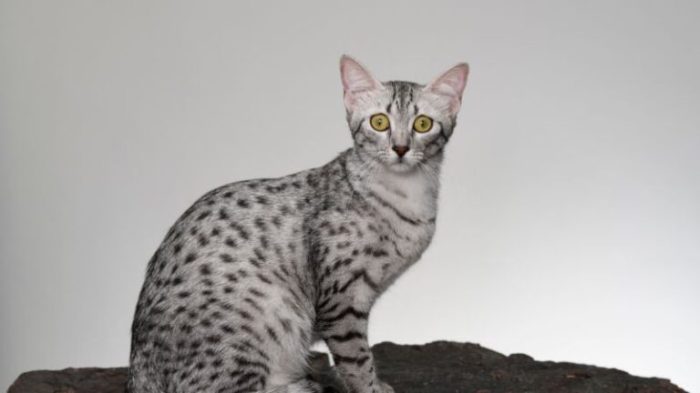
Source: dorkycats.com
From their fascinating origins and striking spotted coats to their playful personalities and specific care needs, Cheetoh cats are truly a remarkable breed. Understanding their lineage, potential health considerations, and the importance of responsible breeders is key to welcoming one of these unique felines into your home. As the breed continues to evolve and gain recognition, it’s clear that Cheetoh cats are here to stay, bringing a touch of the wild and a whole lot of love to the world of domestic pets.
Whether you’re a seasoned cat owner or just considering adding a feline friend to your family, the Cheetoh offers a compelling combination of beauty, intelligence, and affection. With proper care and attention, these spotted companions can bring years of joy and companionship.
FAQ Compilation
Are Cheetoh cats actually related to cheetahs?
No, they are not! Cheetoh cats are a hybrid breed created by crossing Ocicats, Bengals, and sometimes Cougar/Serval. They simply resemble cheetahs due to their spotted coat patterns.
How much do Cheetoh cats typically cost?
The price can vary widely, but expect to pay anywhere from $1,500 to $3,000 or more, depending on the breeder, lineage, and markings. Reputable breeders often charge more due to health testing and careful breeding practices.
What is the best diet for a Cheetoh cat?
A high-quality, protein-rich diet is essential. Look for cat food with real meat as the primary ingredient and avoid fillers like corn and wheat. Wet food is also beneficial for hydration.
Do Cheetoh cats require a lot of exercise?
Yes, they are energetic cats! Provide plenty of interactive toys, scratching posts, and opportunities for play to keep them physically and mentally stimulated. Daily playtime is a must.
Are Cheetoh cats good with children and other pets?
Generally, yes! Cheetohs are known for being affectionate and playful, often getting along well with children and other pets, especially when properly socialized from a young age. However, early introductions are key.
What are some potential health concerns for Cheetoh cats?
They can inherit genetic predispositions from their parent breeds, such as hypertrophic cardiomyopathy (HCM) and progressive retinal atrophy (PRA). Regular vet checkups and genetic testing can help mitigate these risks.
How can I tell if a Cheetoh cat breeder is reputable?
Look for breeders who health test their cats, provide a clean and stimulating environment, and are knowledgeable about the breed. They should be happy to answer your questions and provide documentation of health clearances.

