Seeing your cat stuck in a cone after surgery or an injury is heartbreaking – they look so frustrated and uncomfortable! The Elizabethan collar, or cone, is a necessary evil for protecting wounds, but it can be incredibly distressing for our feline friends. This guide explores a range of cone alternatives for cats, from soft collars and recovery suits to clever distraction techniques, helping you find the best solution to keep your kitty safe and comfortable during their recovery.
We’ll dive into the reasons cats dislike cones so much, examining the psychological impact and practical challenges they present. Then, we’ll explore various alternatives, weighing their pros and cons, and offering practical advice on fitting and using them effectively. Ultimately, our goal is to help you choose the option that best suits your cat’s individual needs and personality, minimizing stress and maximizing healing.
Cone Alternatives for Cats: A Comprehensive Guide
Dealing with a cat recovering from surgery or an injury is stressful enough without adding the trauma of a cone (Elizabethan collar) to the mix. Those plastic cones are notoriously disliked by our feline friends, and for good reason. They’re uncomfortable, restrictive, and can seriously impact a cat’s quality of life during recovery. This guide explores a range of alternatives to the traditional cone, offering practical solutions and advice to help your cat heal comfortably and with minimal stress.
We’ll cover everything from soft E-collars and recovery suits to distraction techniques and when a DIY approach might (or might not) be appropriate.
Understanding the Cone & Why Cats Dislike It
The primary purpose of a cone, also known as an Elizabethan collar, is to prevent a cat from licking or chewing at a wound, surgical site, or irritated area. Licking can introduce bacteria, delay healing, and even cause further injury. However, the cone’s design presents several challenges for cats. Their vision is severely restricted, making it difficult to navigate their surroundings.
Eating and drinking become awkward and messy, and even simple movements like turning around are hampered. This combination of physical limitations and sensory deprivation can lead to significant psychological distress.
The psychological impact of a cone shouldn’t be underestimated. Cats are creatures of habit and routine, and a cone disrupts their normal behaviors. They may become withdrawn, anxious, or even aggressive due to frustration. The cone can also interfere with their ability to groom themselves, leading to a decline in hygiene and potential skin issues. Veterinarians typically recommend cones in situations involving:
- Post-surgical recovery (spaying/neutering, wound closure)
- Skin infections or allergies requiring restricted licking
- Fractures or injuries needing protection from self-trauma
- Foreign body ingestion where licking could exacerbate the problem
Soft E-Collars: A Gentle Alternative
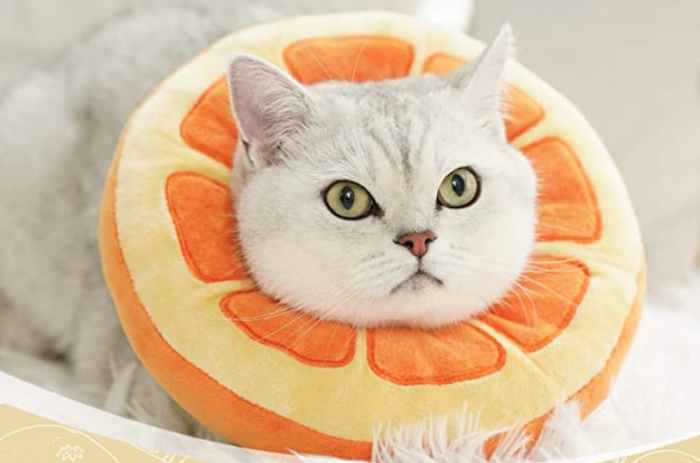
Soft E-collars offer a significant improvement over traditional plastic cones. They provide a barrier against licking while allowing for greater comfort and mobility. Unlike the rigid plastic, soft E-collars are typically made from flexible materials that conform to the cat’s neck. This allows for a wider range of motion and reduces the feeling of confinement. The materials used vary, impacting both comfort and durability.
Fabric options are generally softer against the skin, while foam and fleece provide extra cushioning. However, some cats may chew on fabric, so the material’s strength is a factor.
Choosing the right soft E-collar depends on your cat’s individual needs and preferences. Here’s a comparison of common types:
| Type | Effectiveness | Price | Ease of Cleaning |
|---|---|---|---|
| Donut/Neck Pillow | Moderate – Good for preventing casual licking, less effective for determined chewers | $15 – $30 | Machine washable (check label) |
| Tube/Roll-Up | Good – Provides a good barrier, but can still be circumvented by some cats | $20 – $40 | Hand wash recommended |
| Inflatable | Excellent – Difficult to reach, but requires proper inflation and secure fastening | $25 – $50 | Wipe clean |
Many cat owners report that soft E-collars allow their cats to eat and drink more comfortably than with a traditional cone. The flexible design allows them to reach their food and water bowls without significant difficulty. Grooming is also easier, although some cats may still struggle to reach certain areas.
Recovery Suits & Bodysuits
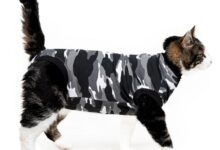
Recovery suits, also known as bodysuits, offer a unique approach to preventing licking and chewing. These full-body garments act as a physical barrier, covering the entire torso and legs. They’re particularly useful for cats with multiple wounds or sensitive areas that are difficult to protect with a collar alone. The suit essentially creates a protective shell, preventing the cat from accessing the injured areas.
To ensure a proper fit, measure your cat’s chest girth (around the widest part of the chest), neck circumference, and back length (from the base of the neck to the base of the tail). Consult the manufacturer’s sizing chart for the best fit. A snug but not restrictive fit is crucial for effectiveness and comfort. Common materials include:
- Cotton: Breathable and comfortable, but less durable.
- Spandex/Lycra: Provides a stretchy, snug fit and is relatively durable.
- Polyester: Durable and easy to clean, but may not be as breathable as cotton.
Medical Adhesive Bandages & Wound Care
Medical adhesive bandages can be a valuable tool for protecting small, superficial wounds. They provide a sterile barrier against bacteria and prevent the cat from licking or picking at the injury. These bandages are most effective for minor cuts, scrapes, and abrasions that are not deep or heavily contaminated.
Proper application is key. Clean the wound thoroughly with a mild antiseptic solution before applying the bandage. Ensure the bandage is not too tight, as this can restrict circulation. Change the bandage every 1-2 days, or more frequently if it becomes wet or soiled. Monitor the bandage closely for signs of infection (redness, swelling, pus) or irritation (hair loss, skin rash).
If you notice any of these signs, remove the bandage and consult your veterinarian.
Inflatable Collars: Bubble Alternatives
Inflatable collars, often referred to as “bubble collars,” represent another alternative to traditional cones and soft E-collars. They consist of a padded ring that surrounds the cat’s head, preventing them from reaching their neck. The key advantage of inflatable collars is their adjustability. You can adjust the height of the collar to suit the specific wound or area needing protection.
They are also relatively easy to store when not in use.
To properly inflate and secure an inflatable collar, begin by inflating the ring to the desired height. Ensure the collar fits snugly but comfortably around the cat’s neck. Most inflatable collars have adjustable straps to secure the collar in place. Regularly check the inflation level and adjust as needed. Many cats adapt well to inflatable collars, finding them less restrictive than traditional cones.
Fabric Neck Scarves & Neck Sleeves
Fabric neck scarves and sleeves can serve as a deterrent to licking, particularly for cats with wounds on their neck or chest. While not as robust as other options, they can be effective for preventing casual licking. The choice of fabric is important. Cotton is breathable and comfortable, but may not be durable enough for determined chewers. Fleece provides extra cushioning and warmth, while microfiber is smooth and easy to clean.
| Design | Effectiveness | Comfort |
|---|---|---|
| Roll-On | Moderate – Can be easily removed by determined cats | Good – Easy to put on and take off |
| Adjustable | Good – Allows for a more secure fit | Moderate – May require some adjustment to prevent discomfort |
| Open-Front | Moderate – Provides some protection, but less effective than closed designs | Good – Allows for easier access for grooming |
To ensure a secure fit, measure your cat’s neck circumference and choose a scarf or sleeve that is slightly snug but not restrictive. Make sure the scarf or sleeve doesn’t obstruct the cat’s breathing or vision.
Distraction Techniques & Environmental Enrichment
Distraction can be a powerful tool in managing a cat’s recovery. Interactive toys, such as feather wands, laser pointers, and puzzle feeders, can redirect their attention away from the wound. Providing a calm and comfortable environment is also crucial. Create a safe space for your cat to rest and relax, away from loud noises and stressful situations. Enrichment activities, such as providing scratching posts, catnip toys, and window perches, can help reduce boredom and anxiety.
DIY Alternatives: Considerations & Cautions
Source: vetstreet.com
While DIY alternatives might seem tempting, they carry significant risks. Homemade solutions are often less effective than commercially available products and can pose a safety hazard to your cat. Always consult with your veterinarian before attempting any DIY solution. Never use materials that could be ingested, such as small buttons, beads, or ribbons. Avoid toxic substances like essential oils or adhesives.
A modified t-shirt collar, for example, can offer some protection, but it’s crucial to ensure it’s secure and doesn’t restrict movement or breathing. The limitations of DIY options should be carefully considered.
Combining Methods for Optimal Protection
In some cases, combining different alternatives may be necessary for maximum protection. For example, a recovery suit can be used in conjunction with an inflatable collar to provide comprehensive coverage. This approach is particularly useful for cats with multiple wounds or those who are highly determined to lick or chew. Regularly monitor your cat’s comfort and adjust the combination as needed.
Ensure that the cat can still move freely and access food and water without difficulty.
Behavioral Considerations & Addressing Anxiety
Anxiety can significantly exacerbate licking and chewing behaviors in recovering cats. Strategies for reducing anxiety include using feline pheromone diffusers (such as Feliway), administering calming supplements (under veterinary guidance), and providing gentle handling. Positive reinforcement is essential. Reward calm behavior with treats and praise.
Creating a stress-free recovery environment involves minimizing noise and activity, providing a comfortable and familiar resting place, and offering plenty of opportunities for gentle interaction and affection. Patience and understanding are key to helping your cat heal both physically and emotionally.
Last Word
Navigating post-surgery or injury care for your cat can feel overwhelming, but thankfully, there’s a wealth of options beyond the traditional cone. Whether you opt for a soft E-collar, a recovery suit, or a combination of methods, remember that your cat’s comfort and well-being are paramount. By understanding their anxieties and proactively addressing them with enrichment and positive reinforcement, you can create a supportive environment that promotes healing and reduces stress.
Choosing the right cone alternative is a key step in ensuring a smoother, happier recovery for your beloved feline companion.
Commonly Asked Questions
How do I know if my cat
-really* needs a cone or alternative?
Always consult your veterinarian! They’ll assess the wound and determine the level of protection needed. If your cat is only mildly licking, a simpler alternative might suffice, but for larger wounds or those prone to infection, a more robust solution is crucial.
Can I use a baby sock on my cat’s paw to prevent licking?
While it might seem tempting, this isn’t generally recommended. Socks can easily be removed, and they don’t offer sufficient protection for most wounds. Plus, they can pose a choking hazard if chewed.
My cat hates the soft E-collar – what can I do?
Introduce it gradually! Let your cat sniff and explore the collar before putting it on. Offer treats and praise while they wear it, and keep sessions short at first. You might also try a different style of soft collar – some cats prefer donut shapes, while others do better with tubes.
Are recovery suits washable?
Most recovery suits are machine washable, but always check the care instructions on the label. Washing helps prevent bacterial buildup and keeps the suit clean and comfortable for your cat.
How often should I change bandages on my cat’s wound?
Your veterinarian will provide specific instructions, but generally, bandages need to be changed every 1-3 days. Monitor for signs of infection (redness, swelling, discharge) and contact your vet if you notice anything concerning.
What if my cat manages to remove the alternative I’ve chosen?
If your cat is consistently outsmarting your chosen alternative, it’s time to reassess. You might need a more secure option, a combination of methods, or to consult with your vet about stronger preventative measures.
Can pheromone diffusers help with my cat’s anxiety during recovery?
Absolutely! Feliway diffusers release synthetic feline facial pheromones, which can have a calming effect on cats. They’re a great addition to a stress-free recovery environment.

