That dreaded cone of shame – the Elizabethan collar, or E-collar – is a common sight after a cat’s surgery or injury. While necessary to prevent licking and chewing, it can be incredibly frustrating for our feline friends, leading to stress, behavioral changes, and even physical discomfort. Thankfully, there’s a growing range of cat cone alternatives designed to offer protection and promote healing with more comfort and less anxiety.
This guide dives into those options, from soft collars and recovery suits to DIY solutions and behavioral strategies, helping you find the best fit for your cat’s needs.

We’ll explore the pros and cons of each alternative, considering factors like the type of injury, your cat’s personality, and your ability to manage their recovery. Understanding the limitations of each approach is just as important as knowing their benefits, so we’ll also cover when an E-collar remains the safest choice and how to spot potential complications.
Navigating Cat Cone Alternatives: A Guide for Concerned Owners
The Elizabethan collar, or E-collar (often called a “cone of shame”), is a familiar sight in veterinary clinics. While undeniably effective at preventing cats from licking or chewing at wounds, it can be incredibly stressful and frustrating for our feline companions. If you’re looking for ways to help your cat heal comfortably without the cone, you’ve come to the right place.
This guide explores various alternatives, their pros and cons, and how to choose the best option for your cat’s specific needs. We’ll cover everything from soft collars and recovery suits to bandages and even DIY solutions, always prioritizing your cat’s well-being and safety.
Before diving into alternatives, it’s important to understand why vets prescribe E-collars in the first place. They’re typically used after surgery, for skin conditions, allergies, or any injury where self-trauma (licking, scratching, chewing) could hinder healing. The cone physically prevents the cat from reaching the affected area, allowing it to recover properly. However, the limitations and behavioral impact are significant, prompting many owners to seek out more comfortable solutions.
Understanding the Elizabethan Collar (E-Collar) & Its Limitations
Source: takealot.com
Standard E-collars are typically constructed from rigid plastic, often polypropylene, attached to a fabric neckband with adjustable Velcro. The cone extends outwards, creating a barrier around the cat’s head. While effective, this design presents several challenges. The rigid plastic can bump into furniture and walls, causing discomfort and anxiety. The limited field of vision can disorient the cat, making it difficult to eat, drink, and navigate their surroundings.
The noise created when the cone hits objects can also be distressing.
Veterinarians commonly prescribe E-collars to prevent cats from interfering with surgical incisions, wounds, hot spots, allergies, or areas treated with medication. The primary goal is to allow the tissue to heal undisturbed. However, the experience of wearing an E-collar can be profoundly frustrating for cats. They may exhibit signs of stress such as hiding, decreased appetite, aggression, and vocalization. The cone restricts their ability to groom, which is a crucial part of a cat’s self-care routine, leading to further discomfort and potential behavioral issues.
- Physical Discomfort: Bumping into objects, restricted movement, difficulty eating and drinking, neck strain from the weight of the cone.
- Behavioral Frustration: Inability to groom, disorientation, anxiety, stress, aggression, decreased appetite.
- Social Impact: Difficulty interacting with other pets or humans.
- Potential for Injury: The rigid plastic can potentially cause minor injuries if the cat struggles excessively.
Navigating Cat Cone Alternatives: A Guide for Concerned Owners
Following our exploration of the E-collar and its drawbacks, let’s delve into alternatives. Soft E-collars offer a gentler approach, but they aren’t a universal solution. Understanding their construction, materials, and limitations is key to making an informed decision.
Soft E-Collars: Pros, Cons, and Varieties
Soft E-collars differ significantly from traditional plastic cones. Instead of a rigid shell, they utilize flexible materials to create a protective ring around the cat’s neck. This design aims to reduce bumping and disorientation while still preventing access to the injured area. However, their effectiveness depends heavily on the cat’s determination and the type of injury.
The materials used in soft E-collars vary widely. Fabric collars are often made from cotton, fleece, or nylon, providing a comfortable and breathable option. Mesh collars offer good ventilation but may not be suitable for cats who are determined to chew. Foam collars provide cushioning and can be effective for preventing minor irritation. Some collars combine these materials for enhanced comfort and protection.
| Brand | Price Range | Material | Average Rating |
|---|---|---|---|
| Coastal Pet Products Soft Cone | $10 – $20 | Polyester Fabric | 4.2 stars |
| Four Paws KeepSafe Cone | $15 – $25 | Soft Foam Padding, Nylon Fabric | 4.5 stars |
| Muffin’s Halo Cat Collar | $30 – $50 | Soft Fabric, Wire Frame | 4.7 stars |
| VetnPet Soft E-Collar | $12 – $18 | Breathable Mesh | 4.0 stars |
Soft E-collars are generally effective for minor wounds, skin irritations, and post-operative care where the cat isn’t overly determined to reach the affected area. However, they are often insufficient for more serious injuries, surgical sites that require strict protection, or cats with a strong tendency to lick or chew. A cat with a deep wound or a persistent licking habit can easily maneuver around a soft collar.
Fabric Covers for E-Collars: A Simple Solution
A simple and cost-effective way to improve the comfort of a standard E-collar is to create a fabric cover. This adds a layer of cushioning and reduces the noise and bumping associated with the rigid plastic. It’s a good option for cats who tolerate the E-collar but find it uncomfortable.
- Measure the Cone: Measure the circumference and height of the E-collar.
- Cut the Fabric: Cut a rectangular piece of fabric that is long enough to wrap around the cone with a few inches of overlap and wide enough to cover the cone’s height plus seam allowance.
- Sew the Seam: Fold the fabric in half lengthwise and sew along the long edge to create a tube.
- Slip Over the Cone: Slide the fabric tube over the E-collar.
- Secure the Fabric: Sew or Velcro the ends of the fabric tube together to secure it around the cone.
The best fabrics for E-collar covers are breathable and washable. Cotton, flannel, and fleece are good choices. Avoid fabrics with long loops or textures that the cat could easily chew and ingest. Consider using fun, decorative fabrics to make the cone less visually distressing for your cat. However, remember that a fabric cover alone is not a substitute for an E-collar if strict protection is needed.
It primarily addresses comfort, not prevention.
Navigating Cat Cone Alternatives: A Guide for Concerned Owners
Moving beyond collars, recovery suits offer a unique approach to protecting wounds. Let’s explore how they work and when they might be a suitable alternative.
Body Suits & Recovery Suits
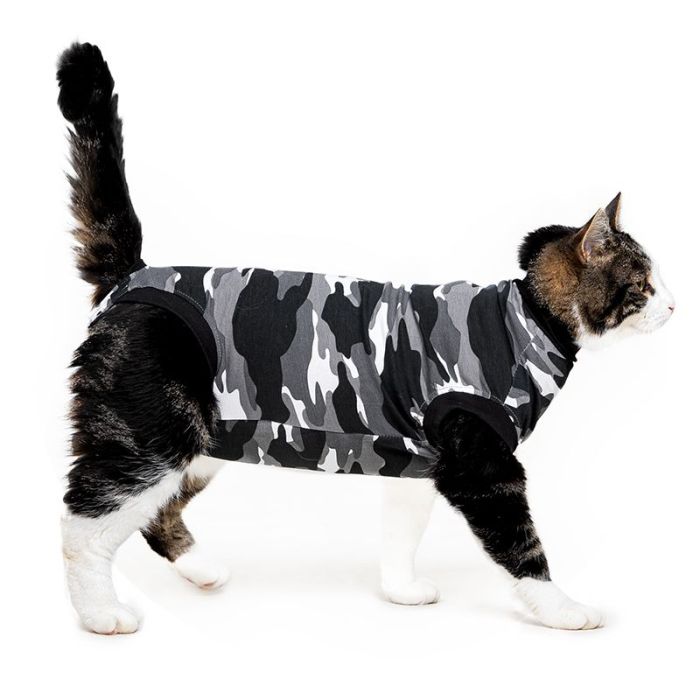
Recovery suits function as a full-body barrier, covering the cat’s torso and preventing them from reaching wounds or surgical sites. They offer a more comprehensive solution than collars, particularly for injuries located on the abdomen, legs, or paws. The suit essentially acts as a protective garment, allowing the cat to move more freely while preventing self-trauma.
Recovery suits are typically constructed from soft, stretchy fabrics like cotton or spandex blends. They often feature Velcro closures for easy application and removal. Some suits include sleeves or leg openings to provide additional protection. The design aims to be comfortable and non-restrictive, allowing the cat to maintain a reasonable range of motion.
Recovery suits are particularly effective for abdominal wounds, leg injuries, and paw injuries. They can also be helpful for cats with skin conditions affecting the torso. However, they may not be suitable for neck injuries or areas around the head. Proper fitting is crucial for effectiveness; a suit that is too loose will not provide adequate protection, while a suit that is too tight can be uncomfortable and restrict movement.
| Feature | E-Collar | Recovery Suit |
|---|---|---|
| Coverage | Head and neck only | Full body (torso, legs) |
| Comfort | Can be restrictive and uncomfortable | Generally more comfortable and allows for greater mobility |
| Effectiveness | Effective for head and neck injuries | Effective for abdominal, leg, and paw injuries |
| Ease of Use | Relatively easy to apply | Requires careful fitting and may take some practice |
Fitting a recovery suit properly requires careful attention to detail. Measure your cat’s chest girth and length to ensure you select the correct size. The suit should fit snugly but not restrict movement. Pay particular attention to the leg openings and ensure they are not too tight. Consult the manufacturer’s sizing guide for specific instructions.
Closing Summary
Navigating post-operative or injury recovery for your cat can feel overwhelming, especially when dealing with the challenges of an E-collar. We’ve covered a wide spectrum of cat cone alternatives, from simple fabric covers to specialized recovery suits and even behavioral modification techniques. Remember, the ideal solution is one that effectively protects the injury while minimizing stress and allowing your cat to maintain a reasonable quality of life.
Always consult with your veterinarian to determine the best course of action and to monitor your cat’s progress throughout their recovery journey – their expertise is invaluable!
Ultimately, finding the right cat cone alternative is about prioritizing your cat’s well-being and working collaboratively with your vet to ensure a smooth and comfortable healing process. With careful consideration and proactive management, you can help your furry friend recover quickly and happily.
Answers to Common Questions
Can I use a baby sock on my cat’s paw instead of a bandage?
While a baby sock
-might* work for very minor scrapes, it’s generally not a substitute for a proper bandage. Socks lack the necessary support and adhesion to protect surgical sites or prevent excessive licking. Always consult your vet first.
How often should I change a fabric cover on an E-collar?
Change the fabric cover daily, or more frequently if it becomes soiled or wet. Regular cleaning helps prevent bacterial growth and skin irritation.
Are recovery suits safe for cats who like to scratch?
Recovery suits can be problematic for cats who are avid scratchers, as they can damage the fabric and potentially ingest the material. Monitor your cat closely and consider alternatives if scratching is an issue.
What if my cat manages to remove the alternative, even with supervision?
If your cat consistently removes the alternative, it’s crucial to contact your veterinarian. They may need to prescribe a more secure option or adjust the recovery plan.
Can I use essential oils on a fabric cover to calm my cat?
No! Essential oils can be toxic to cats. Avoid using them on or near any recovery item. Focus on creating a calm environment through other means, like providing a quiet space and gentle interaction.
How do I know if my cat has a pressure sore from a collar alternative?
Look for redness, hair loss, or sores on the skin where the alternative makes contact with the cat’s body. If you notice any of these signs, discontinue use and consult your vet immediately.

