Bringing a kitten home is an incredibly exciting time, but it can also feel a little overwhelming! There’s so much to learn about these tiny bundles of energy, from their rapid development to their quirky behaviors. This guide dives into everything you need to know about kitten care, covering everything from nutrition and health to playtime and creating a safe, enriching environment.
We’ll unpack the key stages of kittenhood, common concerns, and how to best support your new furry friend as they grow into a confident and happy cat.




Understanding your kitten’s needs is the foundation of a strong bond. We’ll explore how their environment shapes their development, what to feed them for optimal health, and how to recognize and address potential health issues. Plus, we’ll decode their adorable vocalizations and provide tips for successful training and socialization.
Kitten Care: A Comprehensive Guide for New Owners
Bringing a kitten home is an incredibly exciting time! Those tiny paws, playful antics, and adorable purrs are sure to fill your life with joy. But along with the cuddles comes responsibility. This guide will walk you through everything you need to know to ensure your kitten thrives, from their early development to creating a safe and enriching environment. Let’s dive in!
Kitten Development Stages
A kitten’s first six months are a period of rapid growth and change. Understanding these developmental milestones is key to providing the right care and support. It’s a fascinating journey to witness!
- Birth to 2 Weeks: This is the neonatal stage. Kittens are completely dependent on their mother for warmth, feeding, and stimulation to eliminate waste. Their eyes and ears are closed, and they rely on scent to find their mother.
- 2 to 4 Weeks: Eyes and ears begin to open. Kittens start to explore their surroundings, albeit clumsily. They begin to socialize with littermates, learning important skills through play.
- 4 to 8 Weeks: Weaning begins, and kittens start to experiment with solid food. Play becomes more intense, and they develop coordination. This is a crucial socialization period – exposure to different sights, sounds, and people is vital.
- 8 to 12 Weeks: Kittens are increasingly independent and playful. They refine their hunting skills and continue to learn social boundaries.
- 12 to 6 Months: This is a period of continued growth and development. Kittens become more agile and coordinated, and their personalities fully emerge.
A kitten’s environment significantly impacts its development. A stimulating environment with plenty of toys and opportunities for play promotes healthy physical and mental development. Conversely, a stressful or isolated environment can hinder socialization and lead to behavioral problems.
| Age Range | Physical Development | Behavioral Development | Socialization Needs |
|---|---|---|---|
| Birth – 2 Weeks | Eyes and ears closed, reliant on mother. | Sleeping, feeding, basic reflexes. | Dependent on mother and littermates for warmth and comfort. |
| 2 – 4 Weeks | Eyes and ears opening, increased mobility. | Exploring surroundings, basic play with littermates. | Gentle handling, exposure to quiet sounds. |
| 4 – 8 Weeks | Weaning begins, improved coordination. | Increased playfulness, developing hunting skills. | Exposure to different people, sights, and sounds. |
| 8 – 6 Months | Rapid growth, increased agility. | Refined hunting skills, established personality. | Continued socialization with pets and people. |
Nutritional Needs of Kittens
Proper nutrition is absolutely essential for a kitten’s healthy growth and development. Their bodies are rapidly changing, and they need a diet specifically formulated to meet their unique needs.
- Essential Nutrients: Kittens require high levels of protein, fat, and specific vitamins and minerals to support bone growth, muscle development, and overall health.
- Wet vs. Dry Food: Wet food has a higher moisture content, which can be beneficial for hydration. It’s often more palatable for kittens. Dry food is more convenient and can help with dental health by scraping plaque off teeth. A combination of both is often ideal.
- Taurine: This is an essential amino acid that cats cannot produce themselves. Deficiency can lead to serious health problems, including blindness and heart disease. Ensure your kitten’s food is supplemented with taurine.
- Other Vital Supplements: Vitamin D, calcium, and phosphorus are crucial for bone development.
Portion sizes vary depending on the kitten’s age and weight. Here’s a general guideline:
- 8-12 Weeks: 1/2 – 3/4 cup of dry food per day, divided into 3-4 meals.
- 3-6 Months: 1/2 – 3/4 cup of dry food per day, divided into 2-3 meals.
- 6-12 Months: Gradually reduce to adult portions as they approach adulthood.
Common Kitten Health Concerns
While kittens are generally resilient, they are also susceptible to certain health issues. Being aware of these concerns and knowing what to look for can help you address them promptly.
- Upper Respiratory Infections (URIs): These are common, often caused by viruses like feline herpesvirus or calicivirus. Symptoms include sneezing, coughing, runny nose, and watery eyes.
- Parasites: Fleas, ticks, and intestinal worms are common in kittens. Regular deworming and flea prevention are essential.
- Feline Ringworm: This is a fungal infection that causes circular patches of hair loss. It’s contagious to humans and other animals.
- Dehydration: Kittens can become dehydrated quickly. Signs include sunken eyes, dry gums, and decreased skin elasticity.
Performing a basic health check regularly can help you identify potential problems early. Gently check your kitten’s gums (they should be pink), eyes (clear and bright), and ears (clean and free of discharge).
Kitten Behavior and Training
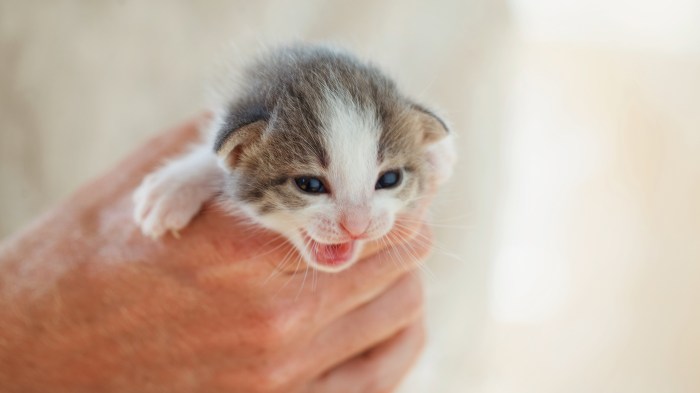
Source: futurecdn.net
Understanding why kittens behave the way they do is the first step to addressing any unwanted behaviors. Remember, they’re still learning!
- Biting and Scratching: These are often play behaviors, but it’s important to redirect your kitten to appropriate toys.
- Pouncing: This is a natural hunting instinct. Provide plenty of toys that encourage pouncing and chasing.
- Litter Box Training: Place the litter box in an accessible location. Reward your kitten for using it.
| Behavior | Possible Cause | Training Solution |
|---|---|---|
| Biting/Scratching | Playfulness, teething, attention-seeking. | Redirect to toys, provide scratching posts, discourage rough play. |
| Litter Box Accidents | Medical issue, stress, litter box aversion. | Rule out medical issues, clean accidents thoroughly, try different litter types. |
| Excessive Meowing | Hunger, boredom, attention-seeking, anxiety. | Ensure adequate food and water, provide enrichment, address anxiety triggers. |
Creating a Safe Kitten Environment
Kittens are curious and adventurous, which means they can easily get into trouble. Kitten-proofing your home is essential to prevent accidents.
- Toxic Plants: Many common houseplants are poisonous to cats. Remove them from your kitten’s reach.
- Small Objects: Kittens can swallow small objects, which can cause choking or intestinal blockages.
- Electrical Cords: Protect electrical cords with cord protectors.
- Cleaning Supplies and Medications: Store these securely out of reach.
Creating vertical space, such as cat trees and shelves, is crucial for kitten enrichment. It allows them to climb, explore, and survey their surroundings, fulfilling their natural instincts.
Kitten Sleep Patterns
Kittens sleep alot* – often 16-20 hours a day! This is because they’re growing rapidly and their bodies need rest to recover from all that playing.
- Light Sleep: Kittens spend a significant portion of their sleep in light sleep, allowing them to wake up quickly to investigate any sounds or movements.
- Deep Sleep: Deep sleep is essential for physical restoration and growth.
Ideal sleeping locations for kittens include warm, safe, and comfortable spots, such as:
- A cozy bed or blanket
- A quiet corner of the house
- A sunny windowsill (but be mindful of overheating)
Kitten Grooming Essentials
Introducing grooming routines early can help your kitten become comfortable with being handled and make it easier to keep them looking and feeling their best.
| Grooming Task | Frequency | Tools Needed |
|---|---|---|
| Brushing | 2-3 times per week | Soft-bristled brush or grooming glove |
| Nail Trimming | Every 2-3 weeks | Kitten nail clippers |
| Ear Cleaning | As needed | Cotton ball and ear cleaning solution (specifically for cats) |
Kitten Play and Enrichment
Interactive play is vital for a kitten’s physical and mental development. It helps them burn energy, develop coordination, and bond with you.
- Wand Toys: These are great for encouraging chasing and pouncing.
- Puzzle Toys: These challenge kittens mentally and provide enrichment.
- Plush Toys: These can become comfort objects and provide opportunities for playful batting.
Laser pointers can be a fun way to engage kittens in play, but use them responsibly. Always end the play session by directing the laser onto a tangible toy so the kitten can “catch” something, preventing frustration.
Understanding Kitten Vocalizations
Kittens communicate through a variety of vocalizations, from soft meows to hisses and growls. Learning to interpret these sounds can help you understand your kitten’s needs and emotions.
- Meows: Can indicate hunger, attention-seeking, or discomfort.
- Purrs: Usually indicate contentment, but can also be a sign of self-soothing when a kitten is stressed or in pain.
- Hisses and Growls: Indicate fear or aggression.
Introducing a Kitten to a New Home
Bringing a kitten home can be a stressful experience for both you and your new furry friend. A gradual introduction is key to minimizing stress and ensuring a smooth transition.
- Create a “Safe Room”: Designate a small, quiet room as your kitten’s safe haven.
- Gradual Introductions: Allow the kitten to explore the safe room before gradually introducing them to other areas of the house.
- Introduce to Other Pets Slowly: Start with scent swapping (e.g., exchanging bedding) before allowing face-to-face interactions.
Here’s a flowchart illustrating the stages of kitten introduction to a new environment:
- Arrival: Kitten arrives and is placed in the safe room.
- Exploration: Kitten explores the safe room, gets comfortable.
- Scent Swapping: Introduce scents from other areas of the house.
- Supervised Exploration: Allow short, supervised visits to other rooms.
- Full Access: Kitten has full access to the house.
Closing Summary
From those sleepy kitten naps to the playful pounces, every stage of kittenhood is a joy to witness. By understanding their developmental milestones, nutritional requirements, and behavioral quirks, you can provide the best possible care and create a loving, stimulating home. Remember, patience and positive reinforcement are key to a well-adjusted and happy kitten. So, embrace the chaos, enjoy the cuddles, and cherish these precious early years – they grow up fast!
With a little knowledge and a lot of love, you’ll be well-equipped to navigate the wonderful world of kitten ownership and build a lifelong friendship with your new companion.
User Queries
How much water should I give my kitten?
Kittens need fresh water available at all times. While it varies, aim for about 5-10 ounces of water per day, especially if they’re eating dry food. Wet food contributes to their hydration too!
What’s the best way to prevent ringworm?
Good hygiene is key! Regularly clean bedding, toys, and litter boxes. Avoid contact with stray animals and wash your hands thoroughly after handling any potentially infected animals.
My kitten bites and scratches – is this normal?
Yes, it’s common kitten behavior, often stemming from play or teething. Redirect their attention with toys, provide appropriate scratching posts, and gently discourage biting with a firm “no” and removing attention.
How can I tell if my kitten is dehydrated?
Check their gums – they should be moist and pink. Gently pinch the skin on their neck; if it doesn’t snap back quickly, they may be dehydrated. Also, look for sunken eyes or decreased urination.
Should I let my kitten play with laser pointers?
While fun, laser pointers can be frustrating for kittens as they never “catch” the light. Use them sparingly and always end the play session with a tangible toy they can “capture” to satisfy their hunting instincts.
How often should I brush my kitten?
Even short-haired kittens benefit from regular brushing, ideally a few times a week. This helps prevent mats, reduces hairballs, and strengthens the bond between you and your kitten.