Thinking about welcoming an American Shorthair into your life? These charming, adaptable cats are known for their affectionate personalities and relatively low-maintenance grooming needs. But before you bring one home, it’s essential to understand the full picture of American shorthair cost – from the initial purchase to ongoing expenses and potential vet bills. This guide breaks down everything you need to know to budget effectively and ensure a happy, healthy life for your new feline friend.
We’ll explore the varying costs of acquiring an American Shorthair, whether you choose a reputable breeder or a loving shelter. Beyond the initial price tag, we’ll delve into the recurring expenses like food, litter, vet care, and enrichment, plus the unexpected costs that can arise. Understanding these factors upfront will help you prepare financially and provide the best possible care for your American Shorthair.

The True Cost of Owning an American Shorthair
Bringing a new pet into your home is a big decision, and it’s not just about the initial excitement. Understanding the financial commitment involved is crucial to ensuring you can provide a happy and healthy life for your furry friend. This article breaks down all the costs associated with owning an American Shorthair, from the initial purchase to ongoing expenses and potential unexpected vet bills.
We’ll cover everything you need to know to budget effectively and be prepared for the joys (and expenses!) of American Shorthair ownership.
Initial Purchase Price of an American Shorthair
The price of an American Shorthair kitten can vary significantly depending on several factors. Generally, you can expect to pay anywhere from $800 to $2500 for a kitten from a reputable breeder. Adopting from a shelter or rescue is a much more affordable option, typically ranging from $50 to $200. Let’s delve into the specifics.Kittens from reputable breeders command higher prices due to the investment they make in health testing, socialization, and quality care.
Pedigree, color, and the breeder’s reputation all play a role. Rare or desirable colors (like copper-eyed whites) can significantly increase the price. Breeders with a long history of producing healthy, well-tempered kittens will naturally charge more. Location also impacts price; areas with higher costs of living tend to have higher pet prices. Adoption fees, on the other hand, are designed to cover basic care and help support the shelter’s operations.Here’s a table summarizing the typical price ranges:
| Breeder | Shelter/Rescue | Price Range (USD) |
|---|---|---|
| Reputable Breeder | Shelter/Rescue Organization | $800 – $2500 |
Breeder Costs: What Makes Them Higher?
The higher price tag associated with purchasing a kitten from a reputable breeder isn’t arbitrary. Breeders incur significant expenses to ensure the health and well-being of their cats and kittens. These costs are factored into the kitten’s price.Breeders invest heavily in health testing their breeding cats to minimize the risk of passing on genetic diseases. Testing for Hypertrophic Cardiomyopathy (HCM) and Polycystic Kidney Disease (PKD) is particularly important in American Shorthairs.
The results of these tests provide peace of mind to potential owners and demonstrate the breeder’s commitment to responsible breeding practices. A kitten’s pedigree and show quality also influence its price. Kittens with champion bloodlines or those exhibiting exceptional conformation (physical characteristics) are typically more expensive.Here’s a list of common health tests performed on breeding cats:
- HCM Screening (Echocardiogram)
- PKD Screening (DNA Test or Ultrasound)
- FeLV/FIV Testing
- PRA-b Testing (Progressive Retinal Atrophy)
- Hip Dysplasia Evaluation
- Thyroid Testing
Adoption Fees: Shelter and Rescue Considerations
Source: hepper.com
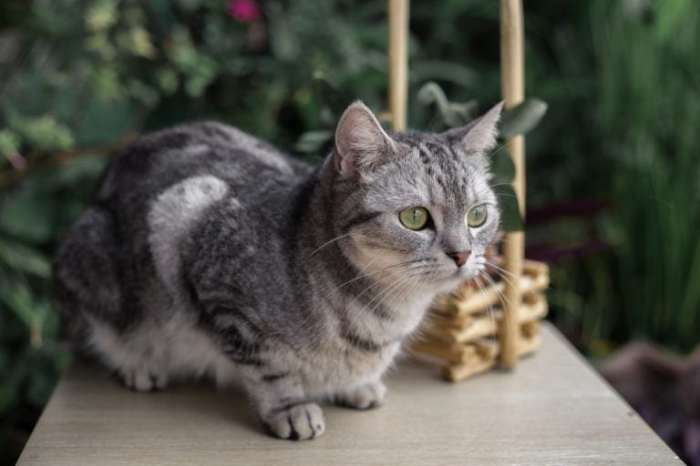
Adopting an American Shorthair from a shelter or rescue organization is a wonderful way to give a deserving cat a loving home. Adoption fees are generally much lower than purchasing from a breeder, but they still contribute to the vital work of these organizations.Typically, adoption fees cover essential services such as spaying/neutering, initial vaccinations, and microchipping. This represents a significant value, as these services would cost hundreds of dollars if obtained separately.
Adoption fees are a fraction of the cost of buying from a breeder, often ranging from $50 to $200. However, some shelters may charge additional fees, such as application fees (to cover administrative costs) or home visit fees (to ensure a safe and suitable environment for the cat). It’s important to inquire about all potential fees upfront. The fees collected directly support the shelter’s operational costs, including food, shelter, medical care, and staff salaries.
Ongoing Expenses: Annual Costs of Ownership
Beyond the initial purchase or adoption fee, owning an American Shorthair involves ongoing expenses. These costs can add up quickly, so it’s essential to budget accordingly. The good news is that American Shorthairs are generally healthy and don’t have exceptionally high maintenance needs.Annual expenses include food, litter, vet care, toys, and grooming. Food costs vary depending on the type and quality of food you choose.
Litter costs depend on the type of litter you prefer. Vet care includes annual checkups and vaccinations. Toys are essential for keeping your cat entertained and stimulated. Grooming is relatively minimal for American Shorthairs, but occasional brushing and nail trimming are necessary.Here’s a table outlining estimated annual costs:
| Expense Category | Low Estimate (USD/Year) | Medium Estimate (USD/Year) | High Estimate (USD/Year) |
|---|---|---|---|
| Food | $300 | $600 | $1000+ |
| Litter | $150 | $300 | $500+ |
| Vet Care | $150 | $300 | $600+ |
| Toys & Enrichment | $50 | $150 | $300+ |
Veterinary Care: Potential Unexpected Costs
While American Shorthairs are generally healthy, they are prone to certain health issues, such as dental problems, obesity, and Hypertrophic Cardiomyopathy (HCM). These conditions can lead to unexpected veterinary expenses.Dental problems are common in cats, and regular dental cleanings are essential for preventing serious health issues. Obesity can be managed through diet and exercise, but it can also lead to other health problems.
HCM is a heart condition that can require lifelong medication or even surgery. The costs associated with diagnosing and treating these conditions can range from a few hundred dollars for minor issues to several thousand dollars for more serious problems. Pet insurance can help offset these costs.
Regular dental cleanings are crucial for American Shorthairs, helping to prevent periodontal disease, tooth loss, and systemic infections. Investing in preventative dental care can save you significant money and heartache in the long run.
Food and Litter: Budgeting for Essentials
Food and litter are two of the most significant ongoing expenses for American Shorthair owners. Choosing the right products and implementing smart budgeting strategies can help you save money.Litter options include clay, clumping, crystal, and wood. Clay litter is the most affordable but can be dusty. Clumping litter is more convenient but generally more expensive. Crystal litter is absorbent and low-dust but can be pricey.
Wood litter is eco-friendly and can be a good option for cats with allergies. Food costs are influenced by quality, brand, and quantity. High-quality cat food is generally more expensive but can provide better nutrition.Strategies for minimizing expenses include buying in bulk, exploring DIY litter options (with caution and research), and comparing prices from different retailers.Here’s a list of recommended cat food brands, categorized by price point:
- Budget: Purina Cat Chow, Friskies
- Mid-Range: Blue Buffalo, Wellness Complete Health
- Premium: Royal Canin, Hill’s Science Diet
Grooming and Toys: Maintaining a Happy Cat
American Shorthairs have relatively low grooming needs, but regular brushing and nail trimming are still important for maintaining their health and happiness.Brushing helps to remove loose fur and prevent mats. Nail trimming prevents overgrown nails from causing discomfort or injury. Professional grooming services, such as bathing and nail trimming, can cost between $30 and $75 per session. Providing a variety of toys is essential for keeping your American Shorthair entertained and stimulated.
Interactive toys, puzzle toys, and plush toys are all good options.Here’s a table outlining grooming item costs:
| Grooming Item | Frequency | Estimated Cost (USD) |
|---|---|---|
| Brush | Weekly | $10 – $30 |
| Nail Clippers | Every 2-3 Weeks | $5 – $20 |
| Professional Grooming | Occasionally (Optional) | $30 – $75 |
Location-Based Cost Variations
The cost of owning a pet, including an American Shorthair, can vary significantly depending on your location. Areas with a higher cost of living generally have higher pet-related expenses.Veterinary care costs tend to be higher in urban areas compared to rural areas. Breeder prices can also vary based on geographic location, with breeders in major cities often charging more.Here’s a textual description of a map illustrating potential cost variations across different US states:”Imagine a map of the United States.
States along the East and West Coasts (California, New York, Massachusetts) are shaded a darker color, indicating higher overall pet ownership costs. The Midwest (Ohio, Indiana, Illinois) and Southern states (Georgia, Alabama, Mississippi) are shaded a lighter color, representing lower costs. Mountain states (Colorado, Wyoming) show moderate costs, influenced by both urban and rural factors.”
Insurance Costs: Protecting Your Investment
Pet insurance can provide financial protection against unexpected veterinary expenses. There are different types of coverage available, including accident-only, accident and illness, and wellness plans.Premiums are influenced by factors such as your cat’s age, breed, and location. While pet insurance adds an additional monthly expense (typically ranging from $20 to $80 per month), it can save you significant money in the event of a serious illness or injury.Here’s a list of pros and cons of pet insurance:
- Pros: Financial protection against unexpected vet bills, peace of mind, access to better care.
- Cons: Monthly premiums, potential deductibles and co-pays, limitations on coverage.
Furnishing Your Home for an American Shorthair
Creating a comfortable and stimulating environment for your American Shorthair requires some initial investment in furniture and supplies.Essential cat furniture includes scratching posts, cat trees, and comfortable beds. Scratching posts are crucial for satisfying your cat’s natural scratching instincts and protecting your furniture. Cat trees provide vertical space for climbing and exploring. Cat-proofing your home is also important, which may involve covering electrical cords and securing windows.
Cat-friendly plants can add a touch of greenery to your home while providing a safe and enriching environment for your cat.Here’s a table outlining estimated costs:
| Item | Estimated Cost (USD) |
|---|---|
| Scratching Post | $20 – $100 |
| Cat Tree | $50 – $300+ |
| Cat Bed | $15 – $50 |
| Cat-Friendly Plant (e.g., Catnip) | $5 – $20 |
Last Recap
Ultimately, owning an American Shorthair is a rewarding experience, but it’s one that requires careful financial planning. From the initial investment in a kitten or adoption fee to the ongoing costs of food, vet care, and toys, there’s a lot to consider. By understanding these expenses and budgeting accordingly, you can ensure that your American Shorthair enjoys a long, happy, and healthy life – and that you can comfortably provide for their needs without any financial surprises.
Remember, the cost of owning a pet is an investment in their well-being and your companionship. With a little research and planning, you can be prepared to welcome an American Shorthair into your home and enjoy years of feline friendship.
FAQ Summary
What’s the difference in cost between buying from a breeder and adopting?
Kittens from reputable breeders typically range from $800 to $2000+, while adoption fees from shelters or rescues are usually between $75 and $200. Adoption is significantly more affordable and helps a cat in need!
Do male or female American Shorthairs cost more?
Generally, there’s no significant price difference based on gender. However, show-quality or breeding-potential cats (regardless of gender) will command a higher price.
What’s the average lifespan of an American Shorthair, and how does that impact long-term costs?
American Shorthairs typically live 15-20 years, so you’ll need to budget for their care over a considerable period. Factor in potential age-related health issues and increased vet costs as they get older.
Is it cheaper to buy dry or wet cat food?
Dry food is generally more cost-effective per serving than wet food. However, wet food can be beneficial for hydration and may be necessary for cats with certain health conditions.
What are some ways to save money on litter?
Buying litter in bulk, switching to a more affordable type (like clay or wood), or even exploring DIY litter options (like shredded paper) can help reduce litter expenses.
Should I get pet insurance for my American Shorthair?
Pet insurance can be a worthwhile investment, especially considering the potential for costly health issues like HCM or dental problems. Compare different plans and premiums to find the best fit for your budget.
How much does it typically cost to cat-proof a home?
Cat-proofing costs can vary widely, from a few dollars for cord protectors to hundreds for secure window screens and specialized cat furniture. A reasonable estimate is $50-$200, depending on your home and your cat’s behavior.

