Finding the Best Moist Kitten Food for a Happy, Healthy Start

Bringing a new kitten home is such a joy! But figuring out what to feed them can feel a little overwhelming. Kittenhood is a crucial time for growth and development, and proper nutrition is absolutely key. We’re diving deep into the world of moist kitten food – why it’s so important, what to look for, and which brands consistently get top marks.
Forget dry kibble for now; let’s explore how to give your little one the delicious and nutritious boost they need!
Moist kitten food offers a fantastic way to ensure your growing feline gets enough hydration, which is especially important for preventing urinary issues. Beyond just water content, the right ingredients can support everything from healthy vision to a strong heart. We’ll break down the nutritional needs of kittens at different ages, explore the various textures available, and compare some of the most popular brands to help you make the best choice for your furry friend.
Choosing the Best Moist Kitten Food: A Guide for Happy, Healthy Kittens
Bringing a new kitten into your home is an incredibly rewarding experience. Alongside cuddles and playtime, ensuring your little one gets the right nutrition is paramount for their growth and development. While dry kibble is a convenient option, moist kitten food offers a boost of hydration and often a more palatable experience for picky eaters. This guide will walk you through everything you need to know about selecting the best moist kitten food, from understanding their nutritional needs to navigating different brands and textures.
Kittens have unique nutritional requirements that differ significantly from adult cats. Their bodies are rapidly developing, requiring a concentrated source of nutrients to support bone growth, muscle development, and a strong immune system. Choosing the right moist food can be a key factor in ensuring your kitten thrives.
Understanding Kitten Nutritional Needs
A kitten’s diet needs to be carefully balanced to provide all the essential building blocks for a healthy life. Let’s break down the key nutrients:
- Protein: Crucial for muscle development and overall growth. Kittens need a higher percentage of protein than adult cats, typically around 30-40%.
- Fat: Provides energy and supports brain development. Look for foods with a moderate fat content (around 15-20%).
- Carbohydrates: While not as essential as protein and fat, carbohydrates provide energy and fiber. Easily digestible sources like rice and oats are preferred.
- Vitamins & Minerals: Essential for various bodily functions, including immune support, bone health, and vision. Look for foods fortified with Vitamin A, D, E, B vitamins, calcium, and phosphorus.
Moisture content is particularly important for kittens. They have a lower thirst drive than adult cats and often don’t drink enough water. Moist food helps keep them hydrated, which is vital for kidney function and overall health. A good quality moist kitten food should have a moisture content of at least 75%.
Nutritional needs change as kittens grow. Between 6-12 weeks, they require a diet rich in protein and fat to support rapid growth. As they transition to 3-6 months, their needs slightly shift, with a focus on maintaining healthy growth and developing a strong immune system. A gradual adjustment in portion sizes is key during this period.
Taurine is an essential amino acid that kittens cannot produce on their own. It’s crucial for healthy vision and heart function. A deficiency can lead to serious health problems, including blindness and heart disease. Ensure the kitten food you choose is supplemented with taurine.
Types of Moist Kitten Food
Moist kitten food comes in various forms, each with its own advantages and disadvantages. Understanding these differences can help you choose the best option for your kitten’s preferences and your lifestyle.
- Pouches: Convenient and often perceived as fresher due to the smaller portion size. They’re ideal for single kittens or those who don’t eat large amounts.
- Cans: Available in various sizes (3oz, 5.5oz, 12oz), offering flexibility in portion control. Larger cans are more economical for multi-kitten households.
- Refrigerated Options: Often made with human-grade ingredients and offer a very fresh, appealing aroma. However, they typically have a shorter shelf life and can be more expensive.
The convenience of pouches is undeniable, but the cost per serving can be higher. Cans offer better value, especially in larger sizes, but require more storage space. Refrigerated options prioritize freshness but demand careful handling and timely consumption. Consider your budget, storage space, and your kitten’s eating habits when making your choice.
| Texture | Description | Pros | Cons |
|---|---|---|---|
| Pate | Smooth, uniform consistency | Easy to eat, good for sensitive teeth, often palatable | Can be less appealing to some kittens, may feel monotonous |
| Minced | Small, finely ground pieces | Easier digestion, palatable, good for kittens with dental issues | May lack texture, can be less stimulating |
| Chunks in Gravy | Larger pieces in a liquid sauce | More appealing texture, hydrating, can be more stimulating | Can be messier, gravy can be high in sodium |
Ingredient quality significantly impacts the nutritional value of moist kitten food. Look for foods with named meat sources (e.g., chicken, turkey, salmon) as the primary ingredient, rather than generic “meat by-products.” Avoid foods with excessive fillers, artificial colors, and preservatives.
Top Contenders: Examining Popular Brands
Navigating the vast selection of kitten food brands can be overwhelming. Here’s a closer look at some popular choices:
Purina Fancy Feast Kitten
Fancy Feast Kitten is a widely available and affordable option. Its ingredients typically include chicken, liver, and fish broth. The nutritional profile boasts around 36% protein, 12% fat, and a high moisture content of 82%. While palatable, some concerns exist regarding the use of by-products and artificial additives in certain formulations.
Royal Canin Kitten
Royal Canin Kitten is known for its breed-specific formulas, catering to the unique needs of different kitten breeds. It generally contains chicken, rice, and egg. The nutritional profile is around 38% protein, 14% fat, and 78% moisture. Royal Canin often incorporates specialized nutrients to support specific health concerns, such as digestive health or urinary tract health.
Wellness Complete Health Kitten
Wellness Complete Health Kitten emphasizes natural ingredients and avoids artificial additives. It features dehydrated chicken and chicken meal as key ingredients. The nutritional profile is approximately 38% protein, 14% fat, and 78% moisture. Wellness focuses on providing a balanced diet with wholesome ingredients.
Blue Buffalo Baby Blue Healthy Growth Kitten food
Blue Buffalo Baby Blue utilizes a “LifeSource Bits” blend of antioxidants, vitamins, and minerals. Key ingredients include dehydrated chicken and chicken meal. The nutritional profile is around 34% protein, 13% fat, and 78% moisture. Blue Buffalo emphasizes natural ingredients and avoids corn, wheat, and soy.
| Brand | Key Ingredients | Protein % | Fat % | Moisture % |
|---|---|---|---|---|
| Fancy Feast Kitten | Chicken, Liver, Fish Broth | 36% | 12% | 82% |
| Royal Canin Kitten | Chicken, Rice, Egg | 38% | 14% | 78% |
| Wellness Complete Health Kitten | Dehydrated Chicken, Chicken Meal | 38% | 14% | 78% |
| Blue Buffalo Baby Blue | Dehydrated Chicken, Chicken Meal | 34% | 13% | 78% |
Ingredient Spotlight: What to Look For & Avoid
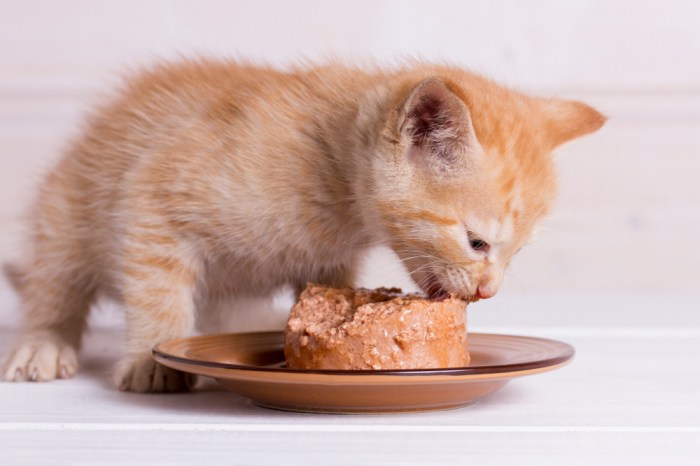
Source: catster.com
Understanding ingredient labels is crucial for making informed choices. Here’s a breakdown of beneficial and potentially harmful ingredients:
- Good Protein Sources: Chicken, turkey, fish (salmon, tuna), and eggs are excellent sources of protein for kittens.
- Easily Digestible Carbohydrates: Rice and oats provide energy without causing digestive upset.
- Essential Vitamins & Minerals: Vitamin A supports vision, Vitamin D aids calcium absorption, Vitamin E acts as an antioxidant, B vitamins support metabolism, calcium and phosphorus are vital for bone development.
- Ingredients to Avoid: Artificial colors, flavors, and preservatives can be detrimental to a kitten’s health. Excessive amounts of fillers like corn and wheat should also be avoided.
Common allergens in kitten food include beef, dairy, and soy. If your kitten exhibits signs of food sensitivities (e.g., itching, vomiting, diarrhea), consult with your veterinarian to identify potential allergens and consider a limited-ingredient diet.
Feeding Guidelines & Portion Control
Proper portion control is essential for maintaining a healthy weight and preventing overfeeding. The appropriate daily caloric intake for a kitten varies based on age and weight. A general guideline is around 20-25 calories per pound of body weight.
- 6-8 weeks: 1/2 can twice daily
- 8-12 weeks: 1/2 – 3/4 can twice daily
- 3-6 months: 3/4 – 1 can twice daily
Always provide fresh, clean water at all times. Kittens should have constant access to hydration. When transitioning to a new moist food, do so gradually over 5-7 days, mixing increasing amounts of the new food with the old food to avoid digestive upset.
Special Considerations: Kitten Health & Dietary Needs
Certain kittens may require specific dietary adjustments. Kittens with sensitive stomachs benefit from gentle ingredients and smaller, more frequent meals. Orphaned kittens or those requiring supplemental feeding may need specialized formulas to ensure proper growth and development. A balanced diet is crucial for kittens prone to urinary tract issues, often involving controlled mineral levels. Signs of food allergies or intolerances include persistent vomiting, diarrhea, skin irritation, and excessive scratching.
Feeding kittens with sensitive stomachs requires gentle ingredients and smaller, more frequent meals. Orphaned kittens may need specialized formulas to ensure proper growth and development. Always consult with a veterinarian for personalized dietary recommendations.
Storage & Shelf Life
Proper storage is essential for maintaining the quality and safety of moist kitten food. Unopened cans and pouches should be stored in a cool, dry place. Once opened, cans should be transferred to an airtight container and refrigerated promptly. Pouches should be tightly sealed after each use.
Moist kitten food typically has a shelf life of 1-2 years when unopened. After opening, it should be consumed within 2-3 days. Always check the expiration date and assess the food for any signs of spoilage (e.g., unusual odor, discoloration) before feeding it to your kitten.
Feeding expired or spoiled kitten food can lead to food poisoning and other health problems. It’s always better to err on the side of caution and discard any food that appears questionable.
Imagine a visual guide: A sealed can sits in a cool, dry pantry. An opened can is covered with a lid and stored in the refrigerator. A pouch is tightly sealed with a clip after being opened, ensuring freshness and preventing spoilage.
Last Recap
Ultimately, choosing the best moist kitten food is about understanding your kitten’s individual needs and preferences. From the essential nutrients they require to the textures they find most appealing, there’s a perfect option out there. Remember to always read labels carefully, prioritize high-quality ingredients, and consult with your veterinarian if you have any concerns. With a little research and the right food, you can set your kitten up for a lifetime of health and happiness!
Don’t be afraid to experiment a bit to find what your kitten loves – a happy, well-fed kitten is a happy kitten owner! And remember, fresh water should always be available alongside their meals. Cheers to raising a thriving little feline!
Top FAQs
Why is moisture so important in kitten food?
Kittens don’t naturally drink a lot of water, so moist food helps them stay hydrated, which is vital for kidney health and preventing urinary tract problems.
What’s the difference between pate, minced, and chunks in gravy?
Pate is smooth, good for sensitive teeth. Minced is easy to digest. Chunks in gravy offer a more appealing texture but can be messier.
How much moist food should I feed my kitten?
It depends on their age and weight. Generally, 6-8 weeks need 1/2 can twice daily, 8-12 weeks need 1/2 – 3/4 can twice daily, and 3-6 months need 3/4 – 1 can twice daily. Always check the product label for specific recommendations.
Can I mix wet and dry kitten food?
Yes, but transition slowly to avoid digestive upset. Start by mixing a small amount of wet food into their dry food and gradually increase the ratio.
How long can I store opened cans of kitten food?
Opened cans should be refrigerated in an airtight container and used within 1-2 days.
What are some common kitten food allergens?
Common allergens include beef, fish, chicken, and dairy. Watch for signs like itching, vomiting, or diarrhea.
My kitten refuses to eat the moist food I bought. What should I do?
Try warming the food slightly, adding a little water to make it more appealing, or offering a different flavor or texture. Sometimes, a little patience is all it takes!
