That dreaded cone – the Elizabethan collar – is a common sight when a cat is recovering from an injury or surgery. While essential for preventing licking and scratching, it can be incredibly frustrating for both the cat and their owner. The cone restricts movement, makes eating and drinking difficult, and can seriously impact a cat’s mood. Thankfully, there are several effective and more comfortable alternatives available.
This guide explores those options, from soft collars and recovery suits to DIY solutions, helping you find the best fit for your feline friend’s needs and ensuring a smoother recovery.
We’ll dive into the pros and cons of each alternative, considering factors like durability, breathability, ease of use, and suitability for different types of injuries. You’ll learn about materials, sizing, and even how to craft a temporary solution if needed. Ultimately, the goal is to provide your cat with the protection they need while minimizing stress and maximizing their quality of life during the healing process.
Alternatives to the Cone for Cats: A Guide to Comfortable Recovery
We all want our feline friends to heal quickly and comfortably. When a vet prescribes an Elizabethan collar (cone), it’s often with good reason – to prevent licking, scratching, or chewing at a wound. But let’s be honest, those cones are notoriously unpopular with cats (and their owners!). They’re bulky, restrictive, and can seriously impact a cat’s quality of life.
This guide explores a range of alternatives to the traditional cone, focusing on comfort, effectiveness, and ease of use, so you can help your cat recover without the cone-induced misery.
Finding the right solution depends on the type of injury, your cat’s personality, and your budget. Let’s dive in!
Understanding the Cone & Its Purpose
The Elizabethan collar, or “cone of shame” as it’s affectionately (and sometimes not-so-affectionately) known, is a mainstay in veterinary medicine. It’s designed to prevent a cat from accessing an injury, allowing it to heal properly. Without it, a cat’s natural grooming instincts can quickly undo the healing process, leading to infection, inflammation, and prolonged recovery.
Materials Used in Cat Cones
Traditional cat cones are typically made from rigid plastic, often polypropylene. This material is durable, easy to clean, and relatively inexpensive. Some cones also incorporate a foam padding around the edge to provide a bit more comfort, though this doesn’t always solve the problem of restriction. You’ll also find softer, flexible cones made from materials like vinyl or rubber, but these often lack the rigidity needed to effectively prevent access to wounds.
Reasons Veterinarians Prescribe Cones
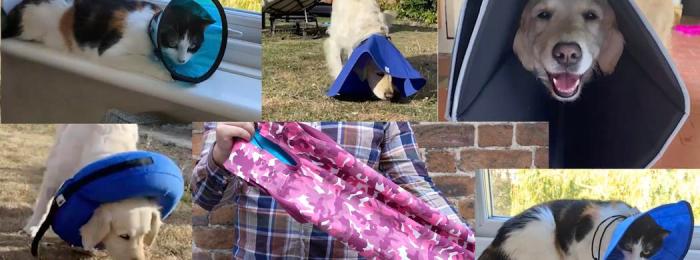
Source: storyblok.com
Vets prescribe cones for a wide range of reasons, including post-surgical recovery, skin allergies, hot spots, wounds, and even after certain dental procedures. The primary goal is to prevent self-trauma, which can significantly delay healing and increase the risk of complications. A cone ensures the cat can’t lick, scratch, bite, or rub the affected area.
Common Frustrations with Traditional Cones
Cat owners often find traditional cones incredibly frustrating. They can obstruct a cat’s vision, making it difficult to navigate their surroundings and eat or drink. They can also interfere with sleep, leading to stress and anxiety. Many cats become withdrawn and depressed while wearing a cone, and some even experience increased aggression due to their discomfort and frustration.
Behaviors Cones Prevent
Cones are designed to prevent a variety of behaviors that can hinder healing. These include:
- Licking: A cat’s saliva contains enzymes that can irritate wounds and prevent clotting.
- Scratching: Scratching can reopen wounds and introduce bacteria.
- Biting: Biting at a wound can cause significant damage and infection.
- Rubbing: Rubbing against furniture or other objects can irritate the wound and delay healing.
- Chewing: Chewing can damage sutures and introduce bacteria.
Soft E-Collars: A Gentle Alternative
Soft E-collars offer a more comfortable alternative to the rigid plastic cone. While they may not provide the same level of complete restriction, they can be effective for many cats, especially those with minor injuries or those who are prone to anxiety. The key difference lies in the flexibility and reduced visual obstruction.
Comparing Soft E-Collars and Traditional Cones
Unlike the rigid plastic cone, soft E-collars allow for a greater range of motion and don’t obstruct the cat’s vision as much. This can significantly reduce stress and anxiety. However, a determined cat might be able to maneuver around a soft collar, especially if the wound is in a readily accessible location. The effectiveness of a soft collar depends heavily on the cat’s personality and the severity of the injury.
Designs of Soft E-Collars
Soft E-collars come in various designs to suit different cats and situations:
- Inflatable Collars: These collars are filled with air and provide a gentle barrier around the neck.
- Fabric Collars: Made from soft, breathable fabric, these collars offer a comfortable and lightweight option.
- Mesh Collars: Mesh collars are breathable and allow for good airflow, making them suitable for warmer climates.
Materials Used in Soft E-Collars
The materials used in soft E-collars significantly impact their breathability and durability. Inflatable collars are typically made from PVC or nylon, while fabric collars often use cotton, fleece, or polyester blends. Mesh collars are usually made from nylon or polyester mesh. Breathable materials are crucial to prevent overheating and skin irritation, especially during warmer months.
Soft E-Collar Material Comparison
Here’s a comparison of different soft E-collar materials:
| Material | Durability | Breathability | Ease of Cleaning |
|---|---|---|---|
| Fabric (Cotton/Fleece) | Moderate | High | Machine Washable |
| Mesh (Nylon/Polyester) | Moderate | Very High | Machine Washable |
| Inflatable (PVC/Nylon) | High | Moderate | Wipe Clean |
Recovery Suits & Bodysuits
Recovery suits, also known as bodysuits, offer a unique approach to preventing licking and scratching. Instead of restricting movement around the neck, they cover the entire torso, providing a physical barrier between the cat and the wound.
How Recovery Suits Function
Recovery suits act as a full-body barrier, preventing the cat from reaching the injured area with their tongue or paws. They’re particularly useful for wounds on the body, legs, or tail, where a cone would be ineffective or impractical.
Construction of a Cat Recovery Suit
A typical cat recovery suit is made from a stretchy, breathable fabric like cotton or a cotton blend. It features closures, usually Velcro or snaps, along the belly and back for easy application and removal. Some suits also have a hole for the tail to prevent discomfort and allow for normal elimination.
Advantages and Disadvantages of Recovery Suits
Advantages: Recovery suits allow for greater freedom of movement than cones, reducing stress and anxiety. They’re effective for wounds on the body, legs, and tail. Disadvantages: They can be more expensive than cones. Some cats may initially resist wearing them. They may not be suitable for cats with severe skin allergies or sensitivities to certain fabrics.
Measuring a Cat for a Recovery Suit
Accurate measurements are crucial for a comfortable and effective fit. Here’s a step-by-step guide:
- Neck Circumference: Measure around the base of the neck where the suit will sit.
- Chest Girth: Measure around the widest part of the chest, just behind the front legs.
- Back Length: Measure from the base of the neck to the base of the tail.
- Belly Length: Measure from the chest to the groin.
Consult the manufacturer’s sizing chart, using these measurements to determine the appropriate size.
Conclusion
Navigating post-injury care for your cat can feel overwhelming, but understanding the alternatives to the traditional cone is a huge step in the right direction. Whether you choose a soft E-collar, a recovery suit, or a clever DIY solution, prioritizing your cat’s comfort and well-being is key. Remember to carefully consider the type of injury, your cat’s personality, and the ease of use when making your decision.
With the right approach, you can help your furry companion heal quickly and comfortably, without the frustration of a bulky, restrictive cone.
Don’t hesitate to consult with your veterinarian for personalized recommendations. They can assess your cat’s specific situation and guide you toward the most appropriate and effective solution for a speedy and stress-free recovery.
Clarifying Questions
How do I know if a soft E-collar is effective?
Look for signs that your cat isn’t able to reach the wound. They might seem frustrated initially, but if they’re not constantly trying to lick or scratch, it’s likely working. Monitor closely for escape attempts.
Can I use a recovery suit for a cat who hates wearing anything?
It can be tricky! Introduce the suit slowly, letting your cat sniff and explore it. Pair it with treats and positive reinforcement. If they’re extremely resistant, a different option might be better.
Are medical tapes safe for all cats?
Always use pet-safe medical tape specifically designed for animals. Avoid human tapes, which can contain harmful chemicals. Watch for signs of irritation or allergic reaction.
How long can I use a bandage to protect a wound?
Bandages typically need to be changed every 1-3 days, or sooner if they become wet, soiled, or loose. Consult your vet for specific instructions.
What’s the best way to measure my cat for a recovery suit?
Measure your cat’s neck circumference, chest girth (around the widest part), and back length (from the base of the neck to the base of the tail). Refer to the manufacturer’s sizing chart for accurate measurements.
Can I really make a DIY cone alternative?
Yes, a simple fabric neck cover can work for minor irritations, but it’s crucial to supervise your cat closely and ensure they can’t still reach the wound. It’s a temporary solution only.
What if my cat is extremely anxious while recovering?
Talk to your vet about anxiety-reducing strategies, such as pheromone diffusers or calming supplements. Provide plenty of enrichment and distractions to keep your cat occupied.

