Alternatives to Elizabethan Collar for Cats A Gentle Guide

That dreaded cone – the Elizabethan collar, or E-collar – is a familiar sight for many cat owners. While designed to protect wounds, they can be incredibly stressful for our feline friends, leading to frustration, behavioral changes, and even hindering the healing process. Cats often refuse to eat or drink properly while wearing them, and the constant bumping into things can be quite distressing.
Thankfully, there are several effective and kinder alternatives available to help your cat recover comfortably.
This guide explores a range of options, from soft collars and recovery suits to environmental adjustments and topical deterrents, offering a comprehensive look at how to protect your cat’s wounds without the trauma of a traditional E-collar. We’ll delve into the pros and cons of each, helping you choose the best approach for your cat’s individual needs and personality.
Alternatives to Elizabethan Collars for Cats: A Guide to Comfort and Healing
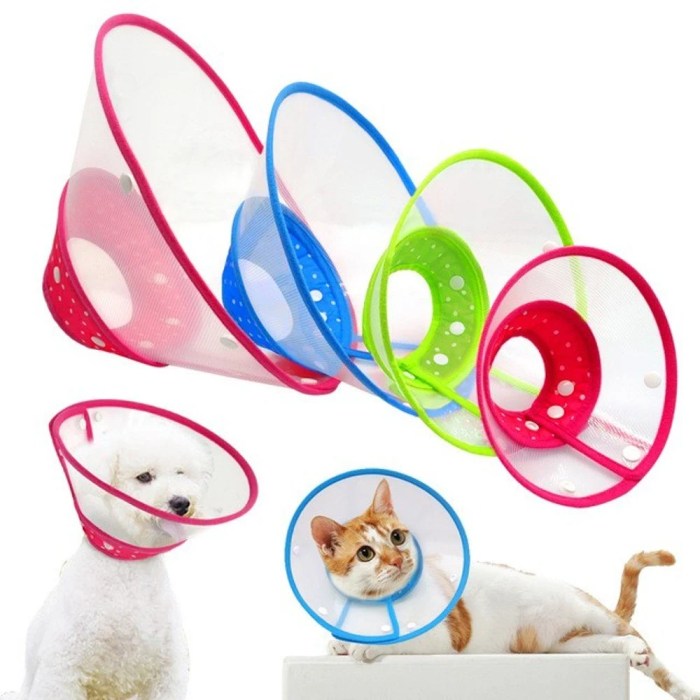
Source: imimg.com
Let’s be honest, the Elizabethan collar, or E-collar, isn’t a cat’s favorite accessory. While designed to protect wounds and prevent licking, they often cause more stress than good. Seeing your feline friend frustrated and miserable while trying to navigate daily life with a cone of shame is tough. This guide explores a range of alternatives to the traditional E-collar, focusing on options that prioritize your cat’s comfort and well-being while still ensuring proper healing.
We’ll delve into everything from soft collars and recovery suits to environmental modifications and topical deterrents, helping you find the best solution for your cat’s specific needs.
The aversion to E-collars is surprisingly common. Studies suggest a significant percentage of cats experience anxiety and behavioral changes when forced to wear them. Some estimates indicate that up to 40% of cats show signs of distress, including decreased appetite, increased hiding, and even aggression. This stress can actually hinder the healing process, as elevated cortisol levels (the stress hormone) can impair immune function.
Finding a suitable alternative isn’t just about making your cat more comfortable; it’s about supporting their recovery and overall health.
Soft E-Collars & Fabric Cones
Traditional plastic E-collars can be bulky and restrictive. Thankfully, there’s a growing market for softer alternatives. These options aim to provide protection while minimizing discomfort and stress. Different types exist, including inflatable collars, fabric cones, and foam collars. Each has its own advantages and disadvantages, and the best choice depends on your cat’s personality and the nature of their wound.
| Material | Pros | Cons | Price Range |
|---|---|---|---|
| Velvet | Soft, comfortable, visually appealing. | May not be durable enough for aggressive lickers, can absorb odors. | $15 – $30 |
| Fleece | Warm, cozy, gentle on the skin. | Similar to velvet, may not withstand determined licking. | $12 – $25 |
| Nylon | Durable, easy to clean, often adjustable. | Can be less comfortable than softer materials, potential for chafing. | $10 – $20 |
| Inflatable | Lightweight, allows for good visibility, doesn’t obstruct movement as much. | Can deflate easily, may not be suitable for cats who rub against furniture. | $18 – $35 |
| Foam | Provides good protection, relatively lightweight. | Can be difficult to clean, may absorb moisture. | $15 – $28 |
Proper fitting is crucial for a soft collar to be effective and comfortable. The collar should extend past the tip of the cat’s nose, preventing access to the wound, but not so far that it obstructs their vision or breathing. Ensure there’s enough space for the cat to eat and drink comfortably. Adjust the collar’s tightness so it’s snug but not constricting.
Observe your cat closely after fitting; signs of discomfort include excessive scratching, rubbing, or attempts to remove the collar.
Soft collars aren’t a universal solution. They are generally
-not* suitable for cats who are persistent and aggressive lickers or biters. In these cases, a more robust barrier, like a recovery suit, might be necessary.
Recovery Suits & Surgical Onesies
Recovery suits, also known as surgical onesies, offer a full-body protective barrier, preventing licking and scratching at wounds. They’re essentially comfortable, stretchy garments that cover the torso and often the legs. This approach eliminates the need for a restrictive collar and allows the cat to move more freely.
To ensure a proper fit, accurate measurements are essential. Here’s a step-by-step guide:
- Neck Girth: Measure the circumference of your cat’s neck where a collar would normally sit.
- Chest Girth: Measure the circumference of your cat’s chest, just behind the front legs.
- Back Length: Measure from the base of the neck to the base of the tail.
- Belly Length: Measure from the chest to the belly.
- Consult the manufacturer’s sizing chart, using these measurements to determine the appropriate size.
Recovery suits come in various styles. Full-body suits offer the most comprehensive protection, while chest-only suits are suitable for smaller wounds. Some suits feature sleeves to prevent leg licking, while others don’t. Consider the location and severity of the wound when choosing a style.
Recovery suits offer several advantages over E-collars. They allow for greater mobility, reduce stress, and often improve appetite. They are particularly beneficial for post-operative care, especially after surgeries involving the abdomen or legs.
Cat Bibs & Neck Sleeves
Cat bibs and neck sleeves provide a less restrictive alternative for minor wounds. These are typically made of soft, stretchy fabric and cover the neck area, preventing access to scratches or small surgical incisions. They are a good option for cats who are generally compliant but need a little extra protection.
Imagine a soft, stretchy fabric tube, snug but not tight, covering the neck and extending just past the jawline, allowing for comfortable movement but preventing access to wounds. The fabric should be breathable and washable, ensuring comfort and hygiene.
Bibs and neck sleeves are most effective for minor scratches, small surgical incisions, or areas where a cat is prone to mild irritation. They are generally
-not* suitable for larger wounds or cats who are persistent and aggressive lickers. The fabric can be easily pulled away or chewed through in these cases.
Head Halters & Gentle Restraint
Head halters, similar to those used for dogs, can be a potential alternative to E-collars, but require a significant commitment to gentle and positive reinforcement training. The goal is to guide the cat’s head and prevent them from reaching the wound without causing stress or discomfort.
Introducing a head halter requires a gradual desensitization process. Start by simply letting the cat sniff the halter, rewarding them with treats and praise. Gradually introduce the halter for short periods, increasing the duration as the cat becomes more comfortable. Never force the halter onto the cat; always associate it with positive experiences.
When choosing a head halter, consider the following:
- Size: The halter should fit snugly but not too tightly, allowing for comfortable breathing and movement.
- Material: Opt for a soft, breathable material that won’t irritate the cat’s skin.
- Adjustability: Ensure the halter is adjustable to accommodate changes in the cat’s size or shape.
- Comfort: Look for a halter with padding or cushioning to minimize pressure points.
Head halters are not suitable for all cats. They require consistent training and may be challenging to introduce to cats who are already anxious or resistant to handling. They also aren’t ideal for cats with respiratory issues.
Environmental Modifications & Management
Sometimes, the best way to prevent licking is to modify the cat’s environment to minimize opportunities for it. This approach focuses on creating a calm and comfortable space that reduces stress and encourages healing.
Consider these environmental changes:
- Separate food/water from litter box: This promotes cleanliness and reduces the risk of contamination.
- Provide comfortable resting areas: Offer soft bedding, quiet corners, and elevated perches where the cat can relax.
- Use pheromone diffusers: Feliway diffusers release synthetic feline pheromones that can help reduce anxiety and promote a sense of calm.
Distraction techniques are also crucial. Interactive toys, puzzle feeders, and short play sessions can keep the cat occupied and prevent them from focusing on the wound. Rotate toys regularly to maintain interest.
Creating a “safe space” is essential. This could be a quiet room or a designated area with comfortable bedding, food, water, and a litter box. Minimize noise and activity in this space to allow the cat to rest and recover undisturbed.
Topical Deterrents & Taste Aversion Products
Topical sprays and gels designed to discourage licking can be a helpful adjunct to other strategies. Products like bitter apple spray and veterinary-approved alternatives contain unpleasant-tasting ingredients that deter cats from licking.
These products work by creating an aversive taste sensation when the cat attempts to lick the wound. While effectiveness varies depending on the cat’s individual preferences, they can be a useful tool for preventing licking in some cases.
Precautions are necessary when using topical deterrents. Avoid contact with the cat’s eyes and mucous membranes. Always test a small area of skin first to check for allergies. Consult with a veterinarian before using any topical product, especially if the cat has sensitive skin or is taking other medications.
DIY Options & Homemade Solutions (with Caution)
Creating homemade alternatives is possible, but
-requires careful consideration and veterinary consultation*. Safety should be the top priority.
Envision a soft, breathable fabric (like cotton flannel) cut and sewn into a tube shape, with an adjustable Velcro closure. The fabric should be washable and non-irritating. This DIY neck cover could offer a simple barrier for minor wounds.
DIY solutions carry risks. Inadequate protection, potential for infection, and irritation from unsuitable materials are all concerns. Always discuss your plans with a veterinarian before attempting to create a homemade alternative.
Avoid these materials when making homemade alternatives:
- Anything with small parts that could be ingested.
- Rough or irritating fabrics.
- Materials that could trap moisture and promote bacterial growth.
- Elastic bands that could constrict circulation.
Combining Strategies: A Multi-faceted Approach
The most effective solution often involves combining several approaches. A tailored strategy that addresses the cat’s individual needs and the nature of the wound is key.
For example, a cat recovering from surgery might benefit from a combination of a soft, inflatable collar during the first few days, combined with a recovery suit to protect the incision. The litter box and food/water bowls could be moved to a quiet corner, and interactive toys used to keep the cat distracted.
Mittens underwent surgery for a small abscess. Her owner used a soft, inflatable collar during the first few days, combined with a recovery suit to protect the incision. The litter box and food/water bowls were moved to a quiet corner, and interactive toys were used to keep her distracted.
Ongoing monitoring and adjustments are essential. Observe the cat’s behavior and the healing progress of the wound. Be prepared to modify the chosen strategy as needed to ensure optimal comfort and healing.
Conclusion
Ultimately, finding the right alternative to an E-collar for your cat is about prioritizing their well-being and promoting a stress-free recovery. Whether it’s a cleverly designed recovery suit, a strategically modified environment, or a combination of techniques, the goal is to allow your cat to heal comfortably and maintain their quality of life. Remember to always consult with your veterinarian to determine the most appropriate solution for your cat’s specific situation and to ensure their safety and successful recovery.
By understanding the various options and tailoring your approach, you can help your furry friend navigate the healing process with dignity and minimal distress, leading to a happier and healthier outcome for everyone.
Q&A
How do I know if a soft E-collar is enough for my cat?
Soft collars are best for cats who are generally well-behaved and don’t aggressively lick or bite at their wounds. If your cat is persistent, a recovery suit or other more secure option is likely needed.
Can I really make a DIY neck cover for my cat?
While possible, DIY solutions should be approached with extreme caution and
-always* discussed with your vet first. Ensuring proper protection and avoiding infection risks are paramount.
What are pheromone diffusers and how do they help?
Pheromone diffusers release synthetic feline facial pheromones, which can create a calming and secure environment, reducing stress and anxiety during recovery.
My cat hates the head halter! Is there anything I can do?
Desensitization is key. Start by simply letting your cat sniff the halter, then gradually introduce it for short periods, rewarding them with treats and praise. Patience and positive reinforcement are essential.
Are topical deterrents safe for all cats?
Not necessarily. Some cats may be allergic to certain ingredients. Always test a small area first and consult your vet before widespread use.
How do I know if my cat is stressed by the recovery method I’ve chosen?
Signs of stress include hiding, loss of appetite, excessive grooming, changes in litter box habits, and aggression. If you notice these, reassess your approach and consult your vet.
What’s the best way to measure my cat for a recovery suit?
Measure the length of your cat’s back from the base of the neck to the base of the tail, the chest girth (around the widest part of the chest), and the neck circumference. Refer to the specific brand’s sizing chart for accurate measurements.
