The American Bobtail cat – with its adorably short, fluffy tail and playful personality – is gaining popularity as a beloved companion. But before you welcome one of these charming felines into your home, understanding the american bobtail cat price is crucial. This guide dives deep into all the factors influencing the cost, from breeder reputation to ongoing care, ensuring you’re prepared for the financial commitment of owning this unique breed.
American Bobtails boast a fascinating history, likely originating from naturally occurring mutations in feral cat populations in the Pacific Northwest. Their distinctive bobbed tail, a result of a dominant gene, is the breed’s defining characteristic. Beyond their looks, they’re known for their dog-like loyalty, intelligence, and affectionate nature, often forming strong bonds with their families and even getting along well with other pets.
Knowing this, let’s explore what you can expect to pay for one of these wonderful cats.
American Bobtail Cats: A Comprehensive Guide to Price and Ownership
Bringing a new cat into your life is a big decision, and understanding the financial commitment involved is crucial. This guide dives deep into the world of American Bobtail cats, exploring everything from their unique characteristics and history to the factors influencing their price and the ongoing costs of ownership. We’ll break down the costs, compare them to similar breeds, and provide practical tips for budgeting, ensuring you’re fully prepared to welcome this charming breed into your home.
Introduction to American Bobtail Cats
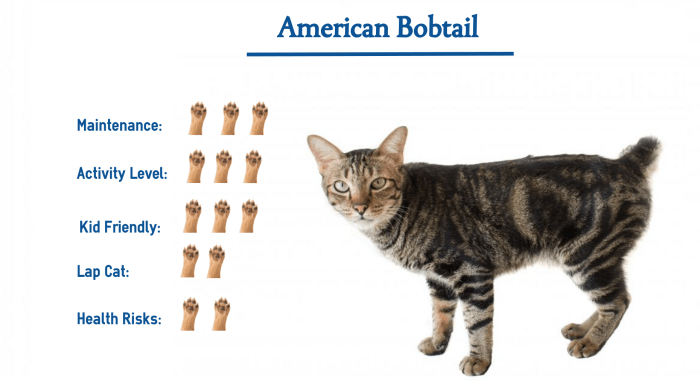
The American Bobtail is a captivating breed instantly recognizable by its distinctive, short, “bobbed” tail. This isn’t a result of a genetic defect; it’s a naturally occurring trait. Beyond the tail, these cats possess a medium build, often described as muscular and agile. Tail length varies significantly, ranging from a mere 1-3 inches to nearly half the length of a standard cat’s tail.
Coat types include both short and longhaired varieties, with a wide array of colors and patterns – everything from solid colors like brown and cream to striking tabby and calico combinations. Eye color is equally diverse, with shades of gold, green, and copper being common. Adult American Bobtails typically weigh between 6 and 11 pounds, making them a medium-sized breed.The breed’s origins are shrouded in a bit of mystery, but the most widely accepted theory points to natural mutations occurring in the Pacific Northwest of the United States, particularly in the state of Oregon, during the 1960s.
These bobtailed cats were likely the result of spontaneous genetic mutations in domestic shorthair populations. Some believe that early ancestors may have included Japanese Bobtails, though this remains unconfirmed. The breed gained recognition in the 1980s, with breeders actively working to establish a consistent breed standard.American Bobtails are known for their affectionate and playful personalities. They’re often described as “dog-like” in their loyalty and willingness to interact with their human families.
They enjoy being involved in household activities and are known to follow their owners from room to room. They generally get along well with children and other pets, including dogs, making them a great choice for multi-pet households. Their intelligence and trainability also make them receptive to games and even basic tricks.
Factors Influencing Price
The price of an American Bobtail cat isn’t a fixed number; it’s influenced by a complex interplay of factors. Understanding these factors can help you make an informed decision when considering purchasing one.A breeder’s reputation and experience play a significant role. Established breeders with a proven track record of producing healthy, well-socialized kittens often command higher prices. Their expertise in genetics, health testing, and kitten care translates to a higher quality animal.
Lineage and pedigree are also crucial. “Show quality” kittens, those meeting the breed standard and potentially suitable for competition, are significantly more expensive than “pet quality” kittens, which are intended as companions. A kitten with a documented pedigree, tracing its ancestry back to champion lines, will also be pricier.Coat color and pattern rarity contribute to the overall cost. Common colors like brown tabby are generally less expensive than rarer colors like chocolate or lilac.
Unique patterns, such as colorpoint or smoke, can also increase the price. Geographic location is another factor. Prices tend to be higher in areas with a lower supply of American Bobtails or a higher demand. Finally, the age of the cat matters. Kittens are almost always more expensive than adult cats.
Price Ranges: Kitten Costs
Here’s a table outlining typical kitten price ranges for American Bobtails. Please note that these are estimates and can vary based on the factors mentioned above.
| Breed | Age | Location | Price Range |
|---|---|---|---|
| American Bobtail | 8-12 weeks | Northeast US | $800 – $2000 |
| American Bobtail | 8-12 weeks | Midwest US | $700 – $1800 |
| American Bobtail | 8-12 weeks | South US | $600 – $1600 |
| American Bobtail | 8-12 weeks | West US | $900 – $2200 |
Price variations are significant based on show potential. Show Quality kittens can range from $1500 to $3500 or more, while Breeding Quality kittens might be priced between $1200 and $2500. Pet Quality kittens typically fall within the $600 – $1200 range. Acquiring a kitten from a reputable breeder involves additional costs, including vaccinations (typically a series of shots), deworming, and a health check by a veterinarian.
Rare or unique coat colors, such as a silver tabby or a dilute calico, can easily push the price upwards, sometimes exceeding $3000.
Price Ranges: Adult Cat Costs
Adult American Bobtails are often less expensive than kittens, typically ranging from $400 to $1200. This is because breeders often prioritize selling kittens and may be more willing to negotiate on the price of an adult cat. Adopting an American Bobtail from a shelter or rescue is a wonderful option, with adoption fees generally ranging from $50 to $200.
However, it’s important to be aware of potential costs associated with adopting an adult cat, such as potential health issues that may require veterinary care and the need for behavioral adjustments as the cat settles into its new home.
Breeder Costs & What You Pay For
Raising American Bobtail kittens is an expensive undertaking for breeders. Costs include high-quality food, litter, regular veterinary care (including vaccinations, deworming, and preventative treatments), and breeding fees for the parent cats. Responsible breeders invest in health testing to screen for genetic diseases, ensuring the health and well-being of their kittens. Supporting these breeders is crucial for preserving the breed’s health and temperament.
A health guarantee, typically covering genetic defects for a specified period (e.g., one year), is a valuable assurance that the breeder stands behind the health of their kittens.
| Cost Category | Estimated Cost | Percentage of Total Price |
|---|---|---|
| Food & Litter | $300 – $500 | 15% – 20% |
| Veterinary Care | $200 – $400 | 10% – 15% |
| Health Testing (Parents) | $300 – $600 | 15% – 20% |
| Breeding Fees | $100 – $300 | 5% – 10% |
| Time & Labor | $500 – $1000+ | 25% – 40%+ |
Geographic Price Variations
American Bobtail prices vary significantly across the United States.
Northeast US: Prices generally range from $800 to $2200, reflecting higher demand and a relatively smaller number of breeders.
Midwest US: Prices typically fall between $700 and $1800, with a more moderate supply and demand.
South US: Prices are often the lowest, ranging from $600 to $1600, due to a larger number of breeders and potentially lower cost of living.West US: Prices tend to be higher, ranging from $900 to $2200, driven by high demand and a competitive market.
These regional differences are influenced by factors such as supply and demand, the cost of living, and the density of breeders in each area.
Hidden Costs of Ownership
Source: indulgeyourpet.com
Beyond the initial purchase price, owning an American Bobtail involves ongoing expenses. Food costs can range from $30 to $60 per month, depending on the quality and quantity. Litter expenses typically run $20 to $40 per month. Toys and scratching posts add to the cost, with an estimated $10 to $30 per month. Grooming, while minimal for short-haired varieties, may require occasional professional grooming for long-haired cats, costing $50 to $100 per session.Potential veterinary costs are a significant consideration.
Annual checkups typically cost $100 to $200, while vaccinations can range from $75 to $150. Emergency care can be significantly more expensive, potentially reaching hundreds or even thousands of dollars. Pet insurance can help mitigate these costs, with premiums ranging from $20 to $50 per month.
| Expense Category | Estimated Annual Cost | Notes |
|---|---|---|
| Food | $360 – $720 | High-quality food is essential for health. |
| Litter | $240 – $480 | Clumping litter is generally preferred. |
| Toys & Grooming | $120 – $360 | Regular grooming helps prevent mats. |
| Veterinary Care | $300 – $600+ | Includes annual checkups, vaccinations, and potential emergencies. |
| Pet Insurance | $240 – $600 | Provides financial protection against unexpected vet bills. |
Where to Find American Bobtails & Price Expectations
Reputable breeders are the best source for American Bobtail kittens. Thorough research is essential, checking breeder references and visiting their facilities if possible. Purchasing from a breeder offers the advantage of knowing the kitten’s lineage and health history. Adopting from a shelter or rescue is a rewarding option, but finding an American Bobtail may require patience. Online classifieds can be a source, but caution is advised to avoid potential scams.
Look for breeders who conduct health testing on their cats, socialize their kittens from a young age, and maintain clean and well-maintained facilities.
Comparing to Similar Breeds
American Bobtails share similarities with other breeds, but their price point often falls in a moderate range. Maine Coons typically range from $1000 to $2500, known for their large size and gentle nature. Siberian cats, also known for their hypoallergenic qualities, can cost $800 to $2000. Japanese Bobtails, with their distinctive tail and playful personality, generally range from $800 to $2000.
The price differences are influenced by rarity, demand, and the specific characteristics of each breed.
| Breed | Typical Price Range | Key Characteristics |
|---|---|---|
| American Bobtail | $600 – $2000 | Short, bobbed tail; affectionate and playful. |
| Maine Coon | $1000 – $2500 | Large size; gentle and friendly. |
| Siberian | $800 – $2000 | Hypoallergenic; affectionate and playful. |
| Japanese Bobtail | $800 – $2000 | Distinctive tail; intelligent and active. |
Financial Considerations & Budgeting
Budgeting for a cat is essential, encompassing both initial costs and ongoing expenses. Owning an American Bobtail is a financial commitment, requiring careful planning. To save money on pet care, consider purchasing food in bulk, exploring affordable litter options, and prioritizing preventative veterinary care.Here’s a sample monthly budget for an American Bobtail owner:* Food: $30 – $60
Litter
$20 – $40
Toys & Treats
$10 – $20
Veterinary Care (allocated monthly)
$25 – $50
Pet Insurance (optional)
$20 – $50
Miscellaneous
$10 – $20This budget provides a starting point and can be adjusted based on individual needs and preferences.
Closing Notes
From initial purchase price to ongoing expenses, owning an American Bobtail is a significant investment. We’ve covered a wide range of costs, highlighting the importance of choosing a reputable breeder, budgeting for unexpected vet bills, and considering the joys of adoption. Ultimately, the american bobtail cat price is just one piece of the puzzle – the unconditional love and companionship these cats offer are truly priceless.
By understanding the financial aspects involved, you can make an informed decision and ensure you’re providing the best possible life for your new furry friend. Remember to factor in not just the monetary costs, but also the time and dedication required to care for a happy and healthy American Bobtail.
Questions and Answers
What’s the difference between a “show quality” and “pet quality” American Bobtail?
Show quality kittens meet specific breed standards and are eligible for competition, commanding a higher price. Pet quality kittens are healthy and well-socialized but may have minor imperfections that disqualify them from showing.
Do male American Bobtails typically cost more than females?
Sometimes, but it’s not a consistent rule. Breeder preferences and demand can influence pricing regardless of gender.
What health tests should a reputable breeder perform on their American Bobtails?
Responsible breeders should screen for Hypertrophic Cardiomyopathy (HCM) and Progressive Retinal Atrophy (PRA), among other potential health concerns. Ask for proof of testing.
Can I expect to find American Bobtails at local animal shelters?
It’s rare, but not impossible. Shelters and rescues often have mixed breeds, and occasionally a purebred or a Bobtail mix may appear. Adoption fees are generally much lower than purchasing from a breeder.
What’s the average lifespan of an American Bobtail?
Generally, American Bobtails live between 13 and 15 years, but with good care, they can live even longer.
What kind of food is best for an American Bobtail?
A high-quality, protein-rich cat food is essential. Consult with your veterinarian for specific dietary recommendations based on your cat’s age and activity level.

