Amoxicillin for Cats A Complete Guide to Treatment

Dealing with a sick kitty is never easy, and knowing how to help can feel overwhelming. Amoxicillin, a common antibiotic, often comes up in conversations about feline health. But what exactly
-is* amoxicillin, how does it work in cats, and when is it the right choice? This guide dives deep into everything you need to know about amoxicillin for cats, from common infections it treats to potential side effects and responsible usage.
We’ll break down dosages, combinations, and even how to handle those tricky administration moments – all to help you be the best advocate for your furry friend.
Understanding the role of antibiotics in fighting bacterial infections is crucial. Amoxicillin, with its specific chemical structure, has a long history in veterinary medicine, proving effective against a range of feline ailments. We’ll explore how it stacks up against other antibiotics, detailing their strengths and weaknesses to give you a clear picture of your cat’s treatment options.
Amoxicillin for Cats: A Comprehensive Guide
Amoxicillin is a commonly prescribed antibiotic for cats, and understanding its uses, potential side effects, and proper administration is crucial for responsible pet ownership. This guide aims to provide a detailed overview of amoxicillin in feline health, covering everything from its chemical properties to potential drug interactions. We’ll break down the information in a clear and accessible way, so you can feel confident discussing amoxicillin with your veterinarian and ensuring your cat receives the best possible care.
Introduction to Amoxicillin and Feline Health
Antibiotics play a vital role in treating bacterial infections in cats, just as they do in humans. They work by either killing bacteria or inhibiting their growth, allowing the cat’s immune system to effectively fight off the infection. Amoxicillin, a penicillin-derived antibiotic, is frequently chosen for its broad spectrum of activity and relatively good safety profile in cats.Chemically, amoxicillin is a beta-lactam antibiotic.
Its structure includes a beta-lactam ring, which interferes with the synthesis of bacterial cell walls, ultimately leading to bacterial death. It’s water-soluble and readily absorbed when administered orally.Amoxicillin’s use in veterinary medicine dates back several decades, initially mirroring its widespread adoption in human medicine. Its effectiveness against a range of common feline infections quickly established it as a valuable tool for veterinarians.
| Antibiotic | Spectrum of Activity | Common Uses in Cats | Potential Side Effects |
|---|---|---|---|
| Amoxicillin | Broad-spectrum; effective against many Gram-positive and some Gram-negative bacteria | Upper respiratory infections, skin infections, UTIs | Gastrointestinal upset (vomiting, diarrhea), allergic reactions |
| Cephalexin | Primarily Gram-positive bacteria | Skin and soft tissue infections, wound infections | Gastrointestinal upset, injection site reactions |
| Doxycycline | Broad-spectrum; effective against Gram-positive, Gram-negative, and atypical bacteria | Respiratory infections, tick-borne diseases, chlamydia | Photosensitivity, gastrointestinal upset |
Common Infections Treated with Amoxicillin in Cats
Bacterial Infections of the Upper Respiratory Tract
Upper respiratory tract infections (URTIs) in cats, often referred to as “cat colds,” are frequently caused by bacteria, though viruses are also common culprits. Symptoms can include sneezing, nasal discharge, coughing, and conjunctivitis (inflammation of the eyes). Amoxicillin can be effective in treating bacterial URTIs, particularly when secondary bacterial infections develop after a viral infection. It helps to clear the bacterial component, reducing the severity and duration of the illness.
Skin and Soft Tissue Infections
Skin and soft tissue infections in cats can arise from various causes, including wounds, abscesses, and fungal infections. Bacteria likeStaphylococcus* species are frequently involved. Amoxicillin is often prescribed to combat these infections, helping to prevent them from spreading and promoting healing. Proper wound care alongside antibiotic treatment is essential.
Urinary Tract Infections (UTIs)
UTIs in cats are often caused by bacteria ascending from the lower urinary tract. Symptoms include frequent urination, straining to urinate, blood in the urine, and inappropriate urination. While amoxicillin can be effective against some bacteria causing UTIs, it’s crucial to rule out other underlying causes, such as bladder stones or crystals, as these require different treatment approaches. Complications from untreated UTIs can include kidney infections.
- Staphylococcus aureus
- Escherichia coli (E. coli)
- Klebsiella pneumoniae
- Proteus mirabilis
- Enterococcus faecalis
Dosage and Administration Guidelines
Calculating the correct amoxicillin dosage for your cat is paramount for its effectiveness and safety. A general guideline is 11-17 mg per kilogram of body weight, given every 12 hours. However, your veterinarian will determine the precise dosage based on the severity of the infection, the cat’s overall health, and the specific bacteria involved.Amoxicillin is available in several formulations for cats.
Capsules and tablets are common, but liquid suspensions are often preferred for kittens or cats who have difficulty swallowing pills. Liquid formulations allow for more precise dosage adjustments.Administering oral amoxicillin can be challenging. Try hiding the capsule or tablet in a small amount of wet food or a palatable treat. If your cat refuses to eat it, you can crush the tablet and mix it with a small amount of water or tuna juice.
Never force medication into your cat’s mouth.
| Infection | Dosage (mg/kg) | Frequency | Duration |
|---|---|---|---|
| Upper Respiratory Infection | 11-17 | Every 12 hours | 7-14 days |
| Skin Infection | 11-22 | Every 12 hours | 10-21 days |
| Urinary Tract Infection | 11-17 | Every 8-12 hours | 7-14 days |
Potential Side Effects and Adverse Reactions
Source: upgradeyourcat.com
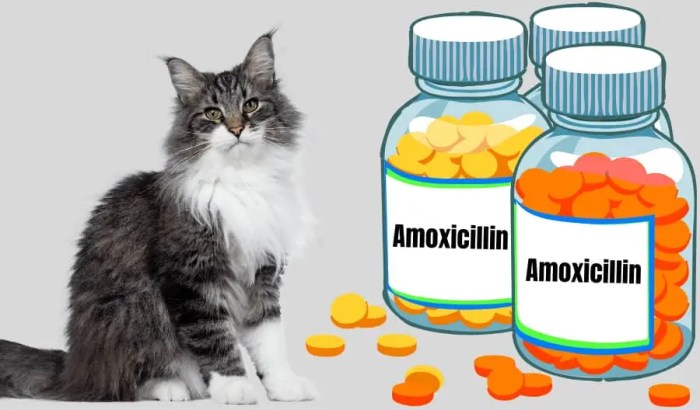
Like all medications, amoxicillin can cause side effects in cats. The most common are gastrointestinal upset, including vomiting and diarrhea. These are usually mild and resolve on their own. Ensure your cat has access to fresh water to prevent dehydration.Less frequent but more serious adverse reactions include allergic reactions. Signs of an allergic reaction can include facial swelling, hives, difficulty breathing, and collapse.
Immediate veterinary attention is crucial if you suspect an allergic reaction.If your cat exhibits signs of an adverse reaction, immediately stop administering amoxicillin and contact your veterinarian or an emergency veterinary clinic.
- Recognize the Signs: Watch for facial swelling, hives, difficulty breathing, or collapse.
- Stop Medication: Immediately discontinue amoxicillin administration.
- Contact Veterinarian: Call your veterinarian or an emergency clinic immediately.
- Provide Information: Be prepared to provide details about your cat’s symptoms, dosage, and any other medications they are taking.
- Follow Instructions: Follow your veterinarian’s instructions carefully. They may advise you to bring your cat in for examination and treatment.
Amoxicillin Combinations and Synergistic Effects
Combining amoxicillin with other medications, particularly clavulanate, is a common strategy to enhance its effectiveness. Clavulanate is a beta-lactamase inhibitor.Amoxicillin-clavulanate (often sold under the brand name Augmentin) offers several advantages over amoxicillin alone. Clavulanate inhibits beta-lactamase, an enzyme produced by some bacteria that inactivates amoxicillin. This allows amoxicillin to remain effective against bacteria that would otherwise be resistant.Combination therapy with amoxicillin is often preferred for treating infections caused by bacteria known to produce beta-lactamase, such as certain strains of
- Staphylococcus* and
- Streptococcus*.
Clavulanate doesn’t directly kill bacteria. Instead, it protects amoxicillin from being broken down by bacterial enzymes, allowing it to effectively target and destroy the bacteria. This synergistic effect broadens the spectrum of activity and improves treatment outcomes.
Resistance and Prevention Strategies
Bacterial resistance to amoxicillin develops when bacteria evolve mechanisms to evade the drug’s effects. This can occur through mutations in bacterial genes or through the acquisition of resistance genes from other bacteria. Overuse and misuse of antibiotics contribute to the development of resistance.Responsible antibiotic use is crucial to minimize the development of resistance. This includes using antibiotics only when necessary, completing the full course of treatment as prescribed by your veterinarian, and not sharing antibiotics with other animals.Preventing recurrent infections is also important.
This can involve improving hygiene, managing environmental factors (such as litter box cleanliness), and addressing any underlying medical conditions that predispose your cat to infection.
- Overuse of antibiotics
- Incomplete antibiotic courses
- Spread of resistant bacteria
- Poor hygiene practices
- Underlying medical conditions
Interactions with Other Medications and Substances
Amoxicillin can interact with other medications commonly used in cats. For example, it can reduce the effectiveness of certain oral contraceptives. Always inform your veterinarian about all medications and supplements your cat is taking.Food can affect amoxicillin absorption. Administering amoxicillin on an empty stomach generally improves absorption. However, if your cat has a sensitive stomach, giving it with a small amount of food can help reduce the risk of gastrointestinal upset.There are limited known interactions between amoxicillin and over-the-counter supplements or remedies.
However, it’s always best to consult with your veterinarian before giving your cat any new supplements while they are on amoxicillin.
| Medication | Potential Interaction with Amoxicillin | Severity |
|---|---|---|
| Probenecid | May increase amoxicillin levels in the blood | Moderate |
| Oral Contraceptives | May reduce the effectiveness of oral contraceptives | Moderate |
| Antacids | May decrease amoxicillin absorption | Minor |
| Warfarin | Increased risk of bleeding | Severe |
Diagnostic Procedures and Confirmation of Bacterial Infection
Administering amoxicillin without a proper veterinary diagnosis is not recommended. It’s essential to determine whether the infection is indeed bacterial and to rule out other potential causes.Common diagnostic tests include bacterial culture and sensitivity testing. A bacterial culture identifies the specific bacteria causing the infection, while sensitivity testing determines which antibiotics are most effective against that bacteria. Blood work can also help assess the cat’s overall health and rule out other underlying conditions.Culture and sensitivity testing guides appropriate antibiotic selection, ensuring that the chosen antibiotic is effective against the specific bacteria causing the infection.
This helps to minimize the risk of antibiotic resistance.
- Fever
- Lethargy
- Loss of appetite
- Nasal discharge
- Coughing
- Vomiting or diarrhea
- Blood in the urine
Special Considerations for Specific Cat Populations
Dosage adjustments may be necessary for kittens, as their organs are still developing. Lower doses are typically used, and close monitoring for side effects is essential.Geriatric cats may have reduced organ function, which can affect how they metabolize and eliminate amoxicillin. Lower doses may be required, and careful monitoring is important.Cats with pre-existing medical conditions, such as kidney or liver disease, may require dosage adjustments or alternative antibiotics.
Consult with your veterinarian to determine the safest and most effective treatment plan.
| Population | Special Considerations |
|---|---|
| Kittens | Lower dosage, close monitoring for side effects |
| Geriatric Cats | Lower dosage, potential for reduced organ function |
| Cats with Kidney/Liver Disease | Dosage adjustments or alternative antibiotics may be necessary |
Storage and Handling of Amoxicillin
Amoxicillin should be stored in a cool, dry place, away from direct sunlight and moisture. Keep it out of reach of children and other animals.When handling amoxicillin, avoid contact with skin and eyes. Wash your hands thoroughly after handling the medication.Expired or unused amoxicillin should be disposed of properly. Contact your veterinarian or local pharmacy for guidance on safe disposal methods.
- Store in a cool, dry place
- Keep out of reach of children and animals
- Wash hands after handling
- Dispose of expired medication properly
Final Thoughts
Navigating the world of feline antibiotics can be complex, but hopefully, this guide has shed some light on amoxicillin for cats. From recognizing the signs of infection to understanding potential side effects and the importance of responsible antibiotic use, knowledge is power when it comes to your cat’s health. Remember, always consult with your veterinarian for a proper diagnosis and treatment plan – they are your best resource for ensuring your cat receives the best possible care.
Prioritizing preventative measures and understanding the risks of antibiotic resistance are key to keeping your feline companion happy and healthy for years to come.
FAQ Section
Can I give my cat amoxicillin prescribed for another animal?
Absolutely not! Dosages and even the suitability of amoxicillin vary greatly depending on the animal and the specific infection. Never share medication without explicit veterinary guidance.
What if my cat refuses to take the amoxicillin?
It’s a common challenge! Try hiding the pills in a small amount of wet food, using a pill pocket, or administering the liquid suspension with a syringe. Talk to your vet for additional tips and tricks.
How long does it take to see improvement after starting amoxicillin?
You should typically see some improvement within 24-48 hours. If your cat’s condition doesn’t improve or worsens, contact your veterinarian immediately.
Can amoxicillin interact with flea and tick medications?
Yes, potential interactions exist. Always inform your veterinarian about
-all* medications and supplements your cat is taking, including flea and tick preventatives.
Is amoxicillin safe for pregnant or nursing cats?
Amoxicillin’s safety during pregnancy and lactation isn’t fully established. Your veterinarian will carefully weigh the risks and benefits before prescribing it to a pregnant or nursing cat.
What should I do if I suspect my cat has overdosed on amoxicillin?
Contact your veterinarian or an animal poison control center immediately. Signs of overdose can include vomiting, diarrhea, loss of appetite, and lethargy.
Can I buy amoxicillin for my cat over the counter?
No. Amoxicillin for cats requires a prescription from a licensed veterinarian. Purchasing medication without a prescription is illegal and potentially dangerous.
