Dealing with a cat allergy in your feline friend can be heartbreaking. It’s not just about sneezing and itchy eyes for
-them* – it’s often skin problems, respiratory distress, and general discomfort. Understanding what triggers these allergies, how your cat’s body reacts, and what options are available is key to helping them feel better. This guide dives deep into antihistamines, exploring their use, safety, and potential alongside other management strategies, all with your cat’s well-being as the top priority.
We’ll break down the science behind cat allergies – those pesky proteins like Fel d 1 and Fel d 4 – and how they impact your cat’s immune system. Then, we’ll get into the specifics of antihistamines, looking at different types, dosages, and potential side effects. But it’s not just about medication; we’ll also cover environmental controls, dietary adjustments, and other therapies that can make a real difference in your cat’s quality of life.
Understanding Cat Allergies in Felines
Dealing with a cat allergy in your feline friend can be heartbreaking. It’s not the same as a human allergy, and it can manifest in a variety of ways, impacting their quality of life. This section will break down what’s happening on a biological level, the common culprits, and what symptoms to look out for. Understanding the root cause is the first step towards finding relief for your kitty.
Detailing Common Allergens and Their Distribution
Cats produce several proteins that trigger allergic reactions in sensitive animals (and humans!). The two most well-known are Fel d 1 and Fel d 4. Fel d 1 is the primary allergen, responsible for the majority of allergic reactions. It’s a glycoprotein found predominantly in the cat’s sebaceous glands (in the skin) and saliva. When the cat grooms, these proteins are spread throughout their fur and then shed into the environment.
Fel d 4, while less potent than Fel d 1, is found in the cat’s saliva, urine, and dander. Other, less common allergens can also be present.The distribution of these allergens isn’t uniform. You’ll find higher concentrations on areas where the cat grooms frequently, like the face, paws, and around the ears. Male cats, particularly those who haven’t been neutered, tend to produce higher levels of Fel d 1.
Breed also plays a role; some breeds, like Siberian cats, are known to produce significantly less Fel d 1.
Differentiating Cat Allergies from Other Types
It’s crucial to distinguish feline allergies from other common ailments. Food allergies, for example, are triggered by specific ingredients in the cat’s diet, leading to skin issues, gastrointestinal upset, and sometimes respiratory problems. Environmental allergies, on the other hand, are caused by external factors like pollen, dust mites, or mold. While symptoms can overlap, the underlying cause and treatment approach differ significantly.
A veterinarian can perform allergy testing (blood tests or intradermal skin tests) to pinpoint the specific allergen.
Typical Symptoms of Allergic Reactions in Cats
The symptoms of cat allergies can vary widely in severity. Common signs include:
- Skin Issues: Excessive scratching, licking, or biting, especially around the face, paws, and ears. Redness, inflammation, and hair loss are also frequently observed.
- Respiratory Problems: Coughing, sneezing, wheezing, and difficulty breathing. These are less common than skin issues but can be serious.
- Gastrointestinal Distress: Vomiting, diarrhea, and loss of appetite. These symptoms are more indicative of a food allergy but can sometimes occur with environmental or flea allergies.
The Immune System Response in Cats
When a cat with allergies is exposed to an allergen, their immune system mistakenly identifies it as a threat. This triggers a cascade of events. Specialized immune cells, like mast cells, release histamine and other chemicals. Histamine causes the characteristic symptoms of allergies, such as itching, inflammation, and swelling. The body attempts to fight off the perceived threat, leading to the discomfort and distress we observe.
Repeated exposure to the allergen intensifies this response, making the symptoms progressively worse.
Antihistamines: An Overview
Antihistamines are a common tool in managing allergic symptoms, both in humans and, sometimes, in cats. But how do they actually work? This section will explore the science behind antihistamines and the different types available.
How Antihistamines Alleviate Allergic Symptoms
Antihistamines work by blocking the effects of histamine. As mentioned earlier, histamine is a chemical released by the body during an allergic reaction. It binds to receptors throughout the body, triggering symptoms like itching, sneezing, and inflammation. Antihistamines essentially act as “blockers,” preventing histamine from binding to these receptors and thus reducing the severity of allergic symptoms. They don’t
prevent* the release of histamine, but they mitigate its effects.
Classes of Antihistamines: First Generation vs. Second Generation
Antihistamines are broadly categorized into two generations: first-generation and second-generation.
- First-Generation Antihistamines: These are older medications (like diphenhydramine) that readily cross the blood-brain barrier, leading to drowsiness and other side effects. They are generally less selective and can affect other receptors in the body.
- Second-Generation Antihistamines: These are newer medications (like cetirizine and loratadine) that have a reduced ability to cross the blood-brain barrier, resulting in fewer sedative effects. They are also more selective for histamine receptors.
Common Antihistamines Available (and Their Human Uses)
Several antihistamines are readily available over-the-counter for human use. Some common examples include:
- Diphenhydramine (Benadryl): Used for allergies, insomnia, and motion sickness.
- Cetirizine (Zyrtec): Effective for seasonal allergies and hives.
- Loratadine (Claritin): Used for allergies and hay fever.
- Fexofenadine (Allegra): Another popular choice for allergy relief.
Important Note: While these medications are readily available for humans, their use in catsmust* be supervised by a veterinarian. Dosage and safety considerations differ significantly.
Histamine Receptors: H1 and H2
Histamine exerts its effects by binding to different types of receptors, primarily H1 and H2 receptors.
- H1 Receptors: These are primarily responsible for the allergic symptoms we commonly associate with allergies, such as itching, sneezing, and vasodilation (widening of blood vessels). Most antihistamines target H1 receptors.
- H2 Receptors: These are mainly found in the stomach and regulate gastric acid secretion. Blocking H2 receptors is the primary mechanism of action for medications used to treat heartburn and ulcers.
Most antihistamines used for allergy relief primarily target H1 receptors.
Antihistamine Use in Cats: Safety and Considerations
While antihistamines can offer relief for cats with allergies, it’s crucial to approach their use with caution. This section Artikels safety guidelines, potential risks, and important considerations.
Antihistamine Dosage Table for Cats
| Antihistamine Name | Common Dosage (mg/kg) | Potential Side Effects | Veterinary Approval ||—|—|—|—|| Diphenhydramine (Benadryl) | 1-2 mg/kg, once or twice daily | Sedation, dry mouth, urinary retention | Required || Cetirizine (Zyrtec) | 0.5-1 mg/kg, once daily | Sedation, drooling | Required || Loratadine (Claritin) | 1 mg/kg, once daily | Less common side effects | Required || Fexofenadine (Allegra) | Not generally recommended due to limited data | Unknown | Strongly discouraged without veterinary guidance | Note: This table provides general guidelines only.
Dosage may vary depending on the cat’s individual needs and the veterinarian’s assessment. Always consult with a veterinarian before administering any medication.
The Importance of Veterinary Consultation
Never administer any medication to your cat without first consulting with a veterinarian. They can accurately diagnose the underlying cause of your cat’s symptoms, rule out other potential health problems, and determine the appropriate treatment plan. Self-treating can be dangerous and may mask a more serious condition.
Potential Risks Associated with Antihistamine Use
While generally considered safe when used under veterinary supervision, antihistamines can pose certain risks:
- Sedation: Many antihistamines can cause drowsiness, especially first-generation options like diphenhydramine.
- Paradoxical Reactions: In some cats, antihistamines can cause hyperactivity or agitation instead of sedation.
- Underlying Health Conditions: Antihistamines can exacerbate certain underlying health conditions, such as glaucoma or urinary problems.
Antihistamines Not Suitable for Cats
Certain antihistamines are not suitable for cats and should never be administered. These include:
- Antihistamines Containing Decongestants: Decongestants, like pseudoephedrine, are toxic to cats and can cause serious health problems.
- Combination Medications: Avoid medications that combine antihistamines with other drugs, as these may contain ingredients harmful to cats.
Dosage and Administration Guidelines
Administering medication to a cat can be tricky. This section provides a step-by-step guide to ensure accurate dosage and safe administration.
Step-by-Step Guide to Administering Antihistamines
1. Consult Your Veterinarian
Obtain the correct dosage and instructions from your veterinarian.
2. Measure Accurately
Use a precise measuring tool (syringe or oral dosing device) to measure the prescribed dose.
3. Choose the Right Formulation
Consider your cat’s preferences. Tablets can be crushed and mixed with a small amount of wet food, or administered directly. Liquids can be given using a syringe.
4. Administer Carefully
Gently insert the syringe into your cat’s mouth, aiming towards the side of the cheek. Dispense the medication slowly to prevent choking.
5. Monitor Your Cat
Observe your cat for any adverse reactions after administering the medication.
Factors Influencing Dosage
Several factors can influence the appropriate dosage of antihistamines for cats:
- Cat’s Weight: Dosage is typically calculated based on the cat’s weight.
- Severity of Symptoms: Cats with more severe symptoms may require a higher dose, but always under veterinary guidance.
- Specific Antihistamine: Different antihistamines have different potencies, so dosage will vary accordingly.
Importance of Consistent Administration and Timing
For antihistamines to be effective, consistent administration and timing are crucial. Follow your veterinarian’s instructions regarding frequency and timing. Missing doses can reduce the medication’s effectiveness and potentially lead to a relapse of symptoms.
Flowchart: Determining Appropriate Dosage
“`[Start] –> [Determine Cat’s Weight (kg)] –> [Veterinarian’s Recommended Dosage (mg/kg)] –> [Calculate Total Dosage (Weight x Dosage)] –> [Administer Dosage] –> [Monitor for Side Effects] –> [End]“`This flowchart illustrates the process of determining the appropriate dosage based on the cat’s weight and the veterinarian’s recommendation.
Potential Side Effects and Monitoring
Even with careful administration, side effects can occur. This section details common side effects, how to differentiate them from serious reactions, and the importance of ongoing monitoring.
Common Side Effects to Watch For
Common side effects of antihistamines in cats include:
- Lethargy: Drowsiness or decreased activity level.
- Appetite Changes: Decreased or increased appetite.
- Vomiting: Occasional vomiting.
- Diarrhea: Loose stools.
- Dry Mouth: Excessive panting or thick saliva.
Differentiating Normal Side Effects from Serious Adverse Reactions
While mild side effects are common and usually resolve on their own, certain signs indicate a serious adverse reaction and require immediate veterinary attention:
- Difficulty Breathing: Labored breathing or wheezing.
- Seizures: Uncontrolled muscle contractions.
- Collapse: Sudden loss of consciousness.
- Excessive Drooling: More than usual.
Importance of Monitoring Overall Health and Behavior
Regularly observe your cat’s overall health and behavior after starting antihistamine treatment. Note any changes in appetite, activity level, or elimination habits. Report any concerns to your veterinarian promptly.
Table: Responding to Different Side Effects
| Side Effect | Severity Level | Recommended Action ||—|—|—|| Lethargy | Mild | Monitor closely. Ensure access to food and water. || Appetite Changes | Mild | Offer palatable food. Consult vet if changes persist. || Vomiting/Diarrhea | Mild | Provide fresh water.
Monitor for dehydration. || Excessive Drooling | Moderate | Contact your veterinarian. || Difficulty Breathing | Severe | Seek immediate veterinary care. || Seizures | Severe | Seek immediate veterinary care. |
Alternative and Complementary Therapies
Antihistamines aren’t always the only solution. This section explores alternative and complementary therapies that can help manage cat allergies.
Environmental Control Measures
Reducing allergen exposure is a cornerstone of allergy management.
- Frequent Cleaning: Regularly vacuum carpets and upholstery to remove allergens.
- Air Purifiers: Use air purifiers with HEPA filters to remove airborne allergens.
- Hypoallergenic Bedding: Wash your cat’s bedding frequently in hot water and consider using hypoallergenic bedding materials.
Dietary Changes
Diet can play a role in managing allergies.
- Limited Ingredient Diets: These diets eliminate common allergens from the cat’s food.
- Omega-3 Fatty Acids: Supplementing with omega-3 fatty acids can help reduce inflammation.
Immunotherapy (Allergy Shots)
Immunotherapy, or allergy shots, is a long-term solution that gradually desensitizes the cat to allergens. It involves administering small, increasing doses of allergens over time.
Grooming Practices
Regular grooming can help reduce allergen shedding.
- Regular Brushing: Brush your cat frequently to remove loose fur and dander.
- Bathing: Bathing your cat regularly (with a veterinarian-approved shampoo) can help remove allergens from their fur.
Specific Allergy Scenarios & Antihistamine Application
Different allergy scenarios require tailored approaches. This section explores how antihistamines can be applied in specific situations.
Antihistamine Use in Respiratory Allergies
For cats with respiratory allergies (e.g., pollen, dust mites), antihistamines can help alleviate symptoms like sneezing and coughing. However, they may not be sufficient to control severe respiratory distress. Combination therapy with other medications, such as bronchodilators, may be necessary.
Antihistamine Application for Skin Allergies
In cats with skin allergies (e.g., flea allergy dermatitis), antihistamines can help reduce itching and inflammation. However, addressing the underlying cause of the skin allergy (e.g., flea control) is essential.
Antihistamines in Conjunction with Other Medications
Antihistamines are often used in conjunction with other medications prescribed by a veterinarian, such as corticosteroids or antibiotics. It’s crucial to inform your veterinarian of all medications your cat is taking to avoid potential drug interactions.
Key Consideration for Geriatric Cats: Geriatric cats are more susceptible to the side effects of antihistamines, particularly sedation and urinary retention. Lower doses and careful monitoring are essential. Always discuss the risks and benefits with your veterinarian before administering antihistamines to an elderly cat.
Formulations and Bioavailability
The way an antihistamine is formulated can impact how well it’s absorbed and utilized by the cat’s body.
Differences Between Antihistamine Formulations
Antihistamines are available in various formulations:
- Tablets: Can be given whole or crushed and mixed with food.
- Liquids: Easier to administer to cats who have difficulty swallowing.
- Chewables: Less common for cats, as they may not readily chew them.
Factors Affecting Bioavailability
Bioavailability refers to the extent to which a drug is absorbed and available to exert its effects. Factors that can affect bioavailability include:
- Food Interactions: Some antihistamines are better absorbed on an empty stomach.
- Individual Cat Metabolism: Cats metabolize drugs differently.
Choosing the Most Appropriate Formulation
The best formulation depends on the cat’s preferences and ability to swallow. Liquids are often preferred for cats who have difficulty swallowing tablets.
Comparison Table: Formulation Types
| Formulation Type | Advantages | Disadvantages ||—|—|—|| Tablets | Convenient, often more cost-effective | Can be difficult to administer, may affect absorption || Liquids | Easy to administer, good for cats with swallowing difficulties | Can be less palatable, may be less stable || Chewables | Palatable (potentially) | Less common for cats, may not be readily chewed |
Long-Term Management and Relapse Prevention
Managing cat allergies is an ongoing process. This section Artikels strategies for preventing relapse and maintaining your cat’s comfort.
Strategies for Preventing Relapse
Preventing relapse involves a multi-faceted approach:
- Consistent Environmental Control: Maintain a clean and allergen-free environment.
- Allergen Avoidance: Minimize exposure to known allergens.
Importance of Ongoing Environmental Control and Allergen Avoidance
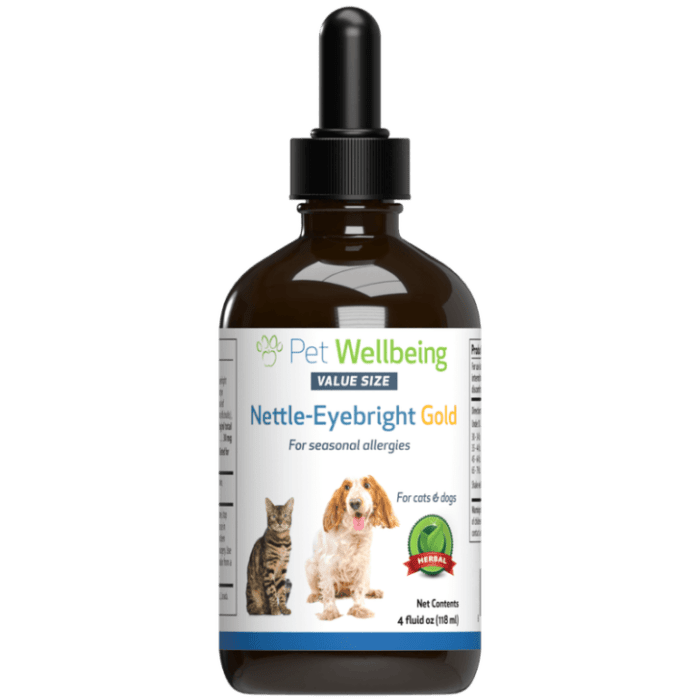
Source: catschef.com
Continued vigilance is key. Regular cleaning, air purification, and allergen avoidance are essential for preventing relapse.
Periodic Veterinary Checkups
Regular veterinary checkups are crucial for monitoring your cat’s condition and adjusting treatment as needed.
Recognizing Early Warning Signs of a Flare-Up
Be aware of early warning signs of a flare-up, such as increased scratching, redness, or respiratory distress. Promptly address these signs with your veterinarian.
Closure
Navigating cat allergies can feel overwhelming, but remember, you’re not alone. From understanding the root causes to carefully administering medication and implementing lifestyle changes, there’s a lot you can do to alleviate your cat’s suffering. Consistent veterinary guidance is absolutely crucial, and combining antihistamines with environmental management and other therapies often yields the best results. With patience, observation, and a proactive approach, you can help your furry companion live a happier, healthier, and more comfortable life, allergy-free!
FAQ Resource
Can I give my cat human antihistamines without talking to a vet?
Absolutely not! While some human antihistamines
-might* be used in cats, the dosage and suitability vary greatly. Giving the wrong medication or dosage can be dangerous, even fatal. Always consult your veterinarian first.
How long does it take to see if an antihistamine is working?
It can vary, but typically you’ll start to see some improvement in symptoms within 2-3 days. Full effects might take a week or longer. Keep a close eye on your cat and report any concerns to your vet.
Are there any foods I should avoid giving my cat if they’re on antihistamines?
Some antihistamines can interact with certain foods, particularly those high in tyramine. Discuss your cat’s diet with your vet to ensure there are no potential conflicts.
What’s the difference between first and second-generation antihistamines for cats?
Second-generation antihistamines (like cetirizine and loratadine) generally cause less drowsiness than first-generation antihistamines (like diphenhydramine). However, individual cats react differently, so what works well for one might not for another.
My cat seems more agitated after taking an antihistamine. What should I do?
This could be a paradoxical reaction. Contact your veterinarian immediately. It’s important to rule out any underlying issues and adjust the treatment plan accordingly.
Can antihistamines cure cat allergies?
No, antihistamines only manage the symptoms of allergies; they don’t cure the underlying allergy itself. They provide relief but don’t address the root cause.

