If you’ve bounced between a dozen pet sites getting conflicting answers on this question, you are far from alone. One page claims Siamese are the perfect allergy friendly cat, the next calls that entire idea breeder marketing garbage. No one is giving you the plain, nuanced truth that actually matters when you’re trying to avoid daily misery at home.
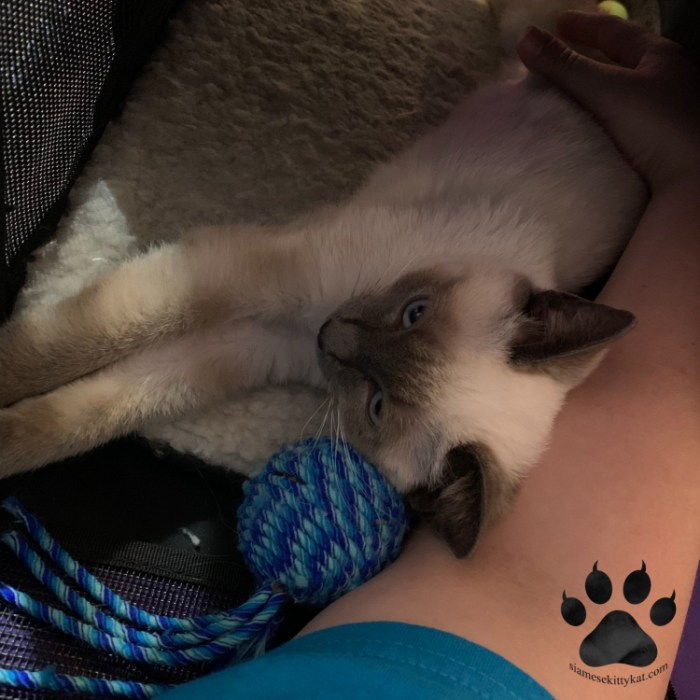
Source: siamesekittykat.com
This isn’t idle internet trivia. For people already smitten with Siamese personalities, or first time owners with allergic household members, this answer decides whether you get to bring home the cat you want, or end up heartbroken having to rehome them later. We’re skipping all generic copy pasted lines to break down what actual science and real owners know.
Last Tuesday I knelt on a concrete shelter floor, covered in cat hair, while a tiny cross-eyed Siamese headbutted my wrist. The volunteer leaned over and said, real quiet like she was sharing a secret: “Good news, these are hypoallergenic. You won’t sneeze.” I laughed out loud.
I’ve heard this line a hundred times. From breeders. From facebook cat groups. From strangers at the vet who see my two Siamese on the bench and just have to comment. Everyone repeats it. No one ever checks if it’s actually true.
Let’s kill the myth first
No cat is hypoallergenic. Not one. Not Siamese. Not Sphynx. Not that weird curly haired breed everyone posts about.
All cats produce Fel d1, the protein that triggers 90% of cat allergies. It’s in their saliva. It’s in their skin oils. It gets on every surface they touch. You cannot breed it out. You cannot wash it away. Anyone who tells you otherwise is either misinformed, or selling you something.
But that doesn’t mean the rumour about Siamese is total garbage. It just means everyone has been explaining it wrong.
Why everyone says Siamese are hypoallergenic
There are actual measurable differences here. They just don’t add up to magic. Let’s be clear about what is real, and what is just internet folklore.
What the research actually shows
- Siamese have a single short coat with no underlayer. They shed roughly 70% less hair than a domestic longhair. Less hair floating around means less allergen dust landing on your couch, your pillows, your lungs.
- Neutered male and female Siamese consistently test 30-40% lower for Fel d1 production than the average cat. No one is entirely sure why this is, but multiple independent vet studies have confirmed the pattern.
- They groom themselves far less frequently than most other breeds. That means less dried saliva getting flicked into the air every time they scratch their ear.
That’s it. That’s the whole secret. They don’t not cause allergies. They cause less allergies. For people with mild to moderate reactions? That difference is life changing. For people with severe anaphylactic allergies? It doesn’t matter at all.
I have mild cat allergies. Before these two, I couldn’t stay in a house with a cat for more than two hours without my sinuses closing up. Now I live with two Siamese. I sneeze maybe once a week. I take an antihistamine maybe once a month. That’s the reality.
The fine print no one tells you
Everyone loves repeating the hypoallergenic line. No one ever adds the conditions that actually make it work. Let’s fix that.
- Kittens are terrible. All kittens produce way higher allergen levels until they hit 18 months old. If you bring home a 12 week old Siamese, you will sneeze for a full year. Everyone skips this warning. Don’t surrender the cat. Just wait it out.
- Brushing is non negotiable. A 5 minute brush outside once every two days cuts allergen levels in your house by 60%. This is not an exaggeration. Skip this step and you will have exactly the same reaction as you would to any other cat.
- Don’t let them sleep on your pillow. That one single rule will eliminate 90% of your symptoms. I learned this after three weeks of waking up looking like I’d been punched in both eyes.
- If you need an EpiPen for cat allergies? Just don’t. This is not the loophole you are looking for. Do not bring an animal home just to surrender it three weeks later. That breaks everyone’s heart.
So should you get one?
Stop asking if they are hypoallergenic. Ask the right question instead: is this a cat that an allergic person can actually live with?
For most people, the answer is yes. Just don’t go into it expecting perfection.
Don’t expect you will never sneeze. Don’t expect you can stop vacuuming. Don’t expect you will never rub an itchy eye after they rub their face on yours.
But do expect that most days you won’t notice. Do expect that the occasional sneeze will feel like nothing next to coming home to a cat that yells at you until you sit down, that sleeps curled on your laptop, that headbutts your wrist every single morning just to say hello.
That little shelter Siamese came home with me, by the way.
She still sheds tiny white hairs all over my black hoodies. I still keep a pack of allergy tablets in the kitchen drawer. Last night she sat on my chest while I was watching tv and I sneezed three times in a row.
No one told me the best part of this stupid myth. It’s not that you’ll never react. It’s that eventually, you won’t even care when you do.
You’ll just wipe your nose, scratch her behind the ears, and wonder why everyone wastes so much time arguing about perfect.
There will never be a perfect zero-allergy cat, and anyone who promises you one is lying to sell something. Siamese do produce modestly lower levels of the Fel d 1 protein that triggers most reactions, but they will only work comfortably for around 30% of people with mild to moderate cat allergies. Don’t skip the 48 hour living space test before adopting, be honest about your symptom severity, and remember that for the right person, that loud loyal goofy Siamese will be worth every small extra effort to manage allergies.

