The Balinese cat, often called the “longhaired Siamese,” is a captivating breed known for its striking looks, playful personality, and vocal charm. If you’re considering welcoming one of these beauties into your home, you’re likely wondering about the cost – and it’s more than just the initial purchase price! This guide dives deep into everything that impacts Balinese cat prices, from breeder reputation to ongoing care, helping you budget responsibly and make an informed decision.
We’ll explore the nuances of pricing, breaking down the factors that influence the cost of a Balinese, whether you choose to buy from a breeder or adopt from a shelter. Plus, we’ll cover the ongoing expenses you can expect, ensuring you’re fully prepared for the joys and responsibilities of Balinese cat ownership. Get ready to unravel the mystery behind those price tags!
Understanding the Charm and Cost of Balinese Cats
So, you’re thinking about bringing a Balinese cat into your life? Wonderful choice! These elegant felines are known for their striking looks and captivating personalities. But before you dive in, it’s smart to understand not just the joys of owning a Balinese, but also the financial commitment involved. This guide will break down everything you need to know about Balinese cat prices, from initial costs to ongoing expenses, helping you make an informed decision.
1. Introduction to Balinese Cats
The Balinese cat, often affectionately called the “longhaired Siamese,” is a relatively recent breed, gaining recognition in the 1960s. They originated in the United States, developed from Siamese cats with a recessive gene that causes longer fur. Physically, they share a striking resemblance to Siamese cats, boasting a sleek, muscular build, large expressive eyes, and distinctive color points (darker coloration on the face, ears, paws, and tail).
However, the key difference is their luxurious, silky coat, which is medium-long and flowing.
Balinese cats are renowned for their affectionate and intelligent nature. They’re incredibly vocal, often engaging in “conversations” with their owners. Expect a playful and energetic companion who loves to interact and participate in household activities. They’re also known to be very people-oriented, often following their humans around and seeking attention. They thrive on interaction and can become lonely if left alone for extended periods.
The primary distinction between Balinese and Siamese cats lies in their coat length. Siamese cats have short, sleek fur, while Balinese cats possess a medium-long, flowing coat. While both breeds share similar personalities and vocal tendencies, the Balinese’s longer fur requires more grooming. Furthermore, Balinese cats are sometimes considered to have a slightly calmer temperament than their Siamese counterparts, though this can vary greatly between individual cats.
| Feature | Balinese | Siamese | Notes |
|---|---|---|---|
| Eye Color | Blue | Blue | Both breeds consistently have blue eyes. |
| Coat Length | Medium-Long | Short | The most obvious visual difference. |
| Vocalization Levels | High | High | Both are known for being talkative! |
| Body Type | Sleek, muscular | Sleek, muscular | Similar build, but Balinese may appear slightly fluffier. |
Factors Influencing Balinese Cat Prices
The price of a Balinese cat isn’t a fixed number. Several factors contribute to the overall cost, and understanding these can help you navigate the purchasing process. Let’s break down the key elements that influence how much you’ll pay.
Breeder Reputation and Location
Reputable breeders who prioritize the health and well-being of their cats typically charge higher prices. They invest in genetic testing, provide excellent care, and often have a long history of producing healthy, well-socialized kittens. Location also plays a role; breeders in areas with higher living costs or greater demand for Balinese cats may have higher prices.
Lineage and Pedigree
A Balinese cat’s lineage and pedigree significantly impact its value. Cats with champion bloodlines or those from award-winning breeders command higher prices. Pedigree papers provide documentation of a cat’s ancestry, demonstrating its breeding quality and potential for showing.
Coat Color and Pattern Variations
Source: thesprucepets.com
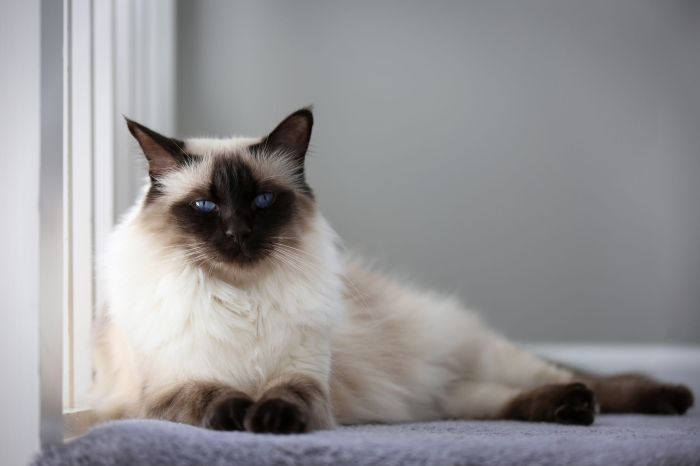
Like Siamese cats, Balinese cats come in various color points, including seal, blue, chocolate, lilac, red, and cream. Rarer color combinations or patterns (like lynx point or tortie point) can increase the price. A breeder might charge more for a cat with a particularly desirable or unique coat.
Age (Kitten vs. Adult)
Kittens are generally more expensive than adult Balinese cats. This is due to the breeder’s investment in raising the kitten from birth, providing vaccinations, and socializing it. Adult cats, especially those who have already been spayed/neutered, may be available at a lower price, particularly if the breeder is looking to rehome them.
Show-Quality Balinese Cats
Show-quality Balinese cats, those meeting the breed standard and suitable for competition, are the most expensive. These cats have exceptional conformation, coat quality, and temperament. Breeders invest significant time and resources in breeding and raising show-quality cats, and their prices reflect this investment. Expect to pay upwards of $2,000, and potentially much more, for a show-quality Balinese.
Cost Breakdown: Initial Purchase & Setup
Bringing a Balinese cat home involves more than just the purchase price. There’s a significant initial investment in supplies and setup to ensure your new feline friend has a comfortable and enriching environment. Let’s Artikel these expenses.
Essential Supplies
You’ll need a variety of essential supplies, including food bowls (ceramic or stainless steel are best), a litter box (size appropriate for the cat), litter (clay, clumping, or alternative options), a scratching post (essential for claw maintenance and preventing furniture damage), toys (a mix of interactive and solo toys), a carrier for vet visits, and a comfortable bed.
Initial Veterinary Care
Upon acquiring your Balinese cat, a visit to the veterinarian is crucial. This initial checkup should include a comprehensive physical examination, vaccinations (FVRCP, rabies), deworming, and potentially a fecal exam. Discuss preventative care with your vet, including flea and tick prevention.
| Item | Basic Cost | Premium Cost |
|---|---|---|
| Food Bowls & Water Fountain | $20 – $40 | $50 – $150 |
| Litter Box | $20 – $50 | $80 – $200 |
| Litter (1 month supply) | $20 – $40 | $30 – $60 |
| Scratching Post | $30 – $60 | $100 – $300 |
| Toys | $20 – $40 | $50 – $100 |
| Carrier | $25 – $50 | $75 – $150 |
| Initial Vet Visit & Vaccinations | $100 – $250 | $200 – $400 |
Ongoing Expenses: Care & Maintenance
The initial purchase and setup are just the beginning. Owning a Balinese cat involves ongoing expenses to ensure their health and happiness. Let’s explore these recurring costs.
Feeding Costs
The cost of food varies depending on the type you choose. High-quality dry food typically costs $30-$60 per month, while wet food can range from $50-$100 per month. Consider a balanced diet appropriate for a Balinese cat’s activity level and age.
Litter and Litter Box Maintenance
Litter is a recurring expense, with costs ranging from $20-$40 per month depending on the type and frequency of changes. Regular cleaning of the litter box is essential for hygiene and your cat’s comfort.
Veterinary Checkups and Preventative Care
Annual veterinary checkups are crucial for maintaining your Balinese cat’s health. These checkups typically cost $100-$200. Preventative care, such as flea and tick prevention and dental cleanings, adds to the ongoing expenses.
Grooming Requirements
While Balinese cats don’t require as much grooming as some longhaired breeds, regular brushing (2-3 times per week) is necessary to prevent mats and tangles. Occasional bathing (every few months) may also be needed. Nail trimming should be done every 2-3 weeks. Professional grooming services can cost $50-$100 per session.
- Emergency vet visits: $200 – $1000+
- Behavioral training: $50 – $200+ per session
- Unexpected illnesses or injuries: Variable
- Medications: Variable
Purchasing from Breeders vs. Rescues/Shelters
Deciding where to acquire your Balinese cat is a significant decision. Both breeders and rescues/shelters offer unique advantages and disadvantages. Let’s weigh the options.
Breeders
Purchasing from a reputable breeder offers the benefit of knowing your cat’s lineage and health history. Breeders often provide health guarantees and are knowledgeable about the breed. However, prices are generally higher than adoption fees.
Rescues/Shelters
Adopting a Balinese cat from a rescue organization or animal shelter is a rewarding experience. You’re giving a deserving cat a second chance at a loving home. Adoption fees are typically lower than breeder prices, and often include initial vaccinations and spaying/neutering.
| Factor | Breeder | Shelter | Notes |
|---|---|---|---|
| Health Guarantees | Often provided | Rarely provided | Breeders typically offer guarantees against genetic defects. |
| Pedigree Information | Available | Not available | Provides lineage and breeding history. |
| Initial Cost | $800 – $3000+ | $50 – $200 | Varies greatly depending on quality and breeder. |
| Personality Assessment | Limited | Often available | Shelters can often provide insights into a cat’s personality. |
Regional Price Variations
The price of a Balinese cat can vary significantly depending on geographic location. Areas with higher demand or limited breeders tend to have higher prices.
Geographic Impact
States like California and New York, where demand for purebred cats is high, often see higher prices. Conversely, states with fewer breeders or a lower demand may have more affordable options. Transportation costs also contribute to price differences, as breeders may charge for delivering kittens to distant locations.
Price Examples (US States – Approximate)
- California: $1,500 – $3,500+
- Texas: $1,200 – $2,800
- Florida: $1,300 – $3,000
- Illinois: $1,000 – $2,500
Map Visualization: Imagine a map of the United States. It’s color-coded to represent approximate price ranges for Balinese cats. Darker shades of green indicate prices above $2,500, medium green represents $1,500 – $2,500, light green signifies $1,000 – $1,500, and yellow indicates prices below $1,000. Coastal states (California, New York) and states with large metropolitan areas are predominantly green, while states in the Midwest and South are more likely to be yellow or light green.
Health Considerations & Potential Costs
Like all breeds, Balinese cats are predisposed to certain health issues. Being aware of these potential problems and taking preventative measures can help minimize long-term expenses.
Common Health Issues
Common health concerns in Balinese cats include hypertrophic cardiomyopathy (HCM), a heart condition, and progressive retinal atrophy (PRA), an eye disease. Respiratory issues and dental problems can also occur.
Genetic Testing
Reputable breeders often conduct genetic testing to screen for HCM and PRA. While this adds to the initial cost of the kitten, it can significantly reduce the risk of developing these conditions later in life.
Preventative Healthcare
Regular dental cleanings, parasite prevention, and vaccinations are essential for maintaining your Balinese cat’s health. These preventative measures can help avoid costly treatments for preventable diseases.
Pet Insurance
Pet insurance can help offset the costs of unexpected illnesses and injuries. Consider researching different pet insurance providers and comparing coverage options to find a plan that suits your needs and budget.
Proactive healthcare is the key to minimizing long-term expenses. Regular vet checkups, preventative care, and a healthy lifestyle can significantly reduce the risk of costly health problems down the road.
Financing Options & Payment Plans
The cost of a Balinese cat can be a significant investment. Fortunately, several financing options and payment plans are available to help make it more manageable.
Financing Options
Some pet financing companies offer loans specifically for pet-related expenses. However, be sure to compare interest rates and terms carefully before committing to a loan.
Payment Plans
Some breeders offer payment plans, allowing you to spread the cost of the kitten over several months. This can make it easier to budget for the purchase.
Credit Cards & Personal Loans
Using a credit card or personal loan can be an option, but be mindful of interest rates and potential fees. Carefully consider your ability to repay the debt before taking on additional financial obligations.
Resources for Pet Financing: Research reputable pet financing companies online and compare their offerings.
Questions to Ask a Breeder About Payment Plans:
- What is the payment schedule?
- Is there a down payment required?
- Are there any interest charges or fees?
- What happens if I am unable to make a payment?
Negotiating the Price
While Balinese cats are a premium breed, there may be opportunities to negotiate the price with a breeder. Approach the negotiation respectfully and with a clear understanding of the market value.
Tips for Negotiation
Research market prices before making an offer. Be prepared to justify your offer based on factors such as minor imperfections or non-show quality. Maintain a positive and respectful attitude throughout the negotiation process.
Justifying a Lower Price
Minor imperfections in the cat’s conformation or coat, or if the cat is not suitable for showing, may justify a lower price. Be honest and upfront about your expectations.
Flowchart: Negotiating with a Breeder
Start: Research market prices for Balinese cats.
Decision Point 1: Is the breeder’s asking price within your budget? Yes -> Proceed to offer. No -> Research further or consider a different breeder.
Offer: Make a reasonable offer, justifying it with your research and any relevant factors (e.g., minor imperfections).
Decision Point 2: Does the breeder accept your offer? Yes -> Agreement reached! No -> Counteroffer or walk away.
Counteroffer: If the breeder counters, consider their offer and decide whether to accept, make another counteroffer, or walk away.
End: Agreement reached or negotiation unsuccessful.
Epilogue
From the initial investment in a kitten to the long-term commitment of care and maintenance, owning a Balinese cat is a rewarding but financially significant decision. Understanding the various factors that contribute to Balinese cat prices – breeder reputation, lineage, health considerations, and regional variations – empowers you to make a smart choice. Whether you’re seeking a show-quality champion or a loving companion, this guide provides the knowledge you need to navigate the world of Balinese cat ownership with confidence and a well-planned budget.
Ultimately, the cost of a Balinese cat is an investment in a loyal and affectionate friend. By carefully considering all aspects of ownership, you can ensure a happy and healthy life for your new feline family member – and a financially sound future for both of you!
FAQ Overview
What’s the difference between a Balinese and a Siamese cat?
While they share many personality traits, the key difference is their coat. Balinese cats have a long, silky coat, while Siamese cats have a short, sleek coat. They also have slightly different body structures, with Balinese often being a bit more slender.
Why are show-quality Balinese cats so expensive?
Show-quality cats have been carefully bred to meet specific breed standards, often with extensive pedigree lines and rigorous health testing. Breeders invest significant time and resources into producing these cats, which is reflected in their price.
Can I expect higher vet bills with a Balinese cat?
Balinese cats are generally healthy, but they can be prone to certain conditions like progressive retinal atrophy (PRA). Regular vet checkups and preventative care are crucial to catch any potential issues early.
What does the adoption fee at a shelter typically cover?
Adoption fees usually include initial vaccinations, deworming, spaying/neutering, and often a microchip. They also help support the shelter’s mission of caring for animals in need.
Are there any hidden costs I should be aware of?
Beyond the basics, consider potential costs like pet insurance, specialized food for dietary needs, scratching post replacements, and unexpected vet bills due to illness or injury.
How much does grooming a Balinese cat typically cost?
While Balinese cats don’t require extensive grooming, regular brushing (2-3 times a week) is essential to prevent mats. Professional grooming, including bathing and nail trimming, can cost between $50-$100 depending on the salon and services.
What are some reputable pet financing companies?
CareCredit and ScratchPay are popular options that offer financing specifically for pet care expenses. Research thoroughly and compare interest rates and terms before applying.

