Best Chicken Cat Food What No Generic Review Will Ever Tell You

Best Chicken Cat Food searches never start because you want another generic top ten list. They start after you’ve stared blankly at 50 identical bags, wasted money on food half your cats rejected, or left the vet worried about your cat’s low protein intake.
You’ve scrolled sponsored influencer posts, tested three formulas for sensitive stomachs, and still can’t tell marketing fluff from real nutrition. This guide skips the product rankings first, exposes unspoken industry lies, and gives you simple checks you can use right in the pet store aisle.
Last Tuesday at 2:17am, I was sat cross legged on my scuffed linoleum kitchen floor.
My 11 year old tabby Mochi was glowering at me from three feet away. Between us were four untouched food bowls. I’d spent an hour scrolling pet forums that night. Every thread devolved into screaming matches about chicken cat food. One person said it was the only ethical choice. Another said it would give your cat kidney failure by age 7. No one was making any sense.
That’s the thing no one warns you about. Once you stop grabbing whatever cheap bag is stacked by the grocery store exit, every single cat food choice feels like a high stakes test you didn’t study for. And chicken is the biggest, messiest battleground of all.
Why chicken, anyway?
It’s not a dumb internet trend. Cats are obligate carnivores. Chicken is dense in the taurine they literally can’t live without. It’s easy to source consistently. Most cats like it. It doesn’t trigger weird random allergies the way fish or beef does for so many kitties.
That should be the simple part. It’s not.
Brands have turned basic chicken into a marketing circus. You’ll see labels that say “human grade”, “farm fresh”, “cage free” — almost none of these terms have any legal definition for pet food. None of them guarantee the meat was actually good enough for a human to eat. None of them tell you how much of that chicken is muscle meat, vs ground up beaks, feathers and processing waste.
The 3 things I actually check before buying
I’ve tested 17 different chicken formulas in the last 18 months. Mochi has voted with his stomach, and his very judgemental unblinking stare. These are the only things that matter. Nothing else.
1. Look at the first three ingredients. Not just the first one.
Anyone can slap chicken as the first line on the bag. That’s the minimum bar.
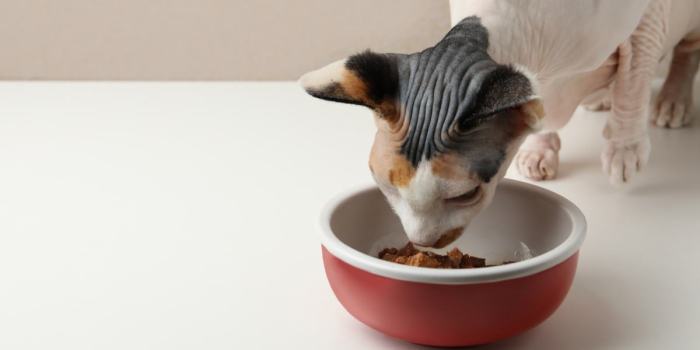
Source: cats.com
If the next two entries are corn gluten, wheat flour, and “natural flavour”? Walk away. That bag is 70% filler with just enough chicken dust sprayed on to make it smell edible. Good chicken food will have chicken, chicken meal, and maybe a second named animal protein in the top three. That’s it. No tricks.
2. Avoid the “all life stages” lie
This one makes me actually angry. Most mass market chicken food will advertise it works for kittens and senior cats. It does not.
Kittens need 50% more protein per pound of body weight. Senior cats need lower phosphorus and softer texture that won’t hurt their worn teeth. One bag can not do both. Brands just don’t want to manufacture and stock extra product. Buy for your cat’s actual age. Don’t fall for it.
3. Your cat does not care about your aesthetic
You don’t need the fancy glass jar wet food that costs $4 a pouch. You don’t need the freeze dried cubes that influencers arrange next to their sourdough loaves on instagram.
I have watched Mochi turn down a $12 artisanal slow cooked chicken dinner, then immediately steal a crumb of generic grocery store kibble off the floor. Cats have terrible taste. Stop paying for pretty packaging.
The mistake almost everyone makes
Everyone obsesses over ingredient lists. No one talks about transition.
If you swap your cat cold turkey onto even the best chicken food on the planet? They will refuse it. They will protest. They will poop somewhere you can’t find it for three days. Cats don’t care that this new food is healthier. They don’t care how much money you spent on it.
You have to mix 10% new food with 90% old for three days. Then 25%. Then 50%. Take two full weeks. It’s boring. It’s annoying. It is non negotiable. Cats don’t do objectivity — they do routine, and they do petty revenge.
Wrapping this up
This really isn’t complicated, actually.
Good chicken cat food is boring. It doesn’t have fancy marketing. It doesn’t have little blueberry bits added for no reason. It doesn’t cost more than your own lunch.
You don’t need to argue with strangers on reddit about it. You don’t need to send samples to a private lab. Just check the first three ingredients. Buy for their age. Transition slow.
At the end of the night, you just want a cat that eats their dinner and doesn’t wake you up at 3am screaming for snacks. That’s the only real metric that matters. Everything else is just noise.
You don’t need a veterinary degree or endless review scrolling to pick good chicken cat food for your cat. All you need is to ignore the flashy front of bag marketing, run that quick 10 second label check, and pay attention to how your cat actually acts after switching. Start tonight by checking the food you already feed, use the slow transition method if you switch, and bookmark this guide for your next pet store run. At the end of the day, the best food is always the one that works for your individual cat, not the one with the most online stars.
