Let’s face it, dealing with cat litter is a chore, but it’s a necessary one! For years, we’ve been stuck with dusty clay and messy alternatives. But crystal litter, made from silica gel, is changing the game. It promises better odor control, less dust, and potentially even cost savings. This guide dives deep into everything you need to know about the best crystal litter – from its science and benefits to choosing the right brand and troubleshooting common issues – so you can create a cleaner, healthier environment for your feline friend and yourself.
We’ll explore the history of this innovative litter, compare it to traditional options, and break down the pros and cons of different brands. Plus, we’ll cover practical tips for transitioning your cat, minimizing tracking, and maximizing the lifespan of your litter, all while keeping your cat’s health and your wallet in mind.
Crystal Litter: A Modern Approach to Cat Waste Management
Choosing the right litter for your feline friend is a surprisingly important decision. It impacts not just your cat’s comfort and hygiene, but also your own cleaning routine and even your home’s air quality. For years, clay litter dominated the market, but a newer contender has emerged: crystal litter. This article dives deep into everything you need to know about crystal litter – what it is, how it works, its pros and cons, and how to make the most of it.
We’ll cover everything from the science behind its absorbency to troubleshooting common issues, helping you decide if crystal litter is the right choice for you and your cat.
Introduction to Crystal Litter
Crystal litter, also known as silica gel litter, represents a significant shift from traditional clay-based options. At its core, it’s made from amorphous silica gel, a highly porous material derived from sand. This silica gel is manufactured into small, crystalline beads. The manufacturing process involves heating sand to extremely high temperatures, which transforms it into a material with an incredibly large surface area.
This expansive surface area is key to its remarkable absorbent properties.The history of crystal litter is relatively recent. It was first introduced to the market in the late 1990s, initially gaining traction as a premium option. Early formulations were often quite expensive and had some tracking issues. However, over the years, manufacturers have refined the process, resulting in more affordable and improved crystal litters.
The evolution has focused on particle size, clumping ability (some varieties do clump, others don’t), and dust reduction.The primary benefits of crystal litter compared to clay, wood, and paper litter are its superior odor control, significantly reduced dust levels, and often, a longer lifespan per bag. While the initial cost might be higher, the reduced frequency of replacement can lead to long-term savings.
It’s also lighter than clay litter, making it easier to handle and pour.
| Litter Type | Absorbency Rating (1-5) | Dust Level (1-5) | Monthly Cost Estimate |
|---|---|---|---|
| Crystal | 5 | 2 | $25 – $45 |
| Clay | 2 | 4 | $15 – $30 |
| Wood | 3 | 3 | $20 – $35 |
| Paper | 1 | 1 | $10 – $25 |
Top Crystal Litter Brands – A Comparative Overview
Several brands have established themselves as leaders in the crystal litter market. Here’s a look at some of the top contenders:* Fresh Step Crystals: A widely available and popular choice, Fresh Step Crystals are known for their strong odor control. Their formulation utilizes silica gel beads with a lavender scent. A unique feature is their “Fast-Clumping” technology, which, while not as robust as some clay litters, does offer some clumping for easier scooping.
Purina Tidy Cats Crystal
Purina Tidy Cats Crystal litter boasts a larger crystal size, which is often cited as reducing tracking. They incorporate a scent booster to combat odors. Their formulation focuses on maximizing absorbency and minimizing dust.
Arm & Hammer Clump & Seal Crystals
This brand combines the odor-fighting power of Arm & Hammer baking soda with crystal litter technology. It offers a balance between odor control and clumping ability. The crystals are slightly larger than some competitors, aiming to reduce tracking.
Petmate Booda Crystal
Petmate Booda Crystal litter is often praised for its exceptionally low dust levels. It’s a good option for cats and owners with respiratory sensitivities. The formulation prioritizes absorbency and odor neutralization without relying heavily on scent.
IMPAK Corporation Nature’s Miracle Crystals
Nature’s Miracle Crystals are known for their ability to neutralize urine odors, thanks to their enzymatic formula. They are a good choice for multi-cat households. The crystal size is moderate, offering a balance between absorbency and tracking.Comparing these brands, Fresh Step and Purina Tidy Cats generally perform well in odor neutralization and absorbency, but can produce slightly more dust than Petmate Booda.
Arm & Hammer offers a good balance, while Nature’s Miracle excels in odor control, particularly for urine. Clumping ability varies; some brands offer minimal clumping, while others provide a more noticeable effect. Tracking is generally reduced with larger crystal sizes, but can still be an issue depending on the cat’s behavior and litter box design.Imagine a cat paw print pressed into litter.
A fine crystal litter (like some formulations of Fresh Step) would leave a more dispersed, powdery trail around the paw, indicating higher tracking potential. Conversely, a coarse crystal litter (like Purina Tidy Cats) would leave a more defined, but less scattered, impression, suggesting reduced tracking. The texture of the crystal significantly impacts how easily it adheres to fur and paws.
Absorbency and Odor Control Capabilities
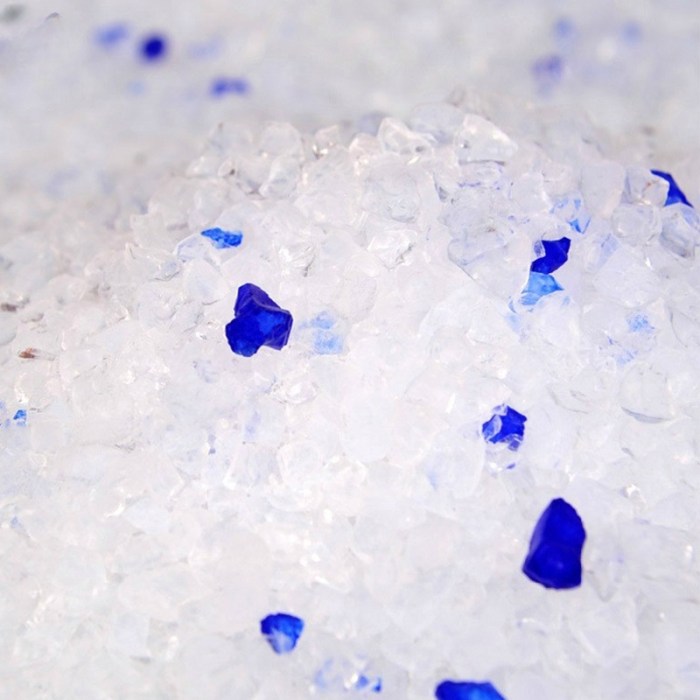
Source: zonsucatlitter.com
The science behind crystal litter’s effectiveness lies in the properties of silica gel. Silica gel is a desiccant, meaning it has a remarkable ability to absorb moisture. The porous structure of the crystals creates a vast surface area, allowing them to soak up urine quickly. As urine comes into contact with the crystals, they absorb the liquid, transforming into a gel-like substance.
This process draws moisture away from the solid waste, inhibiting bacterial growth and reducing odor.Different crystal litters offer varying levels of absorbency. Litters with a higher silica gel concentration generally exhibit greater absorbency, meaning they can absorb more urine before needing to be replaced. This directly impacts usage frequency; highly absorbent litters can last longer between changes, potentially saving you time and money.Maximizing odor control with crystal litter involves proper scooping techniques and regular litter box maintenance.
Daily scooping is crucial to remove solid waste and prevent odor buildup. Stirring the litter occasionally helps to redistribute the crystals and ensure even absorption. Complete litter box changes should be performed when the crystals have reached their saturation point, typically indicated by a significant reduction in their original color or a noticeable odor.Here’s a flowchart illustrating the urine absorption process:
1. Initial Contact
Urine drips onto the crystal litter surface.
2. Absorption
Silica gel crystals rapidly absorb the urine, expanding slightly.
3. Gel Formation
The absorbed urine transforms into a gel-like substance within the crystals.
4. Odor Neutralization
Enzymes (in some formulations) neutralize odor-causing compounds.
5. Evaporation
Moisture gradually evaporates from the gel, leaving behind dry crystals.
Dust Levels and Respiratory Health
Dust is a common concern with all types of cat litter, and crystal litter is no exception. While generally considered lower-dust than clay litter, crystal litter can still produce dust, particularly during pouring and scooping. The source of this dust is primarily the breakdown of the silica gel crystals over time.Inhalation of dust, regardless of the litter type, can potentially irritate the respiratory system of both cats and humans.
Cats, being closer to the litter box, are particularly vulnerable. Symptoms can range from mild sneezing and coughing to more severe respiratory issues, especially in cats with pre-existing conditions like asthma. For humans, prolonged exposure to dust can exacerbate allergies or asthma.Several crystal litters are marketed as “low-dust.” These often utilize specialized manufacturing processes that create larger, more durable crystals, reducing the likelihood of fragmentation and dust generation.
Some brands also incorporate dust-suppressing additives.To minimize dust exposure when using crystal litter, consider these preventative measures:* Litter Box Placement: Place the litter box in a well-ventilated area, away from high-traffic zones.
Scooping Techniques
Scoop slowly and carefully to avoid stirring up dust. Consider wearing a dust mask.
Ventilation
Open a window or turn on a fan while scooping.
Litter Box Lid
Using a litter box with a lid can help contain dust.
Vacuum Regularly
Vacuum around the litter box frequently to remove any settled dust.
Tracking and Litter Scatter
Crystal litter’s tendency to track – that is, being carried out of the litter box on a cat’s paws – is a common complaint. This is primarily due to the small, lightweight nature of the crystals. They easily cling to fur and are readily dislodged as the cat moves around the house.Several factors influence tracking. Particle size is a major determinant; finer crystals track more easily than larger ones.
Litter box design also plays a role; boxes with high sides can help contain litter, while those with open edges are more prone to scatter. Finally, a cat’s behavior – how vigorously they dig and groom themselves – can significantly impact tracking.Minimizing tracking involves a multi-pronged approach. Using litter mats placed in front of the litter box is highly effective in trapping crystals as the cat exits.
Choosing larger crystal sizes, as offered by some brands, can also reduce tracking. Regularly vacuuming around the litter box is essential.> “I was constantly finding tiny crystals all over my living room! It was driving me crazy. I tried everything – different litter boxes, more frequent scooping – but nothing seemed to work. Then I switched to a crystal litter with larger crystals and placed a thick litter mat outside the box.
The difference was night and day!” – Sarah M., frustrated cat owner.
Cost-Effectiveness and Long-Term Value
The initial cost of crystal litter is typically higher than clay, wood, or paper litter. A bag of crystal litter can cost between $20 and $35, depending on the brand and size. However, this higher upfront investment can be offset by its long-term cost-effectiveness.Calculating the long-term cost requires considering factors like usage frequency and litter box size. Because crystal litter is more absorbent and controls odors better, you typically need to replace it less frequently than other litter types.
A single bag can last for several weeks or even months, depending on the number of cats and their litter box habits.The superior absorbency and odor control of crystal litter can lead to significant cost savings. Less frequent litter box changes mean less litter purchased overall. Furthermore, the reduced odor can eliminate the need for additional air fresheners or odor eliminators.
| Litter Type | Initial Cost | Weekly Cost | Monthly Cost |
|---|---|---|---|
| Clay | $10 – $15 | $5 – $10 | $20 – $40 |
| Wood | $15 – $25 | $5 – $8 | $20 – $32 |
| Paper | $12 – $20 | $4 – $7 | $16 – $28 |
| Crystal | $20 – $35 | $3 – $6 | $12 – $24 |
Litter Box Compatibility and Maintenance
Crystal litter is generally compatible with most standard litter boxes. However, boxes with very deep sides are not necessary, as the litter doesn’t clump in the same way as clay. Open-top litter boxes are common, but covered boxes can help contain dust and odors.Proper scooping and cleaning procedures are essential for maintaining crystal litter’s effectiveness. Daily scooping of solid waste is crucial.
Stir the litter regularly (every few days) to redistribute the crystals and ensure even absorption. When the crystals have significantly faded in color or begin to emit an odor, it’s time for a complete litter box change.Determining when to replace the crystal litter is based on visual cues and odor. A significant color change indicates that the crystals have reached their saturation point.
If you notice a persistent odor despite regular scooping, it’s also time for a change.To extend the lifespan of crystal litter, avoid overfilling the litter box. A depth of 2-3 inches is typically sufficient. Also, ensure the litter box is placed on a level surface to prevent uneven distribution of the crystals.
Environmental Considerations
The environmental impact of crystal litter is a complex issue. The production of silica gel requires significant energy and resources. Mining the sand used to create silica gel can also have environmental consequences. However, crystal litter is often marketed as being more environmentally friendly than clay litter, which is mined from natural clay deposits, disrupting ecosystems.Compared to clay, wood, and paper litters, crystal litter generally has a smaller carbon footprint per use due to its superior absorbency and longer lifespan.
Wood litter, while derived from a renewable resource, often requires deforestation. Paper litter, while biodegradable, is often made from virgin wood pulp.Recycling or composting crystal litter is currently limited. Most silica gel litter ends up in landfills. However, some companies are exploring innovative recycling methods to recover silica gel from used litter.Here are some eco-friendly practices related to crystal litter usage:* Responsible Sourcing: Choose brands that prioritize sustainable sourcing of silica gel.
Minimize Waste
Use only the necessary amount of litter in the litter box.
Consider Alternatives
Explore biodegradable litter options if environmental impact is a primary concern.
Proper Disposal
Dispose of used litter responsibly, following local guidelines.
Cat Preferences and Transitioning to Crystal Litter
Some cats may resist switching to crystal litter. This resistance is often due to the unfamiliar texture and sound of the crystals. Cats are creatures of habit, and a sudden change in their litter box environment can be unsettling.Gradually transitioning a cat to crystal litter is the key to success. Start by mixing a small amount of crystal litter with the cat’s existing litter.
Gradually increase the proportion of crystal litter over a period of several days or weeks. This allows the cat to acclimate to the new texture and scent.Signs that a cat is not comfortable with crystal litter include avoiding the litter box, eliminating outside the box, or exhibiting signs of stress, such as excessive grooming or hiding. If these signs appear, slow down the transition or revert to the previous litter type.To make the transition as smooth as possible, consider these tips:* Keep the Familiar Scent: Place a few of the cat’s used litter clumps in the new crystal litter to transfer their scent.
Multiple Litter Boxes
Provide multiple litter boxes, one with the old litter and one with the new, to give the cat a choice.
Positive Reinforcement
Reward the cat with praise and treats when they use the crystal litter.
Troubleshooting Common Issues
Several common problems can arise when using crystal litter. Clumping issues can occur if the litter is not absorbing urine effectively, often due to insufficient moisture or a problem with the formulation. Odor breakthrough can happen if the litter box is not scooped regularly or if the crystals have reached their saturation point. Excessive tracking can be caused by fine crystal sizes or a litter box design that doesn’t contain litter well.Addressing these problems requires adjusting litter box management practices.
For clumping issues, try adding more litter to the box or switching to a different brand with better clumping properties. For odor breakthrough, increase scooping frequency or replace the litter more often. To reduce tracking, switch to a larger crystal size or use a litter mat.Here’s a table summarizing common crystal litter problems and their corresponding solutions:
| Problem | Possible Cause | Solution |
|---|---|---|
| Poor Clumping | Insufficient moisture, low-quality litter | Add more litter, switch brands |
| Odor Breakthrough | Infrequent scooping, saturated litter | Scoop daily, replace litter more often |
| Excessive Tracking | Fine crystal size, open litter box | Switch to larger crystals, use a litter mat |
| Dust Production | Old or fragmented crystals | Switch to a low-dust formula, scoop carefully |
Outcome Summary
Ultimately, choosing the best crystal litter is about finding the right balance between performance, cost, and your cat’s preferences. We’ve covered a lot of ground, from the science behind silica gel to practical tips for minimizing dust and tracking. By understanding the nuances of crystal litter and applying the strategies Artikeld here, you can significantly improve your litter box experience and provide your cat with a comfortable and hygienic space to do their business.
Happy scooping!
Commonly Asked Questions
Can I flush crystal litter down the toilet?
No, absolutely not! While crystal litter is absorbent, it doesn’t break down easily and can cause serious plumbing problems and sewer backups. Always dispose of it in the trash.
How often should I scoop crystal litter?
Generally, you should scoop crystal litter once or twice daily, just like you would with other litter types. The frequency depends on how many cats you have and their litter box habits.
Why is my cat avoiding the crystal litter?
Some cats are sensitive to the texture or smell of crystal litter. A gradual transition (see our guide on transitioning) is key. You can also try a different brand with a finer texture.
Does crystal litter really control odor better than clay?
Yes, silica gel is excellent at absorbing urine and trapping odors. However, proper scooping and litter box maintenance are still essential for optimal odor control.
Is crystal litter safe for kittens?
While generally considered safe, kittens might ingest small amounts of crystal litter. Monitor your kitten and consult a vet if you have concerns. Some brands specifically market litter as kitten-safe.
How do I know when to replace the entire litter box of crystal litter?
Replace the entire litter box when the crystals have lost their absorbency and odor control capabilities, typically after 2-4 weeks depending on usage. You’ll notice a persistent ammonia smell even after scooping.
What’s the best way to clean a crystal litter box?
Empty the entire box, wash it with mild soap and water, rinse thoroughly, and dry completely before refilling with fresh litter.

