Let’s be honest, nobody enjoys the lingering smell of a cat’s litter box. It’s a common complaint among cat owners, and a source of frustration that can impact both our well-being and our feline friends’. Studies show a significant percentage of cat owners struggle with litter box odors, leading to stress and even impacting the bond we share with our cats.
I remember one time, the smell was so bad, my guests were visibly uncomfortable! This guide is all about tackling that problem head-on, exploring everything from litter box types and litter choices to cleaning routines and advanced technologies, so you can finally breathe easy.
We’ll dive deep into the science behind litter box odors, examining how different designs, materials, and cleaning habits contribute to the problem. We’ll also look at innovative solutions, including self-cleaning boxes and odor-absorbing features, to help you create a fresher, more pleasant home environment for both you and your cat. Ultimately, this is about finding a balance between your cat’s needs and your desire for a clean and odor-free living space.
The Best Litter Box for Odor Control: A Cat Owner’s Guide
Let’s be honest, dealing with litter box odors is a universal frustration for cat owners. That lingering smell can permeate your home, making you and your feline friend uncomfortable. It’s not just unpleasant; it can actually impact your cat’s well-being, potentially leading to them avoiding the litter box altogether. Studies show that a significant percentage of cat owners (around 40-50%) report litter box odor as a major concern, impacting their enjoyment of pet ownership.
I remember one friend, Sarah, who was constantly airing out her apartment, trying to mask the smell. It wasn’t until she switched to a self-cleaning box and a different litter that the problem truly disappeared. This guide is all about finding the best solutions to keep your home smelling fresh and your cat happy.
Introduction: The Importance of Odor Control in Litter Boxes
The unpleasant aroma emanating from a litter box is a common complaint among cat owners. It’s a source of embarrassment, can affect air quality, and, surprisingly, can even stress out your cat. Cats are incredibly sensitive to smells, and a consistently smelly litter box might deter them from using it, leading to behavioral issues and potential health problems. Statistics consistently show that odor control is a top priority for cat owners, with many willing to invest in solutions to mitigate the problem.
Imagine this: you’re hosting a dinner party, and the subtle (or not-so-subtle) scent of the litter box wafts through the room. It’s an awkward situation, and it highlights the importance of proactive odor management.
Types of Litter Boxes & Their Odor Control Capabilities
The type of litter box you choose significantly impacts its odor control capabilities. Open litter boxes, the traditional choice, offer easy access for your cat but provide minimal odor containment. Covered boxes trap odors initially but can become breeding grounds for smells if ventilation is poor. Self-cleaning boxes, on the other hand, automate waste removal, drastically reducing odor. The design of each type dictates how effectively odors are dispersed.
Open boxes allow odors to escape freely, while covered boxes rely on ventilation and the effectiveness of their seal. Self-cleaning boxes minimize odor by quickly removing waste.
| Type | Odor Control | Ease of Cleaning | Cost | Cat Preference |
|---|---|---|---|---|
| Open | Low | High | Low | Variable (some cats prefer open access) |
| Covered | Moderate (dependent on ventilation) | Moderate | Moderate | Variable (some cats dislike enclosed spaces) |
| Self-Cleaning | High | Low (automated) | High | Variable (some cats are scared of the mechanism) |
Ventilation is crucial for covered litter boxes. A poorly ventilated box traps odors, creating a concentrated smell. Optimizing ventilation involves ensuring there are sufficient vents, and potentially even adding a small fan to circulate air.
Litter Types and Their Impact on Odor
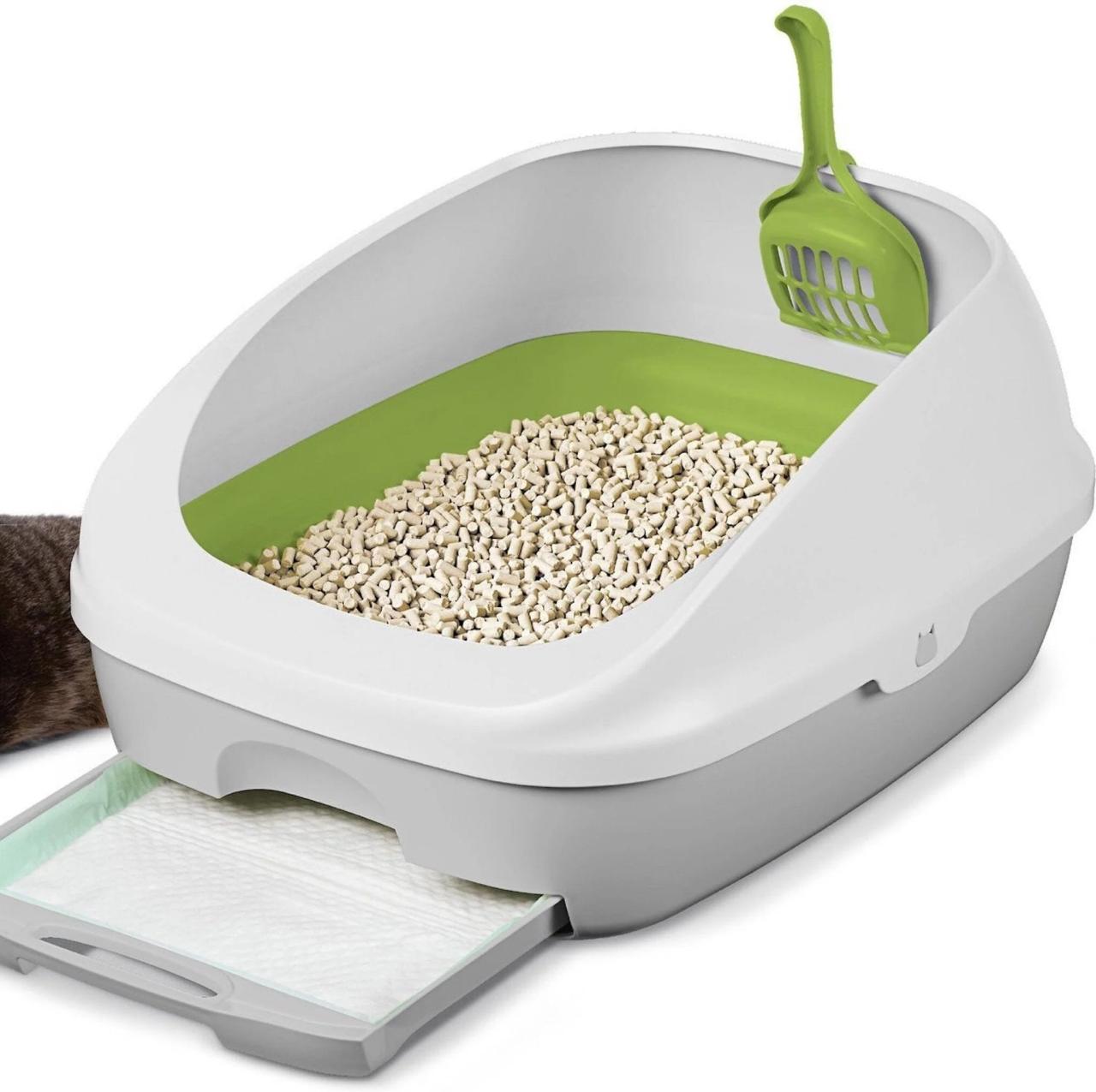
Source: tuftandpaw.com
The type of litter you use is just as important as the box itself. Clay litter is the most common and affordable, but it’s also the least effective at odor control. Clumping clay forms solid clumps, making scooping easier, but the clumps themselves can still retain odors. Crystal/silica gel litter is highly absorbent and effectively traps odors, but it can be more expensive.
Wood and paper litters are biodegradable and offer decent odor control, especially when scented. Corn and wheat litters are also eco-friendly options, but their odor control varies.Here’s a breakdown of the pros and cons of each litter type, specifically focusing on odor management:
- Clay:
- Pros: Affordable, readily available.
- Cons: Poor odor control, dusty.
- Clumping Clay:
- Pros: Easy to scoop, controls tracking.
- Cons: Moderate odor control, can be heavy.
- Crystal/Silica Gel:
- Pros: Excellent odor control, low dust.
- Cons: Expensive, some cats dislike the texture.
- Wood:
- Pros: Biodegradable, decent odor control (especially pine).
- Cons: Can be dusty, some cats dislike the texture.
- Paper:
- Pros: Biodegradable, low dust.
- Cons: Moderate odor control, can be expensive.
- Corn:
- Pros: Biodegradable, low dust.
- Cons: Variable odor control, can attract insects.
- Wheat:
- Pros: Biodegradable, good clumping.
- Cons: Variable odor control, potential allergen.
Features That Enhance Odor Control
Several features can significantly improve odor control. Carbon filters are highly effective at absorbing odors, while antimicrobial litter helps reduce the bacteria that cause smells. Sealed lids prevent odors from escaping, and proper ventilation ensures fresh air circulation. Carbon filters work by adsorbing odor molecules onto their surface. Their lifespan typically ranges from 1-3 months, depending on usage.
Antimicrobial litter inhibits the growth of odor-causing bacteria, reducing the overall smell. A well-sealed lid creates a barrier, preventing odors from escaping into the room.
| Feature | Description | Price Range |
|---|---|---|
| Carbon Filter | Absorbs odors; needs replacement every 1-3 months. | $10 – $50 |
| Antimicrobial | Reduces bacteria that cause odors. | $15 – $40 |
| Sealed Lid | Prevents odor escape. | $20 – $80 |
| Ventilation | Allows airflow to reduce trapped odors. | Included in many covered boxes; additional fans $10 – $30 |
Cleaning Practices for Maximum Odor Reduction
Regular scooping is the most crucial step in odor control. Scooping at least once a day, and ideally twice, prevents the buildup of odor-causing waste. A complete litter box cleaning, involving emptying and disinfecting the box, should be done monthly. Enzymatic cleaners are particularly effective at breaking down odor-causing compounds, unlike regular cleaners that simply mask the smell. Baking soda is a natural odor absorber that can be sprinkled in the litter box to help control lingering smells.Here’s a step-by-step guide for deep cleaning a litter box:
- Empty the entire litter box into a trash bag.
- Wash the litter box with warm water and a mild detergent.
- Rinse thoroughly and allow to dry completely.
- Sprinkle the inside of the box with baking soda.
- Apply an enzymatic cleaner according to the product instructions.
- Let the cleaner sit for the recommended time, then rinse thoroughly.
- Refill with fresh litter.
Advanced Litter Box Technologies for Odor Control
Self-cleaning litter boxes offer a significant advantage in odor control by automatically removing waste. Automated litter boxes often seal waste in airtight bags, further minimizing odors. Several brands offer self-cleaning boxes, with varying levels of performance and price. While they represent a significant investment, the convenience and odor control benefits can be worthwhile.
“I was skeptical at first, but the Litter-Robot has completely transformed our home. The odor is virtually nonexistent, and I no longer dread scooping the litter box!”
Sarah M., Verified Buyer
Placement and Environmental Factors
Litter box placement significantly impacts odor perception. Avoid placing the box in high-traffic areas or near vents that can circulate odors throughout the house. Ventilation in the room is also crucial; a well-ventilated room will naturally disperse odors more effectively. Temperature and humidity can influence odor intensity; warmer temperatures and higher humidity tend to exacerbate smells.Imagine a visual representation: The ideal litter box placement is in a well-ventilated, low-traffic area, preferably a spare bathroom or laundry room.
The box should be positioned away from living areas and vents, with airflow directedaway* from the room. A distance of at least 5-10 feet from bedrooms or living rooms is recommended.
Addressing Specific Odor Issues
Strong litter box odors can sometimes indicate underlying health issues in your cat, such as urinary tract infections or kidney problems. Dietary changes can also impact litter box smell; certain foods can produce stronger-smelling urine. Troubleshooting persistent odor problems requires a systematic approach, starting with ruling out medical conditions and adjusting your cat’s diet.Here’s a flowchart to diagnose and resolve litter box odor issues:
- Is the odor unusually strong or foul? Yes -> Consult a veterinarian. No -> Proceed to step 2.
- Is the litter box being cleaned frequently enough? Yes -> Proceed to step 3. No -> Increase cleaning frequency.
- Is the litter type appropriate for your cat? Yes -> Proceed to step 4. No -> Experiment with different litter types.
- Is the litter box properly ventilated? Yes -> Review placement and airflow. No -> Improve ventilation.
Material Science & Litter Box Construction
The materials used in litter box construction play a role in odor absorption and release. Plastic litter boxes can absorb odors over time, while stainless steel boxes are naturally more resistant to odors. Texture and surface area also affect odor trapping; rougher surfaces tend to trap more odors than smooth ones. Different plastic types vary in their odor-resistant properties; some are more porous than others.The “ideal” litter box material would be a non-porous, stainless steel alloy with a textured interior surface to maximize odor trapping.
It would be durable, easy to clean, and resistant to scratching and staining. A sealed design with a replaceable carbon filter would further enhance odor control.
Final Summary
Navigating the world of litter box odor control can feel overwhelming, but hopefully, this guide has provided you with a clear roadmap. From understanding the impact of litter type and box design to mastering effective cleaning techniques and exploring advanced technologies, there’s a solution out there for every cat owner. Remember, consistent cleaning, thoughtful material choices, and a little bit of experimentation are key to achieving a litter box that’s both functional and odor-free.
Say goodbye to unpleasant smells and hello to a happier, healthier home for you and your furry companion!
FAQ Section
Why is odor control so important for my cat?
Strong litter box odors can stress cats, potentially leading to avoidance of the box and related behavioral issues. A clean litter box promotes their health and happiness.
Can I use essential oils to mask litter box odors?
While tempting, many essential oils are toxic to cats. It’s best to avoid them and focus on eliminating the odor source instead.
How often should I completely empty and clean the litter box?
A full clean should be done at least once a month, or more frequently depending on the number of cats and litter type.
What’s the best way to deal with lingering odors even after cleaning?
Enzymatic cleaners are your best bet! They break down the odor-causing compounds rather than just masking them.
Do self-cleaning litter boxes really work?
They can be very effective, but the quality varies greatly. Research different models and read reviews before investing.
My cat seems to prefer a certain type of litter, but it’s smelly. What should I do?
Try blending the preferred litter with a more odor-controlling option to find a compromise that satisfies your cat and minimizes smells.
Can diet affect litter box odor?
Absolutely! A high-protein diet can lead to stronger-smelling waste. Consider a food formulated for sensitive digestion.