Let’s face it, nobody enjoys the lingering smell of a litter box. It’s a common problem for cat owners, but thankfully, it’s one that can be effectively managed. Understanding the science behind those unpleasant odors, choosing the right litter, and implementing consistent cleaning routines are key to keeping your home smelling fresh and your feline friend happy. This guide dives deep into everything you need to know about achieving the best litter box odor control, from the chemical reactions at play to advanced technological solutions.
We’ll explore various litter types, cleaning techniques, and even how your cat’s diet can impact the situation. Plus, we’ll look at innovative products and placement strategies to minimize odors and create a more pleasant environment for both you and your cat. Get ready to say goodbye to those unwanted smells and hello to a fresher, cleaner home!
Understanding Litter Box Odor – The Science
Let’s be honest, nobody enjoys the smell of a litter box. It’s a reality of cat ownership, but it doesn’t have to be overwhelming. Understanding
-why* litter boxes smell is the first step to controlling it. It’s not just about a “bad smell”; it’s a complex chemical process happening right in your home. This article dives into the science behind litter box odors, exploring the different waste components, how they interact, and what factors influence the strength of that aroma.
The unpleasant odor we associate with litter boxes isn’t a single compound. It’s a cocktail of volatile organic compounds (VOCs) produced by the breakdown of cat waste. The primary culprit is ammonia, but other compounds like sulfur-containing molecules and short-chain fatty acids also contribute. Bacteria play a crucial role in this process, breaking down urea in urine into ammonia. The type of litter, your cat’s diet, and even their health can significantly impact the intensity of these smells.
Different Types of Waste and Their Contribution to Odor
Cat waste isn’t just one thing. It’s a combination of urine, feces, and the breakdown of the litter substrate itself. Each contributes differently to the overall odor profile. Urine is the biggest offender, primarily due to the ammonia produced by bacterial action. Feces, depending on the cat’s diet, can release sulfurous compounds, which have a distinct, often unpleasant, smell.
Finally, some litters, particularly wood and paper-based varieties, can degrade over time, releasing their own VOCs and contributing to the odor.
Factors Influencing Odor Production
It’s not just about the waste itself; several factors influence how much odor is produced. A cat’s diet plays a significant role. Diets high in protein can lead to more concentrated urine, increasing ammonia production. Health conditions, particularly urinary tract infections (UTIs) and kidney disease, can also alter urine composition and odor. The type of litter used is also critical.
Some litters are better at absorbing or neutralizing odors than others. Even the cat’s age can impact the smell – as cats age, their kidneys become less efficient, potentially leading to more concentrated urine.
| Age Group | Primary Odor Compounds | Concentration Levels |
|---|---|---|
| Kitten | Ammonia, short-chain fatty acids | Lower (due to higher water content in urine) |
| Adult | Ammonia, sulfur compounds, indoles | Moderate (dependent on diet and hydration) |
| Senior | Ammonia, urea, creatinine | Potentially Higher (due to reduced kidney function) |
Litter Types and Their Odor Control Capabilities
Choosing the right litter is crucial for odor control. There’s a wide variety available, each with its own strengths and weaknesses. From traditional clay to innovative plant-based options, understanding how each type handles odors is key to finding the best fit for you and your cat. This section breaks down the most common litter types, explaining their odor control mechanisms and highlighting their pros and cons.
Comparing Litter Types
Clay litter is the classic choice, but it’s not the best for odor control. It primarily absorbs urine, but doesn’t neutralize odors. Clumping clay litters are an improvement, as they form solid clumps that can be easily removed, but they still rely on absorption and can become saturated quickly. Crystal/silica gel litters are highly absorbent and can trap odors effectively, but they can be expensive.
Wood and paper litters are biodegradable and offer some odor control through absorption, but they can be dusty. Plant-based litters, like corn, wheat, or walnut, are also biodegradable and often have good odor control properties, but some cats may not like the texture.
How Each Litter Type Handles Odors
The way each litter type handles odors differs significantly. Clay litters simply absorb the urine, trapping it within the granules. Clumping clay forms clumps, making removal easier, but the odor remains trapped within the clump. Silica gel litters absorb a large amount of urine and trap odors within their porous structure. Wood and paper litters absorb urine and can release natural oils that help mask odors.
Plant-based litters often contain natural enzymes that can break down odor-causing compounds. The effectiveness of each type depends on factors like the litter’s porosity, absorbency, and any added odor-neutralizing agents.
| Litter Type | Odor Control | Dust Levels | Tracking | Cost |
|---|---|---|---|---|
| Clay | Poor | High | Moderate | Low |
| Clumping Clay | Moderate | Moderate | Moderate | Moderate |
| Crystal/Silica Gel | Excellent | Low | Low | High |
| Wood | Moderate | Moderate | Low | Moderate |
| Paper | Fair | Moderate | Low | Moderate |
| Plant-Based | Good to Excellent | Low to Moderate | Low to Moderate | Moderate to High |
Scented vs. Unscented Litters
The debate between scented and unscented litters is a common one. Scented litters aim to mask odors with fragrances, but many cats are sensitive to these scents and may avoid using the litter box. Unscented litters rely on absorption and neutralization, and are generally a safer bet for cats with sensitivities. While a pleasant scent might seem appealing to humans, your cat’s preference should always be the priority.
Effective Cleaning Methods & Frequency
Even the best litter can’t completely eliminate odors without proper cleaning. Regular scooping and complete litter box changes are essential for maintaining a fresh-smelling home. This section Artikels a step-by-step guide to thorough litter box cleaning, discusses the importance of frequency, and shares best practices for disinfecting the area.
Step-by-Step Cleaning Guide
Cleaning a litter box thoroughly involves more than just scooping. First, gather your supplies: a scoop, a dustpan, a trash bag, a mild detergent, warm water, and a scrub brush. Empty the entire litter box into a trash bag. Wash the litter box with warm, soapy water, scrubbing away any stuck-on debris. Rinse thoroughly and allow it to dry completely before refilling with fresh litter.
Avoid using harsh chemicals like bleach, as they can be harmful to cats.
Daily Scooping vs. Complete Changes
Source: meowant.com
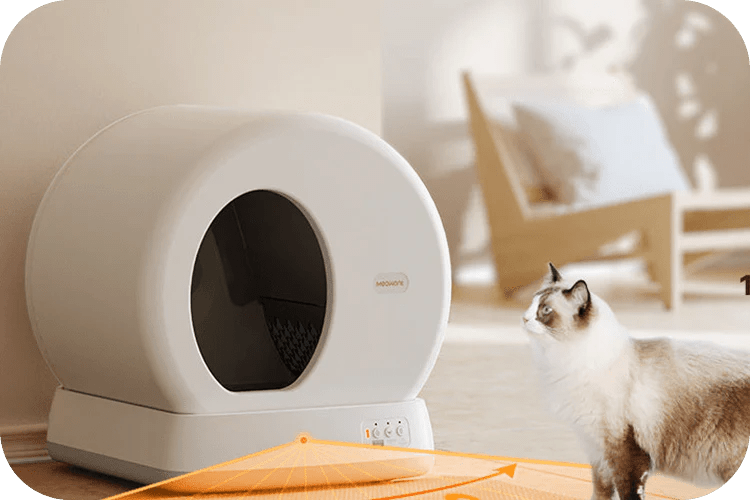
Daily scooping is crucial for removing solid waste and clumps of urine, preventing odor buildup. However, complete litter box changes are also necessary. How often you need to do a complete change depends on the type of litter and the number of cats using the box. Generally, a complete change every 2-4 weeks is recommended, even with daily scooping.
Disinfecting the Litter Box and Surrounding Area
Disinfecting the litter box and surrounding area is essential for eliminating odor-causing bacteria. After cleaning, you can disinfect the litter box with a diluted bleach solution (1 part bleach to 32 parts water), or a commercial pet-safe disinfectant. Be sure to rinse thoroughly and allow it to dry completely before refilling. Also, regularly clean the area around the litter box to prevent the spread of litter dust and odors.
- Number of Cats: 1-2 cats = Complete change every 3-4 weeks
- Litter Type: Crystal/Silica Gel = Complete change every 4-6 weeks
- Litter Type: Clay/Clumping Clay = Complete change every 2-3 weeks
- Litter Type: Wood/Plant-Based = Complete change every 2-4 weeks
- Daily Scooping: Always scoop daily, regardless of litter type or number of cats.
Conclusive Thoughts
From understanding the chemical culprits behind litter box odors to exploring cutting-edge self-cleaning systems, this guide provides a roadmap to a fresher-smelling home. By combining smart litter choices, diligent cleaning habits, and a little knowledge about your cat’s health and diet, you can effectively tackle even the most stubborn odors. Remember, a clean litter box isn’t just about comfort; it’s about your cat’s well-being and your own peace of mind.
So, take the steps Artikeld here, and enjoy a happier, healthier, and more fragrant home with your feline companion!
Question Bank
Why does my cat’s urine smell so strong sometimes?
Strong urine odor can be due to diet, hydration levels, or underlying medical conditions like urinary tract infections. Increasing water intake and a vet checkup can often help.
How often should I completely change the litter box?
This depends on the number of cats and the litter type. Generally, a full change every 2-4 weeks is recommended, with daily scooping.
Are scented litters actually better for odor control?
Not necessarily. Many cats dislike scented litters, and the fragrance often just masks the odor rather than neutralizing it. Unscented litters combined with good cleaning practices are often more effective.
Can I use vinegar to clean my cat’s litter box?
While vinegar is a natural cleaner, it can be irritating to cats. It’s best to use enzymatic cleaners specifically designed for pet waste.
What’s the best way to deal with litter box odor in a multi-cat household?
More litter boxes are essential! A general rule is one box per cat plus one extra. Frequent scooping and regular deep cleaning are also crucial.
Do air purifiers really work for litter box odors?
Yes, especially those with activated carbon filters, which are designed to absorb odors. Look for models specifically marketed for pet odors.