We all want the best for our furry friends, and that includes ensuring they stay properly hydrated. Did you know that many pets don’t drink enough water, leading to potential health issues? Traditional water bowls can quickly become breeding grounds for bacteria and often don’t entice pets to drink more. Enter the pet water fountain – a clever solution designed to provide fresh, flowing water that encourages hydration and promotes overall well-being.
This guide explores everything you need to know about choosing the best pet water fountain, from different types and filtration systems to maintenance and safety.
We’ll dive into the various materials like ceramic, stainless steel, and plastic, weighing their pros and cons. You’ll learn about electric and gravity-fed options, understand the importance of filtration, and discover features that cater to your pet’s specific needs. Plus, we’ll cover essential maintenance tips and troubleshooting common problems to keep your fountain running smoothly and your pet happily hydrated.
The Ultimate Guide to Pet Water Fountains: Keeping Your Furry Friend Hydrated
We all know how important water is for our health, and our pets are no different. But getting them to drink enough can be a challenge. Traditional water bowls often sit stagnant, collecting dust and bacteria, and many pets simply don’t find them appealing. That’s where pet water fountains come in. They offer a fresh, flowing source of water that encourages pets to drink more, leading to a healthier and happier companion.
This guide will walk you through everything you need to know about choosing, using, and maintaining a pet water fountain.
Encouraging your pet to drink more water is crucial for their overall well-being. Proper hydration supports kidney function, helps prevent urinary tract infections, aids digestion, and regulates body temperature. Dehydration can lead to serious health problems, so ensuring your pet has access to fresh, appealing water is a simple yet vital step in preventative care. Traditional water bowls, while convenient, often fail to provide consistently clean and appealing water.
Water can quickly become stale, attracting dust, insects, and even algae. This can deter pets from drinking and potentially expose them to harmful bacteria.
Stagnant water is a breeding ground for bacteria and algae, which can pose a health risk to your pet. These microorganisms can cause gastrointestinal upset, infections, and other illnesses. Furthermore, the taste and smell of stagnant water can be unappealing to pets, further reducing their water intake. Pet water fountains address these issues by providing a continuous flow of fresh water, minimizing the risk of bacterial growth and encouraging pets to drink more frequently.
You’ll find a variety of fountain types available, from simple gravity-fed models to sophisticated electric fountains with advanced filtration systems.
Types of Pet Water Fountains: A Comparative Look
Choosing the right type of pet water fountain depends on your pet’s needs, your budget, and your lifestyle. The most common materials are ceramic, stainless steel, and plastic, each with its own set of advantages and disadvantages. Ceramic fountains are often aesthetically pleasing and don’t impart a taste to the water, but they can be more fragile and harder to clean thoroughly.
Stainless steel fountains are durable, hygienic, and easy to clean, but some pets may be put off by the metallic taste. Plastic fountains are the most affordable option, but they can be prone to scratches and may leach chemicals into the water if not made from BPA-free materials.
| Fountain Type | Material | Cleaning Difficulty | Noise Level | Filtration | Cost | Pet Preference |
|---|---|---|---|---|---|---|
| Ceramic | Ceramic | Moderate – porous material can trap bacteria | Quiet | Typically activated carbon | Mid-Range | Often preferred for aesthetics |
| Stainless Steel | Stainless Steel | Easy – non-porous and dishwasher safe | Can be noisy depending on the pump | Typically activated carbon and sponge | Mid-Range to High | Some pets dislike the metallic taste |
| Plastic | Plastic (BPA-free recommended) | Easy, but can scratch and harbor bacteria | Quiet | Varies – often activated carbon and sponge | Budget-Friendly | Least durable, potential for chemical leaching |
| Electric | Various (Ceramic, Stainless Steel, Plastic) | Varies depending on material | Can be noisy depending on the pump | Advanced – often multi-stage filtration | Mid-Range to High | Consistent water flow |
| Gravity-fed | Various (Ceramic, Glass, Plastic) | Easy to clean | Silent | Basic – often a sponge filter | Budget-Friendly | No electricity required |
Electric fountains use a pump to circulate the water, providing a continuous flow and often incorporating filtration systems. They require electricity but offer consistent water flow and can be more effective at removing impurities. Gravity-fed fountains rely on the natural flow of water from a reservoir, requiring no electricity. They are quieter and simpler to use but may not provide as consistent a flow as electric models.
Unique designs like waterfall fountains, bubble fountains, and tiered fountains can add visual appeal and encourage pets to drink by mimicking natural water sources.
Filtration Systems: Ensuring Clean and Safe Water
The filtration system is a critical component of any pet water fountain. It removes impurities, improves water quality, and helps prevent bacterial growth. Common filter types include activated carbon and sponge filters. Activated carbon filters are highly effective at removing chlorine, odors, and tastes, while sponge filters trap larger particles and debris. The combination of both types provides comprehensive filtration.
Activated carbon filters work by adsorption, a process where impurities adhere to the surface of the carbon material. This effectively removes chemicals and improves the taste and odor of the water. Sponge filters, on the other hand, act as a physical barrier, trapping sediment, hair, and other debris. Regular filter replacement is essential to maintain optimal water quality. We recommend replacing activated carbon filters every 2-4 weeks and sponge filters every 1-2 months, depending on usage and water quality.
- Disassemble the fountain: Carefully remove the filter housing and filter components.
- Rinse the sponge filter: Gently rinse the sponge filter under cool water to remove loose debris. Do not use soap or detergents.
- Replace the activated carbon filter: Insert a new activated carbon filter into the filter housing.
- Reassemble the fountain: Carefully reassemble the fountain, ensuring all components are properly secured.
- Flush the fountain: Run the fountain for a few minutes to flush out any loose carbon particles.
Features to Consider: Beyond the Basics
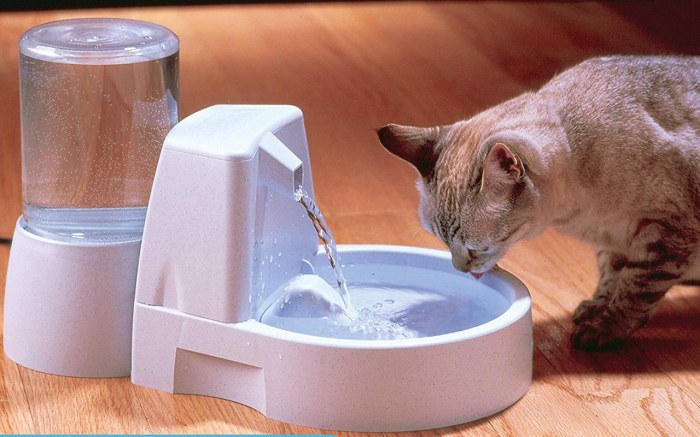
Source: ctopreviews.com
While basic functionality is essential, several features can enhance the performance and appeal of a pet water fountain. Multiple water flow settings allow you to customize the water flow to suit your pet’s preferences. Quiet operation is crucial, especially for pets who are easily startled. An automatic shut-off feature provides peace of mind by preventing the fountain from running dry.
Fountain capacity should be chosen based on the number and size of your pets. A small fountain may be sufficient for a single cat, while a larger household with multiple pets will require a fountain with a greater capacity. Consider features that cater to specific pet needs, such as elevated bowls for older pets with arthritis or wider basins for larger breeds.
These thoughtful additions can significantly improve your pet’s drinking experience.
| Feature | Quiet Operation (dB) | Flow Settings | Capacity (oz/L) | Auto Shut-off | Material | Price Range |
|---|---|---|---|---|---|---|
| Model A | 35 | 2 | 64 oz / 1.9 L | Yes | Stainless Steel | $40 – $60 |
| Model B | 28 | 3 | 80 oz / 2.4 L | Yes | Ceramic | $50 – $75 |
| Model C | 40 | 1 | 32 oz / 0.9 L | No | Plastic | $20 – $30 |
Top Fountain Models: Examining Popular Choices
Several pet water fountains consistently receive high ratings from pet owners. The PetSafe Drinkwell Platinum is a popular choice known for its multi-stage filtration system and stainless steel construction. The Catit Flower Fountain is praised for its attractive design and quiet operation. The AmazonBasics Pet Water Fountain offers a budget-friendly option with a simple design and easy-to-replace filters.
Performance varies between models. The PetSafe Drinkwell Platinum generally provides a stronger water flow and more effective filtration than the Catit Flower Fountain. However, the Catit Flower Fountain is noticeably quieter. The AmazonBasics fountain offers adequate filtration but may be less durable than the other two models. User reviews consistently highlight the ease of use and pet acceptance of the PetSafe Drinkwell Platinum.
“My cat used to barely drink any water, but since I got the PetSafe fountain, he’s drinking so much more! It’s so easy to clean, and he absolutely loves the flowing water. I highly recommend it!”
Sarah M.
Maintenance and Cleaning: Keeping Your Fountain Hygienic
Regular cleaning is essential to prevent bacterial buildup and ensure your pet’s water remains safe and appealing. Disassemble the fountain completely, washing all components with warm water and a pet-safe cleaning solution. Avoid using harsh chemicals or abrasive cleaners, as these can damage the fountain and potentially contaminate the water. Sanitize the fountain regularly with a diluted vinegar solution.
Preventing algae and biofilm buildup is crucial for maintaining a hygienic fountain. Regular cleaning and filter replacement are the best preventative measures. Consider using a fountain cover to protect the water from dust and sunlight. Here’s a maintenance checklist:
- Weekly: Wash the fountain bowl and replace the sponge filter.
- Monthly: Replace the activated carbon filter and thoroughly clean all fountain components.
- Quarterly: Deep clean the fountain with a pet-safe disinfectant and inspect all parts for wear and tear.
Addressing Common Issues: Troubleshooting and Solutions
Reduced water flow can be caused by a clogged filter, a low water level, or a malfunctioning pump. Check the filter and replace it if necessary. Ensure the water reservoir is filled to the appropriate level. If the pump is not working, try cleaning it or contacting the manufacturer for assistance. Unusual noises may indicate a loose component or a failing pump.
Tighten any loose parts and consider replacing the pump if the noise persists. Filter clogging is a common issue, so regular filter replacement is essential.
To prevent pets from playing with or damaging the fountain, place it in a location that is accessible but not easily knocked over. Consider using a fountain mat to protect the floor from spills. Supervise your pet’s initial interactions with the fountain to ensure they are not attempting to chew on or dismantle it.
Pet Preferences: Encouraging Fountain Use
Introducing a new fountain to your pet requires patience and encouragement. Place the fountain near their existing water bowl and allow them to explore it at their own pace. You can entice them to drink by adding a small amount of their favorite wet food or broth to the water. Adjusting the water flow settings can also influence their preference.
Some pets prefer a gentle trickle, while others prefer a more vigorous flow.
Positioning the fountain in a convenient and accessible location is key to encouraging use. Choose a spot that is away from high-traffic areas and easily accessible to your pet. Ensure the fountain is placed on a stable surface to prevent spills and accidents.
Imagine a sleek, stainless steel fountain nestled in a sun-drenched corner of a living room. A fluffy Persian cat, with its long, luxurious fur, is gracefully lapping up the flowing water. Its posture is relaxed and confident, its face displaying a look of pure contentment. The surrounding environment is clean and inviting, with soft rugs and comfortable furniture, creating a serene and appealing space for the cat to hydrate and relax.
Cost Considerations: Budget-Friendly Options and Long-Term Value
The initial cost of pet water fountains varies widely, ranging from $20 for a basic plastic model to $100 or more for a premium stainless steel fountain with advanced features. Ongoing expenses include filter replacements and electricity usage. While electric fountains consume a small amount of electricity, the cost is typically minimal. Investing in a high-quality fountain that will last for years can offer significant long-term value.
| Fountain Model | Initial Cost | Filter Cost (2 Years) | Total Cost of Ownership (2 Years) |
|---|---|---|---|
| Budget Model | $25 | $20 | $45 |
| Mid-Range Model | $50 | $40 | $90 |
| Premium Model | $100 | $60 | $160 |
Safety Precautions: Protecting Your Pets
Pet water fountains pose potential hazards, such as electrical shock and water contamination. Ensure the fountain is properly grounded and that the power cord is in good condition. Regularly clean the fountain to prevent bacterial growth and water contamination. Choose fountains that are certified by reputable safety organizations, such as UL or ETL, to ensure they meet safety standards.
Warning signs that a fountain may be malfunctioning or posing a safety risk include unusual noises, reduced water flow, a strong odor, or visible signs of bacterial growth. If you notice any of these signs, discontinue use and inspect the fountain thoroughly. Prioritize your pet’s safety by taking these precautions and ensuring their water source is clean, reliable, and secure.
Closure
Ultimately, investing in a pet water fountain is an investment in your pet’s health and happiness. By understanding the different types, features, and maintenance requirements, you can choose a fountain that perfectly suits your pet’s needs and preferences. From encouraging increased water intake to providing a constant source of fresh, clean water, a good fountain can make a significant difference in your pet’s overall well-being.
So, take the plunge and give your furry companion the gift of hydration!
Remember to prioritize safety, regular cleaning, and observing your pet’s behavior to ensure they’re enjoying their new fountain. With the right fountain and a little care, you can provide your pet with a constant source of refreshing water and contribute to a longer, healthier, and happier life.
General Inquiries
How often should I clean my pet water fountain?
A thorough cleaning is recommended every 1-2 weeks. Daily rinsing of the bowl is a good habit too!
What kind of cleaning products are safe to use?
Stick to pet-safe, non-toxic cleaners. Diluted white vinegar is a great natural option.
How do I know when to replace the filter?
Follow the manufacturer’s recommendations (usually every 2-4 weeks for activated carbon filters). You’ll also notice reduced water flow or a change in water taste.
My pet won’t drink from the fountain. What should I do?
Try adjusting the water flow, moving the fountain to a different location, or adding a small amount of flavored water (like tuna juice – in moderation!).
Are electric fountains safe?
Yes, but ensure the fountain is certified by a reputable safety organization and that the electrical cord is protected from chewing.
Can I use tap water in the fountain?
Yes, but filtered water is always preferable. If using tap water, let it sit for 24 hours to allow chlorine to evaporate.
What does biofilm look like?
Biofilm appears as a slimy, often greenish or brownish, layer on the fountain surfaces. Regular cleaning helps prevent its buildup.

