If you’ve ever stared at a quiet, motionless bird in your yard and felt that quiet twist of worry, you are exactly who this guide is for. Almost everyone searching this topic has just spotted something off, and they don’t want textbook definitions, they want honest, actionable answers.
Every sign shared here can be observed without touching or approaching a potentially sick bird. We will skip the generic symptom lists, call out the most common misdiagnoses, and tell you exactly what to do the second you spot something concerning.
I was leaning on my back fence last Tuesday, coffee going cold in my hand, when I watched my oldest hen just stare at a whole strawberry at her feet.
Normally she’d body slam three other birds to get that thing. She’d fight a raccoon for that strawberry. That day? She didn’t even peck it.
I knew right then. Four hours later she was gone. By sunset two more were down. That’s the thing about bird flu no one warns you about. It doesn’t announce itself. It doesn’t give you a dramatic warning. It just shows up, quiet, and moves faster than you can react.
Stop waiting for the obvious symptoms
Every official list will tell you to watch for twisted necks, bloody droppings, gasping for air. That’s correct. But by the time you see those things? You’ve already lost. Those are end stage signs.
By then the virus has been in your flock for three days. It’s on your boots. It’s on your gloves. It’s probably already blown over the fence into your neighbour’s yard.
The early signs are boring. They’re the tiny things you’ll write off as nothing. You’ll tell yourself she’s just tired. She’s just broody. It’s hot out.
The first signs almost no one talks about
- They stop fighting over food. This is the single earliest red flag. If your flock doesn’t shove each other for treats, something is very, very wrong. This can show up 36 full hours before any other symptom.
- One bird sits alone in the open. Not on the roost. Not in a nest box. Just hunched in the middle of the run, away from everyone else. 9 out of 10 people assume this is a broody hen. It almost never is.
- Watery, glassy eyes. No crust. No discharge. Just looks like they got a little dust in them. You’ll wipe it with your thumb. It will be back 10 minutes later. Everyone misses this.
- They stop making noise. Not quiet. Silent. A whole run of hens that don’t cluck, don’t squawk, don’t complain when you open the gate? That’s not normal.
That’s it. That’s the first 12 hours.
You will not see anything else. They will still drink. Most will still lay. They will look almost fine. Right up until they aren’t.
What to do the second you notice something off
Every guide will tell you to call your state vet immediately. That’s good advice. Do that first. But no one tells you what to do in the three hours before they call you back.
Lock all the birds where they are. Don’t try to separate the sick one. Don’t carry it inside to make it comfortable. I know you want to. Don’t. Don’t move anything in or out of the run. Not even a water bucket.
Take off your shoes before you step back onto your porch. Wash your arms all the way up to your elbows with regular dish soap. Don’t pet your dog. Don’t walk next door to ask if anyone else has noticed anything. Not yet.
And yes, this feels dramatic. It feels like overreacting. It is not. This virus doesn’t care that you’re a good owner. It doesn’t care that you clean the coop every week. It just moves.
The part no one wants to say out loud
Sometimes you will see no signs at all.
This is the worst truth right now. You can have perfectly normal, happy, healthy acting birds that are shedding massive amounts of virus for 72 full hours. They will eat. They will chase bugs. They will lay perfect eggs. Then they will drop dead at dusk.
I’ve had three friends lose their entire flocks in the last month. Every single one said the exact same thing. “They were fine that morning.”
This is why it’s spreading so fast. We’re all trained to watch for sick animals. This one doesn’t play by those rules.
What actually works right now
You will see a thousand people online selling miracle tonics. Essential oil sprays. Special feed additives. None of it works. Don’t waste your money. Don’t waste your time.
There is no secret trick. There are only boring, annoying habits that will keep your birds safe:
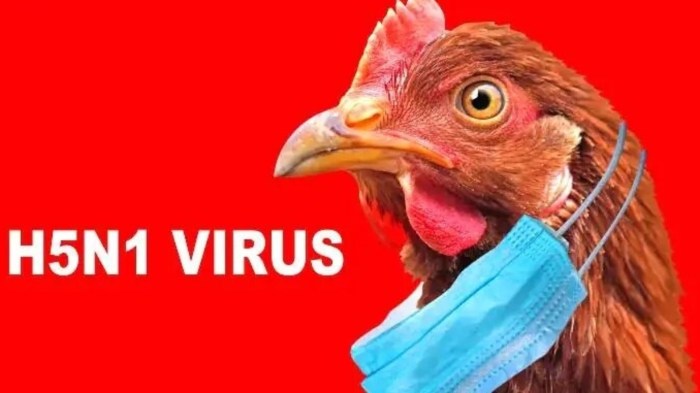
Source: hindustantimes.com
- Keep a dedicated pair of rubber boots right at the run gate. Never wear them anywhere else. Not even to walk to the garage.
- Stop letting visitors go near the flock. Even the nice lady from down the road that brings extra scratch. No exceptions.
- Don’t swap eggs with neighbours right now. I know. This sucks. This is the best protection we have right now.
- Stand and watch your flock for 5 whole minutes twice a day. Don’t just glance through the fence on your way to work. Watch how they move. Watch how they act. You know what normal looks like. Trust that feeling when something is off.
This isn’t something to panic about. But it’s also not something to ignore.
Most of what you see online swings between screaming that the sky is falling, or pretending this whole thing isn’t happening at all. The reality is much quieter.
It’s noticing the hen that didn’t fight for a strawberry. It’s changing your boots every single time. It’s not brushing off that tiny weird thing you can’t quite explain.
You don’t need a veterinary degree. You don’t need fancy equipment. You just need to pay attention. That’s the whole trick.
Nine times out of ten, odd bird behaviour will turn out to be nothing more than molting, heat stress, or regular flock dynamics. But catching genuine bird flu early doesn’t make you paranoid, it makes you a responsible caretaker for your animals, your family and your neighbours. Bookmark this page instead of screenshotting it, as symptom guidance is updated regularly as new strain data becomes available, and always trust what you observe in your yard over waiting for official alerts.

