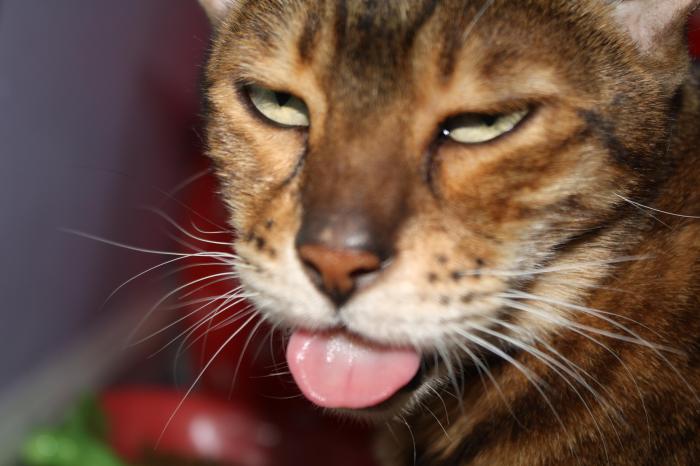
Have you ever seen a cat with a little bit of tongue peeking out? That adorable, slightly goofy expression is known as a “blep,” and it’s taken the internet by storm! This isn’t just a random quirk; it’s a fascinating blend of anatomy, neurology, and cultural appreciation. We’re diving deep into the world of blep cats, exploring everything from the science behind the blep to its impact on internet culture and even artistic representations.
From the subtle muscle movements that create the blep to the emotional responses it evokes in humans, we’ll unravel the mysteries behind this charming feline habit. We’ll also look at which breeds are most prone to blepping, potential health considerations, and how artists have captured the essence of the blep in various mediums. Get ready to learn all about these delightfully goofy felines!
The Curious Case of the Blep Cat
Let’s be honest, the internet loves a good quirk. And few quirks are as consistently delightful as the “blep.” You’ve probably seen them – cats with their tongues just
-slightly* protruding from their mouths, creating an expression that’s equal parts goofy and endearing. But what
-is* a blep, really? Why do cats do it, and why are we so captivated by it?
This article dives deep into the world of blep cats, exploring everything from the underlying anatomy to the cultural phenomenon they’ve become.
We’ll unpack the science, the humor, and the surprisingly complex world of feline facial expressions. Whether you’re a seasoned blep enthusiast or a curious newcomer, get ready to learn something new about these adorable, tongue-out felines.
Defining the “Blep” Phenomenon
The blep isn’t just any old tongue protrusion; it’s a specific, subtle expression. It’s characterized by a small, relaxed extension of the tongue, typically just past the lips, without any obvious tension or effort. It’s a far cry from a panting cat or one actively lapping up water.
- Physical Characteristics: A true blep involves minimal tongue extension, often just the tip. The mouth is generally relaxed, and there’s no visible straining of the jaw muscles. The tongue itself appears loose and unforced.
- Muscle Actions: Several muscles are involved, primarily those controlling the tongue (the genioglossus and hyoglossus) and the jaw. A blep likely results from a slight relaxation of these muscles, allowing the tongue to gently protrude. It’s not a forceful action, but rather a passive consequence of muscle tone.
- Neurological Factors: The precise neurological mechanisms are still being researched, but it’s believed that a blep could be linked to the cat’s state of relaxation. The brainstem, which controls many involuntary functions, likely plays a role in regulating muscle tone and contributing to this relaxed state.
- Blep vs. Tongue Protrusion: A standard tongue protrusion is often more dramatic, involving a greater extension of the tongue and potentially accompanied by jaw movement or panting. A blep is subtle, relaxed, and almost effortless. Think of it as the difference between a deliberate stick-out and a gentle peek.
The Cultural Significance of Blep Cats
The rise of “blep cat” imagery online is a fascinating example of how the internet can latch onto the unexpected and turn it into a beloved meme. It’s a testament to our shared appreciation for quirky, relatable moments.
- History and Popularity: The earliest documented instances of “blep cat” imagery online date back to the mid-2000s on platforms like Flickr and early imageboards. However, the phenomenon truly exploded in the early 2010s with the rise of social media, particularly Tumblr and Reddit.
- Emotional Responses: Blep cat pictures consistently elicit feelings of humor and affection. The slightly goofy expression is inherently amusing, while the relaxed posture often conveys a sense of contentment and vulnerability that resonates with viewers.
- Timeline of Significant Moments:
- 2008-2010: Early appearances on Flickr and imageboards.
- 2012-2014: Rapid spread on Tumblr and Reddit, with dedicated communities forming.
- 2015-Present: Mainstream recognition across all major social media platforms, with blep cats becoming a ubiquitous internet meme.
- Popular Social Media Platforms: Instagram, Reddit (r/cats, r/blep), Twitter, Facebook, and TikTok are all hotspots for blep cat content.
Breeds Predisposed to Blepping
While any cat
-can* blep, certain breeds seem to exhibit the behavior more frequently than others. This is likely due to a combination of anatomical and genetic factors.
- Breeds with Higher Frequency: Persian, British Shorthair, Scottish Fold, and Exotic Shorthair cats are often cited as being more prone to blepping.
- Anatomical Differences: These breeds often share characteristics like shorter noses and flatter faces (brachycephalic features). This can affect the position of the tongue and the ease with which it protrudes.
- Short-Nosed vs. Long-Nosed Breeds: Short-nosed breeds tend to have a greater predisposition to blepping due to the altered anatomy of their mouths and jaws. Long-nosed breeds generally have less of a tendency, although it’s not entirely absent.
| Breed | Blep Frequency (estimated) | Physical Characteristic Contributing |
|---|---|---|
| Persian | High (60-80%) | Short nose, flat face |
| British Shorthair | Moderate (40-60%) | Slightly shortened face |
| Scottish Fold | Moderate (30-50%) | Unique facial structure, potential impact on tongue placement |
| Siamese | Low (10-20%) | Long nose, more typical feline facial structure |
Health Considerations & Blepping
While a blep is usually harmless and endearing, it’s important to be aware of potential underlying medical conditions that could contribute to excessive or unusual tongue protrusion.
- Potential Medical Reasons: Dental issues (abscesses, gingivitis), neurological conditions (stroke, seizures), and respiratory problems can sometimes lead to increased tongue protrusion.
- Signs and Symptoms: Excessive drooling, difficulty breathing, changes in appetite, lethargy, and unusual vocalizations should all be investigated by a veterinarian.
- Importance of Veterinary Consultation: If your cat’s blepping behavior changes suddenly or is accompanied by any other concerning symptoms, it’s crucial to seek veterinary advice.
Flowchart: What to Do About Excessive Blepping
- Observe: Is the blepping new or significantly increased?
- Check for Other Symptoms: Drooling, difficulty breathing, appetite changes?
- If Yes (to either question): Schedule a vet appointment.
- If No: Monitor the behavior. If it persists or worsens, consult a vet.
Artistic Representations of Blep Cats
The blep cat’s appeal extends beyond the digital realm, inspiring artists across various mediums to capture its unique charm.
- Incorporation into Art: Artists have depicted blep cats in paintings, sculptures, digital illustrations, and even textile art. The focus is often on capturing the relaxed, slightly goofy expression.
- Fictional Sculpture Description: Imagine a bronze sculpture of a Persian cat, mid-blep. The cat is seated in a relaxed pose, its head slightly tilted, and its tongue gently protruding. The sculpture is approximately 12 inches tall and 8 inches wide, with a polished finish that highlights the details of its fur and facial features.
- Color Palettes and Lighting: Illustrations often utilize soft, warm color palettes to enhance the comedic effect. Strategic lighting can emphasize the curve of the tongue and the relaxed expression of the cat’s face.
- Children’s Book Mock-Up: A children’s book titled “Bartholomew’s Blep” could feature a fluffy, blepping cat named Bartholomew who goes on a whimsical adventure. The visual style would be bright and colorful, with a focus on expressive character designs and playful illustrations.
The Science Behind the Smile (or Lack Thereof)
The blep is often misinterpreted as a smile in cats, but feline facial expressions are far more nuanced than human expressions.
- Misinterpretation as a Smile: The slight upturn of the mouth and the relaxed posture can resemble a human smile, leading to this common misinterpretation.
- Differences Between Feline and Human Expressions: Cats primarily communicate through body language, vocalizations, and scent marking, rather than facial expressions. Their facial muscles are less flexible than those of humans, limiting the range of expressions they can display.
- Physiological Mechanisms: A blep often accompanies a relaxed facial state, where the muscles around the mouth and eyes are loose and uncontracted. This can be a sign of contentment or drowsiness.
“It’s important to remember that cats don’t ‘smile’ in the same way humans do. A blep is more likely a sign of relaxation or a slight neurological quirk than an expression of happiness. Observing the cat’s overall body language is key to understanding its emotional state.”Dr. Emily Carter, Veterinary Behaviorist
Blepping and Cat Behavior
Understanding when and why cats blep can offer insights into their overall behavior and emotional state.
- Situations Leading to Blepping: Cats are most likely to blep when they are relaxed, sleepy, or drowsy. It can also occur during grooming or while they are simply resting.
- Connection to Stress Levels: While a blep is usually a sign of relaxation, excessive or sudden blepping could potentially indicate stress or anxiety in some cats.
- Posture and Body Language: A blep is often accompanied by a relaxed posture, slow blinking, and a generally calm demeanor.
| Situation | Blep Likelihood (scale of 1-5) | Associated Body Language | Potential Emotional State |
|---|---|---|---|
| Sleeping | 5 | Relaxed limbs, slow breathing, closed eyes | Contentment, drowsiness |
| Grooming | 3 | Focused gaze, meticulous movements | Relaxation, self-soothing |
| Relaxing in Sunlight | 4 | Stretched out, eyes partially closed | Contentment, warmth |
| Anxious/Stressed | 1 | Tucked tail, dilated pupils, flattened ears | Fear, anxiety |
The “Blep Cat” Meme Evolution
The “blep cat” meme has evolved significantly since its early days, spawning countless variations and adaptations.
- Different Iterations: Early memes often featured simple photos of blepping cats. Later iterations incorporated captions, image editing, and even animated GIFs.
- Adaptation Across Online Communities: The meme has been adapted to suit various online communities, with different captions and contexts.
- Examples of Memes:
- Simple photo with the caption “Just blepping.”
- Image edited to add a thought bubble with a humorous thought.
- Animated GIF of a cat slowly blepping.
- Role of Humor and Relatability: The meme’s enduring popularity stems from its inherent humor and the relatable nature of the blep itself – a simple, quirky moment that captures the essence of feline charm.
Creating Compelling “Blep Cat” Content
Capturing and sharing the perfect blep cat moment requires a bit of skill and creativity.
- Techniques for Capturing Photos/Videos: Use natural lighting, focus on the cat’s face, and be patient. Cats are unpredictable, so be ready to capture the moment when it happens.
- Lighting and Composition: Soft, diffused lighting is ideal for highlighting the cat’s features. Experiment with different angles and compositions to create visually appealing images.
- Engaging Captions: Write captions that are humorous, relatable, or heartwarming. Ask questions to encourage engagement.
- Social Media Campaign: A campaign could focus on user-generated content, encouraging followers to share their own blep cat photos using a specific hashtag.
The Future of “Blep Cat” Appreciation
The world of blep cat imagery is constantly evolving, with new trends and developments emerging all the time.
- Potential New Trends: We might see more sophisticated image editing techniques, interactive blep cat filters, and even virtual reality experiences.
- Merchandise and Products: “Blep cat” themed merchandise, such as mugs, t-shirts, and plush toys, is already popular.
- Interactive Experiences: “Blep cat” themed events, such as photo contests and meetups, could provide opportunities for fans to connect and celebrate their shared passion.
- Museum Exhibit Design: A “Blep Cat” museum exhibit could feature a curated collection of blep cat photos and artwork, interactive displays showcasing the science behind the blep, and a dedicated area for visitors to share their own blep cat photos.
Final Summary
Source: redd.it
The blep cat phenomenon is a testament to the internet’s love for quirky and endearing animal moments. It’s a reminder that even the simplest expressions can bring joy and connection. Whether you’re a seasoned blep cat enthusiast or a curious newcomer, understanding the science, culture, and artistry surrounding this phenomenon adds a whole new layer of appreciation for these adorable, slightly-tongue-out felines.
So, next time you see a blep cat, you’ll know exactly what’s going on – and why it’s so utterly charming!
FAQ Section
Why do cats blep in the first place?
It’s usually a relaxed state! It can be due to slight muscle relaxation in the jaw, or even just a momentary lapse in control of their tongue. It’s often a sign they’re comfortable and sleepy.
Are blep cats healthier than cats without bleps?
Not necessarily! Blepping itself isn’t an indicator of health or illness. However,
-sudden* changes in blepping frequency or appearance should be checked by a vet.
Which breeds are known for being frequent bleppers?
British Shorthairs, Persians, and Scottish Folds are often cited as breeds that tend to blep more frequently, likely due to their facial structure.
Can a blep indicate a dental problem?
Yes, excessive drooling or a blep accompanied by signs of dental discomfort (pawing at the mouth, bad breath) could indicate a dental issue that needs veterinary attention.
Is there a difference between a blep and a cat sticking its tongue out?
A blep is subtle – just a tiny bit of tongue showing. A full tongue protrusion is more deliberate and often associated with panting or trying to get something off their fur.
Why do blep cats make us laugh so much?
It’s the unexpectedness and the slightly goofy expression! It’s a contrast to the often-serious or aloof image we have of cats, and it’s just plain adorable.

