The Blue Russian cat, with its striking silvery-blue coat and captivating emerald eyes, is a truly mesmerizing breed. But beyond their beauty, potential owners often wonder about the financial commitment involved. This guide dives deep into the world of Blue Russian cat prices, exploring everything from initial purchase costs to ongoing expenses, so you can make an informed decision and ensure a happy, healthy life for your feline companion.
We’ll unpack the factors that influence the price – breeder reputation, lineage, location, and even health testing – and compare costs across different sources, including reputable breeders, rescues, and backyard breeders. Understanding these nuances is key to finding a Blue Russian that fits your budget and lifestyle.
Introduction to Blue Russian Cats
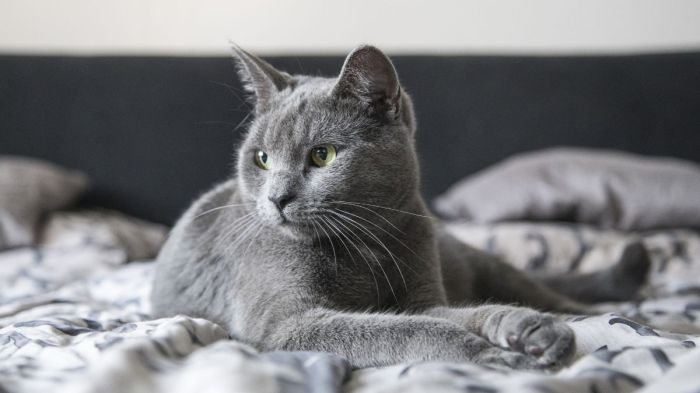
Source: catinaflat.blog
The Blue Russian cat is a captivating breed, known for its striking blue-gray coat and mesmerizing green or gold eyes. They’re often described as intelligent, gentle, and affectionate companions, making them a popular choice for families and individuals alike. But before you fall head over heels for their beauty, understanding the costs involved is crucial. This article will break down everything you need to know about the price of a Blue Russian cat, from initial purchase to ongoing care.The breed’s history is rooted in Russia, where they were initially developed in the early 20th century by crossing Russian Blue cats with Siamese cats.
The goal was to create a cat with the Russian Blue’s plush, silvery-blue coat and the Siamese’s striking eye color. Early breeders experimented with various crosses, including Korat and Chartreux cats, to refine the breed’s characteristics. The breed was initially known as the “Archangel Blue” before settling on the “Russian Blue” name. The Blue Russian, as we know it today, is a more recent development, focusing on a deeper, more consistent blue-gray coloration.Major cat registries have varying levels of recognition for the Blue Russian.
The Cat Fanciers’ Association (CFA) currently recognizes the Russian Blue, but not the Blue Russian as a separate breed. The International Cat Association (TICA), however, does recognize the Blue Russian as a distinct breed, allowing them to be shown in competition. Other registries may have similar classifications, so it’s worth researching the specific registry you’re interested in.A defining characteristic of the Blue Russian is its coat.
It’s a dense, plush, double coat with a distinctive silvery-blue hue. The eye color is typically a vivid green, though some cats may have gold or copper eyes. They have a medium-sized, muscular body with a wedge-shaped head and large, pointed ears. Their overall appearance is elegant and refined.
| Feature | Description | Variation | Significance |
|---|---|---|---|
| Coat Color | Dense, plush, silvery-blue | Slate, Lavender, Frost | Determines breed recognition and desirability. Slate is the most common and preferred shade. |
| Eye Color | Vivid green, gold, or copper | Intensity of green, shade of gold | A key distinguishing feature; green is generally considered ideal. |
| Body Size | Medium-sized, muscular | Weight: 7-12 lbs (male), 5-9 lbs (female) | Influences overall health and activity level. |
Factors Influencing Price
The price of a Blue Russian kitten isn’t a simple matter. Several factors contribute to the final cost, and understanding these can help you make an informed decision. A significant portion of the price reflects the breeder’s investment in the kitten’s health, socialization, and pedigree.A breeder’s reputation plays a huge role. Established breeders with a history of producing healthy, well-socialized kittens can command higher prices.
Their experience and commitment to ethical breeding practices are reflected in the cost. Pedigree also matters. Kittens from champion bloodlines or with documented health clearances will generally be more expensive.Geographic location significantly impacts pricing. Demand for Blue Russian cats varies by region. For example, you might find higher prices on the East Coast due to increased demand and limited availability compared to certain areas on the West Coast.
Transportation costs also contribute to price differences.Lineage and show potential are major price drivers. Kittens with exceptional conformation and temperament, deemed suitable for showing, are significantly more expensive. These kittens represent a breeder’s investment in preserving and improving the breed standard.Before committing to a purchase, it’s essential to understand the health testing a reputable breeder performs. This demonstrates their commitment to producing healthy kittens and helps prevent the inheritance of genetic diseases.
- Genetic Testing: Breeders should test for genetic conditions like Pyruvate Kinase Deficiency (PKD) and Progressive Retinal Atrophy (PRA).
- FeLV/FIV Testing: Testing for Feline Leukemia Virus (FeLV) and Feline Immunodeficiency Virus (FIV) is crucial.
- HCM Screening: Hypertrophic Cardiomyopathy (HCM) screening, often through echocardiograms, is recommended.
- Veterinary Checkups: Regular veterinary checkups and vaccinations are essential.
Kitten Price Ranges
The cost of a Blue Russian kitten can vary widely depending on the source. Reputable breeders, rescues, and backyard breeders all offer kittens at different price points. It’s important to understand the trade-offs associated with each source.
| Source | Price Range | Characteristics |
|---|---|---|
| Reputable Breeder | $1500 – $3500+ | Health guarantees, pedigree documentation, socialization, often CFA/TICA registered. |
| Rescue/Shelter | $75 – $250 | May have unknown history, often spayed/neutered and vaccinated, adoption fees support the organization. |
| Backyard Breeder | $500 – $1200 | Often lack health testing and pedigree documentation, socialization may be limited, potential for health or temperament issues. |
The difference between pet-quality and show-quality kittens is significant. Pet-quality kittens are those suitable as loving companions but may not meet the breed standard perfectly. Show-quality kittens possess exceptional conformation and temperament, making them eligible for cat shows. Show-quality kittens typically cost significantly more, often exceeding $2500.Early socialization and training can also influence the final price. Kittens who have been exposed to various stimuli, handled frequently, and introduced to basic training commands are often more desirable and command a higher price.
This reflects the breeder’s investment in ensuring the kitten is well-adjusted and easy to integrate into a new home.
Adult Blue Russian Cat Costs
While kittens are the most common purchase, adopting an adult Blue Russian cat can be a rewarding experience. Adoption fees are generally lower than purchasing a kitten from a breeder, but potential medical expenses should be considered.The price of an adult cat versus a kitten often differs due to age and potential health concerns. Kittens typically command higher prices due to their perceived novelty and potential for showing.
Adult cats may have established personalities and known health histories, which can influence their price.Caring for an adult Blue Russian cat involves ongoing expenses such as food, litter, and veterinary care. These costs can add up over time, so it’s important to budget accordingly.Here’s a list of potential health concerns common in Blue Russian cats and their estimated treatment costs:
- Pyruvate Kinase Deficiency (PKD): Can cause anemia; treatment involves medication and potentially blood transfusions ($500 – $2000+).
- Hypertrophic Cardiomyopathy (HCM): A heart condition; treatment involves medication and monitoring ($300 – $1000+ annually).
- Progressive Retinal Atrophy (PRA): A degenerative eye disease; currently no cure, management focuses on supportive care ($200 – $500+ annually).
- Dental Disease: Common in cats; regular dental cleanings are essential ($300 – $800+ per cleaning).
Breeder Costs and Pricing Strategies
Breeding Blue Russian cats is a significant investment. Breeders incur various expenses, including breeding fees, health testing, vaccinations, food, and housing. These costs are factored into the kitten’s price.Ethical breeders prioritize the health and well-being of their cats. They justify their pricing by demonstrating their commitment to responsible breeding practices, including health testing, socialization, and providing a nurturing environment for their cats.Breeders calculate their prices by considering several factors, including lineage, demand, and the cost of raising the kittens.
Kittens from champion bloodlines or with exceptional qualities will command higher prices.  *Note: This is a placeholder for a flowchart image. The flowchart visually represents the breeder’s cost breakdown and pricing decision process, starting with expenses, calculating total cost, considering lineage and demand, and ultimately setting the kitten price.*
Rescue and Adoption Options
Several organizations specialize in rescuing and rehoming Blue Russian cats. These organizations often work tirelessly to find loving homes for abandoned or surrendered cats.The adoption process typically involves an application, interview, and home visit. Adoption fees vary but are generally lower than purchasing a kitten from a breeder. These fees help support the organization’s efforts to care for other animals in need.Adopting a rescue cat offers numerous benefits, including providing a second chance for a deserving animal and supporting a worthy cause.
While rescue cats may have unknown histories, many are loving and grateful companions.Here are some questions to ask a rescue organization before adopting a Blue Russian:
- What is the cat’s history, if known?
- Has the cat been vaccinated and dewormed?
- Has the cat been spayed/neutered?
- Does the cat have any known health concerns?
- What is the organization’s return policy?
Ongoing Expenses & Budgeting
Owning a Blue Russian cat involves ongoing expenses beyond the initial purchase price. These recurring costs include food, litter, toys, and grooming.Preventative veterinary care is crucial for maintaining a Blue Russian’s health. Regular checkups, vaccinations, and parasite prevention can help detect and address potential health issues early on.Creating a budget for owning a Blue Russian cat can help you manage your finances and ensure you can provide the best possible care.
| Expense Category | Estimated Monthly Cost | Estimated Annual Cost | Notes |
|---|---|---|---|
| Food | $40 – $80 | $480 – $960 | High-quality cat food is essential. |
| Litter | $20 – $40 | $240 – $480 | Consider clumping vs. non-clumping litter. |
| Vet Visits | $20 – $50 (average) | $240 – $600+ (including annual checkups and potential emergencies) | Budget for unexpected medical expenses. |
| Toys & Enrichment | $10 – $30 | $120 – $360 | Rotate toys to keep your cat entertained. |
Distinguishing Quality and Value
A “quality” Blue Russian cat possesses desirable traits in temperament, health, and conformation. They should be friendly, affectionate, and well-adjusted. Health should be verifiable through documented health testing. Conformation refers to how closely the cat adheres to the breed standard.Evaluating a breeder’s practices is crucial for ensuring ethical breeding. Look for breeders who prioritize health testing, socialization, and provide a clean and stimulating environment for their cats.Be wary of red flags when purchasing a Blue Russian kitten.
These include breeders who are unwilling to provide health documentation, sell kittens at significantly lower prices than the average, or allow you to meet the kitten’s parents.Here’s a checklist of questions to ask a breeder before committing to a purchase:
- Can I see the kitten’s parents?
- What health testing has been performed on the parents?
- What vaccinations and deworming has the kitten received?
- What is your health guarantee?
- Can I visit your cattery?
Financing Options & Payment Plans
Some breeders offer payment plans or financing options to make purchasing a Blue Russian kitten more accessible. These plans typically involve a down payment and monthly installments.Carefully review any contract before making a purchase. Pay close attention to the health guarantees, return policies, and any other terms and conditions.Using financing to purchase a Blue Russian cat can be beneficial, but it’s important to consider the potential risks, such as interest charges and the possibility of default.
Health Guarantee Clause: The breeder guarantees that the kitten is free from genetic defects for a period of one year from the date of purchase. If a genetic defect is diagnosed by a licensed veterinarian, the breeder will either replace the kitten with a similar kitten of equal value or refund the purchase price, less reasonable veterinary expenses incurred.
Return Policy Clause: If, for any reason, the buyer is unable to keep the kitten, the kitten must be returned to the breeder. The breeder will make reasonable efforts to rehome the kitten and will refund a portion of the purchase price, less a rehoming fee of $200.
Closure
Ultimately, bringing a Blue Russian cat into your home is an investment – not just financially, but also in time, love, and care. By understanding the various costs involved, from the initial purchase to ongoing expenses like food, vet care, and toys, you can prepare yourself for the joys and responsibilities of owning this stunning breed. Whether you choose to adopt a rescue or purchase from a reputable breeder, the rewards of sharing your life with a Blue Russian are immeasurable.
Remember to prioritize ethical breeders who prioritize health and temperament, and always factor in the long-term costs of responsible pet ownership. With careful planning and a little research, you can welcome a beautiful Blue Russian into your family and enjoy years of companionship.
FAQ Explained
What’s the average price range for a Blue Russian kitten from a reputable breeder?
You can typically expect to pay between $1,500 and $3,000, though prices can vary based on lineage and show potential.
Are adult Blue Russian cats cheaper to adopt?
Yes, adoption fees for adult Blue Russians are generally lower, ranging from $100 to $500, but be prepared for potential initial vet costs.
What health tests should a breeder perform, and how do they affect the price?
Responsible breeders should test for PRA-b (Progressive Retinal Atrophy), HCM (Hypertrophic Cardiomyopathy), and FeLV/FIV. These tests add to the kitten’s price, but are crucial for ensuring a healthy cat.
Why are show-quality Blue Russian kittens more expensive?
Show-quality kittens meet strict breed standards for conformation and temperament, requiring extensive breeding efforts and careful selection, hence the higher price.
What are the typical ongoing monthly costs of owning a Blue Russian?
Expect to spend around $75-$150 per month on food, litter, toys, and preventative care, with potential for higher vet bills if health issues arise.
What are some red flags to watch out for when choosing a breeder?
Avoid breeders who don’t allow you to see the kitten’s living environment, don’t provide health records, or seem overly focused on profit over the cat’s well-being.
Can I finance a Blue Russian kitten?
Some breeders offer payment plans, but carefully review the contract and understand any interest charges or penalties for late payments.

