Bone Marrow Disease In Cats What Every Worried Cat Owner Needs To Know

It’s 2:17am. You’re hunched over your phone with the screen dimmed, your cat curled asleep beside you while you scroll through search results that all read like death sentences. You left the vet clinic earlier with a vague note about abnormal blood work, and every link you click only makes the panic in your chest grow heavier. This is not the generic pamphlet guide you keep finding. This is the honest, unfiltered information no one has had 45 minutes to explain to you yet.
Bone marrow disease in cats does not look like the dramatic emergency you are probably picturing right now. Most owners miss the tiny, easy-to-dismiss daily signs for weeks or months, and almost everyone walks into this diagnosis carrying the same dangerous, widespread myths that cause unnecessary grief. We will skip the complicated medical jargon, break down realistic prognoses, and walk you through exactly what actually matters for you and your cat.

Last Tuesday I sat on the cold linoleum floor of my vet’s exam room while Mochi curled into my lap, purring so hard his whole body shook. The vet had just said bone marrow disease. I didn’t even know cats could get that.
I’d spent 48 hours prior googling every possible explanation for his tiredness. Old age. A mild virus. He’d eaten a bad bug outside. None of the search results prepared me for this. Most of them still don’t.
No one warns you about the quiet symptoms
This disease doesn’t announce itself. It doesn’t show up with vomiting or limping or obvious pain that makes you panic and rush to the clinic at 2am.
It creeps. Mochi just stopped jumping on the kitchen counter. Slept an extra hour each afternoon. Stopped grooming the very tip of his tail. Everyone told me that’s just what 9 year old cats do. They slow down. Stop caring about stupid things.
I believed them.
Don’t make that mistake. If your cat stops doing the tiny, dumb thing they’ve done every single day for years? That’s not normal. Get blood work. Just get it. It’s worth the money. It’s worth feeling silly for overreacting.
What this actually does, without the medical jargon
Your cat’s bone marrow is the factory for every important thing in their blood. Red cells carry oxygen. White cells fight infection. Platelets stop them bleeding if they scratch themselves.
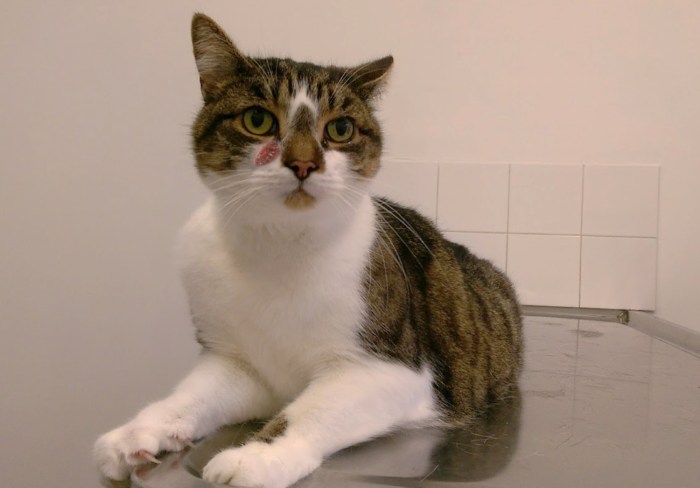
Source: catster.com
When the disease hits, the factory breaks. Some cats start churning out thousands of useless, broken cells. Others just shut down entirely. There’s no one single version. No standard timeline. That’s the part that makes it so scary.
You will blame yourself. That’s normal.
For two weeks I replayed every single day from the prior six months in my head. I should have noticed his gums were pale. I should have brought him in when he skipped one meal. I should have, I could have, I failed.
Everyone will tell you not to do this. Everyone will say you did everything right.
It won’t help. You’ll do it anyway. That’s just part of loving an animal that can’t open its mouth and tell you it hurts. Be gentle with yourself while you go through it.
What daily management actually looks like
The vet pamphlets will give you a neat list of medications and appointment dates. They won’t tell you the real stuff. The stuff no one posts about.
- You will keep extra fleece blankets on every piece of furniture. They get cold so easily, even in a warm house.
- You stop caring about scratched couches. You let them sleep anywhere they want. Any time.
- Blood work becomes routine. Not an emergency. Just a quiet trip every three weeks, no fuss.
- You learn to read their energy like a second language. One extra nap doesn’t mean disaster. One enthusiastic headbutt doesn’t mean it’s gone.
Most days are just normal. He steals my socks. He yells at 4am for wet food. You forget for 20 minutes at a time that anything is wrong. Those 20 minutes are gold. Hold onto them as tight as you can.
Some days are hard. Some days you sit on the floor with them at 2am and just cry. That’s okay too.
This is not an automatic death sentence
If you google this right now, the first 10 results will make you want to turn off your phone and cry. Most of them are garbage.
Lots of cats live good, full, happy years with proper management. Some go into full remission. Every single case is different. Don’t let some random internet comment or outdated article decide your cat’s future for you.
And for god’s sake, don’t let strangers tell you what choices to make. The lady in the cat health group screaming that you must do chemotherapy no matter what? She doesn’t know your cat. She doesn’t know Mochi hates car rides more than anything else in the entire world.
You get to decide what quality of life means. That’s your job. Not the vet’s. Not facebook’s. Yours.
Yesterday Mochi jumped up on the kitchen counter for the first time in three months. He knocked over my full mug of coffee. I didn’t even clean it up right away. I just stood there and watched him lick a crumb off the edge.
That’s the thing about this disease. You don’t fight for perfect. You don’t fight for a cure. You fight for more stupid, ordinary, perfect little moments. One at a time.
That’s enough.
At the end of the day, navigating bone marrow disease in cats is never about being the perfect owner or chasing every last experimental treatment. It is about noticing your cat’s small quiet cues, asking your vet the right questions, and prioritizing their comfort above everything else. You do not need to have all the answers tonight, you do not have to make any impossible decisions right now, and you are not failing your cat just because this feels terrifying. Breathe, do one small kind thing for your cat tonight, and remember that caring this much already means you are doing everything right.
