Cats are known for their graceful movements and expressive tails, but what about those without? The absence of a tail in felines is a fascinating quirk, stemming from genetic mutations and historical breeding practices. While tail injuries are common, naturally occurring taillessness is rarer, and it’s led to the development of several distinct breeds, each with its own charm and unique characteristics.
This article explores the world of these tailless and short-tailed cats, delving into their origins, genetics, health considerations, and what it takes to care for them.
We’ll journey through the history of these breeds, from the Isle of Man’s iconic Manx to the Japanese Bobtail’s playful pom-pom tail, and the robust Kurilian Bobtail. Understanding the genetic basis of their unique tails, potential health concerns like Manx Syndrome, and how to best support their well-being is key to appreciating these remarkable animals.
The Allure of the Tailless Cat: Exploring Breeds Without Tails
Cats, with their graceful movements and enigmatic personalities, have captivated humans for millennia. A key element of a cat’s anatomy, often overlooked, is its tail. It’s far more than just a decorative appendage; it’s a crucial tool for balance, communication, and even expressing emotion. While most cats possess a long, flowing tail, a fascinating subset of felines are born without one, or with significantly reduced tails.
This isn’t typically the result of injury, but rather a genetic anomaly. Historically, taillessness was often viewed with suspicion or even fear, but selective breeding has transformed these unique cats into beloved breeds. This article delves into the world of tailless cat breeds, exploring their origins, genetics, health considerations, and the unique charm they bring to the feline family.
The Manx Breed: The Classic Tailless Cat
The Manx cat is arguably the most well-known tailless breed, instantly recognizable for its lack of a tail. Originating on the Isle of Man, a small island in the Irish Sea, the breed’s history is intertwined with the island’s isolated population of cats. The limited gene pool on the Isle of Man led to a higher incidence of a naturally occurring genetic mutation resulting in taillessness.
The Manx breed’s popularity spread as sailors carried these unique cats to other parts of the world.
The Genetics of Taillessness in Manx Cats
The taillessness in Manx cats is caused by a dominant gene, often referred to as the “Manx gene” (M). However, it’s a complex gene with varying expressions. A cat with one copy of the gene (Mm) will typically be tailless or have a very short tail. A cat with two copies of the gene (MM) is usually stillborn due to severe spinal abnormalities.
The ‘m’ allele is recessive and results in a cat with a normal tail.
Tail Types in the Manx Breed
Despite the common perception of a completely tailless cat, Manx cats exhibit a range of tail lengths and shapes, categorized into different types. Understanding these variations is crucial for breeders and enthusiasts alike. Here’s a breakdown:
| Tail Type | Description | Frequency |
|---|---|---|
| Rumpy | Completely tailless; no tail vertebrae are present. | Most common (around 30-40%) |
| Stumpy | Has a short tail, typically 2-5 inches long, with one or two vertebrae. | Second most common (around 30-40%) |
| Longy | Has a tail of moderate length, typically 7-10 inches long, with several vertebrae. | Less common (around 20-30%) |
| Pomp | Has a short, brush-like tail, resembling a pom-pom. | Rarest (around 5-10%) |
Health Concerns: Manx Syndrome
The Manx gene, while responsible for the breed’s defining characteristic, also carries a risk of a condition known as Manx Syndrome. This syndrome is a collection of congenital abnormalities affecting the spine, bowel, and bladder. It’s caused by incomplete closure of the spinal canal during development. Symptoms can range from mild (constipation) to severe (paralysis). Responsible breeders screen their cats to minimize the risk of Manx Syndrome by avoiding breeding two Manx cats together (MM pairing).
Physical Characteristics and Temperament
Beyond their lack of a tail, Manx cats are known for their rounded bodies, short legs, and deep chests. They often have a distinctive “bunny” hop when they move. Manx cats are generally playful, intelligent, and loyal companions. They are known to be affectionate and enjoy interacting with their human families. They are often described as being dog-like in their devotion and can be quite vocal.
The Cymric Breed: A Longhaired Variation of the Manx
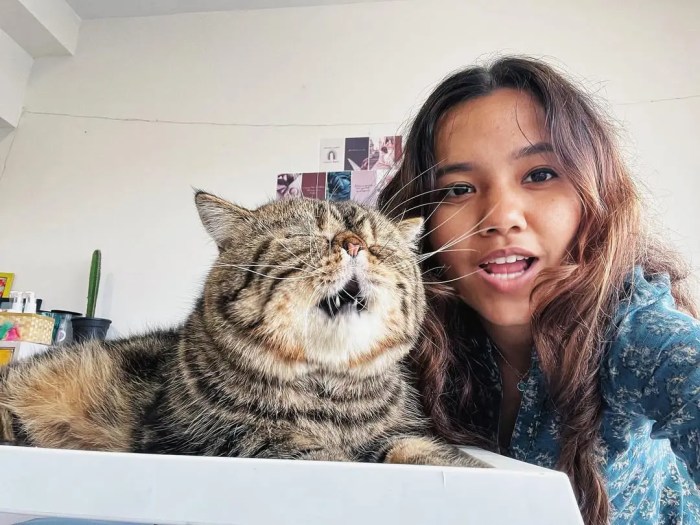
Source: petjurni.com
The Cymric breed is essentially a longhaired version of the Manx cat. Recognizing the appeal of the Manx’s unique taillessness combined with a luxurious coat, breeders began selectively breeding Manx cats with longer fur to create the Cymric. The name “Cymric” is derived from “Cymru,” the Welsh name for Wales, reflecting the breed’s Celtic heritage.
Distinguishing Cymrics from Manx Cats
The primary difference between Cymrics and Manx cats is their coat length. Cymrics have a long, flowing coat that is soft and plush, while Manx cats have a short, dense coat. Cymrics also tend to have a more substantial ruff around their neck, giving them a regal appearance. The tail types (Rumpy, Stumpy, Longy, Pomp) are the same as in Manx cats.
Temperament and Suitability as a Companion
Cymrics share the same affectionate and playful temperament as Manx cats. They are known to be intelligent, loyal, and enjoy being around their human families. Their long fur requires regular grooming to prevent mats and tangles, but their gentle nature makes them relatively easy to handle. They are generally well-suited to life as a companion animal, thriving on human interaction and affection.
Cymric Breed Standards
Cymric breed standards closely mirror those of the Manx, with the addition of specific requirements for coat length and texture. The ideal Cymric has a long, flowing coat that is soft and plush, with a full ruff around the neck. The tail types are categorized as Rumpy, Stumpy, Longy, and Pomp, just as with the Manx breed. Breeders strive to maintain the Manx’s characteristic body shape and temperament while enhancing the longhaired coat.
Japanese Bobtail: A Short, Pom-Pom Tail
The Japanese Bobtail is a distinctive breed known for its short, pom-pom-like tail. Originating in Japan, this breed has a rich cultural history, often associated with good luck and prosperity. Historically, Japanese Bobtails were valued for their ability to control rodent populations in silk farms and temples. They were also considered symbols of good fortune and were often depicted in Japanese art and folklore.
The Genetics of the Bobtail Tail
The Japanese Bobtail’s short tail is the result of a unique genetic mutation that affects tail vertebrae development. Unlike the Manx gene, which often results in spinal abnormalities, the Japanese Bobtail gene produces a shortened tail without significant health complications. The gene is autosomal dominant, meaning that a cat only needs one copy of the gene to exhibit the characteristic short tail.
Tail Patterns in Japanese Bobtails
The Japanese Bobtail’s tail isn’t just short; it also comes in a variety of striking patterns. These patterns add to the breed’s unique charm and appeal.
- Tabby Bobtail: The tail is striped with classic tabby markings.
- Calico Bobtail: The tail is a mix of white, black, and orange patches.
- Bi-Color Bobtail: The tail is a combination of white and another color, such as black or red.
- Solid Bobtail: The tail is a single, solid color.
- Tortoiseshell Bobtail: The tail is a mix of black and orange, similar to tortoiseshell patterns in other breeds.
Personality and Intelligence
Japanese Bobtails are known for their lively and intelligent personalities. They are playful, affectionate, and enjoy interacting with their human families. They are often described as being vocal and communicative, using a variety of chirps and trills to express themselves. Their intelligence makes them relatively easy to train, and they often enjoy playing games and learning tricks.
Popularity as a Show Cat
The Japanese Bobtail is a popular breed in cat shows around the world. Their unique appearance, charming personality, and rich cultural history make them a favorite among judges and spectators alike. Breeders strive to maintain the breed’s distinctive tail patterns and overall elegance.
Kurilian Bobtail: A Siberian Tailless Cousin
The Kurilian Bobtail is a relatively new breed originating from the Kuril Islands, a chain of islands between Russia and Japan. These cats developed naturally in a harsh environment, adapting to cold climates and developing a unique tail shape. Their history is intertwined with the lives of fishermen and islanders who relied on them to control rodent populations.
Genetic Factors Contributing to Tail Shape
The Kurilian Bobtail’s tail is often kinked or short, but it’s not entirely tailless like the Manx. The tail shape is influenced by multiple genes, resulting in a wide variety of tail lengths and curves. Unlike the Manx gene, the Kurilian Bobtail gene doesn’t typically cause spinal abnormalities. The tail can range from a short, pom-pom-like shape to a longer, curved tail.
Adaptation to Cold Climates and Robust Health
The Kurilian Bobtail’s thick, double coat provides excellent insulation against cold temperatures. They are known for their robust health and resilience, a testament to their natural development in a challenging environment. They are generally resistant to common feline diseases and have a long lifespan.
Distinctive Coat Patterns and Colors
Kurilian Bobtails exhibit a wide range of coat patterns and colors, including solid colors, tabby patterns, and tortoiseshell patterns. Their fur is dense and water-resistant, providing further protection against the elements. The breed standard allows for a variety of colors and patterns, reflecting their natural diversity.
Interaction with Wildlife
Anecdotes abound about Kurilian Bobtails’ interactions with wildlife, particularly birds. Some islanders claim that these cats have a unique ability to coexist peacefully with birds, even allowing them to perch on their tails. While these stories may be embellished, they highlight the breed’s unique relationship with its environment.
Other Breeds with Reduced or Absent Tails
While the Manx, Cymric, Japanese Bobtail, and Kurilian Bobtail are the most well-known tailless or short-tailed breeds, several other cat breeds occasionally exhibit reduced or absent tails. These variations can be due to genetic mutations or spontaneous occurrences.
| Breed | Tail Description | Origin | Key Characteristics |
|---|---|---|---|
| American Bobtail | Short, “bobbed” tail, typically 3-5 inches long. | United States | Playful, intelligent, adaptable. |
| Scottish Fold | Can have a short tail, although not always. | Scotland | Folded ears, sweet temperament. |
| Pixie-Bob | Short, stubby tail, often resembling a raccoon’s tail. | United States | Wild appearance, affectionate, loyal. |
The degree of tail reduction varies significantly among these breeds. In some cases, the tail is simply shorter than average, while in others, it may be completely absent. The genetic mechanisms behind these tail variations are often complex and not fully understood, differing from the specific genes responsible for the taillessness in the Manx and Japanese Bobtail breeds.
Health Considerations for Tailless Cats
Manx Syndrome, as previously discussed, is a significant health concern for Manx and Cymric cats. It’s characterized by a range of congenital abnormalities affecting the spine, bowel, and bladder. The severity of Manx Syndrome can vary greatly, with some cats experiencing mild symptoms and others facing life-threatening complications.
Responsible breeding practices are crucial to minimize the risk of Manx Syndrome. Breeders should avoid breeding two Manx cats together (MM pairing) and should carefully screen cats for any signs of spinal abnormalities before breeding them. Genetic testing is becoming increasingly available to help identify carriers of the Manx gene.
Veterinary Care and Preventative Measures
Tailless cats, particularly those with Manx Syndrome, may require specialized veterinary care. Regular checkups are essential to monitor their mobility and bowel health. Constipation is a common issue and may require dietary adjustments or medication. Veterinarians should be aware of the potential for spinal deformities and should perform thorough neurological examinations. Preventative measures include maintaining a healthy weight, providing a balanced diet, and ensuring a safe and comfortable environment.
Caring for a Tailless Cat: Unique Needs
The absence of a tail can impact a cat’s balance and coordination, particularly during activities like jumping and landing. While most tailless cats adapt well, they may require some adjustments to their environment to ensure their safety and comfort.
Home Environment Modifications
Consider providing ramps or steps to help tailless cats access elevated surfaces. Soft landings, such as thick rugs or padded furniture, can cushion their landings and prevent injuries. Avoid placing food and water bowls on high surfaces that require difficult jumps.
Recognizing Discomfort and Pain
Be vigilant for signs of discomfort or pain, such as reluctance to jump, changes in posture, or vocalization. Any unusual behavior should be reported to a veterinarian promptly.
Exercise and Play
Provide plenty of opportunities for exercise and play, but avoid activities that put excessive strain on their spine. Gentle games and interactive toys can help keep them physically and mentally stimulated.
Visual Descriptions: Illustrating Tailless Cats
Let’s paint a picture of these unique felines.
A Rumpy Manx Cat: Imagine a cat with a sleek, rounded body and short, sturdy legs. Its fur is a rich, chocolate brown, and its eyes are a striking amber. The most striking feature is, of course, the complete absence of a tail. It moves with a confident, almost bunny-like hop, its posture conveying a sense of quiet strength. When it sits, its rear end appears slightly elevated, a subtle consequence of the missing tail’s role in balance.
A Cymric Cat with a Full Ruff: Picture a longhaired cat, its fur a luxurious silver tabby, forming a magnificent ruff around its neck. The fur is thick and plush, contrasting beautifully with the complete absence of a tail. Its eyes are a deep emerald green, and its expression is one of gentle serenity. The long fur softens its features, giving it an air of regal elegance.
A Japanese Bobtail with a White Pom-Pom Tail: Envision a calico cat, its fur a vibrant mix of black, orange, and white. Its most distinctive feature is its short, fluffy white tail, resembling a pom-pom. The tail bobs playfully as it moves, adding a touch of whimsy to its appearance. Its eyes are bright and inquisitive, reflecting its intelligent and playful nature.
A Kurilian Bobtail in a Snowy Environment: Imagine a cat with a thick, silver-grey coat, perfectly camouflaged against a backdrop of snow. Its tail is kinked and short, resembling a fluffy question mark. Its eyes are a piercing blue, scanning the landscape for signs of prey. The cat exudes an aura of resilience and adaptability, a testament to its Siberian heritage.
An American Bobtail: Visualize a cat with a medium-length coat of classic tabby markings. Its tail is noticeably shorter than a typical cat’s tail, perhaps 4-6 inches long, with a slight curve. It moves with a relaxed grace, its bobbed tail adding a touch of charm to its overall appearance.
Breed Temperament and Behavior
Manx cats are renowned for their playful and intelligent personalities. They are fiercely loyal to their human families and often form strong bonds with a single person. They are known to be vocal, using a variety of chirps and trills to communicate. Their intelligence makes them easily trainable, and they often enjoy playing fetch and learning tricks.
Cymric cats share many of the same traits as Manx cats, but they tend to be slightly more laid-back and less vocal. Their long fur requires regular grooming, but their gentle nature makes them easy to handle. They are affectionate and enjoy being around their human families, but they may be less demanding of attention than Manx cats.
Japanese Bobtails are known for their lively and inquisitive personalities. They are playful, affectionate, and enjoy interacting with their human families. They are often described as being vocal and communicative, using a variety of chirps and trills to express themselves. Their intelligence makes them relatively easy to train, and they often enjoy playing games and learning tricks.
Kurilian Bobtails are affectionate and social cats. They enjoy being around people and other animals. They are known for their gentle nature and their ability to coexist peacefully with wildlife. Their adaptability and resilience make them well-suited to a variety of living environments.
While all these breeds share a common thread of taillessness or reduced tails, their personalities and behaviors differ subtly. Manx cats are often described as dog-like in their loyalty, while Japanese Bobtails are known for their playful and vocal nature. Cymrics tend to be more laid-back, and Kurilian Bobtails exhibit a remarkable adaptability and resilience honed by their Siberian origins.
Closing Summary
From the classic Rumpy Manx to the fluffy Cymric and the charming Japanese Bobtail, the world of tailless and short-tailed cats is surprisingly diverse. Each breed boasts a unique history, personality, and set of considerations for responsible ownership. Whether you’re a seasoned cat lover or just curious about these unusual felines, understanding their genetics, potential health challenges, and specific care needs is essential for ensuring a happy and healthy life for these captivating companions.
Ultimately, these breeds demonstrate the incredible adaptability and variety within the feline world.
Helpful Answers
Why are some cats born without tails?
It’s usually due to a genetic mutation, most notably the Manx gene. This gene affects the spine’s development, leading to a shortened or absent tail. It’s not always a complete absence; variations exist, like the “stumpy” tail.
Is it cruel to breed tailless cats?
It can be, if not done responsibly. Breeding Manx cats, in particular, carries the risk of Manx Syndrome, a serious condition. Ethical breeders prioritize health testing and avoid breeding cats with severe spinal deformities.
Do tailless cats have balance problems?
Some may experience slight balance issues, as the tail helps with equilibrium. However, most tailless cats adapt well and are surprisingly agile. Providing a safe and supportive home environment can help.
What is Manx Syndrome?
Manx Syndrome is a collection of birth defects linked to the Manx gene. It can include spinal deformities, bowel and bladder problems, and other neurological issues. Responsible breeding aims to minimize the risk of this syndrome.
Are tailless cats more prone to injuries?
Not necessarily. While they lack a tail for cushioning falls, they often develop excellent balance and agility. However, it’s still important to provide soft landings and safe environments.
Can I tell how much tail a Manx kitten will have at birth?
It can be difficult to predict with certainty. The tail type (Rumpy, Stumpy, Longy, Pomp) often becomes clearer as the kitten grows. Genetic testing can sometimes provide more information, but it’s not always foolproof.

