If you’ve ever bleary-eyed scrolled social media at 10pm panicking over cat food byproducts, you know exactly how confusing this is. One minute you’re reading they’re toxic, the next a vet says they’re better than fancy human grade meat, and nobody explains the disconnect.
Every hot take online is technically telling the truth, but they’re all talking about completely different products. Nobody will tell you that this single vague label hides three separate quality tiers of byproducts, which is why every argument about this topic goes in endless circles.
Last Tuesday I stood in the back of the pet store for 22 minutes. Not picking out treats. Not arguing with my cat who’d escaped his carrier. Just staring at the fine print on a bag of chicken cat food.
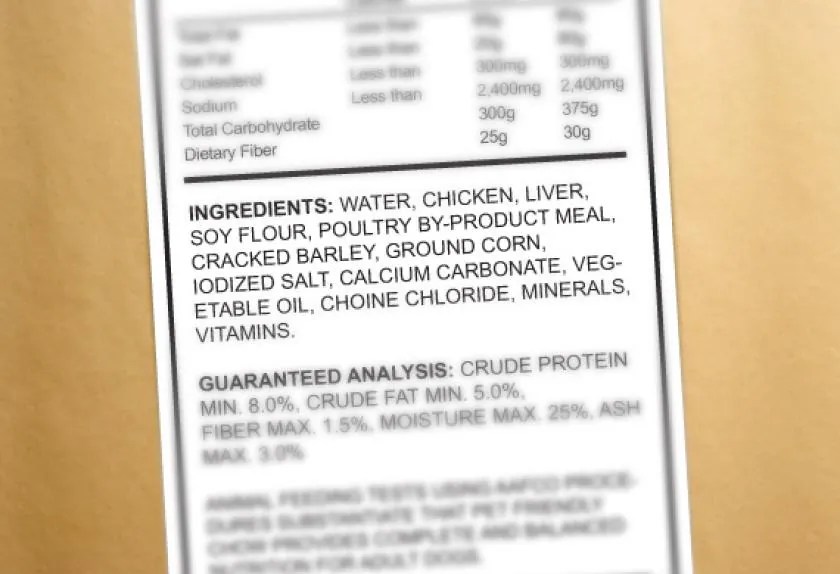
Halfway down the ingredient list, it said ‘poultry byproducts’. And I realized I’d been feeding this to my old boy for three years without actually knowing what that meant.
You’ve seen the memes. You’ve read the angry Facebook comments. Everyone acts like byproducts are the cat food equivalent of secret fast food grease. No one ever just tells you the boring, messy truth. So let’s do that today.
First: Let’s stop lying about what byproducts actually are
Here’s the thing no influencer will yell at you about. When a human processing plant butchers a chicken for the grocery store, we only eat about 40% of the bird.
We take the breast. The thighs. The wings. That’s it.
Everything else? The heart. The liver. The kidneys. The lean muscle that runs along the backbone that no one bothers to package for humans. All of that is nutritionally perfect for cats. All of that gets classified as a byproduct.
That’s not an industry secret. That’s just how food works. Cats did not evolve to eat only boneless skinless chicken breast. They evolved to eat the entire animal. And before you roll your eyes — yes, there is bad byproduct. There is good byproduct. No one ever draws that line clearly.
The two types of byproducts no one talks about
There is no universal good or bad here. There are two very different things that get labelled exactly the same way on the bag. That’s the scam, not the ingredient itself.
1. The good stuff
This is the organ meat and clean muscle trimmings I mentioned earlier. It’s higher in taurine than plain muscle meat. It has more iron. More of the vitamins cats actually need to not go blind or develop heart disease. Most good quality mid-tier foods use this. They just don’t market it, because people get scared of the word.
You will almost never see a brand brag about this. It doesn’t sell Instagram reels.
2. The garbage you should avoid
This is the stuff everyone rightfully complains about. Beaks. Feet. Feathers. Indigestible filler that gets ground up just to hit a protein number on the label. This exists. It’s cheap. It’s in almost every dollar store cat food bag.
And here’s the worst part. Both of these get the exact same label. Both say ‘poultry byproducts’. No asterisk. No fine print distinction.
How to actually tell the difference
You don’t need a chemistry degree. You don’t need to pay for one of those $40 cat food analysis websites. Just follow two stupidly simple rules:
- If the bag says ‘byproduct meal’ and it’s listed in the first three ingredients? Put it back. That’s almost always the low grade ground filler. Full stop.
- If byproducts fall further down the list, and the brand publishes unedited full nutrient breakdowns on their website? You’re almost certainly fine. They have no reason to hide the good stuff.
That’s it. That’s the entire trick. I wasted three years panicking over this and it boils down to two lines.
And can we just say the quiet part out loud? The entire outrage around byproducts is mostly marketing. Premium brands didn’t start advertising ‘no byproducts’ because it was healthier. They started doing it because it was an easy way to charge twice as much for the exact same nutrition, just cut into pretty little breast fillets.
I’m not saying you should intentionally feed low grade byproducts. I’m saying you’re being played if you pay $120 a bag just to avoid a word.
One last thing I wish someone had told me
My cat is 11 now. He has bad hips. He turns his nose up at most things. I’ve spent hundreds of hours researching food. I’ve argued with vets. I’ve cried over blood work results.
At the end of the day? The perfect cat food does not exist. There is no ingredient list that will keep your cat alive forever. There is only food that works for your cat, and food that doesn’t.
Sometimes that food has byproducts. Sometimes it doesn’t. Stop shaming people for what they feed their cats. Stop panicking every time you see a word you don’t recognize on a bag.
Do your research. Ask questions. Ignore the loudest people online. And for god’s sake, don’t stand in a pet store aisle for 22 minutes at 9pm like I did.
Source: petmd.com
Your cat doesn’t care about the label. They just care that you open the bag.
You don’t need to panic throw out the bag of food you bought yesterday, and you don’t need to pick a side in the endless byproduct debate. Learn the three red flags, run that quick 30 second label check on your next pet store trip, and stop judging food by marketing buzzwords. At the end of it all, you just want your cat to be healthy, and that never requires buying the most expensive bag or falling for viral fear mongering.

