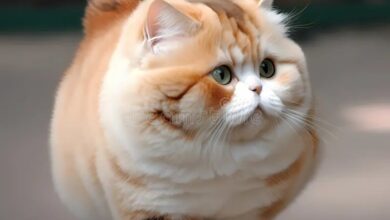
Ever caught your feline friend sprinting down the hallway at 3 a.m., leaving a trail of overturned toys and wondering if there’s more to the madness than just a burst of energy? I’ve been there, watching my cat Milo turn the living room into a runway of chaos, and it got me thinking about the fine line between normal “zoomies” and something that might resemble ADHD in humans.
In this post we’ll untangle the signs that set ordinary play‑time apart from hyper‑activity that could signal an underlying issue, explore what veterinarians actually look for, and share practical, vet‑backed strategies to help our whiskered companions channel that endless zest into healthier, happier behavior.
Why I Started Wondering If My Cat Could Have ADHD
I was sipping coffee on a rainy Thursday, watching my tabby sprint from the couch to the kitchen, then back again, three times in a row. He knocked over a vase, chased his own tail, and stared at a wall like it held the secrets of the universe. I laughed, then paused. “Is this just a cat being a cat, or is there something more?” I asked myself.
That moment sparked a mini‑investigation that turned into a full‑blown curiosity: can a cat have ADHD?
What ADHD Looks Like in People
Before I jump into feline territory, let’s get a quick picture of the human side. ADHD (Attention‑Deficit/Hyperactivity Disorder) usually shows up as three main patterns:
- Restlessness that feels like a motor running inside you.
- Difficulty staying focused on tasks that aren’t instantly rewarding.
- Impulsive actions that happen before you’ve thought them through.
People with ADHD might fidget, lose track of conversations, or jump from one hobby to another without finishing anything. It’s a mix of brain chemistry, genetics, and environment. That’s the baseline I keep in mind when I watch my cat.
Observing Cat Behavior: The Signs That Made Me Pause
Cats, by nature, love to explore and pounce. But there are moments when a cat’s energy level seems to cross the line from “playful” to “hyperactive.” I started cataloging those moments, writing down what I saw, and looking for patterns.
Hyperactivity
- Constant movement, even when there’s nothing to chase.
- Running laps around the house at odd hours, like 2 a.m.
- Jumping onto high surfaces and then immediately leaping off, only to repeat the cycle.
Inattention
- Ignoring toys or treats placed right in front of them.
- Switching focus mid‑play, as if the world is a series of short, unrelated scenes.
- Walking past a sunny spot on the floor and not pausing, even though most cats love basking.
Impulsivity
- Knocking objects off shelves without a clear reason.
- Pouncing on your hand the moment you reach for a treat.
- Sprinting into a closed door, then looking at you with a “whoops” expression.
These quirks felt familiar, but I wondered: are they just normal feline quirks amplified by personality, or could there be a deeper neurological thread?
Can Cats Actually Have ADHD?
The short answer? Veterinary science doesn’t label cats with “ADHD” the way we do with humans. No official diagnostic criteria exist for felines. That said, animals can experience behavior that mirrors the human condition—think of “canine compulsive disorder” or “feline hyperesthesia.” What we do know is that certain medical conditions can cause hyperactive‑like behavior:
- Thyroid issues that rev up metabolism.
- Pain or discomfort that makes a cat restless.
- Neurological disorders that affect impulse control.
If a cat shows persistent, extreme hyperactivity, a vet might run blood work or imaging to rule out these underlying causes. In the absence of a medical problem, we’re left with personality. Some cats are just born with a “go‑go‑go” engine.So, while we can’t hand a cat an ADHD diagnosis, the behaviors we see can be similar. The takeaway? Look for patterns, not isolated incidents.
Tips for Managing a High‑Energy Feline
If you’re dealing with a cat that seems to be on endless turbo mode, here are a few strategies that have helped me keep the chaos in check:
- Scheduled play sessions. Short bursts—5‑10 minutes—twice a day can off that extra fuel.
- Environmental enrichment. Puzzle feeders, cat trees, and rotating toys keep the mind busy.
- Safe “zoomies” zones. Clear a hallway or a room where your cat can sprint without breaking anything.
- Calming aids. Feliway diffusers or soft music designed for pets can reduce overstimulation.
- Consistency. Cats thrive on routine. Feed, play, and sleep at the same times each day.
And remember: a tired cat is a happy cat. The goal isn’t to eliminate all energy—just to channel it in a way that works for both of you.
When to Call the Vet
Even if you think the behavior is just “cat‑personality,” there are red flags that deserve a professional opinion:
- Sudden change in activity level—either a spike or a drop.
- Weight loss despite normal eating.
- Signs of pain: hissing, swatting, or reluctance to jump.
- Excessive vocalization, especially at night.
A quick check‑up can rule out hormonal imbalances, pain, or neurological issues. It’s always better to be safe than to chalk everything up to “just a cat.”
Bottom Line: It’s Not a Label, It’s a Lifestyle
Can a cat have ADHD? Not in the formal sense we use for people. But cats can definitely exhibit hyperactive, inattentive, and impulsive traits that feel eerily familiar. The key is to observe, understand, and adapt. Provide outlets for that boundless energy, keep an eye on health, and accept that some cats will always be a little extra.In the end, my tabby still does his midnight sprints, but now I’m armed with a schedule, puzzle toys, and a deeper appreciation for his quirky mind.
And honestly? Those unpredictable moments make life with a cat far more entertaining. If you’re dealing with a similar whirlwind, know you’re not alone—and a few simple tweaks can turn chaos into companionship.
While true ADHD in cats remains unproven, recognizing patterns that stray from typical feline antics can empower owners to act before a medical condition or environmental stressor takes hold. By observing, documenting, and collaborating with a vet, you can transform frantic zoomies into balanced play, ensuring your cat enjoys both excitement and calm—one purr at a time.