Thinking about adding a little lamb to your cat’s menu? It’s a question many pet parents ponder, and for good reason! Lamb is packed with nutrients, but is it truly safe and beneficial for our feline friends? This guide dives deep into everything you need to know about feeding lamb to your cat, from its nutritional value and potential risks to delicious recipes and sourcing tips.
We’ll explore whether it’s a good choice for your kitty, especially if they have sensitivities or allergies.
We’ll break down the science behind lamb’s nutritional profile, comparing it to other common cat food ingredients like chicken and fish. You’ll learn about the importance of proper preparation, potential allergens, and how to safely incorporate lamb into a balanced diet. Plus, we’ll cover the pros and cons of different lamb forms, from raw to cooked, and even explore the benefits of lamb organs – with essential precautions, of course!
Can Cats Eat Lamb? A Comprehensive Guide for Cat Owners
Source: upgradeyourcat.com
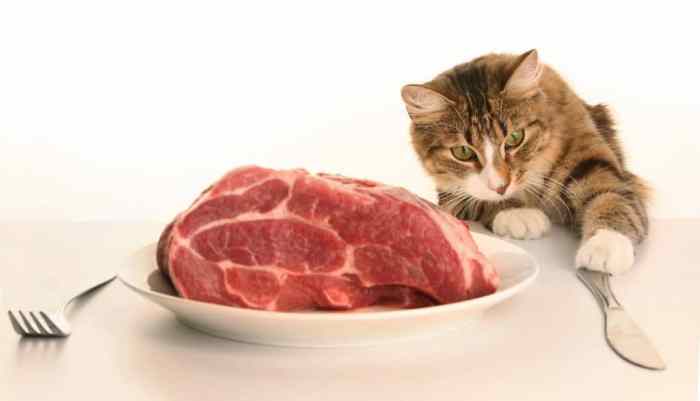
Feeding your cat a varied and nutritious diet is key to their health and happiness. While chicken and fish often take center stage, lamb can be a surprisingly beneficial addition to your feline friend’s menu. This guide explores everything you need to know about incorporating lamb into your cat’s diet, from its nutritional value to potential risks and preparation tips.
Let’s dive in!
Nutritional Value of Lamb for Cats
Lamb offers a compelling nutritional profile for cats, closely aligning with their specific dietary needs. Cats are obligate carnivores, meaning they require a diet primarily composed of animal protein. Lamb provides this, alongside essential fats and a moderate amount of carbohydrates.
The macronutrient composition of lamb is roughly 70-75% protein, 15-20% fat, and 1-3% carbohydrates. This aligns well with a cat’s need for high protein and moderate fat for energy and bodily functions. The protein in lamb is highly digestible, meaning cats can efficiently absorb and utilize the amino acids it provides.
Lamb is a rich source of essential amino acids, including taurine, arginine, and methionine. Taurine is particularly crucial for feline heart health and vision; cats cannot synthesize it themselves and must obtain it from their diet. Arginine is vital for the urea cycle, which removes ammonia from the body. Methionine supports healthy fur and skin. A deficiency in any of these amino acids can lead to serious health problems.
Beyond protein, lamb contains beneficial vitamins and minerals. It’s a good source of B vitamins (like B12 and riboflavin), which are essential for energy metabolism and nerve function. Iron is important for red blood cell production, and zinc supports immune function and skin health. The mineral content contributes to overall feline well-being.
| Nutrient | Lamb Value (per 100g) | Alternative Value (Chicken/Fish – per 100g) |
|---|---|---|
| Protein | 22-26g | 20-25g (Chicken), 18-22g (Fish) |
| Fat | 8-12g | 4-8g (Chicken), 5-10g (Fish) |
| Carbohydrates | 1-3g | 0-1g (Chicken), 0-2g (Fish) |
| Taurine | ~200mg | ~150mg (Chicken), ~100mg (Fish) |
Is Lamb Safe for Cats? Potential Risks & Allergies
While lamb offers nutritional benefits, it’s crucial to be aware of potential risks. Like any raw or animal protein, lamb can harbor parasites or bacteria if not handled and prepared correctly. Sourcing lamb from reputable suppliers who adhere to strict hygiene standards is paramount. Thorough cooking significantly reduces the risk of contamination.
Lamb allergies, though less common than chicken or fish allergies, can occur in cats. Symptoms of an allergic reaction can include itching, skin rashes, vomiting, diarrhea, and excessive grooming. If you suspect your cat is allergic to lamb, consult with your veterinarian. They may recommend an elimination diet to confirm the allergy.
Certain parts of lamb pose specific risks. Bones, even small ones, can splinter and cause choking or internal damage. Excessive fat can lead to digestive upset and pancreatitis. Always remove bones and trim excess fat before feeding lamb to your cat.
- Cooking Temperature: Cook lamb to an internal temperature of 165°F (74°C) to kill harmful bacteria.
- Bone Removal: Absolutely no bones should be fed to cats.
- Fat Trimming: Remove as much visible fat as possible.
- Thorough Washing: Wash the lamb thoroughly before cooking.
Different Forms of Lamb & Their Suitability
The form of lamb you choose significantly impacts its suitability and nutritional value for your cat. Raw lamb, cooked lamb, ground lamb, and lamb organs each have their own pros and cons.
Raw lamb can be a highly nutritious option, providing enzymes and nutrients that may be lost during cooking. However, it carries a higher risk of bacterial contamination and parasites. If you choose to feed raw lamb, it’s essential to source it from a trusted supplier and follow strict safe handling practices (see below).
Safe Handling Practices for Raw Meat: Always wash your hands thoroughly after handling raw lamb. Use separate cutting boards and utensils for raw meat and other foods. Store raw lamb properly in the refrigerator and discard any leftovers promptly.
Ground lamb is convenient and easily digestible, making it a good option for kittens or cats with sensitive stomachs. Lamb chunks offer more texture and can be appealing to cats who enjoy chewing. Lamb organs, such as liver and kidney, are incredibly nutrient-dense (discussed in detail later).
Commercially prepared lamb-based cat food offers convenience and often a balanced nutritional profile. However, homemade lamb recipes allow for greater control over ingredients and portion sizes. Carefully research and consult with a veterinarian or feline nutritionist before formulating a homemade diet to ensure it meets your cat’s specific needs.
| Lamb Product Form | Protein Content | Fat Content | Risk of Contamination | Preparation Effort |
|---|---|---|---|---|
| Raw | High | Variable | High | High |
| Cooked | High | Moderate | Low | Moderate |
| Canned | Moderate | Moderate to High | Low | Low |
| Dry Food | Moderate | Moderate | Low (if reputable brand) | Low |
Preparing Lamb for Your Cat: Recipes & Guidelines
Here’s a simple recipe for cooked lamb suitable for cats:
Cooked Lamb Recipe
- 100g Lean Lamb (trimmed of fat)
- 1/4 cup Cooked Vegetables (e.g., carrots, peas)
- 1 tbsp Water or Bone Broth
- Boil or steam the lamb until fully cooked (internal temperature of 165°F/74°C).
- Finely chop or grind the cooked lamb.
- Mix the lamb, vegetables, and water/broth thoroughly.
- Serve a small portion (1-2 tablespoons) as a treat or supplement to your cat’s regular diet.
Incorporating lamb into a balanced cat diet requires careful consideration. Lamb should not be the sole source of nutrition. Supplement with other nutrients, including taurine, calcium, and essential vitamins, to ensure your cat receives a complete and balanced diet. Consult with your veterinarian for personalized recommendations.
To safely freeze and thaw lamb for later use, wrap it tightly in freezer-safe packaging. Thaw it in the refrigerator overnight or use a cold water bath. Never thaw lamb at room temperature.
Homemade Lamb Cat Treats
Safety First: Always ensure lamb is thoroughly cooked and free of bones and excess fat before feeding it to your cat. Introduce new foods gradually to avoid digestive upset. Portion control is crucial to prevent weight gain.
- 50g Cooked, Ground Lamb
- 1/4 cup Oat Flour
- 1 Egg
- Preheat oven to 350°F (175°C).
- Mix all ingredients until well combined.
- Roll out the dough thinly and cut into small shapes.
- Bake for 15-20 minutes, or until golden brown.
- Let cool completely before serving.
Lamb as a Novel Protein Source
A “novel protein” is a protein source that a cat has not been previously exposed to. They are often recommended for cats with food sensitivities or allergies, as the cat’s immune system is less likely to react to a protein it hasn’t encountered before.
Introducing lamb as a novel protein can be beneficial for cats experiencing digestive upset, skin problems, or other symptoms potentially linked to food allergies. However, it’s crucial to transition gradually to avoid digestive upset. Start by mixing a small amount of lamb with your cat’s current food, gradually increasing the proportion of lamb over several days or weeks.
The cost-effectiveness of lamb compared to other novel protein options varies. Here’s a general estimate:
- Duck: $8 – $15 per pound
- Venison: $10 – $20 per pound
- Rabbit: $7 – $12 per pound
- Lamb: $6 – $12 per pound
Lamb Organs: Benefits and Precautions
Lamb liver and kidney are nutritional powerhouses, packed with vitamins and minerals essential for feline health. Lamb liver is exceptionally rich in vitamin A, B vitamins (especially B12), iron, and copper. Lamb kidney provides selenium, phosphorus, and B vitamins.
However, feeding lamb organs in excess can be detrimental. Liver is extremely high in vitamin A, and excessive intake can lead to vitamin A toxicity, causing bone problems and neurological issues. Kidney is high in phosphorus, which can be problematic for cats with kidney disease.
Safely preparing and feeding lamb organs involves portion control and proper cooking. Offer only small amounts (no more than 5-10% of your cat’s daily diet) and cook thoroughly to eliminate any potential parasites. Always consult with your veterinarian before incorporating lamb organs into your cat’s diet.
| Nutrient | Lamb Liver (per 100g) | Lamb Kidney (per 100g) |
|---|---|---|
| Vitamin A | ~49,682 IU | ~1,200 IU |
| Vitamin B12 | ~50 mcg | ~15 mcg |
| Iron | ~22 mg | ~6 mg |
| Phosphorus | ~350 mg | ~200 mg |
Sourcing High-Quality Lamb for Cats
Selecting high-quality lamb for your cat involves considering several factors. Grass-fed lamb is generally considered more nutritious than grain-fed lamb, as it contains higher levels of omega-3 fatty acids and antioxidants. Organic lamb is raised without the use of antibiotics or hormones.
Sourcing lamb from reputable suppliers is crucial to minimize the risk of contamination. Look for suppliers who prioritize food safety and hygiene practices. Local butchers or pet food suppliers who specialize in raw or natural pet food are often good choices.
Signs of fresh, high-quality lamb include a bright red color, a fresh, slightly grassy smell, and firm texture. Avoid lamb that is discolored, has a strong odor, or feels slimy.
Here are some questions to ask your butcher or pet food supplier:
- Where does the lamb come from?
- Is it grass-fed or grain-fed?
- Is it organic?
- How is it handled and stored?
- Has it been tested for parasites or bacteria?
Digestive Considerations When Feeding Lamb
A cat’s digestive system is designed to efficiently process animal protein and fat. However, introducing a new protein source like lamb can sometimes lead to digestive upset, particularly if introduced too quickly.
Potential digestive issues include diarrhea, vomiting, and gas. These symptoms are usually temporary and resolve on their own as the cat’s digestive system adjusts to the new food. Gradual introduction is key to minimizing these issues.
Fiber plays a crucial role in supporting healthy digestion. Adding a small amount of fiber, such as cooked pumpkin or psyllium husk, to your cat’s diet can help regulate bowel movements and prevent constipation.
Wrap-Up
Ultimately, feeding your cat lamb can be a fantastic way to provide them with a nutrient-rich diet, especially if they need a novel protein source. However, it’s crucial to approach it with knowledge and caution. By understanding the potential risks, sourcing high-quality lamb, and preparing it safely, you can confidently add this delicious and nutritious meat to your cat’s meal plan.
Remember, gradual introduction and careful observation are key to ensuring a happy and healthy feline!
So, whether you’re considering a homemade lamb recipe or simply want to understand the nutritional benefits, this guide has provided a comprehensive overview. Always consult with your veterinarian before making significant changes to your cat’s diet to ensure it aligns with their individual needs and health status.
Frequently Asked Questions
Can I feed my cat raw lamb?
Yes, but with extreme caution! Raw lamb can be nutritious, but carries a higher risk of bacterial contamination. Proper handling and sourcing from a reputable supplier are essential. Freezing the lamb for a period of time can help reduce some risks.
What are the signs of a lamb allergy in cats?
Symptoms can include vomiting, diarrhea, excessive scratching, skin rashes, and hair loss. If you suspect an allergy, stop feeding lamb immediately and consult your vet.
Are lamb bones safe for cats?
Absolutely not! Lamb bones, cooked or raw, are a choking hazard and can splinter, causing internal damage. Always remove bones before feeding lamb to your cat.
How much lamb should I feed my cat?
Lamb should not be the sole component of your cat’s diet. Start with small amounts (a few ounces) mixed with their regular food and gradually increase as tolerated. Consult your vet for specific portion recommendations.
What’s the difference between lamb liver and kidney?
Both are nutrient-rich organs, but lamb liver is exceptionally high in Vitamin A, while kidney is a good source of selenium. Too much liver can lead to Vitamin A toxicity, so moderation is key.
Is grass-fed lamb better for my cat?
Generally, yes. Grass-fed lamb tends to be leaner and may have a more favorable nutrient profile compared to grain-fed lamb. However, sourcing from a reputable supplier is more important than the feeding method.
Can I feed my cat lamb organs regularly?
While beneficial, lamb organs should be fed in moderation. Liver, in particular, should be limited due to the risk of Vitamin A toxicity. A good rule of thumb is to make up no more than 5-10% of their diet.