Ever noticed your cat doing a little shudder and making a tiny “hic” sound? It’s a surprisingly common question – can cats have the hiccups? While we humans are all too familiar with those involuntary spasms, seeing our feline friends experience them can be a little unsettling. Let’s dive into the world of feline hiccups, exploring what they are, what might cause them, and when you should be concerned.
It’s a fascinating look into how our furry companions’ bodies work, and how to keep them happy and healthy.
The mechanics behind hiccups are pretty interesting, even in humans. Essentially, it’s a sudden contraction of the diaphragm, the muscle that helps us breathe, followed by a closure of the vocal cords, creating that characteristic “hic” sound. Cats have a similar diaphragm, so it stands to reason they
-can* experience hiccups too. But are they just a quirky quirk, or could they signal something more?
Can Cats Have the Hiccups? A Comprehensive Guide
We’ve all experienced the involuntary spasm of hiccups – that annoying, rhythmic contraction of our diaphragm. But have you ever wondered if our feline companions experience the same? The short answer is, yes, cats can absolutely get the hiccups! While often harmless and fleeting, understanding feline hiccups – their causes, types, and when to worry – can help you be a more informed and attentive cat parent.
This guide dives deep into the world of feline hiccups, offering insights and practical advice to keep your kitty comfortable and healthy.
The phenomenon of hiccups isn’t unique to humans. It’s a physiological response rooted in our respiratory system. In humans, hiccups are typically triggered by irritation of the vagus nerve, which runs from the brain to the abdomen. This irritation can be caused by a variety of factors, such as eating too quickly, drinking carbonated beverages, or sudden temperature changes. The vagus nerve then signals the diaphragm to contract involuntarily, resulting in the characteristic “hic” sound.
In cats, the underlying mechanism is likely similar – an irritation of the phrenic nerve (the nerve that controls the diaphragm) leading to involuntary contractions. However, the specific triggers and frequency can differ significantly between species.
You’ll likely recognize feline hiccups as a series of short, abrupt inhalations accompanied by a distinct “hic” sound. Your cat might also exhibit a slight body jerk or twitch with each hiccup. It’s important to differentiate these sounds from other common feline respiratory noises. Coughing is usually a deeper, more forceful expulsion of air, often associated with irritation in the airways.
Sneezing is a forceful expulsion of air through the nose, typically triggered by allergens or irritants. Wheezing is a whistling sound caused by narrowed airways, often indicative of a more serious respiratory condition. Observing your cat’s behavior alongside the sound is key to accurate identification.
| Symptom | Possible Cause (Hiccups) | Possible Cause (Other Respiratory Issue) |
|---|---|---|
| Short, abrupt inhalations with a “hic” sound | Transient irritation of the phrenic nerve | Bronchitis, asthma, pneumonia |
| Slight body jerk with each hiccup | Involuntary diaphragm contraction | Pain or discomfort in the chest |
| Occasional, infrequent occurrences | Eating too quickly, excitement | Mild allergy |
| No other respiratory symptoms | Typical, minor hiccups | Early stage of a respiratory infection |
| Hiccups following a meal | Swallowing air while eating | Gastroesophageal reflux |
Causes of Hiccups in Cats – Exploring Potential Triggers
Pinpointing the exact cause of a cat’s hiccups can be tricky, but several factors are commonly implicated. Dietary habits are a significant contributor. Cats who eat too quickly often swallow air along with their food, which can irritate the diaphragm and trigger hiccups. Sudden changes in food, whether due to a new brand or a shift in ingredients, can also disrupt the digestive system and lead to hiccups.
It’s always best to introduce new foods gradually.
Emotional states also play a role. Excitement, stress, or even anxiety can trigger hiccups in some cats. A playful romp, a visit to the vet, or a change in the household routine can all contribute. Recognizing and minimizing these stressors can help reduce the frequency of hiccups. Consider providing your cat with safe spaces and predictable routines to minimize anxiety.
While often benign, hiccups can sometimes be a symptom of an underlying medical condition. Gastrointestinal issues, such as acid reflux or inflammatory bowel disease, can irritate the esophagus and trigger hiccups. Respiratory problems, like asthma or bronchitis, can also cause hiccups as the cat struggles to breathe. It’s crucial to rule out these possibilities, especially if the hiccups are persistent or accompanied by other concerning symptoms.
To help visualize the potential causes, consider this flowchart:
Hiccups Observed
↓
Dietary: (Eating too quickly? Sudden food change?)
↓
If yes, adjust feeding habits. Monitor.
Emotional: (Recent stress or excitement?)
↓
If yes, provide calming environment. Monitor.
Medical: (Any other symptoms? History of GI or respiratory issues?)
↓
If yes, consult veterinarian. Diagnostic tests may be needed.
Types of Hiccups – Differentiating Variations
Most cats experience what we’d consider “typical” or “minor” hiccups. These are brief episodes, lasting only a few seconds to a minute or two, occurring infrequently – perhaps once or twice a week. The frequency is low, and the cat generally acts normally between episodes. These are usually nothing to worry about and often resolve on their own.
“Persistent” or “chronic” hiccups, however, are a different story. We define persistent hiccups as episodes that last longer than 20 minutes or occur frequently (multiple times a day) for several days. This warrants a veterinary visit, as it could indicate an underlying medical issue. Chronic hiccups can be distressing for both the cat and the owner, and prompt investigation is essential.
Hiccups can also occur in patterns. Some cats experience hiccups shortly after meals, likely due to swallowing air while eating. Others might hiccup during playtime, possibly triggered by excitement or exertion. Recognizing these patterns can provide clues about the underlying cause and help you manage the situation more effectively.
- Brief & Infrequent: Short episodes, occurring rarely. Typically benign.
- Recurring After Meals: Hiccups consistently appear shortly after eating. May indicate eating too quickly.
- Prolonged & Frequent: Episodes lasting longer than 20 minutes or occurring multiple times daily. Requires veterinary attention.
- Associated with Other Symptoms: Hiccups accompanied by coughing, sneezing, lethargy, or loss of appetite. Immediate veterinary consultation is necessary.
Home Remedies & Management – Safe Approaches
One surprisingly effective technique is the “burping” method. Gently stroking your cat’s throat can sometimes encourage the release of trapped air, potentially alleviating the hiccups. This is similar to how you might help a human burp. Be gentle and observe your cat’s reaction; if they seem uncomfortable, stop immediately.
For cats prone to hiccups after meals, slow feeding methods are highly recommended. Puzzle feeders, slow-feed bowls, or simply spreading the food out over a larger area can encourage your cat to eat more slowly and swallow less air. This can significantly reduce the frequency of post-meal hiccups.
If you suspect stress or excitement is triggering your cat’s hiccups, try gentle petting or distraction techniques. A calming stroke, a favorite toy, or a quiet cuddle can help soothe your cat and interrupt the hiccup cycle. Avoid overwhelming them with attention, as this could inadvertently increase their anxiety.
Gently massaging your cat’s chest and abdomen can sometimes help relax the diaphragm and reduce hiccups. Here’s a step-by-step guide:
- Start by gently petting your cat to help them relax.
- Place your hand on their chest, just below the rib cage.
- Using gentle, circular motions, massage the area for 30-60 seconds.
- Repeat the process on their abdomen, focusing on the area around the diaphragm.
- Caution: If your cat shows any signs of discomfort or resistance, stop immediately. Never apply excessive pressure.
When to Seek Veterinary Attention – Recognizing Red Flags
While occasional hiccups are usually harmless, certain symptoms accompanying hiccups warrant immediate veterinary consultation. Difficulty breathing, lethargy, loss of appetite, coughing, sneezing, or wheezing are all red flags that could indicate a more serious underlying condition. Don’t hesitate to seek professional help if you notice any of these signs.
A veterinarian may perform a variety of diagnostic tests to rule out underlying medical conditions. These could include a physical examination, blood tests, fecal tests, X-rays, or even an endoscopy (a procedure where a small camera is inserted into the esophagus to visualize the lining). The specific tests will depend on the cat’s symptoms and medical history.
It’s crucial to inform your veterinarian about your cat’s diet, lifestyle, and any recent changes. This information can provide valuable clues about the potential cause of the hiccups and help the veterinarian make an accurate diagnosis.
| Situation | Action Required |
|---|---|
| Occasional, brief hiccups with no other symptoms | Monitor |
| Hiccups lasting longer than 20 minutes | Schedule Vet Appointment |
| Hiccups accompanied by difficulty breathing | Emergency Vet |
| Hiccups accompanied by lethargy or loss of appetite | Schedule Vet Appointment |
| Sudden onset of frequent hiccups | Schedule Vet Appointment |
| Hiccups recurring after a recent change in diet | Monitor, consider reverting to previous diet; consult vet if persists |
Hiccups and Specific Cat Breeds – Breed Predispositions
While hiccups can affect any cat breed, anecdotal evidence suggests that certain breeds might be more prone to experiencing them. Persian cats, with their brachycephalic (short-nosed) facial structure, are often reported to have more frequent hiccups. This could be due to their shorter esophagus, which might make them more susceptible to swallowing air. Siamese cats, known for their vocal nature and sometimes anxious personalities, also seem to experience hiccups more often, potentially linked to stress or excitement.
Genetic factors likely play a role in hiccup frequency within specific breeds. While the exact genes involved are not yet identified, it’s plausible that certain genetic predispositions influence the sensitivity of the phrenic nerve or the efficiency of the swallowing mechanism. Further research is needed to fully understand the genetic basis of feline hiccups.
Breed-specific physical characteristics can also influence hiccup occurrence. As mentioned, the shorter esophagus of Persian cats might increase the likelihood of swallowing air and triggering hiccups. Similarly, the chest shape and lung capacity of different breeds could affect the mechanics of breathing and diaphragm function, potentially impacting hiccup frequency.
Imagine a visual comparison: A Persian cat has a noticeably shorter and wider snout compared to a Siamese cat. The Persian’s chest is also rounder and deeper, while the Siamese has a more slender and elongated chest. The shorter esophagus in the Persian, combined with its facial structure, could contribute to a greater likelihood of swallowing air and experiencing hiccups.
The Siamese, with its longer esophagus and more streamlined chest, might be less prone to this issue.
Hiccups and Kitten Development – Age-Related Considerations
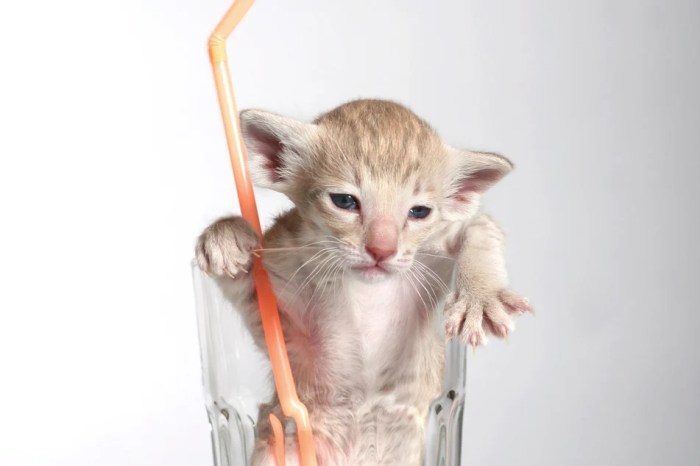
Source: tag24.de
The respiratory system of a kitten differs significantly from that of an adult cat. Kittens have smaller airways and less developed respiratory muscles, making them more susceptible to irritation and spasms. Their diaphragm is also still developing, which can affect its control and coordination.
Hiccups are surprisingly common in kittens. This is likely due to their immature respiratory system and their tendency to eat quickly while playing. Hiccups in kittens are often a normal part of development and typically resolve on their own as the respiratory system matures.
While hiccups in kittens are usually harmless, it’s still important to monitor them closely. If the hiccups are persistent, accompanied by other symptoms, or seem to be causing distress, consult a veterinarian to rule out any underlying medical conditions.
The respiratory system of a kitten is characterized by smaller airways, less developed respiratory muscles, and an immature diaphragm compared to an adult cat. This makes kittens more vulnerable to respiratory irritation and spasms, contributing to the higher frequency of hiccups observed in this age group.
Hiccups and Medications – Potential Interactions
Certain medications can influence a cat’s susceptibility to hiccups, although the exact mechanisms are not always fully understood. Some medications can affect the nervous system, potentially increasing the sensitivity of the phrenic nerve and triggering hiccups. Others might disrupt the digestive system, leading to irritation and spasms.
Potential interactions between common feline medications and hiccup occurrence are an area of ongoing research. While definitive evidence is limited, anecdotal reports suggest that certain drugs may be associated with an increased risk of hiccups.
| Medication Name | Potential Impact | Explanation |
|---|---|---|
| Felixir (Fictional) | Positive | Anxiety medication; can sometimes cause hiccups as a side effect due to nervous system stimulation. |
| Gastrolax (Fictional) | Negative | Gastrointestinal medication; may reduce hiccups by addressing underlying digestive issues. |
| BronchEase (Fictional) | Neutral | Respiratory medication; unlikely to directly affect hiccups, but may mask underlying respiratory conditions that could be contributing to them. |
| CardioGuard (Fictional) | Positive | Heart medication; can sometimes cause hiccups as a side effect due to its impact on the nervous system. |
| PainRelief Plus (Fictional) | Neutral | Pain medication; unlikely to directly affect hiccups unless the pain is related to a respiratory issue. |
| AllergyBlock (Fictional) | Negative | Antihistamine; may reduce hiccups triggered by allergies by alleviating respiratory irritation. |
Hiccups and Environmental Factors – External Influences
Changes in temperature or humidity can affect a cat’s respiratory system and potentially trigger hiccups. Extreme temperatures can irritate the airways, while fluctuations in humidity can dry out the mucous membranes, making them more susceptible to irritation. Maintaining a comfortable and stable environment is crucial for your cat’s respiratory health.
Dust or allergens in the environment can also induce hiccups in sensitive cats. Exposure to dust mites, pollen, or mold spores can irritate the airways and trigger a hiccup response. Regular cleaning and air purification can help minimize these triggers.
Loud noises or sudden movements can contribute to hiccups due to stress or startle. Cats are highly sensitive to their surroundings, and unexpected stimuli can trigger a stress response that manifests as hiccups. Providing a calm and predictable environment can help reduce this risk.
Imagine a mind map:
Feline Hiccups
↓
Environmental Factors
↓
Temperature/Humidity: (Extreme heat/cold, fluctuating humidity)
↓
Dust/Allergens: (Dust mites, pollen, mold)
↓
Noise/Movement: (Loud noises, sudden movements, stressful events)
Recording and Documenting Hiccups – Tracking Patterns
Accurately recording the frequency, duration, and triggers of your cat’s hiccups can be incredibly helpful in identifying potential patterns and informing your veterinarian. Keeping a detailed log allows you to track the progression of the hiccups and identify any associated symptoms.
It’s important to document any accompanying symptoms, such as coughing, sneezing, lethargy, or loss of appetite. These symptoms can provide valuable clues about the underlying cause of the hiccups and help your veterinarian make an accurate diagnosis.
This information is invaluable for your veterinarian. A detailed history of your cat’s hiccups, including frequency, duration, triggers, and associated symptoms, can help them narrow down the potential causes and recommend appropriate diagnostic tests or treatment options.
Here’s a sample hiccup tracking log:
| Date | Time | Duration (minutes) | Triggers | Accompanying Symptoms | Notes |
|---|---|---|---|---|---|
| 2024-10-27 | 7:00 AM | 2 | After breakfast | None | Seemed to swallow a lot of air while eating. |
| 2024-10-27 | 2:00 PM | 5 | Playtime | Slightly lethargic | Stopped playing abruptly and started hiccuping. |
| 2024-10-28 | 9:00 AM | 1 | None | None | Occurred spontaneously. |
Conclusion
So, there you have it – a comprehensive look at feline hiccups! From potential dietary triggers to breed predispositions and when to worry, we’ve covered a lot of ground. While occasional hiccups are usually nothing to fret about, understanding the potential causes and recognizing red flags can help you ensure your cat’s well-being. Keeping a watchful eye and documenting any unusual patterns can be incredibly valuable information for your vet, ensuring your kitty gets the best possible care.
Now, go give your cat a little extra love (and maybe a slow-feeding bowl!).
Commonly Asked Questions
Why do cats get hiccups after eating quickly?
Swallowing air while gobbling down food can irritate the esophagus and trigger hiccups. Slowing down their eating helps prevent this.
Are hiccups in kittens normal?
Yes, hiccups are often a normal part of kitten development as their respiratory systems mature. They’re usually harmless.
Can stress cause hiccups in cats?
Absolutely! Excitement, anxiety, or sudden changes in their environment can all trigger hiccups.
What’s the difference between a hiccup and a cough?
Hiccups are usually short, isolated sounds, while coughing is often more prolonged and may be accompanied by other respiratory signs.
Should I be worried if my cat has hiccups that last for hours?
Persistent hiccups warrant a vet visit. They could be a sign of an underlying medical issue.
Can certain medications cause hiccups?
Yes, some medications can increase a cat’s susceptibility to hiccups as a side effect. Always discuss any concerns with your vet.