Ever noticed your cat’s claws looking a little different than usual? It’s a surprisingly common concern! From natural shedding to potential medical issues, there are many reasons why a cat might lose a claw. This guide dives deep into the world of feline claws, exploring everything from the normal claw cycle to what to do if you suspect something’s amiss.
We’ll cover everything from the anatomy of a cat’s claw to the best ways to keep those paws healthy and happy, and even discuss alternatives to declawing.

Understanding the intricacies of claw health is crucial for responsible cat ownership. We’ll break down the different types of claw loss – natural shedding versus those caused by injury, disease, or even nutritional deficiencies. Knowing the signs of a problem and how to address them can significantly improve your cat’s comfort and overall well-being. Plus, we’ll explore enriching your cat’s environment to encourage healthy scratching habits and minimize the risk of claw-related issues.
Can Cats Lose Their Claws? Understanding Feline Claw Health
Cats are known for their sharp claws, essential for climbing, hunting, and marking territory. But have you ever noticed your cat’s claws seem shorter than they used to be, or even missing entirely? It’s a common concern for cat owners, and the reasons behind it can range from perfectly natural processes to underlying health issues. This article will explore the fascinating world of feline claws, covering everything from natural shedding to potential medical problems and what you can do to keep your cat’s paws healthy and happy.Understanding the lifecycle of a cat’s claws is the first step in addressing any concerns.
Claws aren’t like human fingernails; they’re more akin to rhinoceros horns – made of keratin, the same protein that makes up hair and skin. This means they don’t have a root that grows from the skin. Instead, they grow continuously and are worn down through use.
Natural Claw Loss in Cats
A cat’s claws typically last for around 3 to 6 months before being naturally shed. This shedding isn’t a sudden event; it’s a gradual process. Claws grow in cycles, influenced by factors like activity level, diet, and even the cat’s age. Younger, more active kittens tend to wear their claws down faster than older, less active cats.The structure of a cat’s claw is important to understand.
Each claw is encased in a protective sheath. Inside this sheath is the
- quick*, a sensitive, highly vascularized area containing nerves and blood vessels. This is why declawing (onychectomy) is so controversial – it involves amputation of the last bone of each toe, along with the quick. The visible part of the claw is primarily composed of
- keratin*, a tough, fibrous protein that provides strength and durability.
Indoor cats generally experience slower claw wear compared to their outdoor counterparts. Outdoor cats use their claws more frequently for climbing trees, hunting, and defending themselves, leading to more natural shedding. Indoor cats, with less opportunity for these activities, may retain their claws for longer periods, potentially leading to overgrown claws that require more frequent trimming.
Causes of Premature Claw Loss
While natural shedding is normal, premature claw loss can signal an underlying problem. Several factors can contribute to this, and it’s important to be aware of them.Fungal infections, particularly dermatophytosis (ringworm), can affect the claws, causing them to become brittle, discolored, and eventually fall off. These infections are often accompanied by hair loss and skin lesions elsewhere on the body.Nutritional deficiencies can also impact claw health.
A diet lacking in essential vitamins and minerals, particularly biotin and zinc, can lead to weak, brittle claws that are prone to breakage and loss. High-quality cat food formulated to meet a cat’s specific nutritional needs is crucial.Parasitic infestations, such as mites (Demodex cati), can burrow into the claw bed, causing inflammation, pain, and ultimately, claw loss. These infestations are more common in kittens and cats with weakened immune systems.Autoimmune diseases, like psoriasis or lupus, can also target the claws, causing inflammation, ulceration, and eventual shedding.
These conditions often involve other systemic symptoms and require veterinary diagnosis and treatment.
Trauma and Injury Leading to Claw Loss
Accidents happen, and cats are susceptible to claw injuries. A common culprit is accidental door slams, which can crush a claw and cause it to detach.Fighting with other animals is another frequent cause of claw damage. Scratches and bites can tear or break claws, and in severe cases, lead to complete loss. Keeping cats indoors or providing safe, supervised outdoor access can minimize these risks.Improper grooming techniques, such as using human nail clippers or cutting too far back, can damage the quick and cause pain, bleeding, and potential infection, which can lead to claw loss.The environment itself can contribute to claw wear and tear.
Rough surfaces, like concrete or abrasive flooring, can wear down claws excessively, making them more prone to breakage and loss.
Claw Removal Procedures: Declawing
Declawing, or onychectomy, is a surgical procedure involving the amputation of the last bone of each toe. It’s a controversial practice due to its potential for long-term complications and ethical concerns.The surgical steps typically involve anesthesia, followed by a precise incision to access the quick. The bone is then amputated just beyond the quick, and the incision is closed with sutures.
Multiple declawing procedures are performed on each paw.Short-term complications can include pain, swelling, bleeding, and infection. Long-term complications can be more serious, including chronic pain, lameness, behavioral changes (such as biting or aggression), and arthritis.While both guillotine and laser declawing techniques exist, both involve the amputation of bone. The guillotine method uses a sharp blade to sever the bone and quick, while the laser method uses heat to cut and cauterize the tissue.
Neither method is inherently more humane, and both carry the same risks of complications.
Alternatives to Declawing
Fortunately, there are numerous alternatives to declawing that address scratching behavior without resorting to surgery.Behavioral modification techniques, such as redirecting scratching behavior to appropriate surfaces and using positive reinforcement, can be highly effective.Selecting appropriate scratching posts and placement strategies is key. Scratching posts should be tall, sturdy, and made of materials that cats enjoy scratching, such as sisal, cardboard, or carpet.
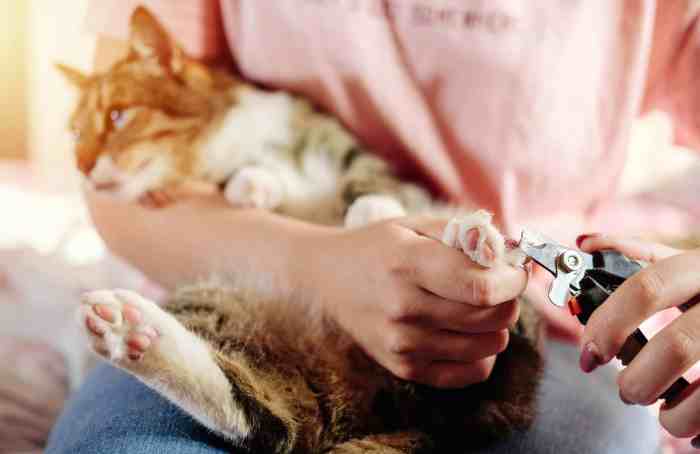
Placing them in prominent locations, such as near doorways or favorite resting spots, encourages use.Claw caps (Soft Paws) are a temporary solution that involves gluing plastic caps over the cat’s claws. These caps prevent damage to furniture and people but need to be replaced regularly as the claws grow.Regular nail trimming and proper claw maintenance are essential for preventing overgrown claws and minimizing scratching damage.
Claw Regrowth and Recovery
Source: coleandmarmalade.com
After partial or complete claw loss, the claw will eventually regrow, although the process can take several months.The speed and quality of regrowth are influenced by factors like age, overall health, and nutrition. Younger cats generally regrow claws faster than older cats.During the regrowth period, it’s important to keep the paws clean and dry to prevent infection. Gentle handling and avoiding activities that put stress on the paws are also beneficial.Signs of infection or complications during claw regrowth, such as redness, swelling, pus, or excessive pain, warrant immediate veterinary attention.
Medical Treatments for Claw Problems
Addressing the underlying cause of claw problems is crucial for effective treatment.Antifungal medications, both topical and oral, are used to treat fungal claw infections.Treatments for parasitic infestations typically involve topical or systemic medications to eliminate the parasites.Nutritional supplements, such as biotin and zinc, can support healthy claw growth in cats with deficiencies.Veterinary interventions, such as corticosteroids or immunosuppressants, may be necessary to address autoimmune-related claw issues.
Distinguishing Natural Shedding from Problematic Claw Loss
It can be challenging to differentiate between normal claw shedding and a more serious problem. The following table provides a helpful comparison:
| Feature | Natural Shedding | Problematic Loss |
|---|---|---|
| Frequency | Gradual, every few months | Sudden, frequent |
| Appearance | Claw detaches cleanly | Broken, frayed, or missing |
| Paw Condition | Healthy, no signs of inflammation | Redness, swelling, pain, discharge |
| Cat’s Behavior | Normal, no signs of discomfort | Limping, reluctance to walk, excessive licking |
A checklist of observations can help owners determine if claw loss is normal or concerning: Is the loss gradual or sudden? Is there any sign of injury or inflammation? Is the cat exhibiting any signs of pain or discomfort?Regular paw examinations are essential for early detection of problems. Check the claws for any signs of breakage, discoloration, or inflammation.Seeking professional veterinary advice is recommended if you notice any concerning changes in your cat’s claws or paws.
Environmental Enrichment and Claw Health
Creating a cat-friendly environment can significantly impact claw health and overall well-being.A cat-friendly environment encourages natural scratching behaviors by providing ample opportunities for climbing and scratching.Providing vertical space, such as cat trees and shelves, allows cats to stretch, climb, and scratch, mimicking their natural instincts.Interactive play reduces stress and minimizes destructive scratching by providing an outlet for energy and stimulating mental engagement.Minimizing hazards in the home, such as rough surfaces and sharp objects, can prevent claw injuries.
Specific Claw Conditions & Their Impact
Certain conditions can specifically affect claw health and appearance.Eosinophilic Granuloma Complex (EGC) can manifest as lesions on the claws, causing them to become brittle, deformed, or even fall off.Chronic lameness can indirectly affect claw health by reducing activity and leading to abnormal claw wear.Diabetes can impair circulation, making claws more prone to infection and slow healing.Hyperthyroidism can influence claw growth and texture, often resulting in abnormally long and brittle claws.
Closing Summary
So, can cats lose their claws? The short answer is yes, but the
-why* is what matters. Whether it’s a natural part of their growth cycle, a result of an injury, or a sign of an underlying health condition, understanding the potential causes and solutions is key. By being observant, providing a stimulating environment, and seeking veterinary care when needed, you can help your feline friend maintain healthy claws and a happy, comfortable life.
Remember, proactive care is always the best approach when it comes to your cat’s well-being!
Ultimately, prioritizing your cat’s claw health involves a combination of understanding their natural behaviors, addressing any potential medical concerns, and providing a safe and enriching environment. With a little knowledge and care, you can ensure your cat’s paws stay in tip-top shape, allowing them to climb, scratch, and explore the world with confidence.
Query Resolution
Why do cats’ claws shed?
Just like our hair, a cat’s claws grow in cycles and naturally shed the outer layer. This is a normal process and usually happens gradually.
Can a cat’s claws grow back if they fall off completely?
Yes, in most cases! Claws typically regrow, though the speed and quality can vary depending on the cause of the loss and the cat’s overall health.
What’s the difference between a claw cap and declawing?
Claw caps (Soft Paws) are temporary vinyl caps glued onto the claws, preventing scratching. Declawing is a surgical procedure that removes the last bone of each toe, and is considered inhumane by many.
How often should I trim my cat’s claws?
Generally, every 2-3 weeks is a good guideline, but it depends on your cat’s activity level and how quickly their claws grow.
What are some signs of a fungal infection in a cat’s claws?
Look for discoloration (yellow, brown, or black), brittleness, crumbling, or a foul odor coming from the claws.
Is it normal for my cat to have some claws that are shorter than others?
Yes, it can be! Claws wear down differently depending on the surfaces your cat uses for scratching and climbing.
What should I do if I suspect my cat has a parasitic infestation on their claws?
Consult your veterinarian immediately. They can diagnose the parasite and prescribe appropriate treatment.
How can I tell if my cat’s claw loss is a serious problem?
If the loss is sudden, accompanied by pain, swelling, limping, or signs of infection, seek veterinary attention promptly.

