Ever noticed those adorable, squishy-faced cats with their charmingly flattened features? We’re diving deep into the world of cat breeds with flat faces, often called brachycephalic breeds. These cats, like the Persian and Exotic Shorthair, have captured hearts worldwide, but their unique appearance comes with some important considerations. Let’s explore their history, characteristics, potential health concerns, and how to best care for these special felines.
The popularity of these breeds has surged over the decades, largely driven by their distinctive looks and often gentle personalities. However, the breeding practices that created these flattened faces have also inadvertently led to a range of health challenges. Understanding these challenges and how to mitigate them is crucial for any prospective or current owner of a flat-faced cat.
Flat-Faced Cat Breeds: A Comprehensive Guide
The allure of a cat with a uniquely “flat” face is undeniable. These breeds, often characterized by their shortened noses and expressive eyes, have captivated cat lovers worldwide. But what exactly defines a “flat face” in a feline, and what’s the story behind their popularity? This guide delves into the world of brachycephalic cat breeds, exploring their history, characteristics, health concerns, and the ethical considerations surrounding their breeding.
We’ll cover everything from the iconic Persian to the more moderate British Shorthair, providing you with the knowledge to appreciate and care for these charming companions.
The term “flat face” in cats refers to a brachycephalic facial structure – a shortening of the bones in the nose and upper face. This results in a pushed-in appearance, with a shortened muzzle, wide-set eyes, and often, a flattened forehead. While undeniably cute to many, this conformation comes with potential health challenges that responsible owners and breeders need to be aware of.
The rise in popularity of these breeds is largely due to their distinctive looks and often, their docile and affectionate personalities. Selective breeding over decades has amplified these features, sometimes at the expense of overall health. Early breeding efforts often focused solely on aesthetics, leading to the exaggeration of brachycephalic traits we see today.
| Breed Name | Origin | General Appearance |
|---|---|---|
| Persian | Iran (Historically Persia) | Long, flowing coat; round face; short, flattened nose; large, round eyes. |
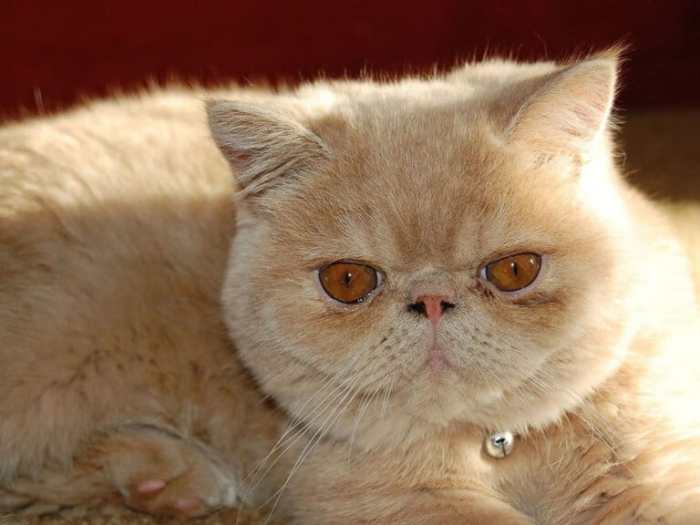
| Exotic Shorthair | United States | Short, dense coat; round face; short, flattened nose; large, round eyes; similar to a Persian but with a short coat. |
| British Shorthair | Great Britain | Dense, plush coat; round face; moderately short nose; large, round eyes; more moderate brachycephaly than Persians or Exotic Shorthairs. |
Persian Cats: The Archetype
The Persian cat is arguably the most recognizable flat-faced breed, and its history is rich and fascinating. Originating in Persia (modern-day Iran), these cats were first documented in the 16th century. European travelers brought them back to Europe in the 19th century, where they quickly gained popularity. Selective breeding in Victorian England further refined the breed’s appearance, emphasizing the long coat, round face, and short nose.
The modern Persian we know today is a far cry from the original Persian cats, which were less extreme in their conformation.
The Persian’s facial structure is a prime example of brachycephaly. Their shortened nasal bones and upper jaw result in a flattened face, prominent eyes, and a tendency for excessive tearing. This conformation can lead to several health issues, including breathing difficulties due to narrowed nasal passages and increased risk of corneal ulcers due to the eyes’ vulnerability. The degree of brachycephaly varies among Persians, with some individuals exhibiting more extreme features than others.
- Chinchilla Silver: A shimmering silver coat with black tipping.
- Blue: A soft, slate-gray coat.
- Cream: A pale, creamy coat.
- Red (Flame): A vibrant orange-red coat.
- Calico: A combination of white, black, and red (or diluted versions of these colors).
- Bi-Color: White with patches of another color.
Describing a Persian cat’s facial features requires attention to detail. Imagine a perfectly round face, framed by a luxurious, flowing mane. The nose is short and flat, often with a slight dip between the eyes. The eyes are large, round, and expressive, typically a deep copper or blue color. The overall impression is one of serenity and sweetness, a gentle face that invites affection.
The slight upturn of the nose and the wide-set eyes contribute to a perpetually surprised and endearing expression.
Exotic Shorthair: The Persian’s “Easy-Care” Cousin
The Exotic Shorthair is often referred to as the “lazy man’s Persian” due to its similar appearance but with a shorter, easier-to-manage coat. While sharing the same round face and brachycephalic features as the Persian, the Exotic Shorthair offers a slightly less demanding grooming routine. They were developed in the United States in the 1950s and 1960s by crossing Persians with American Shorthairs, aiming to create a Persian-like cat with a short, plush coat.
While both breeds share a similar facial structure, there are key differences. Exotic Shorthairs generally have a slightly less extreme brachycephalic face than Persians, which can sometimes translate to fewer respiratory issues. Their coat, of course, is the most obvious difference, requiring significantly less grooming than the Persian’s long, flowing fur. Temperamentally, both breeds are known for their gentle and affectionate nature, but Exotic Shorthairs are often described as being slightly more playful and energetic.
- Grooming Needs: Exotic Shorthairs require weekly brushing to prevent matting and hairballs, while Persians need daily grooming.
- Coat Length: Exotic Shorthairs have a short, dense coat; Persians have a long, flowing coat.
- Facial Features: Both have round faces and short noses, but Persians often have a more extreme brachycephalic appearance.
| Feature | Persian | Exotic Shorthair |
|---|---|---|
| Coat Length | Long | Short |
| Grooming Needs | High (Daily) | Moderate (Weekly) |
| Facial Features | More extreme brachycephaly | Less extreme brachycephaly |
British Shorthair: A More Moderate Flat Face
The British Shorthair presents a different take on the flat-faced aesthetic. While they share a round face with Persians and Exotic Shorthairs, their facial structure is considerably more moderate. Their nose is shorter than a typical cat’s, but not as dramatically flattened as those of the Persian or Exotic Shorthair. This less extreme conformation often results in fewer of the health problems associated with more severe brachycephaly.
The British Shorthair’s history dates back to the 19th century, when hairless cats were brought to Great Britain from the Far East. These cats were crossed with local domestic cats, resulting in the sturdy, round-faced breed we know today. They were initially popular as working cats, controlling rodent populations in homes and businesses. Their calm and adaptable nature has made them a beloved family pet for generations.
British Shorthairs are known for their easygoing and affectionate personalities. They are generally quiet and undemanding, making them well-suited to apartment living. They enjoy human companionship but are also content to entertain themselves, making them a relatively low-maintenance pet.
The ideal British Shorthair head is round, with a broad dome and full cheeks. The nose is short and slightly concave, with a well-developed stop (the indentation between the nose and forehead). The eyes are large, round, and widely spaced, giving the cat an expression of gentle curiosity.
Health Concerns Associated with Brachycephalic Breeds
The shortened facial structure of brachycephalic cats, while aesthetically pleasing to some, can lead to a range of health problems. These issues stem from the compromised respiratory and ocular systems resulting from the altered anatomy. Understanding these potential concerns is crucial for responsible ownership.
Common respiratory problems include breathing difficulties (dyspnea), often exacerbated by exercise or stress, and snoring. The narrowed nasal passages and elongated soft palate can obstruct airflow. Eye issues are also prevalent, including excessive tearing (epiphora), which can lead to skin irritation and infections, and corneal ulcers, which are particularly risky due to the eyes’ increased exposure and reduced ability to blink effectively.
Dental problems are frequently observed in flat-faced cats. Malocclusion (misaligned teeth) is common, leading to overcrowding and difficulty cleaning. This, in turn, increases the risk of gingivitis (inflammation of the gums) and periodontal disease. The shortened jaw can also cause issues with eating and swallowing.
- Regular veterinary checkups
- Maintaining a healthy weight to reduce stress on the respiratory system
- Keeping the face clean to prevent tear staining and infections
- Providing a humid environment, especially during dry weather
- Monitoring for signs of respiratory distress or eye problems
Caring for a Flat-Faced Cat: Practical Tips
Source: thediscerningcat.com
Caring for a flat-faced cat requires a proactive approach to managing their unique health needs. Diet plays a crucial role, as obesity can exacerbate respiratory problems. Careful portion control and a balanced diet are essential to maintain a healthy weight.
Environmental enrichment is also vital. Interactive toys, climbing structures, and puzzle feeders can help keep these cats mentally and physically stimulated, preventing boredom and promoting overall well-being. Regular play sessions can also help them maintain a healthy weight and build muscle strength.
Regular veterinary checkups are paramount. These checkups should include a thorough examination of the respiratory system, eyes, and mouth. Early detection and treatment of any health concerns can significantly improve the cat’s quality of life.
| Health Concern | Symptoms | Management Strategies |
|---|---|---|
| Respiratory Problems | Labored breathing, snoring, wheezing | Weight management, humidifiers, veterinary medication |
| Eye Issues | Excessive tearing, redness, squinting | Regular cleaning, veterinary eye drops or ointment |
| Dental Problems | Bad breath, difficulty eating, drooling | Regular dental cleanings, specialized dental diets |
Other Breeds with Notable Flat Faces
While Persians, Exotic Shorthairs, and British Shorthairs are the most well-known examples, several other cat breeds exhibit some degree of brachycephaly. The Himalayan, a cross between a Persian and a Siamese, shares the Persian’s flat face and long coat but with the Siamese’s distinctive color points. The Burmese, while not as extreme as the Persian, has a slightly shortened face and a broad chest.
The level of facial flatness varies considerably among these breeds. Persians and Exotic Shorthairs exhibit the most pronounced brachycephaly, followed by the British Shorthair. Himalayans have a moderate degree of flatness, while Burmese cats have a relatively mild flattening of the face. The degree of brachycephaly is a spectrum, and individual cats within each breed can vary significantly.
- Himalayan: Developed in the 1950s by crossing Persians and Siamese. Known for their long, flowing coats and color points.
- Burmese: Originating in Burma (Myanmar), these cats are known for their muscular build and affectionate personalities.
- Himalayan: Long, flowing coat; color points; flat face.
- Burmese: Short, glossy coat; muscular build; slightly shortened face.
Ethical Considerations in Breeding Flat-Faced Cats
The breeding of brachycephalic animals, including flat-faced cats, is a subject of ongoing ethical debate. While these breeds are undeniably popular, the potential for health problems raises concerns about the welfare of the animals. The exaggeration of brachycephalic traits through selective breeding has, in some cases, resulted in cats with severe respiratory difficulties, eye problems, and dental issues.
Breeders have a responsibility to prioritize the health and welfare of their cats above all else. This includes selecting breeding pairs that are free from genetic health problems and avoiding the breeding of individuals with extreme brachycephalic features. Efforts are underway to improve the health and conformation of these breeds through selective breeding, focusing on reducing the severity of brachycephaly while preserving the breed’s distinctive appearance.
- Ask about the breeder’s health screening practices.
- Inquire about the lineage of the cat and any known health problems in the family.
- Observe the cat’s breathing and overall health.
- Ensure the breeder is knowledgeable about the breed’s specific health concerns.
- Look for breeders who are actively working to improve the health of the breed.
Visual Descriptions: Illustrating Facial Features
The Persian cat’s nose is a defining characteristic. It’s short, flat, and often has a slight dip between the eyes, creating a charmingly upturned appearance. The texture is smooth and delicate, with a subtle curve that contributes to the cat’s overall sweet expression. The nose leather is typically a shade of pink or black, complementing the cat’s coat color.
An Exotic Shorthair’s eyes are captivating. They are large, round, and widely spaced, with a gentle, almost innocent expression. The color varies depending on the coat color, but copper, blue, and green are common. The eyes are set deep within the face, giving them a soulful and expressive quality.
The British Shorthair’s cheeks are a hallmark of the breed. They are round and full, giving the cat a perpetually contented expression. The cheeks are well-padded, contributing to the breed’s overall sturdy and robust appearance. The fullness of the cheeks balances the slightly shortened nose, creating a harmonious facial profile.
A Himalayan cat’s facial expression is one of serene beauty and gentle curiosity. The combination of the flat face, large, expressive eyes, and long, flowing coat creates an image of timeless elegance. The slightly upturned nose and the wide-set eyes contribute to a perpetually surprised and endearing expression, making the Himalayan a truly captivating feline.
Grooming Techniques for Flat-Faced Cats
Grooming a Persian cat’s face requires a gentle and meticulous approach. Daily cleaning is essential to prevent tear staining and keep the face clean. Use a soft, damp cloth to gently wipe away any discharge from the eyes and nose. A cotton ball can be used to clean around the eyes, being careful not to irritate the delicate skin.
Managing tear staining in flat-faced cats is an ongoing process. Regular cleaning, a healthy diet, and supplemental enzymes can help reduce tear production and prevent staining. Avoid harsh chemicals or abrasive cleaners, as these can irritate the skin.
Brushing an Exotic Shorthair’s coat is less demanding than grooming a Persian’s, but still important. Brush the coat several times a week to prevent matting and hairballs. Use a soft-bristled brush and work in the direction of hair growth. Pay particular attention to areas prone to matting, such as behind the ears and under the legs.
- Gently dampen a soft cloth with warm water.
- Carefully wipe away any discharge from the eyes and nose.
- Use a cotton ball to clean around the eyes, being careful not to irritate the delicate skin.
- Dry the face with a clean, soft towel.
Conclusion
From the luxurious Persian to the easy-going Exotic Shorthair and the sturdy British Shorthair, cat breeds with flat faces offer a unique charm and companionship. While their adorable appearance is undeniable, responsible ownership requires a commitment to understanding and addressing their potential health concerns. By prioritizing their well-being and seeking proactive veterinary care, we can ensure these beloved cats live happy, healthy, and fulfilling lives.
Ultimately, choosing a flat-faced cat is a decision that shouldn’t be taken lightly. It’s about embracing the joys
-and* responsibilities that come with caring for a breed that requires extra attention and dedication. Let’s continue to advocate for ethical breeding practices and prioritize the health and happiness of these captivating companions.
Query Resolution
Why are some cat breeds flat-faced?
Selective breeding over many years has emphasized specific facial features, resulting in a shortened skull and flattened face. This is known as brachycephaly.
Are flat-faced cats always unhealthy?
Not always, but they are predisposed to certain health problems. The severity of these issues can vary greatly between individual cats and breeders.
What’s the difference between a Persian and an Exotic Shorthair?
The Exotic Shorthair is essentially a Persian with a short, plush coat. They share the same brachycephalic facial structure and similar temperament.
How can I help my flat-faced cat breathe easier?
Keep them in a cool, well-ventilated environment, avoid strenuous exercise, and consult your vet about potential treatments for respiratory issues.
What is tear staining, and how do I manage it?
Tear staining is a discoloration around the eyes caused by excess tearing. Gentle cleaning with a pet-safe wipe and dietary adjustments can help.
Should I be concerned about dental problems in flat-faced cats?
Yes, malocclusion (misaligned teeth) is common. Regular dental checkups and professional cleanings are essential.
What questions should I ask a breeder before buying a flat-faced cat?
Ask about the cat’s lineage, health testing of the parents, and the breeder’s commitment to ethical breeding practices. Inquire about any known health issues in their lines.

