The Dragon Li cat, a relatively rare breed hailing from China, holds a captivating place in history and folklore. Often shrouded in legend, these cats are more than just beautiful companions; they’re living links to ancient Chinese culture and traditions. Their unique appearance, intriguing temperament, and fascinating history make them a truly special breed to learn about, and this guide will delve into everything you need to know about these enigmatic felines.
From their origins as revered household guardians to their modern-day roles as beloved pets, the Dragon Li’s journey is a testament to the enduring bond between humans and cats. We’ll explore their physical characteristics, personality quirks, care requirements, and how they compare to other Chinese cat breeds, offering a comprehensive look at what makes the Dragon Li so unique.
Origins and History of the Dragon Li Breed
The Dragon Li, also known as the Long Li or Li Hua, is a relatively rare and enigmatic breed originating from China. Its history is interwoven with Chinese folklore and tradition, making it more than just a beautiful cat; it’s a symbol steeped in cultural significance. Understanding its origins provides a fascinating glimpse into the role cats have played in Chinese society for centuries.The breed’s development is believed to have occurred naturally in the Sichuan province of China, likely over hundreds of years.
Early accounts suggest Dragon Lis were prized for their striking appearance and considered good luck charms. They weren’t primarily working cats like mousers, but rather ornamental companions, often kept in temples and wealthy households. The breed’s name, “Dragon Li,” is derived from its resemblance to Chinese dragons – the long, flowing coat and distinctive markings evoke the imagery of these mythical creatures.
The “Li” portion of the name refers to the cat’s elegant and graceful movements.Legends surrounding the Dragon Li often depict them as descendants of celestial cats sent to Earth by the gods. Some stories claim they possess mystical powers, bringing prosperity and warding off evil spirits. While concrete lineage tracing is difficult due to the breed’s natural development, it’s believed the Dragon Li shares ancestry with other Chinese cat breeds, potentially including the Chinese Li Hua and the Mandarin Cat, though distinct characteristics have allowed them to maintain their unique identity.
Genetic research is ongoing to further clarify these connections.
Physical Characteristics and Appearance
The Dragon Li is a medium-to-large sized cat, possessing a distinctly elegant and flowing appearance. Adult males typically weigh between 8-12 pounds, while females range from 6-9 pounds. Their build is slender and muscular, with long legs and a graceful, almost serpentine, posture. The breed’s most striking feature is its long, flowing coat, which can reach impressive lengths.Coat color and patterns are incredibly diverse within the Dragon Li breed.
Common colors include silver, blue, black, white, and various shades of cream and red. Patterns range from solid colors to tabby markings, tortoiseshell, and calico. The long, flowing fur often creates a shimmering effect, especially in sunlight. A particularly prized variation is the “smoke” pattern, where the tips of the fur are a contrasting color, giving the cat a smoky appearance.The Dragon Li’s face is characterized by a wedge-shaped head, large, expressive eyes, and prominent whisker pads.
Eye color varies, but shades of green, gold, and copper are most common. Ear placement is relatively high on the head, and the ears themselves are moderately sized and slightly pointed. The whisker patterns are often elaborate, with long, flowing whiskers that contribute to the cat’s overall regal appearance.
| Feature | Description | Variation |
|---|---|---|
| Coat | Long, flowing, single coat | Solid, tabby, tortoiseshell, calico, smoke |
| Eyes | Large, expressive, almond-shaped | Green, gold, copper |
| Tail | Long, flowing, plume-like | Can be straight or slightly curved |
Temperament and Behavior
Dragon Lis are known for their complex and intriguing personalities. They are generally sociable cats, enjoying the company of humans and, with proper introductions, other pets. However, they also possess a strong sense of independence and can be content entertaining themselves. This balance of sociability and independence makes them adaptable to various living situations.Playfulness is a key characteristic of the Dragon Li.
They enjoy interactive games and chasing toys, retaining a kitten-like energy well into adulthood. Their energy levels are moderate; while they appreciate playtime, they also enjoy long periods of relaxation and grooming.Vocalizations in Dragon Lis are typically soft and melodic. They are not excessively talkative like some breeds, but they will communicate their needs and desires with gentle meows and purrs.
Their communication style is often subtle, relying on body language and facial expressions to convey their feelings. Indoor Dragon Lis tend to be more affectionate and reliant on human interaction, while outdoor Dragon Lis often exhibit greater independence and territorial behavior.
Grooming and Care Requirements
Maintaining the Dragon Li’s magnificent coat requires a dedicated grooming routine. Regular brushing, ideally several times a week, is essential to prevent mats and tangles. A stainless steel comb and a soft-bristled brush are recommended tools. During shedding season, daily brushing may be necessary. Bathing is generally not required unless the cat becomes excessively dirty.The Dragon Li’s dietary needs are similar to those of other cat breeds, but their long coat requires a diet rich in omega-3 and omega-6 fatty acids to promote healthy skin and fur.
High-quality cat food, appropriate for their age and activity level, is crucial. Fresh water should always be available. Consulting with a veterinarian regarding specific dietary needs, especially for cats with health conditions, is always recommended.Regular veterinary checkups are vital for maintaining the Dragon Li’s health. Annual vaccinations, parasite prevention, and dental care are essential preventative measures. Early detection of any health concerns can significantly improve treatment outcomes.
- Monday: Light brushing to remove loose fur.
- Tuesday: Check ears for wax buildup and clean gently if needed.
- Wednesday: Playtime and interactive games.
- Thursday: Brush thoroughly, paying attention to areas prone to matting.
- Friday: Trim nails if necessary.
- Saturday: Spot clean any soiled areas.
- Sunday: Full groom, including a gentle wipe-down with a damp cloth.
Health Concerns and Genetic Predispositions
While generally a healthy breed, Dragon Lis are predisposed to certain health issues. Polycystic kidney disease (PKD) is a concern, as are hypertrophic cardiomyopathy (HCM), a form of heart disease, and progressive retinal atrophy (PRA), an eye disease that can lead to blindness. Skin allergies and sensitivities are also occasionally observed.Genetic factors play a significant role in the development of these health concerns.
Responsible breeders screen their cats for PKD and HCM before breeding, minimizing the risk of passing these conditions on to their offspring. Early detection through regular veterinary checkups and genetic testing can help manage these conditions and improve the cat’s quality of life.Preventative measures include providing a high-quality diet, maintaining a healthy weight, and minimizing exposure to allergens.
Regular eye exams can help detect PRA early on.
| Health Concern | Symptoms & Potential Solutions |
|---|---|
| Polycystic Kidney Disease (PKD) | Increased thirst and urination, weight loss, lethargy. Regular veterinary checkups, dietary management, medication to manage symptoms. |
| Hypertrophic Cardiomyopathy (HCM) | Difficulty breathing, coughing, lethargy, sudden death. Regular cardiac exams (echocardiograms), medication to manage symptoms. |
| Progressive Retinal Atrophy (PRA) | Night blindness, cloudiness in the eyes, eventual blindness. No cure, but early detection allows for management and adaptation. |
Dragon Li vs. Other Chinese Cat Breeds
The Dragon Li is often confused with other Chinese cat breeds, particularly the Chinese Li Hua and the Mandarin Cat. While all share a common heritage, they possess distinct characteristics. The Chinese Li Hua is known for its curly coat, a trait absent in the Dragon Li. The Mandarin Cat, also known as the Old Mandarin Cat, is generally smaller and more compact than the Dragon Li, with a shorter coat.The Dragon Li is distinguished by its exceptionally long, flowing coat, its elegant build, and its often striking color patterns.
While all three breeds can be affectionate, the Dragon Li tends to be more independent and reserved than the Li Hua, which is known for its playful and outgoing nature. Care requirements are generally similar, but the Li Hua’s curly coat requires more frequent grooming to prevent matting.
The key differences lie in the coat texture (long and flowing in the Dragon Li, curly in the Li Hua, short in the Mandarin Cat), size (Dragon Li is larger, Mandarin Cat is smaller), and temperament (Dragon Li is more independent, Li Hua is more playful).
Finding a Dragon Li: Breeders and Adoption
Finding a Dragon Li can be challenging due to their rarity. Reputable breeders are dedicated to preserving the breed’s health and temperament. Thorough research is essential before acquiring a kitten. Verify breeder credentials by checking with cat registries and seeking references from other Dragon Li owners. Health testing for PKD and HCM is a crucial indicator of a responsible breeder.Adoption is another option, although Dragon Lis are less commonly found in shelters.
Contacting breed-specific rescue organizations or searching online adoption platforms may yield results. Be prepared to wait for the right opportunity.Here are some questions to ask a breeder before acquiring a Dragon Li kitten:
- What health testing have you performed on the parents?
- Can I see the kitten’s parents?
- What is your kitten socialization program?
- What guarantees do you offer regarding the kitten’s health?
- What is your experience with the Dragon Li breed?
Dragon Li in Popular Culture and Art
The Dragon Li’s striking appearance has long been celebrated in Chinese art and folklore. Historically, they have been depicted in paintings and ceramics, often symbolizing good luck, prosperity, and longevity. Their resemblance to dragons, revered creatures in Chinese mythology, further enhances their cultural significance. Literary references to cats with long, flowing coats and distinctive markings can be traced back centuries, though definitively identifying them as Dragon Lis is often difficult.In modern media, Dragon Lis are occasionally featured in films and television shows, often portrayed as elegant and mysterious companions.
Their unique appearance has also inspired contemporary artists, who create sculptures, paintings, and digital art featuring the breed. The breed’s flowing coat and regal posture lend themselves well to artistic representations, capturing the essence of Chinese elegance and mystique.
Dragon Li Environment and Enrichment
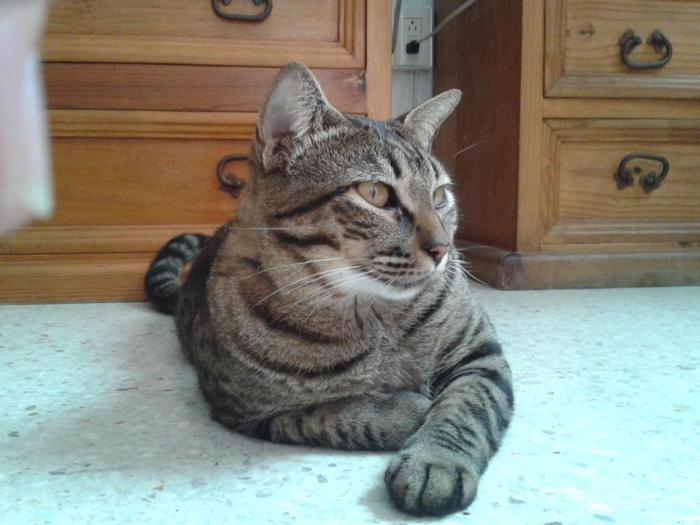
Source: catbreedselector.com
The ideal living environment for a Dragon Li is a safe, comfortable, and stimulating home. They thrive in spacious environments where they can stretch, play, and explore. Climate control is important, as their long coat can make them sensitive to extreme temperatures. Safety is paramount; secure windows and balconies are essential to prevent escapes.Providing a variety of toys and activities is crucial for a Dragon Li’s mental and physical well-being.
Interactive toys, puzzle feeders, and scratching posts are excellent choices. Climbing structures, such as cat trees and shelves, allow them to exercise their natural climbing instincts. Regular playtime with their human companions strengthens the bond and provides valuable stimulation.Creating a cat-friendly home environment involves providing comfortable resting spots, access to fresh water, and a litter box in a quiet, accessible location.
| Enrichment Type | Example | Benefit |
|---|---|---|
| Toys | Feather wands, laser pointers, catnip mice | Provides physical exercise and mental stimulation. |
| Climbing Structures | Cat trees, shelves, window perches | Allows for climbing and exploration, satisfying natural instincts. |
| Interactive Games | Hide-and-seek, fetch, puzzle feeders | Strengthens the bond with humans and provides mental challenges. |
Raising a Dragon Li Kitten
Socializing a Dragon Li kitten from a young age is essential for developing a well-adjusted and confident adult cat. Expose them to a variety of people, animals, and environments in a positive and controlled manner. Early training, using positive reinforcement techniques, can help establish good behavior habits.The challenges of raising a Dragon Li kitten include managing their long coat and ensuring they receive adequate mental and physical stimulation.
The rewards, however, are immense – a loyal, affectionate, and beautiful companion who will bring joy and elegance to your home.
- 8-12 weeks: Begin socialization with family members and gentle handling.
- 3-6 months: Introduce to other pets gradually and supervise interactions.
- 6-12 months: Start litter box training and basic obedience commands.
- 12-18 months: Continue socialization and provide ongoing mental stimulation.
- 18+ months: Maintain regular veterinary checkups and provide a loving and supportive environment.
Ultimate Conclusion
Ultimately, the Dragon Li cat represents a fascinating intersection of history, culture, and feline charm. Whether you’re a seasoned cat enthusiast or simply curious about this lesser-known breed, understanding their origins, needs, and unique qualities allows for a deeper appreciation of these beautiful and intelligent animals. Hopefully, this exploration has sparked your interest and provided valuable insights into the world of the Dragon Li – a breed truly worthy of its legendary name.
General Inquiries
Are Dragon Lis difficult to find?
Yes, they are quite rare outside of China, making them challenging to locate. Reputable breeders are few and far between, so patience and thorough research are essential.
Do Dragon Lis require a lot of grooming?
Their coat is relatively low-maintenance, requiring brushing once or twice a week to prevent matting and hairballs. Regular nail trims and ear cleaning are also important.
What is the typical lifespan of a Dragon Li?
With proper care and a healthy lifestyle, Dragon Lis typically live between 12 and 15 years.
Are Dragon Lis good with children and other pets?
Generally, they are known to be sociable and can get along well with children and other pets, especially when properly socialized from a young age. However, early introductions are key.
What are some common health problems to watch out for in Dragon Lis?
Like all breeds, they can be predisposed to certain health issues, including kidney problems and respiratory issues. Regular vet checkups are crucial for early detection and prevention.
What’s the difference between a Dragon Li and a Li Hua?
While both are Chinese breeds, Dragon Lis are generally larger and more muscular with a more fox-like face, while Li Huas are smaller and have a more rounded face and a distinctive “pom-pom” tail.

