The Chantilly-Tiffany cat, a breed shrouded in a bit of mystery and brimming with elegance, is a fascinating blend of history, genetics, and captivating beauty. Often called the “Chantilly,” this breed boasts a luxurious, silky coat and a sweet, affectionate personality, making it a beloved companion for many. But its journey to recognition wasn’t always smooth, marked by naming controversies and dedicated breeders striving to establish its unique identity.
From its roots in early Persian and Burmese crosses, the Chantilly-Tiffany has evolved into a distinct breed with a devoted following. We’ll explore its intriguing past, delve into its striking physical characteristics, uncover its charming personality traits, and discuss the care it needs to thrive. Understanding this breed means appreciating the dedication of those who brought it to life and the joy it brings to its owners.
The Enchanting Chantilly-Tiffany Cat: A Breed of Mystery and Beauty
The Chantilly-Tiffany cat, often called the “First Lady of Cats,” is a breed shrouded in a bit of history and controversy, but undeniably captivating with its luxurious coat and gentle demeanor. It’s a breed that has fascinated cat lovers for decades, and understanding its origins, characteristics, and care requirements is key to appreciating this unique feline. This article will delve into everything you need to know about the Chantilly-Tiffany, from its complex lineage to the best ways to keep your feline friend happy and healthy.
The Origins and History of the Chantilly-Tiffany Cat Breed
The story of the Chantilly-Tiffany is a fascinating blend of breeding experiments, disputed claims, and persistent dedication. Its roots lie in the mid-20th century, with a deliberate effort to create a cat possessing the luxurious coat of a Persian and the graceful build of a Burmese. The initial crosses involved Persian and Burmese cats, with subsequent generations incorporating other breeds like Angora and British Shorthair to refine the desired traits.Mrs.
Robinson, a Louisiana woman, is widely credited as the breed’s founder. She began her breeding program in the 1960s, aiming to produce a cat with a long, silky coat, a refined head, and a gentle temperament. She initially named her cats “Lilac Persians,” reflecting their predominant color and perceived Persian influence. However, as the breed developed its distinct characteristics, she began referring to them as “Chantillys,” inspired by the Chantilly lace of France, known for its delicate beauty.The naming and recognition of the breed have been a source of ongoing debate.
In the 1970s, a similar-looking cat was being developed in England by a breeder named Trish Jones, who called it the “Tiffany.” This led to confusion and legal disputes, with both breeders claiming ownership of the breed. Some registries recognize the Chantilly and Tiffany as separate breeds, while others consider them to be the same. The Cat Fanciers’ Association (CFA) currently recognizes the breed as the Chantilly, while other organizations may use the Tiffany name.Here’s a timeline outlining key milestones in the Chantilly-Tiffany’s history:
| Year | Event | Significance |
|---|---|---|
| 1960s | Mrs. Robinson begins breeding program in Louisiana. | Marks the beginning of the Chantilly-Tiffany breed’s development. |
| 1970s | Trish Jones begins breeding similar cats in England, naming them “Tiffanys.” | Leads to confusion and legal disputes over breed recognition. |
| 1980s | Breed gains popularity in Europe and North America. | Increased awareness and demand for the breed. |
| 2000s | Ongoing debate and varying recognition by cat registries. | Reflects the complex history and disputed origins of the breed. |
Physical Characteristics: Appearance and Distinctions
The Chantilly-Tiffany is a visually striking cat, known for its luxurious, flowing coat and elegant build. Adults typically weigh between 8 and 12 pounds, with males generally being larger than females. The ideal Chantilly-Tiffany possesses a medium-long coat that is incredibly soft and silky to the touch. Eye color is typically a warm amber or gold, though copper and green are also accepted.The breed’s coat exhibits a unique “tipped” or “shaded” pattern.
This means that each hair shaft has bands of color, with a darker tip and a lighter base. This creates a shimmering, almost luminous effect, especially when the cat moves. Unlike solid-colored cats, where the entire coat is a single color, the tipped pattern gives the Chantilly-Tiffany a softer, more subtle appearance. The undercoat is typically a lighter shade than the tips, further enhancing the shimmering effect.Compared to Persians, Chantilly-Tiffanys have a more athletic and streamlined build.
While Persians are known for their round faces and cobby bodies, Chantilly-Tiffanys have a more wedge-shaped head and a longer, more graceful body. They also differ from Burmese, which are more compact and muscular. The Chantilly-Tiffany combines the best of both worlds, possessing the elegance of a Persian and the athleticism of a Burmese.The facial features of a Chantilly-Tiffany are particularly appealing.
The eyes are large, round, and expressive, set wide apart and slightly tilted. The nose is medium in length with a gentle curve. The ears are medium-sized, set well apart on the head, and have slightly rounded tips. The overall impression is one of gentle intelligence and refined beauty.
Temperament and Personality Traits
Chantilly-Tiffany cats are renowned for their affectionate and gentle nature. They are often described as being “velcro cats,” as they love to be close to their human companions. They are known to follow their owners around the house, seeking out attention and affection. While they enjoy cuddling and being petted, they are also playful and energetic, enjoying interactive games and exploring their surroundings.Their temperament makes them excellent companions for families with children or other pets.
They are generally tolerant and patient, and their playful nature makes them a fun addition to any household. They are not typically aggressive or territorial, and they often get along well with other cats and even dogs.Chantilly-Tiffanys are known for their soft, melodious vocalizations. They are not excessively talkative, but they will often “chirp” or “trill” to communicate with their owners.
They use a variety of vocalizations to express their needs and desires, from a gentle meow to a more insistent cry.Here’s a list of common behaviors observed in Chantilly-Tiffany cats:
- Affectionate Cuddling: Frequently seeking out physical contact with their owners.
- Playful Pouncing: Enjoying interactive games with toys and chasing after moving objects.
- Gentle Vocalizations: Using soft chirps and trills to communicate.
- Following Owners: Shadowing their owners throughout the house.
- Lap Cat Tendencies: Preferring to curl up on laps for warmth and affection.
- Gentle Grooming: Often grooming themselves and their human companions.
Grooming and Care Requirements
Maintaining a Chantilly-Tiffany’s luxurious coat requires a dedicated grooming routine. Their long, silky fur is prone to matting and tangles if not properly cared for. Regular brushing is essential, ideally several times a week, using a stainless steel comb or a soft-bristled brush. This helps to remove loose hair and prevent the formation of mats.Bathing is also important, but should be done less frequently, perhaps every few months, unless the cat becomes particularly dirty.
When bathing, use a cat-specific shampoo and conditioner to avoid irritating the skin. Thoroughly rinse all shampoo residue to prevent itching and discomfort.A balanced diet is crucial for maintaining a Chantilly-Tiffany’s health and coat quality. High-quality cat food that is rich in protein and essential fatty acids will help to keep their coat shiny and healthy. Regular exercise is also important to prevent obesity and maintain overall fitness.
Provide plenty of toys and opportunities for play to keep them active and engaged.Here’s a guide to essential grooming tools for Chantilly-Tiffany cats:
| Tool Name | Purpose |
|---|---|
| Stainless Steel Comb | Detangling and removing loose hair. |
| Soft-Bristled Brush | Smoothing the coat and distributing natural oils. |
| Cat Shampoo | Cleaning the coat without irritating the skin. |
| Cat Conditioner | Moisturizing and softening the coat. |
| Nail Clippers | Trimming claws to prevent overgrowth and injury. |
Health Concerns and Genetic Predispositions
Like all breeds, Chantilly-Tiffanys are predisposed to certain health issues. Hypertrophic cardiomyopathy (HCM), a heart condition that causes thickening of the heart muscle, is a concern in the breed. Polycystic kidney disease (PKD), a genetic disorder that causes cysts to form on the kidneys, is another potential health problem.Owners can minimize the risk of these health problems by choosing a reputable breeder who screens their cats for HCM and PKD.
Regular veterinary checkups are also essential for early detection and treatment of any health issues. Genetic testing can help to identify cats that carry the genes for these diseases, allowing breeders to make informed breeding decisions.
Key Health Considerations for Prospective Owners: Prioritize breeders who perform HCM and PKD screening on their breeding cats. Schedule regular veterinary checkups, including cardiac evaluations and kidney function tests. Be aware of the potential for these health issues and seek prompt veterinary care if you notice any concerning symptoms.
Color Variations and Patterns
The Chantilly-Tiffany breed is known for its beautiful and varied coat colors. Accepted color variations include chocolate, lilac, blue, and fawn. These colors are determined by the cat’s genes, which control the production of melanin, the pigment responsible for coat color.The genetic basis of these color variations is complex, involving multiple genes that interact with each other. For example, the chocolate and lilac colors are variations of the brown gene, while the blue color is a dilution of the black gene.The breed exhibits different coat patterns, including shaded, pointed, and smoke.
The shaded pattern, which is the most common, features a darker tip on each hair shaft, creating a shimmering effect. Pointed patterns, like those seen in Siamese cats, have darker color on the face, ears, paws, and tail. Smoke patterns have a solid base color with darker tips that blend seamlessly into the base, creating a smoky appearance.Imagine a Chantilly-Tiffany with a chocolate shaded coat.
The base color is a warm, creamy beige, with the tips of the hairs a rich, dark chocolate brown. When the cat moves, the shimmering effect of the tipped pattern creates a stunning visual display. A lilac shaded Chantilly-Tiffany would have a similar effect, but with a softer, lavender-grey hue.
Finding a Reputable Breeder
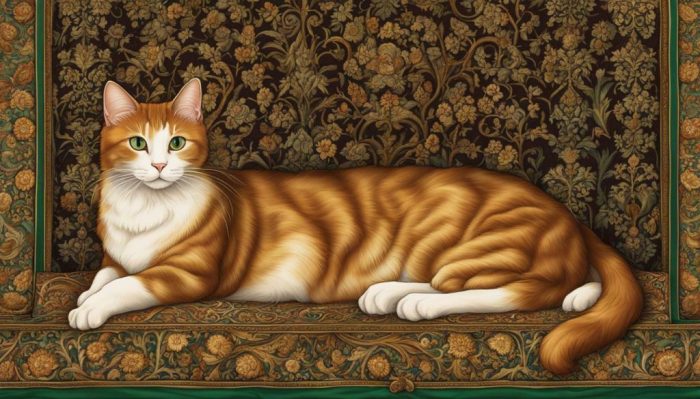
Source: catbeep.com
Finding a responsible and ethical breeder is crucial for ensuring that you acquire a healthy and well-socialized Chantilly-Tiffany kitten. A reputable breeder will prioritize the health and well-being of their cats above all else.Ask the breeder about their breeding practices, including their selection criteria, socialization methods, and health testing protocols. A good breeder will be happy to answer your questions and provide you with detailed information about their breeding program.
Inquire about the health testing they perform on their breeding cats, specifically for HCM and PKD.Visiting the cattery and meeting the parent cats is an essential step in the selection process. This allows you to assess the health and temperament of the cats firsthand. Observe the living conditions of the cats and kittens, ensuring that they are clean, spacious, and stimulating.Here’s a checklist of essential criteria for evaluating a breeder:
- Health Testing: Breeder performs HCM and PKD screening on breeding cats.
- Socialization: Kittens are raised in a loving and stimulating environment.
- Transparency: Breeder is open and honest about their breeding practices.
- Cleanliness: Cattery is clean and well-maintained.
- Knowledgeable: Breeder is knowledgeable about the breed and willing to share information.
- References: Breeder provides references from previous buyers.
Last Recap
Ultimately, the Chantilly-Tiffany cat represents a beautiful intersection of history, genetics, and companionship. Whether you’re a seasoned cat enthusiast or considering welcoming one of these stunning felines into your home, understanding their origins, needs, and potential health concerns is key to ensuring a happy and fulfilling life together. The breed’s unique tipped coat, gentle nature, and captivating history make it a truly special addition to the world of feline companions.
FAQ Insights
Are Chantilly-Tiffany cats hypoallergenic?
While no cat is truly hypoallergenic, Chantilly-Tiffanys produce less Fel d 1 protein (the primary allergen) than some breeds, potentially making them a better choice for some allergy sufferers. However, individual reactions vary.
What is the “tipped” or “shaded” coat pattern?
This pattern means the tips of the hairs are a different color than the base, creating a soft, blended appearance. It’s distinct from solid colors where the entire hair shaft is the same color.
How long do Chantilly-Tiffany cats typically live?
With proper care and regular veterinary checkups, Chantilly-Tiffanys generally live between 12 and 15 years, though some can live longer.
What kind of toys do Chantilly-Tiffanys enjoy?
They are playful and intelligent cats, so they enjoy interactive toys like feather wands, puzzle toys, and anything they can chase. A good scratching post is also essential!
Are Chantilly-Tiffanys known to be vocal?
They are generally not excessively vocal, but they do communicate with soft chirps, trills, and gentle meows. They’re known for their sweet and melodic vocalizations.
What is HCM and PKD, and why are they concerns?
HCM (Hypertrophic Cardiomyopathy) is a heart condition, and PKD (Polycystic Kidney Disease) is a kidney disease. Responsible breeders screen for these conditions to minimize the risk in their kittens.

