Dealing with a cat claw ingrown can be distressing for both you and your feline friend. It’s a surprisingly common issue, often stemming from improper trimming, genetics, or even just the way your cat uses their claws. This guide dives deep into everything you need to know – from understanding the anatomy of a cat’s claw to recognizing the signs, providing home care, and knowing when to seek veterinary help.
We’ll also explore preventative measures to keep those paws healthy and happy!

The good news is that with proper knowledge and care, you can often manage an ingrown claw effectively. We’ll break down the causes, explain the progression, and offer practical advice on grooming techniques and environmental enrichment to minimize the risk. Understanding the underlying factors is key to preventing future occurrences and ensuring your cat’s comfort and well-being.
Understanding and Addressing Ingrowing Cat Claws
Dealing with an ingrown claw in your cat can be distressing for both of you. It’s a common issue, but understanding the underlying causes and how to manage it is key to keeping your feline friend comfortable and healthy. This article will walk you through everything you need to know, from claw anatomy to prevention strategies.
1. Understanding Cat Claw Anatomy & Normal Growth
Source: cats.com
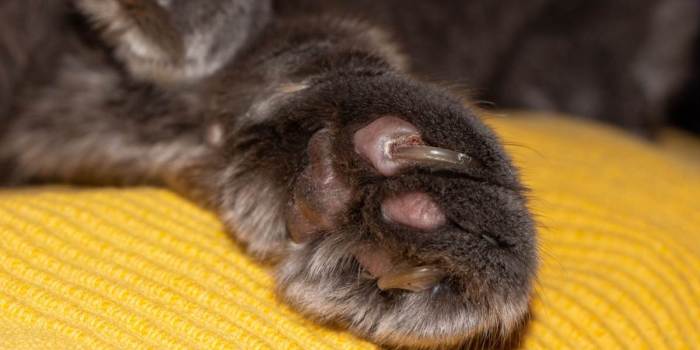
A cat’s claws aren’t like our fingernails; they’re more complex. They’re part of a living structure, and understanding how they work is the first step in preventing problems. The claw itself is encased in a protective sheath, and beneath that lies a network of sensitive tissues. Cats naturally extend and retract their claws for climbing, hunting, and marking territory.
Regular scratching helps to shed the outer layer of the claw, keeping them healthy. Interestingly, front paws generally have sharper, more curved claws than back paws, reflecting their primary use in climbing and grasping.
| Part of Claw | Description | Function | Potential Issues |
|---|---|---|---|
| Quick | The pink, fleshy part of the claw containing blood vessels and nerves. | Provides sensation and allows for claw extension/retraction. | Trauma from cutting too short results in bleeding and pain. |
| Claw Sheath | The outer, keratinized layer of the claw. | Protects the underlying claw structure and provides a sharp edge. | Can become overgrown if not regularly shed through scratching. |
| Root | The base of the claw, embedded in the toe. | Anchors the claw to the toe and allows for movement. | Ingrown claws originate from issues at the root. |
| Tip | The pointed end of the claw. | Used for gripping, scratching, and defense. | Can become damaged or fractured. |
2. Causes of Ingrowing Claws
Ingrown claws happen when the claw curves and grows into the surrounding tissue of the toe. Several factors can contribute to this uncomfortable condition. Genetics can play a role – some cats are simply predisposed to claws that grow in unusual ways. Environmental factors, like a lack of appropriate scratching surfaces, can also contribute. Improper trimming is a very common culprit.
Cutting the claw too short, especially into the quick, damages the tissue and can lead to inflammation and ingrowth. Certain breeds, like Persians and Maine Coons, are often cited as being more prone to ingrown claws, possibly due to their claw structure or dense fur that can obscure the quick.Here’s a breakdown of environmental factors that can increase the risk:
- Rough Surfaces: Walking frequently on abrasive surfaces can damage claws and encourage abnormal growth.
- Lack of Scratching Posts: Without adequate scratching, claws don’t wear down naturally, leading to overgrowth.
- Inappropriate Scratching Surfaces: Scratching on fabric or furniture instead of designated posts can damage claws unevenly.
- Confinement: Limited movement can reduce natural claw wear.
3. Recognizing the Signs & Symptoms
Spotting an ingrown claw early is crucial for preventing complications. The most obvious signs are redness and swelling around the base of the claw. Your cat might be limping or favoring one paw. Excessive licking or chewing at the affected area is another telltale sign. As the condition progresses, the area can become painful, and the cat may become withdrawn or irritable.
If left untreated, an ingrown claw can lead to a painful infection.Here’s a simplified flowchart illustrating the progression:
1. Initial Discomfort
Redness, slight swelling, occasional licking.
2. Increased Pain
Limping, more frequent licking/chewing, reluctance to put weight on the paw.
3. Inflammation & Infection
Significant swelling, pus formation, foul odor, fever (in severe cases).
4. Initial Home Care & Monitoring
If you suspect your cat has an ingrown claw, the first step is careful observation. Gently examine the paws, looking for any signs of redness, swelling, or abnormal claw growth. Keeping the affected paw clean is vital to prevent infection. Warm water soaks can help soothe the area. Limiting your cat’s activity will reduce further irritation.
However, remember that home care is only a temporary measure; veterinary attention is often necessary.
| Action | Materials Needed | Frequency |
|---|---|---|
| Cleaning | Warm water, mild antiseptic soap (chlorhexidine solution is ideal), clean cloth. | 2-3 times daily |
| Bandaging (if applicable) | Non-stick gauze pads, vet wrap, tape. | As directed by your veterinarian. |
| Observation | Your eyes and attention! | Throughout the day, looking for changes in appearance or behavior. |
5. Veterinary Intervention & Treatment Options
While initial home care can provide some relief, a veterinarian’s expertise is often required. They’ll perform a thorough examination to assess the severity of the ingrown claw and rule out any underlying infections. Diagnostic procedures might include a physical exam, and in some cases, X-rays to evaluate the claw’s position and any bone involvement. Treatment options vary depending on the severity.
Partial or complete claw removal (ectomy) is often necessary. Antibiotics may be prescribed to combat infection, and pain medication can help keep your cat comfortable.Here’s a comparison of treatment approaches:
- Partial Claw Removal: Pros: Less invasive than complete removal, allows for some claw function. Cons: May not fully resolve the issue if the underlying cause isn’t addressed.
- Complete Claw Removal: Pros: Eliminates the ingrown claw and prevents recurrence. Cons: Permanent loss of claw, potential for complications like infection or regrowth.
- Antibiotics: Pros: Treats existing infections. Cons: Doesn’t address the underlying cause of the ingrown claw.
- Pain Management: Pros: Improves comfort. Cons: Doesn’t resolve the underlying issue.
6. Preventing Ingrowing Claws
Grooming Techniques
Regular claw trimming is the cornerstone of ingrown claw prevention. The key is to avoid cutting into the quick. For cats with dark claws, it can be challenging to see the quick. A good rule of thumb is to only trim the very tip of the claw, leaving a small margin of safety. Make claw trimming a positive experience by pairing it with treats and praise.
Start slowly and gradually increase the duration of the trimming sessions.
The ideal claw length after trimming should leave approximately 2-3 millimeters of clear claw beyond the quick. You should still be able to see a faint pink hue at the base of the claw, indicating you’re close to, but not cutting into, the quick.
7. Environmental Enrichment & Claw Health
Providing ample opportunities for scratching is essential for maintaining healthy claw growth. Scratching posts aren’t just about furniture protection; they’re a vital part of a cat’s natural behavior and help to wear down claws. Different scratching surfaces offer varying degrees of abrasion.Here’s a look at different scratching post types:
- Cardboard Scratchers: Materials: Corrugated cardboard. Benefits: Affordable, cats often love the texture. Drawbacks: Can be messy, need frequent replacement.
- Sisal Rope Posts: Materials: Sisal rope wrapped around a sturdy post. Benefits: Durable, provides excellent scratching surface. Drawbacks: Can be rough on sensitive paws.
- Carpeted Posts: Materials: Carpeted post. Benefits: Familiar texture, cats often enjoy. Drawbacks: Can encourage scratching on furniture.
- Wooden Scratching Pads: Materials: Wood. Benefits: Durable, can be angled for different scratching positions. Drawbacks: May not be as appealing to all cats.
- Slanted Scratching Loungers: Materials: Sisal or carpeted surface on a slanted platform. Benefits: Combines scratching with lounging, comfortable for cats. Drawbacks: Takes up more space.
8. Complications & Potential Infections
Untreated ingrown claws can lead to serious complications. Abscesses, which are pockets of pus, are a common consequence. Chronic pain can also develop, significantly impacting your cat’s quality of life. Signs of infection include swelling, redness, discharge (often pus-like), and a foul odor. Fever may also be present in severe cases.
Common antibiotics used to treat claw infections include amoxicillin-clavulanate and cephalexin.
| Symptom | Possible Cause |
|---|---|
| Swelling | Inflammation, infection, or abscess. |
| Redness | Inflammation or infection. |
| Discharge | Infection (pus). |
| Limping | Pain from the ingrown claw or infection. |
9. Long-Term Management & Recurrence
Preventing recurrence requires a proactive approach. Adjust your grooming routine to ensure regular claw trimming, even if your cat seems comfortable. Regular paw inspections are crucial for catching any early signs of ingrown claws. Consider providing multiple scratching posts in different locations to encourage natural claw wear.Here are some preventative measures to implement:
- Consistent Claw Trimming: Trim claws every 2-3 weeks.
- Regular Paw Checks: Examine paws at least once a week.
- Environmental Enrichment: Provide a variety of scratching surfaces.
10. Special Considerations
Senior Cats & Kittens
Managing ingrown claws in senior cats can be challenging due to reduced mobility and potential arthritis. Gentle handling and shorter trimming sessions are essential. Kittens have delicate claws, so use caution when trimming and avoid cutting too short. Early intervention is key – address any signs of ingrown claws promptly to prevent them from worsening.
| Age Group | Specific Considerations | Recommended Approach |
|---|---|---|
| Kittens | Delicate claws, sensitive paws. | Introduce claw trimming early, use kitten-specific clippers, trim very conservatively. |
| Adult Cats | Established claw growth patterns. | Regular trimming, monitor for signs of ingrown claws. |
| Senior Cats | Reduced mobility, potential arthritis. | Gentle handling, shorter trimming sessions, consider professional grooming. |
Epilogue
Ultimately, addressing a cat claw ingrown requires a proactive approach. Regular paw inspections, proper trimming techniques, and a stimulating environment are your best defenses. While home care can often manage mild cases, recognizing the signs of infection and seeking veterinary attention promptly is crucial for more severe situations. By understanding the intricacies of claw health and implementing preventative measures, you can help your cat enjoy a life free from paw discomfort and potential complications.
Remember, your cat’s paws are vital for their mobility and quality of life. Taking the time to learn about claw care is an investment in their overall health and happiness – and a testament to the bond you share.
Expert Answers
Why are some cats more prone to ingrown claws than others?
Genetics play a role, with certain breeds like Persians and Maine Coons being more susceptible. Also, cats with thicker fur around their paws can sometimes have claws that are more likely to become trapped.
Can I use human nail clippers on my cat?
No! Human clippers are too large and can easily damage the quick. Always use cat-specific clippers designed for their smaller claws.
What does the quick look like in a black cat?
It’s much harder to see the quick in black cats! Trim very small amounts at a time and look closely for a small, dark circle appearing in the center of the claw as you cut. Stop trimming when you see it.
My cat hates having their paws touched. How can I make claw trimming easier?
Start slowly! Get your cat used to having their paws handled by gently touching them for short periods, rewarding with treats. Trim claws when they’re relaxed, perhaps after a meal or playtime.
What should I do if I accidentally cut the quick?
Apply styptic powder or cornstarch to stop the bleeding. Keep the paw clean and monitor for signs of infection.
Are there any natural remedies for an ingrown claw?
While warm soaks can help soften the area, there are no proven natural remedies to cure an ingrown claw. Veterinary care is essential for proper treatment.
How often should I trim my cat’s claws?
Generally, every 2-3 weeks is a good guideline, but it depends on your cat’s activity level and claw growth rate. Regularly check their paws to assess their needs.

