For years, cats were considered strictly indoor creatures, but more and more owners are discovering the joys of supervised outdoor exploration. A key piece of equipment for this newfound freedom? The cat harness! From early, somewhat clumsy attempts to modern, escape-proof designs, harnesses have evolved to offer a safer and more enriching experience for our feline friends. This guide dives deep into everything you need to know about cat harnesses, covering types, fitting, training, and safety – so you and your kitty can confidently enjoy the great outdoors.
We’ll explore the different harness styles available, from vests to figure-eights, and discuss the materials that contribute to comfort and durability. Beyond just choosing a harness, we’ll walk you through the crucial steps of proper sizing, fitting, and introducing your cat to wearing one, ensuring a positive and stress-free experience. Finally, we’ll cover essential safety practices and troubleshooting tips to make your outdoor adventures with your cat both enjoyable and secure.
Introduction to Cat Harnesses
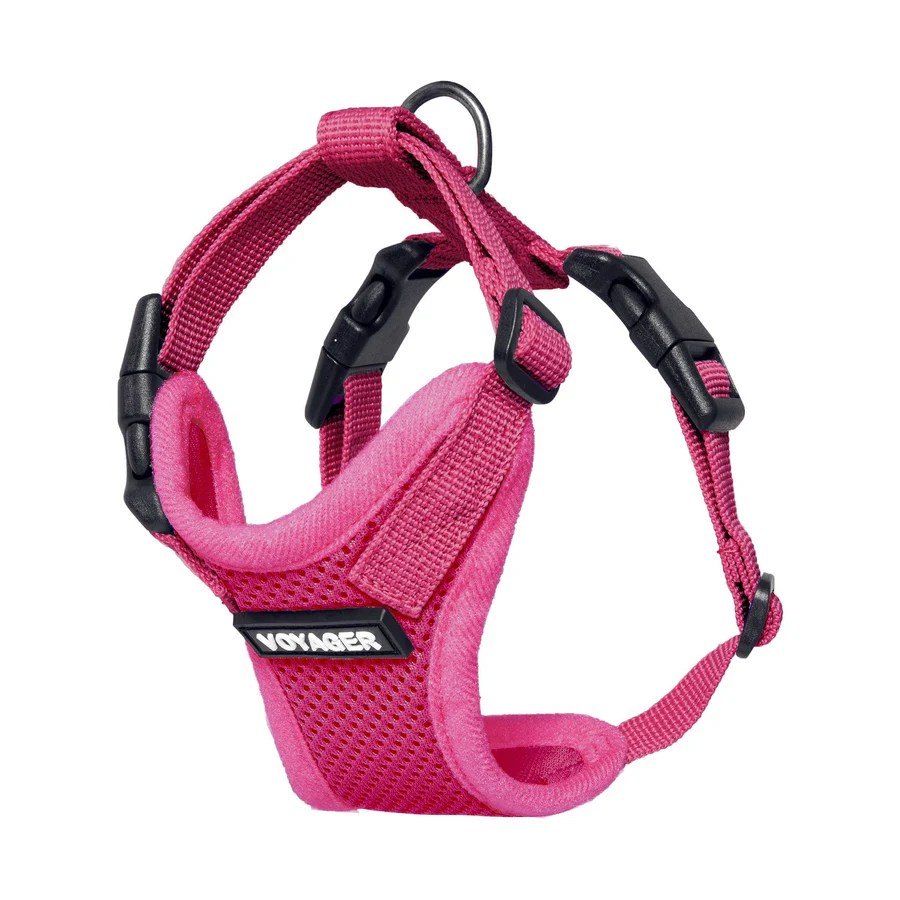
Source: voyagerharness.com
For years, cats were considered strictly indoor animals. But times are changing! More and more cat owners are recognizing the benefits of supervised outdoor time, and a cat harness is often the key to making that happen safely. This article will guide you through everything you need to know about cat harnesses, from their history to choosing the right one for your feline friend.
We’ll cover types, fitting, training, and safety, so you can confidently explore the world with your cat.The use of harnesses for cats isn’t a recent phenomenon. Early experimentation with restraint devices for cats dates back to the mid-20th century, initially driven by a desire to prevent escapes and protect cats from traffic. These early harnesses were often bulky and uncomfortable, resembling more of a vest than a sleek, modern design.
Over time, advancements in materials and design have led to the comfortable and secure harnesses we see today. The shift towards recognizing cats as individuals with enrichment needs has also fueled the popularity of harnesses, allowing owners to provide safe outdoor experiences.Owners choose to use harnesses for a variety of reasons. Primarily, it’s about safety – preventing escapes and protecting cats from dangers like cars, predators, and toxic substances.
Harnesses also provide opportunities for exercise, allowing cats to stretch their legs and engage in natural behaviors like exploring and hunting. Finally, many cats simply enjoy the stimulation of being outdoors, and a harness allows them to experience that safely.There’s a surprising variety of cat harnesses available. You’ll find vest harnesses, traditional H-style harnesses, figure-eight harnesses, and even bungee harnesses designed for more controlled exploration.
Each type has its own advantages and disadvantages, which we’ll explore in detail shortly.
Types of Cat Harnesses: A Detailed Comparison
Choosing the right harness can feel overwhelming. Each style offers a different level of security and comfort, and understanding the differences is crucial. Let’s break down the most common types: vest harnesses, traditional (H-style) harnesses, and figure-eight harnesses.
| Type | Pros | Cons | Best For |
|---|---|---|---|
| Vest Harness | Evenly distributes pressure, comfortable for many cats, good for cats who pull, often has a leash attachment on the back and chest. | Can be bulky, may restrict movement slightly, can be more expensive. | Cats who pull on the leash, cats who need extra security, cats who are sensitive to pressure on their neck. |
| Traditional (H-Style) Harness | Easy to put on and take off, lightweight, relatively inexpensive. | Can put pressure on the neck if not fitted correctly, cats can sometimes slip out, less secure for strong pullers. | Cats who are calm and don’t pull, cats who are new to harnesses. |
| Figure-Eight Harness | Simple design, lightweight, often made from soft materials. | Least secure of the three types, cats can easily slip out if not fitted perfectly, not suitable for strong pullers. | Very calm cats, cats who are extremely sensitive to being confined, short supervised outings. |
The materials used in a cat harness significantly impact its comfort and durability. Nylon is a common choice due to its strength and affordability. However, it can sometimes cause chafing. Neoprene, often used in vest harnesses, offers cushioning and breathability, making it a comfortable option, especially in warmer weather. Mesh harnesses are lightweight and breathable, ideal for hot climates, but may not be as durable as nylon or neoprene.
Consider your cat’s sensitivity and the climate you live in when choosing a material.Escape-proof harness designs focus on minimizing opportunities for cats to wriggle free. These often incorporate multiple adjustment points, a snug fit, and secure closures like quick-release buckles. Some harnesses feature a figure-eight design with a second loop around the cat’s chest, making it much harder to slip out.
The key is to find a harness that fits snugly but comfortably, preventing any gaps where a determined cat could escape.
Decision-Making Flowchart: Harness Type SelectionImagine a flowchart starting with the question: “Is your cat a strong puller?”* Yes: Proceed to “Does your cat tolerate wearing clothing?”
Yes
Recommend a Vest Harness.
No
Consider a modified H-style harness with extra security features or consult a veterinarian/behaviorist.
No
Proceed to “Is your cat easily stressed or anxious?”
Yes
Recommend a Figure-Eight Harness (with careful fitting and supervision) or a very lightweight H-style harness.
No
Consider an H-style or Vest Harness based on personal preference and desired level of security.
Sizing and Fitting a Cat Harness
Getting the right size and fit is absolutely critical for a cat harness to be both safe and comfortable. A harness that’s too loose can allow your cat to slip out, while one that’s too tight can cause discomfort and restrict movement.To accurately measure your cat, you’ll need a soft measuring tape. Start by measuring the circumference of their chest, just behind their front legs.
Then, measure the circumference of their neck, where the collar would sit. Finally, measure the length from the base of their neck to the widest part of their chest. Refer to the manufacturer’s sizing chart, as sizes can vary between brands. It’s always better to err on the side of slightly larger, as you can always adjust a harness to be snugger.Common fitting mistakes include not adjusting the straps properly, leaving too much slack, and neglecting to check for rubbing or chafing.
Avoid overtightening the harness, as this can restrict breathing and movement. Ensure that you can comfortably slip two fingers between the harness and your cat’s body.Adjusting a harness for a secure and comfortable fit involves tightening the chest strap until it’s snug but not restrictive. The neck loop should be loose enough to allow for comfortable breathing and head movement, but not so loose that the cat can slip out.
Regularly check the fit, especially as your cat’s weight fluctuates.
Visual Guide: Harness PlacementImagine a diagram illustrating the correct harness placement. The chest strap should sit snugly behind the front legs, and the neck loop should rest comfortably around the cat’s neck, without digging in. Arrows indicate adjustment points on the chest strap and neck loop, showing how to tighten or loosen them for a perfect fit.
The diagram also highlights the importance of ensuring the harness doesn’t interfere with the cat’s shoulder blades.
Introducing Your Cat to a Harness
Introducing a cat to a harness requires patience and a gradual approach. Rushing the process can create negative associations and make your cat resistant to wearing it.Start by simply letting your cat sniff and investigate the harness. Leave it out in a place where they frequent, allowing them to become familiar with its scent and appearance. Next, briefly place the harness on your cat for a few seconds, rewarding them with treats and praise.
Gradually increase the duration they wear the harness, always monitoring for signs of stress.Desensitizing your cat to the feel of the harness involves gently touching them with the harness, then gradually moving it closer to their body. Pair this with positive reinforcement, such as petting and treats. Avoid forcing the harness on your cat, as this will only create negative associations.Here’s a timeline for the introduction process:* Days 1-3: Familiarization – Let the cat sniff and explore the harness.
Days 4-7
Brief Wear – Place the harness on for 1-2 minutes, rewarding with treats and praise.
Days 8-14
Gradual Increase – Gradually increase the wearing time to 5-10 minutes, multiple times a day.
Days 15-21
Short Walks – Begin with short, supervised walks in a safe, enclosed area.
Safe Outdoor Practices with a Harness and Leash
A properly sized leash is just as important as a properly fitted harness. A lightweight leash, typically 4-6 feet long, is ideal for cats. Avoid retractable leashes, as they can be difficult to control and pose a safety risk.Safe walking routes should be free from hazards like busy roads, aggressive dogs, and poisonous plants. Be mindful of wildlife, as cats may be tempted to chase birds or other animals.
Always scan your surroundings and be prepared to react quickly.If your cat becomes frightened or stressed while outdoors, remain calm and reassuring. Gently guide them back to a safe area. Avoid pulling on the leash, as this can exacerbate their anxiety. Consider ending the walk early if your cat is clearly distressed.Here’s a checklist of essential items to bring on walks with your cat:* Treats: For positive reinforcement and distraction.
Waste Bags
For responsible cleanup.
Identification Tags
With your contact information.
A Small Towel
For wiping muddy paws.
A Familiar Toy
To provide comfort and engagement.
Harness Safety and Potential Risks
While harnesses significantly improve cat safety outdoors, potential risks still exist. Chafing can occur if the harness is too tight or made from a rough material. Entanglement is another concern, particularly with long leashes or harnesses with dangling straps.Monitor your cat closely for signs of discomfort or injury while wearing a harness. These signs may include excessive scratching, licking, or biting at the harness, redness or irritation on the skin, or reluctance to move.Regular harness inspections are crucial for identifying wear and tear.
Check for loose stitching, frayed edges, and damaged buckles. Replace the harness if you notice any significant damage.To prolong the lifespan of your cat harness, clean it regularly according to the manufacturer’s instructions. Most harnesses can be hand-washed with mild soap and water. Allow the harness to air dry completely before storing it.
Harnesses for Specific Needs
Certain harnesses are designed to cater to specific needs. For cats with mobility issues or recovering from surgery, harnesses with supportive padding and extra stability can provide assistance and prevent further injury. Senior cats may benefit from lightweight, easy-to-wear harnesses that minimize strain on their joints. Kittens require smaller harnesses with adjustable straps to accommodate their growth.Harnesses used for transporting cats to the veterinarian or groomer should be secure and comfortable, minimizing stress during travel.
Look for harnesses with a handle for easy carrying.
| Cat Size | Weight Limit (Approximate) | Recommended Harness Types |
|---|---|---|
| Small (e.g., Singapura, Munchkin) | Up to 5 lbs | Figure-Eight, Lightweight H-Style |
| Medium (e.g., American Shorthair, British Shorthair) | 5-12 lbs | H-Style, Vest Harness |
| Large (e.g., Maine Coon, Norwegian Forest Cat) | 12+ lbs | Vest Harness, Sturdy H-Style |
Advanced Harness Training Techniques
Once your cat is comfortable wearing a harness, you can begin training them to walk politely on a leash. Start by rewarding them for simply walking alongside you, gradually increasing the distance. Use positive reinforcement to encourage desired behaviors, such as walking without pulling.A harness can also be used to redirect unwanted behaviors, such as chasing birds. When your cat shows interest in a bird, gently guide them away and reward them for focusing on you.Creating a stimulating outdoor environment for a harnessed cat involves providing opportunities for exploration and play.
Allow them to sniff and investigate interesting scents, and provide toys or treats to keep them engaged.Here’s a series of exercises to improve leash manners:* “Follow Me”: Walk a short distance and reward your cat for following.
“Sit”
Encourage your cat to sit while on the leash, rewarding them for compliance.
“Look at Me”
Practice getting your cat’s attention while on the leash, rewarding them for eye contact.
“Loose Leash Walking”
Reward your cat for walking without pulling on the leash.
Choosing the Right Harness Brand and Features
Several reputable cat harness brands offer high-quality products. PetSafe is known for its escape-proof designs, while Rabbitgoo offers a wide range of stylish and comfortable options. Voyager Step-in Harnesses are popular for their ease of use. Each brand has its strengths and weaknesses in terms of durability, comfort, and price.Desirable features to look for in a cat harness include reflective strips for increased visibility, quick-release buckles for easy on and off, and padded handles for added comfort and control.
Consider the climate you live in and choose a harness made from breathable materials.Reading customer reviews before purchasing a harness is essential. Pay attention to feedback regarding fit, durability, and escape-proof capabilities.
When selecting a cat harness brand, prioritize safety and comfort above all else. Look for brands with a proven track record of quality and positive customer reviews. A well-fitting, secure harness is an investment in your cat’s well-being and your peace of mind.
Troubleshooting Common Harness Problems
If your cat refuses to wear a harness, revisit the introduction process and ensure you’re using positive reinforcement. Try different harness styles to see if one is more appealing to your cat.If a harness is too loose, tighten the straps until it fits snugly. If it’s too tight, loosen the straps and consider exchanging it for a larger size.To prevent a cat from slipping out of a harness, ensure it’s properly fitted and adjusted.
Double-check the buckles and straps before each outing.Minor damage to a cat harness, such as a loose stitch, can often be repaired with a needle and thread. However, replace the harness if the damage is significant or compromises its safety.
Closing Notes
Ultimately, a cat harness isn’t just about letting your cat roam free; it’s about providing a controlled and safe environment for them to experience the sights, sounds, and smells of the outdoors. By understanding the different harness types, mastering the fitting process, and implementing safe outdoor practices, you can unlock a whole new world of enrichment for your feline companion.
With careful planning and a little patience, you and your cat can create lasting memories on your outdoor adventures, strengthening your bond and expanding your cat’s horizons.
Essential FAQs
How much should I expect to spend on a cat harness?
Prices vary widely, from $15 for basic nylon harnesses to $50+ for premium, escape-proof vests. Consider your cat’s personality and outdoor needs when budgeting.
Can I use a dog harness for my cat?
While some smaller dog harnesses
-might* fit, they’re generally not designed for a cat’s anatomy. Cat harnesses are specifically shaped to allow for comfortable movement and prevent escapes.
My cat hates wearing the harness! What can I do?
Patience is key! Start with very short sessions, rewarding your cat with treats and praise. Gradually increase the duration as they become more comfortable. Never force them.
How often should I wash my cat’s harness?
Wash it every few weeks, or more often if it gets dirty. Check the manufacturer’s instructions for specific cleaning recommendations.
Are reflective strips really necessary?
Yes! Reflective strips significantly increase visibility during low-light conditions, making walks safer for your cat.
What’s the difference between an H-style and a figure-eight harness?
H-style harnesses have two straps forming an “H” shape, while figure-eight harnesses create a figure-eight shape around the cat’s body. Figure-eights are often considered more secure for escape artists.

