Understanding Your Cats Hind Leg Anatomy, Issues & Care

Ever noticed how gracefully your cat moves? It’s all thanks to their incredibly complex hind leg structure, a marvel of feline engineering. From powerful jumps to silent stalking, their hind legs are essential for everything they do. This guide dives deep into the anatomy, potential problems, and supportive care needed to keep your cat’s hind legs healthy and strong, ensuring they can continue to enjoy their playful spirit.
We’ll explore everything from the bones and muscles that power their movement to common injuries like fractures and hip dysplasia. Plus, we’ll cover diagnostic procedures, treatment options, and even how to adapt your home to make life easier for a cat with mobility challenges. It’s a lot to take in, but understanding these aspects can significantly improve your cat’s quality of life.
The Wonderful World of the Feline Hind Leg
Our feline friends are renowned for their agility, grace, and incredible jumping abilities. A huge part of that comes down to their hind legs – complex, powerful structures that allow them to navigate the world with such ease. This article dives deep into the anatomy, common issues, and care considerations for your cat’s hind legs, giving you a better understanding of how they work and what to look out for.
We’ll explore everything from the bones and muscles that power their movements to the potential injuries and conditions that can affect their mobility. Whether you’re a seasoned cat owner or just curious about feline anatomy, this guide will provide valuable insights into keeping your cat’s hind legs healthy and strong.
1. Anatomy of the Feline Hind Leg
The hind leg of a cat is a marvel of engineering, designed for both power and precision. Let’s break down the key components, from the skeleton to the muscles and supporting structures.
Skeletal Structure
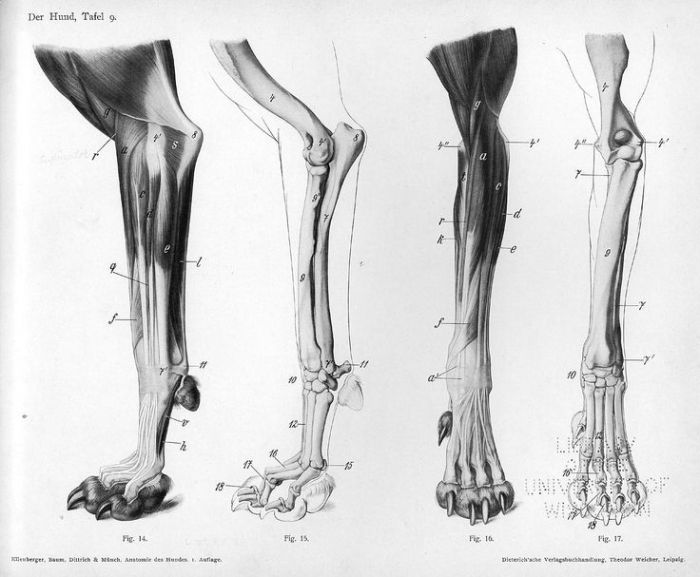
The feline hind leg consists of several bones working together to facilitate movement. The femur (thigh bone) is the longest and strongest, connecting to the pelvis. The tibia and fibula (lower leg bones) run parallel to each other, and the tarsals, metatarsals, and phalanges (ankle, foot, and toe bones) form the foot. Each bone plays a crucial role in weight-bearing and locomotion.
Major Muscle Groups
Powerful muscles drive the movement of the hind leg. The gluteal muscles (gluteus maximus, medius, and minimus) are responsible for hip extension and stabilization. The quadriceps femoris group extends the stifle (knee) joint, while the hamstring muscles (biceps femoris, semitendinosus, and semimembranosus) flex the stifle. Calf muscles (gastrocnemius and soleus) provide power for propulsion. Smaller muscles contribute to fine motor control and stability.
Ligaments and Tendons
Ligaments connect bone to bone, providing stability to the joints. Key ligaments in the hind leg include the cruciate ligaments within the stifle joint, which prevent excessive forward movement. Tendons connect muscle to bone, transmitting the force generated by the muscles. The Achilles tendon, connecting the calf muscles to the heel bone, is a prime example.
| Bone Name | Function | Location | Key Features |
|---|---|---|---|
| Femur | Thigh bone; supports weight and enables powerful movements | Upper hind leg, connecting pelvis to tibia | Longest bone in the cat’s body; articulates with the pelvis and tibia |
| Tibia | Main weight-bearing bone of the lower hind leg | Lower hind leg, connecting femur to tarsus | Larger of the two lower leg bones; articulates with the femur and tarsus |
| Fibula | Provides stability and attachment for muscles | Lower hind leg, running parallel to the tibia | Smaller of the two lower leg bones |
| Tarsals | Form the ankle joint | Between tibia/fibula and metatarsals | Several small bones that provide stability and flexibility |
2. Common Injuries & Conditions
Unfortunately, the feline hind leg is susceptible to various injuries and conditions. Understanding these potential problems is crucial for early detection and appropriate treatment.
Causes of Hind Leg Lameness
Hind leg lameness in cats can stem from a variety of causes, including trauma (falls, car accidents), overuse injuries, infections, arthritis, and congenital conditions. Sudden onset lameness often indicates an acute injury like a fracture, while gradual lameness may suggest arthritis or a chronic condition.
Fractured Femur
A fractured femur is a serious injury, often resulting from high-impact trauma. Symptoms include severe pain, inability to bear weight on the affected leg, swelling, and a shortened limb. The cat may exhibit a characteristic “splinting” posture, where they stiffen the leg to minimize pain. Immediate veterinary attention is essential.
Luxating Patellas
A luxating patella occurs when the kneecap (patella) dislocates from its normal position. This is more common in certain breeds (see section 9). Causes can include congenital abnormalities, trauma, or obesity. Symptoms include intermittent lameness, a skipping gait, and the kneecap popping out of place. Treatment ranges from weight management and pain relief to surgical correction.
Hip Dysplasia
Hip dysplasia is a developmental condition where the hip joint doesn’t form properly. This can lead to pain, arthritis, and reduced mobility. Signs include a stiff gait, reluctance to jump or climb stairs, and muscle atrophy around the hip. Diagnosis often involves radiographs, and treatment may include pain management, weight control, and surgery.
Diagnostic Flowchart for Hind Leg Pain
- Initial Assessment: Observe the cat’s posture, gait, and overall behavior.
- Physical Exam: Palpate the hind leg for pain, swelling, or instability. Assess range of motion.
- Radiographs (X-rays): To rule out fractures, dislocations, and arthritis.
- Further Diagnostics (if needed): CT scan or MRI for more detailed imaging of soft tissues. Nerve conduction velocity testing to assess nerve function.
- Diagnosis & Treatment Plan: Based on the findings, develop a tailored treatment plan.
3. Neurological Issues Affecting Hind Legs
The nervous system plays a vital role in controlling hind leg function. Damage to the nerves or spinal cord can result in weakness, paralysis, or abnormal reflexes.
Nerve Damage
Nerve damage, often caused by trauma or compression, can manifest as weakness or paralysis in the hind legs. The cat may exhibit a dragging gait, difficulty standing, or an inability to move the leg at all. Neurological examination, including reflexes and sensory testing, is crucial for diagnosis.
Intervertebral Disc Disease (IVDD)
IVDD is a common condition in cats, particularly those with long backs. It occurs when the intervertebral discs (cushions between the vertebrae) degenerate or rupture, compressing the spinal cord. Symptoms include back pain, weakness or paralysis in the hind legs, and loss of bladder or bowel control. Prompt diagnosis and treatment are essential to prevent permanent neurological damage.
Spinal Cord Injuries
Spinal cord injuries can result from trauma, tumors, or infections. The severity of the symptoms depends on the location and extent of the injury. Signs may include weakness, paralysis, loss of sensation, and abnormal reflexes in the hind legs.
IVDD vs. Fractured Pelvis
Differentiating between IVDD and a fractured pelvis can be challenging. IVDD typically presents with gradual onset of weakness and pain, while a fractured pelvis often results in sudden, severe pain and instability. Radiographs are essential for distinguishing between these conditions. IVDD may also involve neurological deficits beyond just hind limb weakness, such as loss of tail function.
4. Mobility Aids & Supportive Care
When a cat experiences hind leg weakness or paralysis, providing supportive care and mobility aids can significantly improve their quality of life.
Rear Leg Brace
A rear leg brace can provide support and stability to a weakened leg, helping the cat maintain balance and improve their gait. Proper fitting is crucial to ensure comfort and effectiveness. The brace should be snug but not restrictive, allowing for a full range of motion without slipping.
Cat Wheelchair
A cat wheelchair can provide mobility for cats with paralysis or severe weakness. It allows them to move around independently, exercise, and maintain muscle strength. While beneficial, wheelchairs require careful introduction and adaptation. Some cats may resist using them initially.
Environmental Adaptations
Modifying the cat’s environment can make it easier for them to navigate. This includes providing ramps to access favorite spots, using low-sided litter boxes, and ensuring soft, comfortable bedding.
Recommended Exercises
- Passive Range of Motion (PROM): Gently flex and extend the joints to maintain flexibility.
- Weight Shifting: Encourage the cat to shift their weight from one hind leg to the other.
- Short Walks (with assistance): If the cat has some strength, assist them with short walks on a leash.
- Controlled Jumping: Allow the cat to jump onto low surfaces to maintain muscle strength (under supervision).
5. Diagnostic Procedures
Accurate diagnosis is essential for effective treatment of hind leg problems. A variety of diagnostic procedures may be employed.
Physical Examination
A thorough physical examination involves palpating the hind leg for pain, swelling, and instability. Assessing range of motion, reflexes, and neurological function is also crucial.
Radiographs (X-rays)
Radiographs are the primary imaging tool for diagnosing fractures, dislocations, and arthritis. They provide a two-dimensional view of the bones.
CT Scan or MRI
CT scans and MRIs provide more detailed images of soft tissues, such as ligaments, tendons, and the spinal cord. They are particularly useful for diagnosing IVDD and other neurological conditions.
Nerve Conduction Velocity Testing
Nerve conduction velocity testing measures the speed at which electrical signals travel along the nerves. This can help identify nerve damage or compression.
6. Surgical Interventions
Surgery may be necessary to repair certain hind leg injuries or correct congenital conditions.
Femur Fracture Repair
Surgical options for repairing a fractured femur include bone plating, intramedullary pinning, and external fixation. The choice of technique depends on the location and severity of the fracture.
Luxating Patella Stabilization
Surgical stabilization of a luxating patella involves realigning the patella and strengthening the surrounding ligaments. Several surgical techniques are available, depending on the severity of the luxation.
Hip Dysplasia Treatment
Surgical treatments for hip dysplasia include femoral head and neck excision (FHNE), double or triple pelvic osteotomy (DPO/TPO), and total hip replacement (THR). The choice of procedure depends on the cat’s age, severity of the dysplasia, and overall health.
| Procedure Name | Description | Recovery Time (estimated) |
|---|---|---|
| Femur Plating | Stabilizing a fractured femur with a metal plate and screws. | 8-12 weeks |
| Patella Stabilization Surgery | Realignment of the kneecap and strengthening of ligaments. | 6-8 weeks |
| Total Hip Replacement | Replacing the hip joint with an artificial implant. | 12-16 weeks |
7. Rehabilitation & Physical Therapy
Rehabilitation and physical therapy play a crucial role in restoring function and improving mobility after hind leg injuries.
Principles of Feline Rehabilitation
Feline rehabilitation focuses on restoring range of motion, strengthening muscles, improving balance, and reducing pain. A gradual and progressive approach is essential.
Passive Range of Motion Exercises
Gently flexing and extending the joints to maintain flexibility and prevent stiffness. This should be done slowly and carefully, avoiding any pain or resistance.
Hydrotherapy
Hydrotherapy (water therapy) utilizes the buoyancy of water to reduce stress on the joints and facilitate movement. It can help improve muscle strength, range of motion, and pain relief.
Assisting with Grooming
When mobility is limited, assisting your cat with grooming is essential. Gently support their hindquarters while they are being brushed or bathed. Use a soft brush and avoid pulling on their limbs. Provide a non-slip surface to prevent falls.
8. Home Management & Pain Relief
Source: pinimg.com
Effective home management and pain relief can significantly improve a cat’s comfort and quality of life with hind leg issues.
Weight Management
Maintaining a healthy weight reduces stress on the hind legs and joints, minimizing pain and slowing the progression of arthritis.
Pain Relief Options
Safe and effective pain relief options for cats include non-steroidal anti-inflammatory drugs (NSAIDs) prescribed by a veterinarian, and other pain medications. Never administer human pain medications to cats, as they can be toxic.
Comfortable Bedding
Providing soft, comfortable bedding and resting areas can alleviate pressure on the joints and reduce pain.
Environmental Modifications
- Ramps to access favorite spots
- Low-sided litter boxes
- Non-slip flooring
- Elevated food and water bowls
9. Breed Predispositions
Certain cat breeds are predisposed to hind leg problems like hip dysplasia and patellar luxation.
Commonly Affected Breeds
Breeds such as Maine Coons, Persians, Scottish Folds, and American Shorthairs are more likely to develop hip dysplasia or patellar luxation.
Genetic Factors
These conditions often have a genetic component, meaning they can be passed down from parents to offspring. Responsible breeders screen their cats for these conditions to minimize the risk of transmission.
| Breed | Common Hind Leg Issues |
|---|---|
| Maine Coon | Hip Dysplasia, Patellar Luxation |
| Scottish Fold | Hip Dysplasia |
10. Visualizing Hind Leg Function
Understanding the biomechanics of the feline hind leg provides valuable insight into its remarkable capabilities.
Biomechanics of Locomotion
During walking, the hind legs extend and flex in a coordinated manner, propelling the cat forward. Running involves a greater range of motion and increased muscle activation. Jumping requires a powerful extension of the hind legs to generate lift.
Muscle Coordination
The gluteal muscles extend the hip, while the quadriceps extend the stifle. The hamstrings flex the stifle, and the calf muscles provide propulsion. These muscles work together in a precise sequence to produce coordinated movement.
Tail for Balance
The cat’s tail plays a crucial role in balance during locomotion. It acts as a counterweight, helping to stabilize the body and maintain equilibrium, especially during quick turns and jumps.
Visual Representation
Imagine a cat mid-stride. The left hind leg is extended behind, pushing off the ground. The right hind leg is bent, with the quadriceps muscles contracting to extend the stifle and propel the cat forward. The gluteal muscles are engaged to stabilize the hip. Simultaneously, the tail is slightly curved to the right, counteracting the body’s momentum and maintaining balance.
The muscles of the lower leg work in concert to provide power and control. The tendons are taut, transmitting the force from the muscles to the bones, creating a fluid and efficient movement.
Ultimate Conclusion
Navigating hind leg issues in cats can feel overwhelming, but knowledge is power. By understanding the intricacies of their anatomy, recognizing potential problems early, and proactively providing supportive care, you can make a real difference in your cat’s well-being. Whether it’s adapting their environment, exploring mobility aids, or simply ensuring comfortable resting spots, every effort counts in helping them maintain their independence and joy of movement.
Here’s to happy, healthy, and agile feline friends!
FAQ Resource
My cat is limping, but doesn’t seem to be in pain. Should I be worried?
Even subtle limping warrants a vet visit. It could be a minor strain, but it could also be an early sign of a more serious issue like arthritis or a developing fracture. Early detection is key.
What’s the difference between IVDD and a fractured pelvis?
IVDD (Intervertebral Disc Disease) affects the spinal cord, often causing weakness or paralysis in the hind legs, and can be accompanied by pain. A fractured pelvis usually results in more immediate, severe pain and difficulty bearing weight. A vet can differentiate through physical exam and imaging.
Are there any signs I can look for that indicate hip dysplasia?
Signs include a stiff gait, reluctance to jump or climb stairs, bunny hopping when walking, and visible muscle loss in the hind legs. It often develops gradually.
How can I help my cat use the litter box if they have hind leg weakness?
Lower the sides of the litter box, provide multiple boxes in easily accessible locations, and consider using a litter with a softer texture.
What kind of exercises are safe for a cat with hind leg weakness?
Gentle range-of-motion exercises (with vet guidance), short, controlled walks on a harness, and encouraging play with lightweight toys can help maintain muscle strength.
Can a cat wheelchair really help?
Yes! Wheelchairs can provide significant support and mobility for cats with severe hind leg weakness or paralysis, allowing them to regain some independence and enjoy outdoor time.
