Let’s face it, keeping your feline friend happy and your home smelling fresh is a constant quest. For years, clay litter has been the standard, but silica gel cat litter has emerged as a compelling alternative. This guide explores everything you need to know about this innovative litter – from its unique science to its environmental impact and how to best use it to keep your kitty content.
We’ll unpack the details, so you can make an informed decision for your cat and your home.
Silica gel litter isn’t just a trendy product; it’s a result of clever material science. Derived from sand, silica gel boasts incredible absorption capabilities and odor-trapping properties that traditional litters often struggle to match. We’ll delve into the differences, the various types available, and the pros and cons of each, helping you navigate the world of silica gel litter with confidence.
Silica Gel Cat Litter: A Comprehensive Guide
Choosing the right litter for your feline friend is a big deal. It impacts their comfort, your cleaning routine, and even the environment. For years, clay litter was the standard, but silica gel litter has steadily gained popularity. This guide dives deep into everything you need to know about silica gel cat litter – from its science to its sustainability – to help you make an informed decision for your cat and your home.
1. Introduction to Silica Gel Cat Litter
Silica gel isn’t a gel at all; it’s a granular or crystalline form of silicon dioxide, a compound found abundantly in sand and quartz. It’s created through a chemical process that results in a highly porous material. Its origins lie in dehumidification technology – silica gel was initially developed to absorb moisture in packaging to protect goods during shipping. The pet care industry recognized its absorbent properties and began exploring its potential as a cat litter alternative.The fundamental difference between silica gel litter and traditional clay or wood-based litters lies in their absorption mechanism.
Clay litter clumps when wet, while wood litter absorbs. Silica gel, however,absorbs* liquid waste, trapping it within its porous structure. This results in a drier litter box and a different cleaning experience. Early adoption was slow, with concerns about cost and cat acceptance. However, improvements in manufacturing and increased awareness of its benefits have led to wider acceptance and a broader range of products.Here’s a comparison of the environmental impact:
| Material | Environmental Impact |
|---|---|
| Silica Gel | Mining of silica sand can have localized environmental impacts. Manufacturing is energy-intensive. Disposal can be problematic as it doesn’t readily biodegrade. However, some brands offer recycling programs. |
| Clay | Strip mining of clay deposits causes significant habitat destruction and soil erosion. Transportation of heavy clay litter contributes to carbon emissions. Landfill waste is a major concern. |
2. Absorption and Odor Control Properties
Silica gel’s remarkable absorption ability stems from its incredibly porous structure. Each granule or crystal contains millions of tiny pores, creating a vast surface area. When liquid waste comes into contact with silica gel, the moisture is drawn into these pores through capillary action and adsorption. This process effectively dries out the litter, inhibiting bacterial growth.Beyond absorption, silica gel excels at odor control.
It doesn’t just mask odors; it actively traps and neutralizes them. Ammonia, a primary culprit in litter box smells, is chemically bonded within the silica gel structure, preventing it from being released into the air.Different types of silica gel litter exhibit varying absorption capacities. Crystal litter generally has a higher absorption rate than granular litter due to its larger surface area.
Granular litter, however, might be preferred by cats who dislike the feel of crystals on their paws.Imagine a magnified view of a silica gel crystal. It resembles a miniature sponge, riddled with countless microscopic holes. These holes are not empty; they’re lined with silicon dioxide molecules. When a liquid droplet approaches, the molecules on the surface of the crystal create a strong attraction, pulling the liquid into the pores.
Once inside, the liquid is held firmly in place, preventing it from spreading or evaporating. This visual representation highlights the incredible efficiency of silica gel’s absorption mechanism.
3. Types of Silica Gel Cat Litter
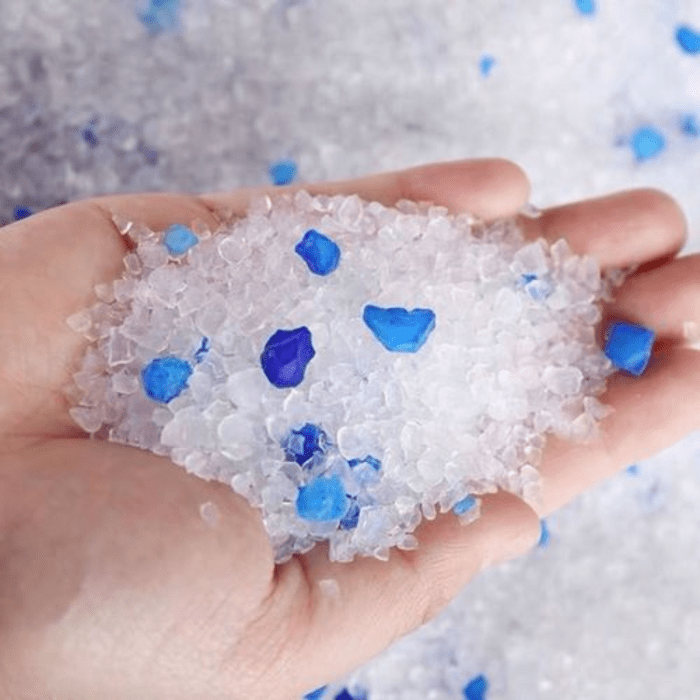
Silica gel litter comes in three primary forms: crystals, granules, and pellets. Each form offers a unique set of advantages and disadvantages.Crystals are the most common type, known for their high absorption and odor control. However, some cats dislike the texture, and tracking can be an issue. Granules are larger and less likely to track, but they may not absorb as efficiently as crystals.
Pellets are the largest form, offering minimal tracking and dust, but they can be less appealing to cats due to their size and lack of absorbency compared to crystals.Many silica gel litters incorporate additional ingredients to enhance odor control. Activated carbon is a popular additive, known for its ability to absorb a wide range of odors. Baking soda is another common ingredient, which helps neutralize acidic odors.
These additives can significantly improve the overall freshness of the litter box.Here’s a summary of different brands:
| Brand | Form | Price Range (per month, based on average usage) |
|---|---|---|
| Fresh Step Crystals | Crystals | $25 – $35 |
| Arm & Hammer Clump & Seal | Crystals | $20 – $30 |
| Purina Tidy Cats Quick Clumping | Crystals | $22 – $32 |
| Petmate Booda Clean Step | Granules | $18 – $28 |
4. Usage and Maintenance
Introducing silica gel litter to your cat requires a gradual transition. Start by mixing a small amount of silica gel litter with your cat’s existing litter, gradually increasing the ratio over a week or two. This allows your cat to adjust to the new texture and scent.Scooping a silica gel litter box is different from scooping clay litter. Instead of removing clumps, you simply remove solid waste and stir the litter to redistribute the absorbent material.
The litter doesn’t clump, so you’re essentially refreshing the surface.Complete litter box replacement typically occurs every 2-4 weeks, depending on the number of cats and their usage. Used silica gel litter should be disposed of in the trash, as it doesn’t readily biodegrade.Here’s a list of common mistakes to avoid:
- Not transitioning gradually: Abruptly switching to silica gel can stress your cat.
- Not stirring the litter: Stirring helps redistribute the absorbent material and prevent compaction.
- Replacing the entire litter box too frequently: Silica gel lasts longer than clay, so avoid unnecessary replacements.
- Ignoring your cat’s preferences: If your cat consistently avoids the litter box, try a different form or brand of silica gel.
5. Health and Safety Considerations
While silica gel is generally considered safe, ingestion can cause mild gastrointestinal upset in cats. It’s not toxic, but large quantities can lead to vomiting or diarrhea. Kittens and senior cats are more vulnerable, so extra precautions are necessary.Dust exposure is a potential concern for both cats and humans. Choose a low-dust formula and consider wearing a mask when cleaning the litter box.
Proper storage is crucial to prevent accidental ingestion by pets or children. Store the litter in a sealed container out of reach.
6. Cost and Value
The upfront cost of silica gel litter is typically higher than clay or wood-based litters. However, its longer lifespan can lead to significant long-term cost savings. A single box of silica gel litter can last for weeks, while clay litter needs to be replaced much more frequently.The overall value of silica gel litter is influenced by several factors, including its absorption rate, odor control, and dust levels.
A litter that absorbs quickly and controls odors effectively will require less frequent replacements, ultimately saving you money.Here’s a cost comparison:
| Litter Type | Estimated Monthly Cost |
|---|---|
| Clay | $15 – $25 |
| Wood | $18 – $30 |
| Silica Gel | $20 – $40 |
7. Environmental Impact and Sustainability
The sourcing of silica gel primarily involves mining silica sand, which can have localized environmental impacts, including habitat disruption. The manufacturing process is energy-intensive, contributing to carbon emissions. Disposal poses a challenge, as silica gel doesn’t readily biodegrade. However, some companies are exploring recycling programs to mitigate this issue.Disposal options for used silica gel litter are limited. It’s generally recommended to dispose of it in the trash.
Some pet owners compost it, but this is not universally recommended due to the potential for odor and the lack of biodegradability.Compared to clay litter, silica gel has a potentially lower environmental impact due to its longer lifespan and reduced waste generation. However, the energy-intensive manufacturing process and lack of biodegradability remain concerns.Several initiatives are emerging to promote sustainable silica gel litter production.
These include using recycled silica gel, reducing energy consumption during manufacturing, and developing biodegradable alternatives.
8. Alternatives and Emerging Technologies
Several alternative absorbent materials are used in cat litter, including wheat, corn, and paper. These materials are often biodegradable, but they may not offer the same level of odor control or absorption as silica gel.Biodegradable silica gel litter is an emerging technology. Researchers are exploring ways to modify silica gel to make it more environmentally friendly. While currently limited in availability, it holds promise for the future.Emerging technologies in cat litter include self-cleaning litter boxes and litters infused with probiotics to promote a healthier litter box environment.
The future of cat litter technology lies in a convergence of eco-friendliness and cat comfort. We’ll see increased adoption of biodegradable materials, innovative odor control solutions, and smart litter boxes that minimize waste and maximize hygiene, all while prioritizing the well-being of our feline companions.
9. Cat Preferences and Behavior
A cat’s individual preferences can significantly influence their acceptance of silica gel litter. Some cats may dislike the texture or the lack of clumping. Others may be perfectly happy with it.Factors contributing to a cat’s litter box habits include litter box size, location, cleanliness, and the type of litter used. Silica gel might affect these habits by providing a drier, more absorbent environment.Troubleshooting litter box aversion when transitioning to silica gel involves gradual introduction, ensuring the litter box is clean, and offering alternative litter options if necessary.Here are signs that a cat is comfortable and happy with their silica gel litter box:
- Regular and consistent use of the litter box.
- No signs of stress or avoidance when approaching the litter box.
- Proper burying of waste.
10. Addressing Common Concerns
Tracking issues with silica gel litter can occur, particularly with crystal litter. Using a litter mat can help capture stray granules. Choosing a larger granule size can also reduce tracking.Dust production can be minimized by selecting a low-dust formula and cleaning the litter box in a well-ventilated area.Concerns about the texture of silica gel litter can be addressed by trying a different form, such as granules or pellets.
Some cats prefer the feel of larger particles on their paws.Here’s a summary of common concerns and solutions:
| Concern | Solution |
|---|---|
| Tracking | Use a litter mat, choose larger granules. |
| Dust | Select a low-dust formula, clean in a well-ventilated area. |
| Texture | Try granules or pellets instead of crystals. |
Summary
Source: globalsources.com
Ultimately, choosing the right cat litter is a personal decision, influenced by your cat’s preferences, your budget, and your environmental concerns. Silica gel litter offers a compelling combination of performance, convenience, and potential cost savings over time. While it might require a slight adjustment period for your cat, the benefits of superior odor control, reduced tracking, and longer-lasting litter can make it a worthwhile investment.
By understanding the nuances of silica gel litter, you can create a cleaner, fresher, and happier environment for both you and your beloved cat.
As technology continues to evolve, expect even more sustainable and cat-friendly options to emerge in the world of cat litter. Staying informed and observing your cat’s behavior will be key to finding the perfect solution for your unique needs.
User Queries
Is silica gel litter safe if my cat eats it?
While silica gel is generally considered non-toxic, ingestion isn’t recommended. Small amounts are unlikely to cause serious harm, but large quantities can lead to digestive upset. Monitor your cat and consult a vet if you suspect they’ve ingested a significant amount.
Why does silica gel litter sometimes feel dusty?
Some brands can produce a fine dust, especially when poured. Look for “low-dust” or “dust-free” varieties and pour the litter slowly to minimize airborne particles. A litter box with a lid can also help contain dust.
How long does a bag of silica gel litter typically last?
A bag can last significantly longer than clay litter, often 2-4 times longer, depending on the number of cats and the size of the bag. The longer lifespan is due to its superior absorption and odor control.
Can I flush silica gel litter down the toilet?
No! Silica gel litter is not biodegradable and can cause serious plumbing problems. Always dispose of it in the trash according to local regulations.
My cat doesn’t like the texture of silica gel litter. What can I do?
Gradually mix the silica gel litter with their existing litter, slowly increasing the ratio over a week or two. You can also try different forms (crystals vs. granules) to see if your cat prefers one over the other.
Does silica gel litter track less than clay litter?
Generally, yes. Silica gel litter particles are larger and heavier than clay, making them less likely to stick to your cat’s paws and track around the house. However, some brands track more than others.
How do I know when it’s time to replace the entire litter box?
Complete replacement is typically needed every 2-4 weeks, depending on the number of cats and the litter’s absorption capacity. Look for a significant decrease in odor control or a noticeable buildup of waste as indicators.

