The “cat with cheetah print” aesthetic – a seemingly unusual blend of feline grace and cheetah’s bold spots – has quietly been weaving its way into fashion, interior design, and even pet accessories. It’s more than just a quirky pattern; it’s a visual conversation about power, elegance, and a touch of playful rebellion. This trend explores the fascinating intersection of two iconic animal motifs, resulting in a unique and surprisingly versatile style.
From its historical roots in early textile designs to its modern interpretations in high fashion and home decor, the cat with cheetah print aesthetic has undergone a fascinating evolution. We’ll delve into the origins of this trend, examine its visual components, and explore how it’s being applied across various creative fields, considering both its appeal and potential cultural nuances.
The Curious Case of the Cat with Cheetah Print: A Deep Dive
It’s a peculiar combination, isn’t it? The sleek elegance of a feline form overlaid with the bold spots of a cheetah. This aesthetic – the “cat with cheetah print” – has been quietly gaining traction in fashion, design, and even pet culture. It’s more than just a quirky pattern; it represents a fascinating intersection of symbolism, design principles, and evolving trends.
This article will explore the origins, visual elements, applications, and potential future of this unique aesthetic.
The appeal lies in the unexpected juxtaposition. Cats and cheetahs, while both felines, evoke different feelings. Cats are often associated with domesticity, mystery, and independence, while cheetahs represent speed, power, and the wild. Combining these elements creates a visual tension that’s both intriguing and aesthetically pleasing. Let’s unpack this further.
Origins and History of the “Cat with Cheetah Print” Trend
Tracing the exact origin of the “cat with cheetah print” aesthetic is tricky, as it’s evolved organically rather than being a sudden invention. Early documented instances are scattered, but we can identify precursors and influences. The concept isn’t entirely new; it’s a refinement of existing animal print trends.
- Early Precursors (19th Century): Victorian-era textiles sometimes featured stylized animal motifs, often blending different species. Think of fabrics with stylized lion heads adorned with leopard-like spots, or cat silhouettes incorporating zebra stripes. These weren’t explicitly “cat with cheetah print,” but they demonstrated an early interest in combining animal characteristics.
- The Rise of Animal Prints (Early 20th Century): The popularity of leopard and cheetah prints in fashion exploded in the 1920s and 30s, largely thanks to Coco Chanel and other designers who embraced exotic motifs. This established the foundation for incorporating animal patterns into mainstream style.
- The 1980s and 90s: The 80s saw a surge in bold, animal-inspired prints, including variations that started to blend feline and cheetah elements. While not always a direct “cat with cheetah print,” the experimentation with layering and combining animal patterns paved the way.
- The Modern Era (2010s – Present): The trend has solidified in recent years, fueled by social media and a growing appreciation for unique and personalized aesthetics. Digital design tools have made it easier to create and share these patterns, leading to increased visibility and adoption.
Cultural influences are diverse. The fascination with exotic animals, particularly big cats, has always been present in human culture. The association of cheetahs with luxury and speed, and cats with grace and independence, contribute to the appeal. Furthermore, the rise of streetwear and a desire for individuality have encouraged experimentation with unconventional patterns and combinations.
Timeline of Evolution:
- 1800s: Stylized animal motifs in Victorian textiles.
- 1920s-30s: Leopard and cheetah prints gain popularity in fashion.
- 1980s-90s: Experimentation with layered animal prints.
- 2010s: Emergence of the distinct “cat with cheetah print” aesthetic, driven by digital design and social media.
- Present: Continued evolution with variations in color palettes, cat breeds, and design interpretations.
Visual Characteristics and Design Elements
At its core, the “cat with cheetah print” aesthetic combines the recognizable features of a feline (typically a domestic cat, though variations exist) with the distinctive spotted pattern of a cheetah. It’s a visual hybrid, blending the familiar with the unexpected.
- Feline Features: These can range from a full cat silhouette to stylized ears, eyes, or whiskers incorporated into the pattern.
- Cheetah Spots: The classic black or dark brown spots on a tan or golden background are essential. However, the arrangement and size of the spots can vary significantly.
- Variations: Different cat breeds (Siamese, Persian, Maine Coon) can be incorporated, altering the overall feel. Spot arrangements can be more chaotic or more structured. Color palettes can range from realistic (tan, black, gold) to highly stylized (pink, blue, neon).
The “Perfect” Example: Imagine a stylized Maine Coon cat silhouette rendered in a warm golden hue. Instead of the typical Maine Coon markings, it’s overlaid with evenly spaced, dark charcoal cheetah spots. The eyes are large and expressive, with a hint of emerald green. The proportions are balanced, with a slightly elongated body and a fluffy tail. The overall impact is one of playful elegance and understated luxury.
Mood Board Description:
- Bohemian Rhapsody: A muted palette of dusty rose, olive green, and cream, featuring a Persian cat with softly blurred cheetah spots, evoking a sense of vintage wanderlust.
- Cyberpunk Kitty: A neon-lit scene with a Siamese cat silhouette rendered in electric blue and black, the cheetah spots appearing as glitching pixels, conveying a futuristic and edgy vibe.
- Art Deco Feline: A geometric pattern featuring a stylized cat head with sharp angles and bold lines, overlaid with stylized cheetah spots in gold and black, reminiscent of 1920s glamour.
- Whimsical Forest: A playful design with a tabby cat playfully interacting with cheetah spots that resemble fallen leaves, set against a backdrop of lush green foliage, creating a sense of enchantment.
Fashion Applications: Clothing and Accessories
The “cat with cheetah print” aesthetic has found its way into various fashion applications, offering a unique twist on traditional animal prints. It’s not about literal representation; it’s about capturing the essence of both animals in a stylish and unexpected way.
- Clothing: Dresses, tops, pants, and skirts are all fair game. The pattern can be used as an all-over print or as an accent detail.
- Accessories: Scarves, bags, shoes, and even belts can incorporate the aesthetic. A small detail, like cheetah-spotted cat ears on a headband, can be a fun and playful touch.
- Fabrics: Silk, velvet, and satin lend themselves well to the aesthetic, creating a luxurious feel. Cotton and linen can offer a more casual and breathable option.
| Item of Clothing | Color Palette | Fabric Type | Style |
|---|---|---|---|
| Flowing Maxi Dress | Cream, Chocolate Brown, Gold | Silk | Bohemian |
| Oversized Sweater | Gray, Black, Charcoal | Knit | Casual |
| Tailored Blazer | Navy, Beige, Dark Brown | Wool Blend | Formal |
| Skinny Jeans | Black, White, Gray | Denim | Streetwear |
| Statement Scarf | Emerald Green, Gold, Black | Silk | Elegant |
| Mini Skirt | Pink, Black, White | Cotton | Playful |
| Belt | Brown, Gold | Leather | Versatile |
Interior Design and Home Decor
Beyond fashion, the “cat with cheetah print” aesthetic can add a touch of personality and intrigue to interior spaces. It’s about balancing boldness with sophistication.
- Applications: Wallpapers, upholstery, rugs, and artwork are all potential canvases.
- Color Schemes: Neutral backgrounds (cream, gray, beige) work well, allowing the pattern to pop. Accent colors like gold, emerald green, or deep blue can add depth and richness.
- Furniture: A velvet armchair with a subtle “cat with cheetah print” upholstery, or a coffee table with a patterned veneer, can be striking focal points.
Design Style Adaptations:
- Art Deco: Incorporate the pattern in geometric shapes and metallic accents.
- Maximalist: Layer the pattern with other bold prints and textures.
- Modern: Use the pattern sparingly as an accent against a minimalist backdrop.
- Bohemian: Pair the pattern with natural materials like wood and rattan.
- Coastal: Use a muted version of the pattern in shades of blue and sand.
- Hollywood Regency: Combine the pattern with luxurious fabrics like velvet and silk, and opulent details like gold trim.
- Industrial: Juxtapose the pattern with raw materials like concrete and metal for an unexpected contrast.
Pet-Related Applications: Apparel and Accessories
The aesthetic has inevitably extended to pet accessories, though with some ethical considerations to keep in mind.
- Apparel & Accessories: Pet clothing, collars, and toys often feature the pattern.
- Ethical Considerations: It’s important to prioritize the pet’s comfort and well-being. Avoid clothing that restricts movement or causes distress.
- Tasteful Incorporation: Subtle accents, like a cheetah-spotted collar or a cat-shaped toy with a cheetah print, are preferable to full-body costumes.
| Pet Type | Accessory Type | Material |
|---|---|---|
| Cat | Collar | Leather |
| Dog | Toy | Fabric |
| Cat | Scratching Post | Sisal |
| Dog | Bandana | Cotton |
| Cat | Bed | Fleece |
| Dog | Leash | Nylon |
| Cat | Feather Wand Toy | Wood, Feathers |
Artistic Interpretations and Creative Expressions
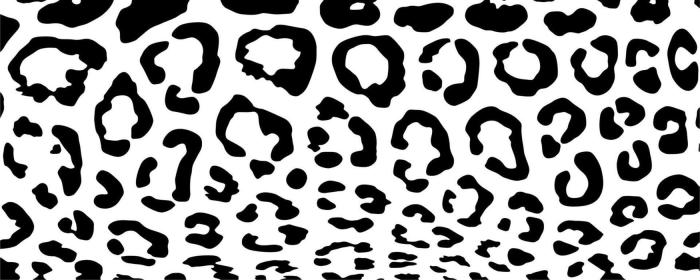
Source: vecteezy.com
Artists have explored the “cat with cheetah print” concept in various mediums, moving beyond literal representations to explore symbolism and abstract forms.
- Paintings & Sculptures: Artists might depict stylized cat-cheetah hybrids or create abstract compositions inspired by the pattern.
- Symbolism: The combination can represent duality (domesticity vs. wildness), transformation, or the blending of different aspects of the feline world.
- Abstract Interpretations: Focusing on the shapes, colors, and textures of the pattern, artists can create non-representational works that evoke the essence of the aesthetic.
“Seraphina Moreau, a reclusive digital artist, is renowned for her ‘Feline Echoes’ series. Her style blends glitch art with organic forms, creating ethereal portraits of cat-cheetah hybrids rendered in shifting neon hues. Moreau draws inspiration from ancient Egyptian mythology and the fleeting nature of digital existence, her most notable work, ‘The Shadowed Prowl,’ a mesmerizing animation of a feline silhouette dissolving into a cascade of cheetah spots, has captivated the online art community.”
Cultural Significance and Symbolism
Cats and cheetahs individually carry rich symbolic meanings across cultures. Combining these symbols creates a layered and nuanced interpretation.
- Cats: Often associated with independence, mystery, intuition, and femininity. In some cultures, they are revered as sacred animals.
- Cheetahs: Represent speed, power, grace, and agility. They are often seen as symbols of the wild and untamed.
- Combined Meaning: The combination can symbolize a balance between independence and power, or a merging of the domestic and the wild.
- Cultural Sensitivities: In some cultures, certain animal patterns may be considered taboo or have specific cultural significance. It’s important to be mindful of these sensitivities.
Variations and Related Aesthetics
The “cat with cheetah print” aesthetic isn’t entirely unique. Several related patterns share elements, but with distinct characteristics.
| Aesthetic | Key Features | Common Applications |
|---|---|---|
| Cat with Cheetah Print | Combination of feline features and cheetah spots. | Fashion, interior design, pet accessories. |
| Leopard Print | Classic leopard spots on a tan or golden background. | Fashion, accessories, home decor. |
| Tiger Print | Tiger stripes on an orange or brown background. | Fashion, accessories, home decor. |
Materials and Production Techniques
Creating the “cat with cheetah print” pattern involves a range of materials and techniques.
- Materials: Fabric (cotton, silk, velvet), vinyl, paper, and even metal can be used.
- Printing Techniques: Screen printing, digital printing, and heat transfer are common methods. Embossing can create a textured effect.
- Environmental Impact: Consider the sustainability of the materials used and the environmental impact of the printing process. Opt for eco-friendly inks and recycled fabrics whenever possible.
Production Flowchart:
- Design Creation: Digital design software is used to create the pattern.
- Fabric Selection: Choose a suitable fabric based on desired texture and application.
- Printing: The pattern is printed onto the fabric using a chosen technique (e.g., digital printing).
- Finishing: The fabric is treated to enhance its durability and colorfastness.
- Quality Control: The finished fabric is inspected for defects.
- Product Manufacturing: The fabric is cut and sewn into the desired product (e.g., clothing, accessories).
Future Trends and Potential Developments
The “cat with cheetah print” aesthetic is likely to evolve alongside broader fashion and design trends.
- Future Evolution: Expect to see more experimental color palettes, incorporating unexpected hues like pastels or metallics.
- New Applications: The pattern could be adapted for 3D printing, creating unique textures and sculptural forms.
- Innovative Materials: Sustainable and biodegradable materials could be used to create eco-friendly versions of the pattern.
- Target Audiences: The aesthetic could be adapted for different demographics, with variations in style and complexity.
End of Discussion
Ultimately, the cat with cheetah print aesthetic represents a captivating fusion of contrasting elements. It’s a testament to our enduring fascination with the animal kingdom and our ability to reimagine natural patterns in unexpected and stylish ways. Whether it’s a subtle accent in a room’s decor or a bold statement piece of clothing, this trend continues to evolve, promising exciting new interpretations and applications in the years to come.
So, embrace the wild side! The cat with cheetah print isn’t just a pattern; it’s a mood, a statement, and a celebration of the unexpected.
FAQ Resource
Why is “cat with cheetah print” trending now?
While elements have existed for a while, the current surge is likely due to a broader interest in animal prints, maximalism in design, and a desire for unique, expressive styles that stand out from more minimalist trends.
Is it culturally appropriate to wear or use this pattern?
Generally, yes, but it’s always wise to be mindful of cultural sensitivities. In some cultures, animal prints might have specific symbolic meanings, so research is recommended if you’re unsure.
What fabrics work best with this pattern?
Luxurious fabrics like velvet and silk elevate the aesthetic, while cotton and linen offer a more casual feel. The key is to consider the overall style you’re aiming for.
Are there ethical concerns about using this pattern on pet accessories?
Yes, it’s important to prioritize your pet’s comfort and well-being. Avoid anything restrictive or potentially harmful, and choose accessories made from safe, non-toxic materials.
Can I incorporate this aesthetic into a minimalist home?
Absolutely! Use it sparingly as an accent – a single throw pillow or a piece of artwork – against a neutral backdrop to add a touch of personality without overwhelming the space.
What’s the difference between “cat with cheetah print” and leopard print?
While both involve spots, “cat with cheetah print” often incorporates feline features (like ears or whiskers) into the design, whereas leopard print is purely based on the leopard’s pattern.

