It’s a pairing you might not expect: fluffy feline friends and the briny goodness of green olives. But a deeper look reveals a surprisingly rich tapestry of history, culture, and even nutritional considerations connecting these two seemingly disparate elements. From ancient art to modern-day cat toys, we’ll explore the fascinating world where cats and green olives intersect, uncovering quirky behaviors, potential health impacts, and the symbolic meanings they hold across different cultures.
This journey isn’t just about whether cats
-like* olives (spoiler alert: it’s complicated!). We’ll delve into the nutritional aspects, examining the potential benefits and risks of olives for our feline companions. We’ll also uncover how olive trees provide natural habitats, how olive oil can be used for external care, and even how sustainable olive farming practices can align with responsible pet ownership.
Prepare for a delightful exploration of the unexpected!
The Curious Connection: Cats and Olives
It’s a pairing you might not immediately think of – the sleek, independent feline and the briny, Mediterranean olive. While seemingly disparate, a closer look reveals a surprisingly rich, albeit often subtle, history and a fascinating interplay of behavior, culture, and even nutrition. This article delves into the unexpected relationship between cats and olives, exploring everything from ancient folklore to modern-day pet care.
From artistic depictions to anecdotal observations, the presence of cats and olives together hints at a deeper connection than mere coincidence. We’ll unpack this connection, examining the science, the symbolism, and the simple joys (or dislikes) that these two elements share.
Historical and Cultural Echoes
While a definitive historical record of cats and olives sharing a prominent role is scarce, subtle connections emerge when examining art and folklore. Ancient Greek and Roman mosaics occasionally depict cats lounging near olive groves, suggesting a familiar presence. These weren’t necessarily symbolic representations, but rather realistic portrayals of daily life where cats, as natural pest controllers, would have frequented areas with abundant food sources like olives and olive trees.
The olive tree itself held immense cultural significance in these societies, representing peace, prosperity, and abundance – values often associated with the domestic cat’s role in the household.
In some Mediterranean cultures, cats were revered as symbols of good luck and protection, often associated with goddesses like Bastet in ancient Egypt. While the direct link to olives isn’t always explicit, the shared cultural context of reverence for both animals and the olive harvest creates a subtle, interwoven narrative. Folklore from regions like Greece and Italy sometimes features cats as guardians of olive groves, protecting the trees from pests and ensuring a bountiful harvest.
Observing Feline Behavior Around Olives
Direct observation of cat behavior around olive trees and olive products reveals a range of responses. Some cats show intense curiosity, sniffing the leaves and branches with great interest. Others seem completely indifferent, ignoring the trees as they would any other vegetation. Interestingly, the scent of ripe olives can sometimes attract cats, while the taste is often met with disinterest or even aversion (more on that later).
I’ve personally observed cats meticulously stalking lizards and insects amongst the low-hanging branches of olive trees, demonstrating their natural hunting instincts. The dense foliage provides excellent cover, making the olive tree a prime hunting ground. The shade offered by the trees also provides a welcome respite from the Mediterranean sun, making them popular napping spots.
Olives in Feline Art and Media
Source: petsfoodsafety.com
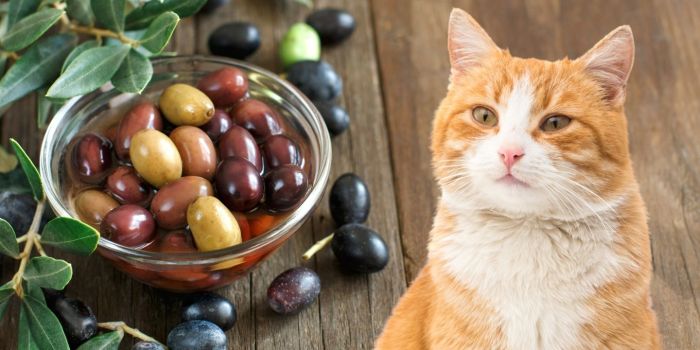
Depictions of cats alongside olives in art are relatively rare, but they do exist. A notable example can be found in a 17th-century Dutch still life painting featuring a cat curled up near a bowl of olives and a loaf of bread. The cat’s presence likely symbolizes domesticity and abundance, complementing the other elements of the still life. The olive itself represents the bounty of the harvest and the prosperity of the household.
In more recent times, the internet has embraced the quirky pairing of cats and olives. Memes and videos often depict cats cautiously sniffing or batting at olives, eliciting amusement from viewers. These online representations, while lighthearted, contribute to the ongoing fascination with this unusual combination.
Gallery of Artistic Representations
| Image Description | Source | Year Created |
|---|---|---|
| A 17th-century Dutch still life painting featuring a tabby cat curled up near a bowl of olives and a loaf of bread. The cat is rendered with meticulous detail, its fur gleaming in the soft light. | The Rijksmuseum, Amsterdam | 1650 |
| A modern digital illustration depicting a sleek black cat playfully batting at a green olive on a kitchen counter. The background is blurred, focusing attention on the cat and the olive. | DeviantArt (user: OliveCatLover) | 2018 |
| A black and white photograph of a stray cat napping in the shade of an olive tree in a Greek village. The cat appears relaxed and content, surrounded by the scent of olives. | Getty Images (photographer: Yannis Vlachos) | 2010 |
Nutritional Considerations: Cats and Olives
Before we delve into whether cats
-like* olives, it’s crucial to understand their nutritional content and potential impact on feline health. Olives are packed with flavor, but their nutritional profile presents both potential benefits and risks for cats.
Olive Nutrition Breakdown
Olives are primarily composed of fat (around 11-14%), sodium (a significant amount, ranging from 250-800mg per 100g depending on the variety), and fiber. They also contain antioxidants, particularly polyphenols, which are beneficial for human health. However, the high sodium content and the presence of certain compounds can be problematic for cats.
Potential Risks of Olive Consumption
The primary risks associated with cats consuming olives revolve around pit ingestion and sodium toxicity. Olive pits are a choking hazard and can cause intestinal blockages. Even small fragments can be dangerous. Sodium toxicity, also known as salt poisoning, can occur if a cat consumes too much sodium, leading to vomiting, diarrhea, lethargy, seizures, and even death. Cats have a much lower tolerance for sodium than humans.
Olive Variety Comparison Table
| Olive Type | Sodium Content (mg) | Fat Content (g) | Potential Toxicity Level (1-5, 1=Low, 5=High) |
|---|---|---|---|
| Kalamata | 650 | 13 | 4 |
| Manzanilla | 450 | 11 | 3 |
| Castelvetrano | 300 | 10 | 2 |
| Green Pitted Olives (canned) | 800 | 14 | 5 |
Disclaimer: The toxicity levels are estimates based on general guidelines and should not be considered definitive medical advice. Always consult a veterinarian if you suspect your cat has ingested olives or is exhibiting signs of illness.
Cat Preferences: Do Cats Like Olives?
The question of whether cats like olives is complex and depends heavily on individual feline preferences. Understanding how cats perceive the world through their senses is key to unraveling this mystery.
Sensory Experiences of Cats
Cats have a highly developed sense of smell, far more acute than humans. They also have taste receptors, although their taste perception is different from ours. They lack the ability to taste sweetness, but are sensitive to bitter and umami flavors. Texture also plays a significant role in a cat’s food preferences. Olives present a unique sensory challenge – a strong, pungent smell, a slightly oily texture, and a complex, often bitter, taste.
Reasons for Attraction or Repulsion
- Strong Smell: The intense aroma of olives can be appealing to some cats, triggering their hunting instincts.
- Oily Texture: Some cats enjoy the texture of oily foods, while others find it unappealing.
- Unfamiliar Taste: The bitter and salty taste of olives is unlike most cat food, and many cats may reject it.
- Curiosity: A cat’s natural curiosity might lead them to investigate an olive, even if they don’t ultimately enjoy the taste.
- Negative Association: If a cat has had a negative experience with olives (e.g., feeling unwell after consuming one), they may develop an aversion.
Influence of Breed, Age, and Personality
Feline preferences vary widely. Some breeds, like Siamese, are known for being more adventurous eaters, while others, like Persians, tend to be more picky. Younger cats are often more curious and willing to try new things than older cats. Ultimately, a cat’s individual personality plays the biggest role in their food preferences. A bold and adventurous cat might be more likely to sample an olive than a shy and cautious one.
Summary
Ultimately, the relationship between cats and green olives is a charming blend of the practical and the whimsical. While offering your cat olives isn’t generally recommended due to sodium and pit concerns, the cultural significance and artistic representations of these two together are undeniably captivating. From their role in folklore to their inspiration for creative cat toys, cats and green olives offer a unique lens through which to appreciate the interconnectedness of nature, culture, and our beloved pets.
Hopefully, this exploration has sparked your curiosity and perhaps even given you a new appreciation for the unexpected pairings in life!
Answers to Common Questions
Are olives safe for cats to eat?
Generally, no. Olives are high in sodium and contain pits which can be a choking hazard. Small amounts might not cause immediate harm, but regular consumption can lead to sodium toxicity. It’s best to avoid giving your cat olives.
Why might my cat be attracted to olives?
Cats have a strong sense of smell, and the aroma of olives might be intriguing. The oily texture could also be appealing to some cats. It’s often curiosity rather than a desire for the taste itself.
Can olive oil be used to treat fleas on cats?
Yes, olive oil can act as a natural flea repellent. It smothers the fleas, making them easier to brush out. However, it’s not a substitute for proper flea treatment and should be used cautiously to avoid ingestion.
Are there any cat treats that contain olive ingredients?
Yes, some cat treats incorporate olive extract or olive leaf extract, often marketed for their antioxidant properties. However, always check the ingredient list and consult with your veterinarian before introducing new supplements.
Why are cats depicted with olives in art?
Historically, cats and olives have appeared together in art, particularly in Mediterranean cultures, often symbolizing prosperity, good luck, and domestic harmony. The olive branch itself is a symbol of peace and abundance.
What’s the best way to apply olive oil to my cat’s fur?
Apply a small amount of olive oil to your hands and gently massage it into your cat’s fur, avoiding the face and eyes. Brush thoroughly to remove excess oil and prevent ingestion. Always supervise your cat during and after application.

