It’s a thought that’s probably crossed your mind when you’ve seen a particularly striking domestic cat – do they really look like leopards? The resemblance isn’t just in the spots, though those are certainly a key factor. From their sleek builds and agile movements to subtle facial expressions, there’s a surprising number of parallels between our feline companions and their wild, spotted cousins.
We’ll dive deep into the physical, behavioral, and even genetic reasons behind this captivating similarity, exploring everything from coat patterns to hunting instincts.
This exploration isn’t just about aesthetics; it’s about understanding the underlying biology and evolution that connects these two incredible creatures. We’ll look at specific breeds that have taken the “mini leopard” look to the extreme, and examine how lighting and photography can further enhance the illusion. Plus, we’ll touch on the cultural significance of cats and how their perceived traits often mirror those of larger predators.
The Striking Resemblance: Why Domestic Cats Look Like Miniature Leopards
It’s a common observation – a domestic cat, especially when basking in sunlight, can bear an uncanny resemblance to a leopard. Beyond the obvious spotted patterns, there’s a surprising number of similarities in build, behavior, and even facial expressions. This isn’t just a trick of the light; it’s a fascinating intersection of genetics, evolution, and feline grace. This article delves into the reasons behind this captivating comparison, exploring the physical, behavioral, and genetic factors that contribute to the “mini leopard” look in our beloved house cats.
The connection isn’t about direct ancestry (domestic cats didn’t evolve
-from* leopards), but rather a convergence of traits shaped by similar ecological niches and evolutionary pressures. Both cats, whether wild or domesticated, are apex predators, and that shared role has influenced their physical characteristics and hunting strategies. Let’s explore these similarities in detail.
Physical Resemblances: Spotted Patterns
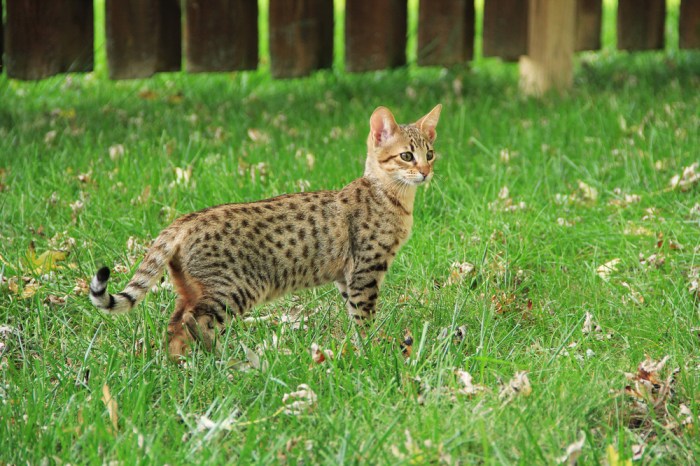
The most immediately noticeable similarity is, of course, the spotted pattern. Both domestic cats and leopards exhibit spots, but the details differ. Leopard spots are typically larger, more irregularly shaped, and often grouped into rosettes – clusters of spots forming a rose-like pattern. Domestic cat spots, while varying in size and shape, tend to be smaller and more uniformly distributed.
The size of the spots in domestic cats can range from tiny speckles to larger, more defined markings, depending on the breed and genetics.
Certain breeds showcase this leopard-like spotting particularly well. The Bengal cat is perhaps the most famous example, bred to resemble the Asian Leopard Cat. Other breeds exhibiting strong spotting include the Ocicat, Savannah (a hybrid breed), and the Egyptian Mau. These breeds have been selectively bred to enhance the spotted pattern, bringing them closer to the appearance of their wild counterparts.
| Breed | Spot Size | Spot Shape | Spot Distribution |
|---|---|---|---|
| Bengal | Medium to Large | Round to Oval | Evenly distributed across the body |
| Ocicat | Medium | Round | Dense and evenly distributed |
| Savannah | Large, Irregular | Variable, often blotched | Concentrated on the flanks and back |
| Egyptian Mau | Small to Medium | Round to Oval | Dense and evenly distributed, with a distinctive “bullseye” pattern on the flanks |
| Abyssinian | Small, Ticked | Not distinct spots, but a “ticked” pattern resembling faint spots | Scattered across the body |
Genetically, spotted patterns are controlled by a complex interplay of genes. The Agouti gene, for example, plays a crucial role in determining whether a cat’s fur will be solid-colored or patterned. Mutations in this gene can lead to the development of spotted patterns. The melanocortin 1 receptor (MC1R) gene also influences coat color and pattern, affecting the production of melanin, the pigment responsible for dark coloration.
Leopards and domestic cats share similar genetic pathways, although the specific alleles (versions of genes) may differ, resulting in variations in spot size, shape, and distribution.
Body Structure and Build
While the spotted pattern is visually striking, the similarities extend to body structure. Both domestic cats and leopards possess a lithe, muscular build designed for agility and power. Leopards, being larger, naturally have a more robust frame, but the underlying skeletal and muscular structure is remarkably similar. Both species have long, flexible spines, powerful hind legs for leaping, and relatively short forelimbs for stability.
The musculature is dense and well-developed, allowing for bursts of speed and incredible climbing ability.
Certain domestic cat breeds exhibit a more robust and muscular build, further enhancing the leopard-like resemblance. The Savannah, due to its Serval ancestry, is known for its long legs and lean, muscular physique. Bengals also possess a muscular build, reflecting their wild heritage. Even breeds like the Maine Coon, while larger and fluffier, have a surprisingly strong and athletic build.
Beyond physical structure, a cat’s posture and movement can mimic a leopard’s. A cat stalking a toy, with its body low to the ground, tail twitching, and eyes focused intently, evokes the image of a leopard hunting prey. The way a cat crouches before pouncing, the fluid grace of its movements, and the powerful spring of its leaps all share similarities with leopard behavior.
Feline behaviors like scent marking, kneading, and even grooming rituals can be interpreted as echoes of their wild ancestors.
The skeletal differences are subtle but significant. Leopards possess a slightly longer spine relative to their body length, contributing to their greater flexibility and agility. Their shoulder blades are also more loosely attached, allowing for a wider range of motion in their forelimbs, crucial for climbing and maneuvering through dense vegetation. Domestic cats, while still possessing remarkable agility, have a slightly more rigid skeletal structure, reflecting their adaptation to a more domestic environment.
Facial Features and Expressions
Even the facial features of a domestic cat can evoke a leopard-like appearance. The shape of the eyes, particularly the almond shape and the intensity of the gaze, can be reminiscent of a leopard’s piercing stare. The size and shape of the nose, as well as the placement of the whiskers, also contribute to the overall impression. A cat with a slightly broader muzzle and more prominent cheekbones may appear more leopard-like.
Certain cat expressions further amplify this resemblance. A focused gaze, a predatory stance with the body low to the ground, and a slight narrowing of the eyes all mimic the expressions of a leopard preparing to strike. Even the way a cat flicks its tail can convey a sense of alertness and intensity, mirroring the behavior of a wild cat.
The head shape and size differ between domestic cats and leopards. Leopards have a larger, more powerful head with a broader muzzle and stronger jaw muscles. Domestic cats have a smaller, more delicate head, although some breeds, like the Maine Coon, have a more substantial head shape.
The subtle nuances in feline facial muscles are key to creating a “leopard-like” expression. The muscles around the eyes and mouth control the intensity of the gaze and the shape of the mouth, allowing cats to convey a wide range of emotions. A slight tightening of the facial muscles, a subtle shift in the position of the ears, and a focused intensity in the eyes can all contribute to a more predatory and leopard-like appearance.
Coat Colors and Markings Beyond Spots
Beyond the spotted pattern, coat colors can also contribute to a leopard-like appearance. Tawny, golden, and sandy hues are common in both leopards and domestic cats, creating a visual connection. Rosetted patterns, even if not as pronounced as those of a leopard, can also evoke a similar impression.
Rosettes are clusters of spots that form a rose-like pattern. In leopards, these rosettes are typically large and well-defined, creating a distinctive pattern. In domestic cats, rosettes are often smaller and less distinct, but they still contribute to a leopard-like appearance. The formation of rosettes is influenced by genetic factors that control the distribution and arrangement of pigment cells in the fur.
| Color | Marking Type | Breed Example |
|---|---|---|
| Tawny | Spotted or Rosetted | Bengal |
| Golden | Ticked | Abyssinian |
| Sandy | Spotted | Ocicat |
| Brown | Rosetted (faint) | Maine Coon |
| Black | Spotted (ghost markings) | Bombay |
Behavioral Parallels: Hunting and Agility
The hunting techniques of domestic cats and leopards share remarkable similarities. Both species employ stalking, pouncing, and ambush tactics to capture prey. The way a cat stealthily approaches a toy, pausing to observe its movements before launching a sudden attack, mirrors the hunting behavior of a leopard.
A cat’s playful behavior can also mimic a leopard’s hunting instincts. Chasing a laser pointer, batting at a feather toy, or stalking a dust bunny all engage the same predatory instincts that drive leopards to hunt for survival.
Both cats and leopards possess physical adaptations that enable them to be agile and efficient hunters. These include powerful muscles, flexible spines, sharp claws, and keen eyesight. The ability to jump great distances, climb trees with ease, and maintain balance on narrow surfaces are all essential for successful hunting.
A cat’s climbing ability and balance are particularly striking parallels to those of a leopard. Both species can effortlessly scale trees, fences, and other obstacles, demonstrating remarkable agility and coordination.
Breed-Specific Examples: The “Mini Leopard” Look
Several domestic cat breeds are particularly known for their leopard-like appearance. The Bengal cat, with its striking spotted coat and muscular build, is arguably the most iconic example. The Savannah, a hybrid breed resulting from crossing a domestic cat with a Serval, possesses a long, lean body and distinctive spotted markings. The Egyptian Mau, with its unique “bullseye” pattern on the flanks, also exhibits a strong resemblance to a leopard.
The Bengal breed was developed in the 1960s by Jean Mill, who crossed Asian Leopard Cats with domestic cats to create a domestic breed with the appearance of its wild ancestor. The Savannah breed was developed more recently, with the goal of creating a cat that combines the elegance of a domestic cat with the athleticism and striking appearance of a Serval.
The Egyptian Mau is an ancient breed with a distinctive spotted coat that has been prized for centuries.
Here’s a breakdown of owning a breed known for its leopard-like appearance:
- Bengal: Pros: Stunning appearance, active and playful, intelligent. Cons: Can be demanding, requires early socialization, prone to certain health issues.
- Savannah: Pros: Highly energetic, intelligent, loyal. Cons: Requires significant exercise and mental stimulation, can be challenging to train, legal restrictions in some areas.
- Egyptian Mau: Pros: Affectionate, playful, intelligent. Cons: Can be shy with strangers, requires early socialization, prone to certain health issues.
The Role of Lighting and Photography
Lighting conditions significantly impact the perception of a cat’s leopard-like appearance. Bright sunlight can accentuate the contrast between the spots and the background, making the pattern more prominent. Conversely, dim lighting can obscure the spots and diminish the overall resemblance.
Photographic techniques can further enhance or diminish this effect. Selective focus can isolate the spotted pattern, while dramatic lighting can create shadows that accentuate the musculature and body shape. The angle of the photograph also plays a crucial role. A low angle can make a cat appear larger and more powerful, while a high angle can emphasize its agility and grace.
Post-processing techniques, such as contrast adjustment and color enhancement, can be used to create a more leopard-like effect in photographs. Increasing the contrast can make the spots more distinct, while adjusting the color balance can enhance the tawny or golden hues of the coat.
Cultural Significance and Symbolism
Cats, in general, have held a significant place in human cultures for millennia, often associated with mystery, independence, and grace. Cats resembling leopards, with their striking appearance and predatory nature, have been particularly revered in some cultures. In ancient Egypt, cats were considered sacred animals, associated with the goddess Bastet, who was often depicted with the head of a cat.
Leopards themselves are powerful symbols in many cultures, representing strength, courage, and royalty. The association of cats with leopards can reflect these symbolic meanings, imbuing them with a sense of wildness and majesty. Artwork, literature, and folklore often feature cats with leopard-like characteristics, highlighting their beauty and power.
Historically, cats have been valued for their ability to control rodent populations, protecting crops and food stores. Their perceived traits, such as agility, stealth, and independence, have contributed to their enduring appeal as both companions and symbols of feline grace.
Genetic Basis of Similarities
The genetic mechanisms controlling coat patterns and body structures in both domestic cats and leopards are complex and involve multiple genes. The Agouti gene, as mentioned earlier, plays a crucial role in determining coat patterns, while other genes influence fur length, color intensity, and body size. Mutations in these genes can lead to variations in appearance, contributing to the leopard-like resemblance in some domestic cat breeds.
While the specific alleles may differ, it’s possible that domestic cats and leopards share some common genes or genetic pathways that contribute to the observed similarities. Convergent evolution, the process by which unrelated species develop similar traits in response to similar environmental pressures, may explain the development of similar characteristics in cats and leopards.
The Agouti gene, for example, exists in both cats and leopards, but the specific variations of the gene can result in different coat patterns. Understanding the genetic basis of these similarities can provide insights into the evolutionary history of cats and their adaptation to different environments.
Visual Comparisons: Detailed Descriptions
Source: catster.com
Let’s compare a Bengal cat to a clouded leopard. The Bengal cat, with its bold, randomly scattered spots, often exhibits a vibrant, almost shimmering quality to its coat. The spots themselves are typically round or oval, and the background color can range from golden to brown. The facial markings are less distinct than those of a clouded leopard, with a more rounded muzzle and less prominent cheekbones.
The overall impression is one of sleek athleticism and playful energy.
A clouded leopard, on the other hand, possesses a more muted and sophisticated appearance. Its rosettes are larger and more irregular than those of a Bengal, often with a darker center. The background color is typically a softer gray or brown, and the facial markings are more pronounced, with a broader muzzle and more prominent cheekbones. The overall impression is one of quiet power and stealthy grace.
| Feature | Bengal Cat Description | Clouded Leopard Description |
|---|---|---|
| Spot Pattern | Bold, randomly scattered spots | Large, irregular rosettes with darker centers |
| Coat Color | Golden to brown, often shimmering | Soft gray or brown |
| Facial Markings | Less distinct, rounded muzzle | More pronounced, broader muzzle |
| Body Build | Lean and muscular | Long and slender |
| Eye Color | Green or gold | Yellow or amber |
| Pupil Shape | Vertical slits | Vertical slits |
| Fur Texture | Short and sleek | Soft and dense |
| Head Shape | Rounded | Wedge-shaped |
| Tail Length | Medium | Long and ringed |
| Overall Impression | Playful and energetic | Quiet and powerful |
The fur of a Bengal cat tends to have a shorter, sleeker texture, while the fur of a clouded leopard is softer and denser. The eye color also differs, with Bengal cats typically having green or gold eyes, while clouded leopards have yellow or amber eyes. The pupil shape is the same in both species – vertical slits – reflecting their nocturnal hunting habits.
Final Wrap-Up
Ultimately, the comparison between domestic cats and leopards reveals a remarkable convergence of traits. Whether it’s the shared agility, the captivating spotted patterns, or the predatory gaze, the connection is undeniable. While a Bengal cat might not be a substitute for the raw power of a clouded leopard, the resemblance is a testament to the enduring appeal of the spotted feline form.
It’s a reminder that even in our homes, we share a lineage with some of the most magnificent predators on Earth.
So, the next time you see your cat lounging in the sun, take a moment to appreciate the wild spirit that still resides within – a spirit that echoes the majestic leopards roaming the world.
Questions and Answers
Why do some domestic cats have spots like leopards?
It’s largely due to genetics! Specific genes, like the Agouti gene, control the distribution of pigment and create spotted patterns. These genes can be expressed in different ways, leading to a variety of spot sizes, shapes, and distributions.
Are Bengal cats actually related to leopards?
No, they aren’t directly related. Bengals were created by crossing domestic cats with Asian Leopard Cats. While they share a visual resemblance, they are distinct species.
What’s the difference between spots and rosettes?
Spots are individual, distinct markings. Rosettes are larger, rose-shaped markings that often have a lighter center. Leopards typically have rosettes, while some domestic cats have spots or a combination of both.
Do all spotted cat breeds look like leopards?
Not necessarily. While breeds like Bengals and Savannahs have a strong resemblance, the intensity of the leopard-like appearance can vary greatly depending on the individual cat’s genetics and markings.
Why do cats stalk and pounce even when they don’t need to hunt?
It’s an instinctual behavior! Even well-fed domestic cats retain the hunting instincts of their ancestors. Stalking and pouncing are playful expressions of these instincts.
Can a cat’s posture really mimic a leopard’s?
Absolutely! A cat’s relaxed, low-to-the-ground posture, or a focused, predatory stance, can closely resemble a leopard’s, even without the spots. It’s all about the body language.

