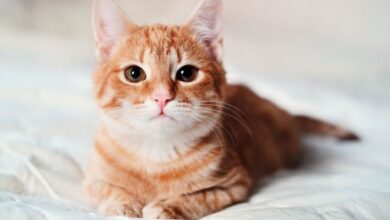
Seeing your cat with a swollen nose can be alarming, and it’s natural to want to understand what’s going on and how to help. A swollen nose in cats isn’t always a serious issue, but it can be a sign of various underlying problems, ranging from minor irritations to more complex medical conditions. This guide will walk you through the potential causes, what to look out for, how to provide initial care, and when a vet visit is essential.
We’ll also cover treatment options and what to expect during the recovery process, so you can be a confident and informed advocate for your feline friend.
The swelling itself can be caused by a surprising number of things. It could be a simple allergic reaction to pollen or dust, a minor injury, or something more concerning like an infection or even a growth. Recognizing the accompanying symptoms – like sneezing, discharge, or changes in behavior – is key to figuring out the best course of action.
Knowing what to monitor at home and when to seek professional help can make a big difference in your cat’s comfort and overall health.
Understanding Your Cat’s Swollen Nose: Causes, Care, and What to Watch For
Source: petshun.com
Seeing your cat with a swollen nose can be alarming. It’s a sign that something isn’t quite right, and it’s natural to want to understand what’s happening and how to help. This guide will walk you through the potential causes, what symptoms to look out for, how to provide initial care, and when a vet visit is essential. We’ll also cover some common misconceptions and how to differentiate a swollen nose from other feline ailments.The nose plays a vital role in a cat’s health, impacting breathing, scent detection, and overall well-being.
A swollen nose disrupts these functions and can indicate a range of issues, from minor irritations to serious underlying conditions. Early recognition and appropriate action are key to ensuring your cat’s comfort and a positive outcome.
1. Causes of a Swollen Cat Nose
A swollen nose in cats can stem from various factors, broadly categorized as infectious, environmental, or traumatic. Identifying the root cause is crucial for effective treatment.
- Infectious Causes: These involve pathogens like bacteria, viruses, and fungi. Bordetella bronchiseptica (the cause of kennel cough in dogs, but can affect cats) and Chlamydophila felis are bacterial culprits. Feline herpesvirus and feline calicivirus are common viral infections. Fungal infections, though less frequent, can also contribute.
- Environmental Causes: Allergies are a significant factor. Common allergens include pollen, dust mites, mold spores, certain foods, and even cleaning products. Nasal polyps (benign growths) and, less commonly, tumors can also cause swelling.
- Traumatic Causes: Injuries, such as a scrape, bump, or even a foreign object lodged in the nasal passage, can lead to swelling.
Here’s a table summarizing potential causes:
| Cause | Description | Severity | Common Symptoms |
|---|---|---|---|
| Bacterial Infection | Infection caused by bacteria like Bordetella or Chlamydophila. | Medium | Sneezing, nasal discharge, lethargy, loss of appetite. |
| Viral Infection | Infection caused by viruses like feline herpesvirus or calicivirus. | Medium to High | Eye discharge, fever, oral ulcers, sneezing. |
| Allergies | Reaction to allergens like pollen or dust mites. | Low to Medium | Itching, sneezing, watery eyes, nasal discharge. |
| Nasal Polyps | Benign growths in the nasal passages. | Low to Medium | Persistent nasal discharge, noisy breathing, facial swelling. |
| Trauma | Injury to the nose. | Variable | Swelling, bruising, pain, bleeding. |
2. Recognizing Symptoms Beyond Swelling
While a swollen nose is the primary concern, it’s essential to observe other accompanying symptoms. These provide valuable clues to the underlying cause.
- Nasal Discharge: The color and consistency of nasal discharge are significant. Clear discharge often indicates allergies or mild irritation. Colored (yellow, green) discharge suggests an infection. Bloody discharge warrants immediate veterinary attention.
- Sneezing: Frequent sneezing can be a sign of allergies, infections, or irritants.
- Breathing Difficulties: Observe your cat’s breathing pattern. Rapid, labored, or noisy breathing (wheezing or stridor) indicates respiratory distress and requires immediate veterinary care.
- Behavioral Changes: Loss of appetite, lethargy, hiding, or increased irritability can all signal discomfort or illness.
- Eye Irritation: Swollen or watery eyes, along with discharge, are often linked to nasal issues, particularly with viral infections.
3. Home Care and Monitoring (Initial Steps)
If you notice a mild swelling and your cat is otherwise acting relatively normal, you can take some initial steps at home. However,
always* consult a veterinarian for a proper diagnosis and treatment plan.
- Gentle Cleaning: Gently clean the area around the nose with a damp, soft cloth. Avoid harsh soaps or chemicals.
- Hydration: Ensure your cat has access to fresh, clean water and encourage drinking. You can try offering flavored water or wet food.
- Environmental Adjustments: Minimize exposure to potential irritants like dust, smoke, and strong odors. Maintain a comfortable room temperature.
Here’s a checklist for daily monitoring:
| Monitoring Item | Frequency |
|---|---|
| Swelling Size | Every 2 hours |
| Nasal Discharge (Color & Amount) | Every 4 hours |
| Breathing Pattern | Every 2 hours |
| Appetite & Energy Level | Once daily |
4. Veterinary Examination and Diagnosis
A veterinarian will perform a thorough examination to determine the cause of the swollen nose.
- Physical Examination: This includes palpating the nose and surrounding areas to assess swelling and tenderness. The vet will also listen to your cat’s lungs and heart.
- Diagnostic Tests: Depending on the suspected cause, tests may include blood work (to check for infection or inflammation), nasal cultures (to identify bacteria or fungi), X-rays (to rule out structural abnormalities), and rhinoscopy.
- Medical History: The veterinarian will ask about your cat’s vaccination history, exposure to other animals, and any recent illnesses or injuries.
Rhinoscopy is a procedure where a small, flexible scope is inserted into the nasal passages to visualize the tissues. During rhinoscopy, a veterinarian can identify abnormalities such as polyps, tumors, foreign objects, or signs of inflammation. Biopsies can also be taken for further analysis.
5. Treatment Options – Medical Interventions
Treatment depends entirely on the underlying cause.
- Antibiotics: Used to treat bacterial infections.
- Antifungals: Used to treat fungal infections.
- Antivirals: May be used in some cases of viral infections, although treatment is often supportive.
- Antihistamines or Corticosteroids: Used to manage allergic reactions.
- Surgery: May be necessary to remove nasal polyps or tumors.
- Fluid Therapy: Administered if the cat is dehydrated.
| Treatment | Purpose | Potential Side Effects |
|---|---|---|
| Antibiotics | Treat bacterial infections | Upset stomach, allergic reaction |
| Antihistamines | Reduce allergic reactions | Drowsiness |
| Surgery | Remove polyps or tumors | Anesthesia risks, infection |
6. Treatment Options – Supportive Care
Supportive care is crucial for a comfortable recovery.
- Hydration & Nutrition: Encourage your cat to drink and eat. Offer palatable wet food.
- Quiet Environment: Provide a quiet, comfortable place for your cat to rest.
- Medication Administration: Follow your veterinarian’s instructions carefully when administering medications.
- Preventing Secondary Infections: Keep the nose clean and dry.
- Appetite Stimulation: Warm the food slightly to enhance the aroma and encourage eating.
7. Potential Complications and Prognosis
A swollen nose, if left untreated, can lead to complications.
- Secondary Infections: The swollen tissues are more susceptible to infection.
- Breathing Difficulties: Severe swelling can obstruct the airways.
- Chronic Nasal Issues: Persistent inflammation can lead to long-term problems.
The prognosis depends on the underlying cause and the cat’s response to treatment. Early intervention generally leads to a better outcome. Long-term monitoring is essential, even after the initial swelling has subsided.[Flowchart illustrating the potential progression of a swollen nose, from initial symptoms to possible complications. This would visually depict the stages and potential outcomes.]
8. Distinguishing from Other Nasal Conditions
It’s important to differentiate a swollen nose from other nasal conditions.
- Rhinitis vs. Swollen Nose: Rhinitis is inflammation of the nasal passages, while a swollen nose specifically refers to the external swelling. Both can occur together.
- Sinusitis vs. Swollen Nose: Sinusitis is inflammation of the sinuses, which can contribute to nasal swelling.
- Injury vs. Infection: Trauma typically presents with bruising and pain, while infection is often accompanied by discharge.
| Condition | Key Symptoms | Primary Treatment |
|---|---|---|
| Swollen Nose | External swelling, nasal discharge, sneezing | Depends on cause (antibiotics, antihistamines, surgery) |
| Rhinitis | Nasal discharge, sneezing, congestion | Supportive care, antibiotics if bacterial |
| Sinusitis | Facial swelling, nasal discharge, pain | Antibiotics, decongestants |
Final Conclusion
Ultimately, a swollen cat nose requires careful observation and often, veterinary intervention. While home care and monitoring can be helpful in mild cases, it’s crucial to be aware of potential complications and to seek prompt treatment for more serious issues. Understanding the various causes, recognizing the signs, and working closely with your vet will ensure your cat receives the best possible care and a speedy return to their playful, healthy self.
Don’t hesitate to reach out to your veterinarian – they’re your best resource for addressing any concerns about your cat’s well-being.
User Queries
Why is my cat’s nose swollen?
It could be due to allergies, injury, infection (bacterial, viral, or fungal), nasal polyps, tumors, or even irritation from environmental factors.
What kind of nasal discharge is concerning?
Bloody or thick, colored discharge is more concerning than clear discharge and warrants a vet visit.
Can I clean my cat’s nose at home?
Yes, gently wiping the area around the nose with a damp cloth can help, but avoid inserting anything into the nasal passages.
When should I take my cat to the vet?
If the swelling is severe, accompanied by difficulty breathing, loss of appetite, or significant lethargy, seek veterinary care immediately.
What diagnostic tests might the vet perform?
The vet might perform blood work, cultures, X-rays, or a rhinoscopy (a procedure to examine the nasal passages).
Are antihistamines safe for cats with a swollen nose?
Only administer antihistamines if directed by your veterinarian, as some can be harmful to cats.