The pairing of cats and olives might seem utterly random, but a deeper look reveals a fascinating intersection of history, culture, and feline curiosity. From ancient artwork to modern-day enrichment ideas, the presence of these two elements together sparks intrigue. This exploration delves into the unexpected relationship between our beloved feline companions and the humble olive, uncovering surprising connections and playful possibilities.
We’ll journey through artistic representations, examine the sensory experience for a cat encountering an olive, and even ponder which breeds might be most drawn to this unusual treat. Beyond the playful aspects, we’ll also consider the practical roles cats have played in olive groves, both in myth and reality, and the potential benefits and risks of incorporating olive oil into a cat’s diet.
Get ready for a delightful dive into this quirky topic!
The Curious Connection: Cats and Olives
It’s a pairing you might not immediately think of – the sleek grace of a feline and the humble, often briny, olive. Yet, a closer look reveals a surprisingly rich history and a fascinating interplay of senses and symbolism. This article delves into the unexpected relationship between cats and olives, exploring their shared presence in art, folklore, and even our modern lives.
We’ll examine how these two seemingly disparate elements have intertwined across cultures and consider the potential appeal – or aversion – that olives hold for our feline companions.
From ancient mosaics to contemporary art, the presence of cats and olives is more widespread than one might initially assume. The Mediterranean, the heartland of olive cultivation, has long been a region where cats have thrived, both as valued companions and effective pest controllers. This geographical overlap has naturally led to their frequent depiction together in artistic representations. Beyond art, folklore from various Mediterranean countries often features cats associated with olive groves, sometimes as protectors, sometimes as mischievous figures.
Anecdotally, many olive farmers have shared stories of their cats napping amongst the trees, playfully batting at falling olives, or even seeming to guard the harvest from birds. While these stories are often embellished, they speak to a deep-rooted connection between these two elements of the Mediterranean landscape.
Historical and Cultural Appearances
Throughout history, cats have been revered and demonized, often embodying both domestic comfort and mysterious independence. Similarly, olives have held significant cultural and economic importance, symbolizing peace, prosperity, and fertility. Their combined appearance in art and literature reflects this dual symbolism. Ancient Greek pottery frequently depicts cats lounging near olive branches, suggesting a sense of domestic tranquility and abundance.
In Roman mosaics, cats are often shown hunting mice amongst olive trees, highlighting their role as protectors of valuable crops. Medieval European folklore sometimes portrays cats as guardians of olive groves, warding off evil spirits and ensuring a bountiful harvest. Even in modern literature, the image of a cat basking in the sun beneath an olive tree evokes a sense of idyllic Mediterranean charm.
Geographical Overlap and Shared Habitats
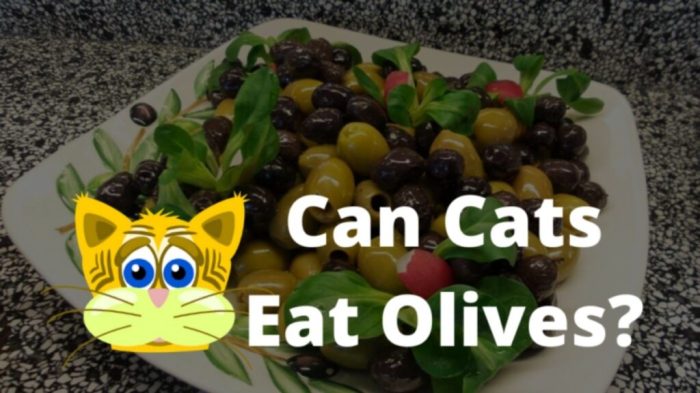
Source: kittyexpert.com
The prevalence of both olive cultivation and domestic cat populations is largely concentrated in the Mediterranean region, extending from Spain and Portugal to Greece, Turkey, and North Africa. This geographical overlap isn’t coincidental. The warm climate and abundant sunshine are ideal for both olive trees and feline well-being. Furthermore, olive groves provide a natural habitat for cats, offering shelter, hunting opportunities (rodents and birds), and a relatively safe environment.
The historical development of olive farming has, in many ways, paralleled the spread of domestic cats, creating a symbiotic relationship where cats benefit from the environment created by olive cultivation, and olive farmers benefit from the cats’ pest control abilities.
| Region | Primary Olive Variety | Common Cat Breed |
|---|---|---|
| Spain | Picual | Spanish Ibizan Hound (often found near farms) |
| Italy | Coratina | Italian Shorthair |
| Greece | Kalamata | Greek Cat (a landrace breed) |
| Tunisia | Chemlali | Arabian Mau |
| Turkey | Edremit | Turkish Van |
Feline Curiosity and Olives: A Sensory Exploration
Understanding why a cat might interact with an olive – or avoid it entirely – requires considering how their senses perceive the world. A cat’s sense of smell is far more acute than a human’s, and their taste buds are significantly different. Their vision is adapted for low-light conditions, and their sense of touch is highly sensitive. When a cat encounters an olive, each of these senses plays a role in its initial assessment.
Sensory Perception of Olives
The smell of an olive is complex, influenced by factors like variety, ripeness, and curing process. Cats are particularly sensitive to volatile organic compounds, and the aroma of an olive – which can include notes of fruit, brine, and sometimes a slightly bitter or fermented scent – will be readily detected. Taste-wise, cats have fewer taste buds than humans, and they lack the ability to taste sweetness.
They are more sensitive to bitter and umami flavors. The saltiness of olives is likely to be a significant factor in a cat’s reaction, as is the oiliness. Visually, the dark color and smooth texture of an olive might be intriguing, while the size and shape could trigger predatory instincts in some cats. Tactilely, the smooth, slightly yielding texture of an olive could be appealing or off-putting depending on the individual cat’s preferences.
Reasons for Attraction or Repulsion
A cat might be drawn to an olive due to its scent, texture, or the potential for play. The saltiness could be appealing, mimicking the taste of certain prey animals. Conversely, the bitterness, the unfamiliar texture, or the strong aroma could trigger a negative response. Some cats are simply more adventurous eaters than others, and are more likely to investigate new objects and tastes.
Past experiences also play a role; a cat that has previously encountered a similar-tasting food might be more willing to try an olive.
Comparing Cat and Human Taste Experiences
Humans appreciate the complex flavor profile of olives, often enjoying the combination of saltiness, bitterness, and oiliness. We can also detect subtle nuances in flavor depending on the variety and preparation method. Cats, however, experience olives very differently. The bitterness is likely to be more prominent for them, while the sweetness is completely undetectable. The saltiness might be perceived as a strong, potentially overwhelming flavor.
The oiliness could be either appealing or repulsive, depending on the cat’s individual preferences. Essentially, what humans find savory and complex, a cat might perceive as overwhelmingly salty and bitter.
Cat’s Reaction Sequence Flowchart
- Initial Approach: Cat notices olive (sight, smell).
- Sniffing: Cat investigates the olive’s scent, assessing its potential edibility.
- Tasting (Optional): Cat tentatively licks or bites the olive.
- Reaction:
- Rejection: Cat displays signs of aversion (e.g., spitting, pawing away, refusing to approach).
- Acceptance: Cat continues to chew and swallow the olive (unlikely, but possible).
- Playful Interaction: Cat bats at the olive, rolls it around, or carries it away.
Olives as a Novelty: Cat Enrichment and Play
Enrichment is crucial for a cat’s physical and mental well-being. Providing opportunities for play, exploration, and problem-solving can help prevent boredom and reduce stress. While olives aren’t a typical cat toy, they can be incorporated into enrichment routines in a safe and supervised manner. The key is to prioritize safety and avoid overfeeding.
Safe Enrichment Ideas with Olives
Olives can be hidden inside puzzle toys designed for cats, encouraging them to use their problem-solving skills to retrieve the treat. A few olives can be scattered amongst other toys during playtime to add an element of surprise and encourage hunting behavior. You can also freeze olives in ice cubes or cat-safe broth for a refreshing and stimulating treat during warmer months.
However, always supervise your cat during these activities to prevent them from ingesting too many olives or attempting to swallow the pit.
Importance of Supervised Interaction
Introducing any new object to a cat requires careful supervision. Cats explore the world through their mouths, and they may try to chew or swallow anything they find interesting. Supervision allows you to monitor their behavior and intervene if they show signs of distress or attempt to ingest something harmful. It also provides an opportunity to redirect their attention if they become overly fixated on the olive.
Potential Dangers of Feeding Cats Olives
While a small amount of olive might not be harmful, feeding cats olives regularly or in large quantities can be dangerous. The pit poses a significant choking hazard and can cause intestinal blockages. The high salt content can lead to dehydration and electrolyte imbalances. Furthermore, olives contain compounds that can cause gastrointestinal upset in some cats. It’s crucial to remember that cats have different digestive systems than humans and are more sensitive to certain foods.
Safe Olive-Mimicking Cat Toys
- Olive-Shaped Plush Toy: A soft, plush toy shaped like an olive, filled with catnip.
- Textured Olive Ball: A small, rubber ball with a bumpy texture resembling an olive’s skin.
- Olive-Colored Crinkle Toy: A crinkle toy in a dark green or black color, mimicking the appearance of an olive.
- Olive-Scented Kicker Toy: A long, plush toy filled with catnip and infused with a subtle olive scent (ensure the scent is cat-safe).
- Olive-Patterned Scratching Post: A scratching post covered in a fabric with an olive branch or olive pattern.
Final Review
Ultimately, the connection between cats and olives is a testament to the unexpected joys we find in observing the world around us. Whether it’s a cat playfully batting at an olive, a painter capturing the serene image of a feline amongst olive trees, or a farmer relying on a cat to protect their harvest, this unlikely pairing offers a rich tapestry of stories and symbolism.
Hopefully, this exploration has sparked your curiosity and perhaps even inspired you to offer your own feline friend a safe and supervised olive-themed adventure!
From ancient folklore to modern-day cat toys, the enduring appeal of cats and olives continues to captivate and entertain. It’s a reminder that even the simplest things can hold a surprising amount of charm and cultural significance.
Commonly Asked Questions
Are olives safe for cats to eat?
Generally, no. Olives are high in salt and contain a pit which is a choking hazard and can be toxic. Small amounts of olive oil
-might* be okay (see below), but whole olives are best avoided.
Can I give my cat olive oil?
A tiny amount (teaspoon or less) of pure, extra virgin olive oil
-may* be beneficial for coat health and digestion, but it’s crucial to consult with your veterinarian first. Overfeeding can lead to gastrointestinal upset and weight gain.
Why might my cat be interested in olives?
Cats are naturally curious creatures! They might be drawn to the smell, texture, or even the movement of an olive. It’s often just a novelty that piques their interest.
Do cats help with olive harvesting in real life?
While folklore often depicts cats scaring away birds, in reality, cats primarily act as natural pest control in olive groves, helping to keep rodent populations in check.
What are some safe olive-themed cat toys?
Look for toys shaped like olives, or with a similar texture (e.g., a plush toy with a slightly bumpy surface). Puzzle toys where cats can “hunt” for hidden treats (not olives!) are also a good option.

