Ever gently stroked your cat and noticed their tummy felt unusually firm? It’s a surprisingly common observation that can spark a lot of worry in cat parents. While a slightly firm belly can sometimes be normal, it can also signal an underlying issue. This guide dives deep into what a firm cat belly might mean, exploring everything from posture and gas to more serious medical concerns, and what you can do to help your feline friend.
We’ll break down the nuances of abdominal firmness, differentiating between what’s typical and what warrants a vet visit. Understanding the potential causes, from dehydration and intestinal parasites to organ problems and inflammation, is key to ensuring your cat receives the right care. We’ll also cover what you can monitor at home and what to expect during a veterinary examination.
Why Does My Cat’s Tummy Feel Hard? A Comprehensive Guide
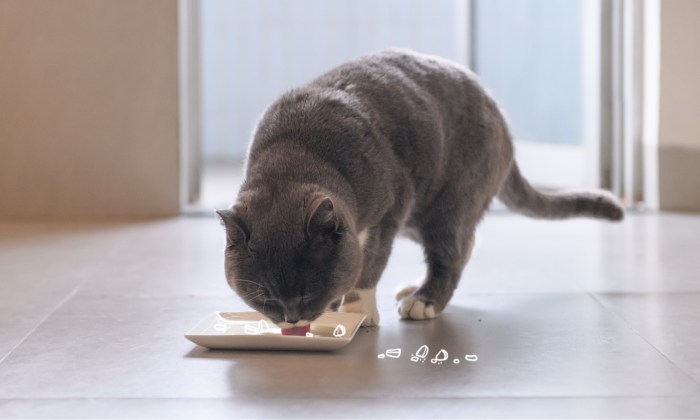
Source: contentstack.io
Finding your cat’s belly feels firmer than usual can be unsettling. It’s natural to worry! This guide aims to demystify what might be causing this change, from perfectly normal variations to potential health concerns. We’ll break down the possibilities, explain what to look for, and Artikel steps you can take – both at home and with your vet’s help – to ensure your feline friend is happy and healthy.
This isn’t a substitute for professional veterinary advice, but it’s a great starting point for understanding your cat’s body.
Understanding a Firm Cat Belly
A relaxed, healthy cat’s abdomen shouldn’t feel rock-solid, but it also isn’t typically completely soft and pliable. The ideal feel is somewhat resilient – a gentle firmness that yields slightly when pressed. The texture is generally smooth, with the underlying organs not easily palpable through the abdominal wall. Temperature should be consistent with the rest of their body. Flexibility varies; a relaxed cat will allow you to gently palpate the abdomen without flinching, though some cats are naturally more sensitive than others.
Posture and muscle tone play a significant role. A cat bracing for a perceived threat, or simply tense from anxiety, will naturally tighten their abdominal muscles, making the belly feel firmer. This is a temporary response and not necessarily a cause for concern. Similarly, a cat actively using their abdominal muscles (e.g., stretching, grooming) will have a firmer belly.
It’s crucial to differentiate this from a consistently firm abdomen, especially when combined with other symptoms.
Kittens often have a slightly firmer abdomen than adult cats due to their developing musculature and internal organs. Their abdominal walls are thinner, making organs more palpable. As they mature, their abdominal muscles strengthen, and the abdomen becomes more pliable. The difference is subtle, but noticeable with experience.
| Age Group | Breed Example | Typical Firmness | Notes |
|---|---|---|---|
| Kitten (6 months – 1 year) | Siamese | Slightly firm, organs more palpable | Thin abdominal wall; developing muscles. |
| Adult (1-7 years) | Persian | Moderate firmness, yields to pressure | May feel slightly firmer due to breed characteristics. |
| Senior (7+ years) | Domestic Shorthair | Variable; can be firm or soft | Consider age-related changes and potential underlying conditions. |
Potential Medical Causes – Initial Considerations
Dehydration is a common contributor to a hard belly in cats. When dehydrated, the abdominal tissues lose their elasticity, and the organs become more prominent. Signs of dehydration include sunken eyes, dry gums, decreased skin elasticity (when you gently pinch the skin on their back, it doesn’t snap back quickly), and lethargy. Providing fresh water and encouraging hydration is crucial.
Gas buildup can also cause abdominal rigidity. The distended intestines create a feeling of firmness. Differentiating gas from other causes can be tricky. Gas is often accompanied by a bloated appearance, restlessness, and potentially vocalization due to discomfort. A vet can often diagnose gas through palpation and auscultation (listening with a stethoscope).
Musculoskeletal issues, such as muscle strains or injuries, can also lead to a stiff or hard feeling in the abdomen. This is particularly true if the firmness is localized to a specific area and is accompanied by pain when touched. A careful examination by a veterinarian is necessary to rule out these possibilities.
Here’s a flowchart to guide your initial assessment:
- Notice Firm Belly: Is the abdomen consistently firm, or just occasionally?
- Observe Other Symptoms: Is your cat lethargic, vomiting, not eating, or having diarrhea?
- Check Hydration: Are their gums dry? Does their skin tent when gently pinched?
- Palpate Gently: Does your cat react with pain when you touch the area?
- If Concerned: Schedule a veterinary appointment.
Gastrointestinal Issues & Hardness
Intestinal parasites can significantly contribute to abdominal discomfort and firmness. Parasites irritate the intestinal lining, causing inflammation and potentially leading to a distended abdomen. Common parasite types include roundworms, hookworms, tapeworms, and coccidia. Regular deworming is essential for preventative care.
Inflammatory bowel disease (IBD) is a chronic condition characterized by inflammation of the digestive tract. This inflammation can thicken the intestinal walls, making the abdomen feel firmer. The underlying mechanisms involve an abnormal immune response targeting the gut, leading to chronic inflammation and altered intestinal function.
Constipation can also lead to a hard, distended abdomen. When stool becomes impacted in the colon, it creates pressure and firmness. Signs of constipation include infrequent or absent bowel movements, straining to defecate, and hard, dry stools. Increasing fiber intake and ensuring adequate hydration can often help alleviate constipation.
| Constipation | IBD | Parasites | Common Symptoms |
|---|---|---|---|
| Infrequent/absent bowel movements | Chronic vomiting/diarrhea | Weight loss | Hard, dry stools |
| Straining to defecate | Decreased appetite | Abdominal discomfort | Bloated abdomen |
| Decreased activity | Mucus in stool | Visible worms in stool (sometimes) | Lethargy |
Organ-Related Concerns
An enlarged liver or spleen can manifest as a firm area in the abdomen. Liver enlargement (hepatomegaly) can be caused by various conditions, including liver disease, infections, and tumors. Spleen enlargement (splenomegaly) can be caused by infections, immune disorders, and blood cancers. Palpation by a veterinarian can often detect these enlarged organs.
Tumors or masses within the abdominal cavity can also contribute to firmness. These can be benign or malignant, and their size and location will influence the abdominal feel. Different tumor types include lymphoma (cancer of the lymphatic system), fibrosarcoma (connective tissue cancer), and adenocarcinoma (glandular tissue cancer).
Urinary tract issues, such as bladder stones, can cause abdominal discomfort and firmness. Bladder stones irritate the bladder lining and can obstruct urine flow, leading to abdominal distention and pain. Symptoms may include frequent urination, straining to urinate, and blood in the urine.
Accurate assessment of abdominal organ size and texture requires careful palpation by a trained veterinarian. They can differentiate between normal anatomical structures and potential abnormalities, guiding further diagnostic investigations.
Specific Conditions & Their Manifestations
Pancreatitis, inflammation of the pancreas, can present with abdominal firmness and pain. This is often accompanied by vomiting, loss of appetite, and a hunched posture. The inflammation causes the pancreas to swell, contributing to the firm abdominal feel.
Peritonitis, inflammation of the abdominal lining, is a severe condition with serious implications for abdominal feel and overall health. It can be caused by infection, trauma, or leakage of abdominal contents. The abdomen becomes rigid and extremely painful to the touch.
Ascites, the accumulation of fluid in the abdomen, can mask underlying firmness issues. The fluid can make it difficult to palpate organs accurately and can give a false impression of abdominal firmness. It’s crucial to differentiate ascites from true abdominal firmness.
| Condition | Typical Presentation |
|---|---|
| Pancreatitis | Firmness in the upper abdomen, severe pain, vomiting |
| Peritonitis | Rigid, distended abdomen, extreme pain |
| Ascites | Fluid-filled abdomen, masking underlying firmness |
Diagnostic Procedures & Veterinary Assessment
Physical examination is the cornerstone of assessing abdominal firmness. Palpation techniques involve gently pressing on the abdomen to assess the texture, firmness, and size of the underlying organs. The veterinarian will also listen to the abdomen with a stethoscope to detect any abnormal sounds.
Blood tests, such as a complete blood count (CBC) and biochemistry profile, can help identify underlying medical conditions. A CBC can reveal signs of infection or inflammation, while a biochemistry profile can assess organ function.
Imaging techniques, such as radiographs (X-rays) and ultrasound, can help visualize abdominal organs and identify abnormalities. Ultrasound is particularly useful for assessing the size and texture of organs and detecting masses.
- History & Observation: Veterinarian gathers information about your cat’s history and observes their behavior.
- Physical Exam: Palpation of the abdomen, auscultation of the heart and lungs.
- Bloodwork: CBC and biochemistry profile to assess organ function.
- Imaging: Radiographs or ultrasound to visualize abdominal organs.
- Further Diagnostics: Depending on findings, additional tests may be recommended (e.g., fecal exam, urine analysis).
Home Monitoring & Supportive Care (Before Veterinary Visit)
Monitoring your cat’s behavior, appetite, and litter box habits is crucial when a firm belly is noticed. Any changes in these areas should be reported to your veterinarian. Note any vomiting, diarrhea, or changes in stool consistency.
Ensuring adequate hydration is essential, especially if dehydration is suspected. Offer fresh water frequently and consider adding wet food to their diet. You can also try flavoring the water with tuna juice or broth (low sodium).
Providing a comfortable and stress-free environment can help alleviate discomfort and reduce anxiety. Create a quiet, safe space where your cat can relax.
- Food and water intake
- Vomiting/diarrhea
- Lethargy
- Changes in litter box habits (frequency, consistency)
- Any areas of pain or sensitivity
Illustrative Descriptions
The feeling of a cat’s abdomen with a mild gas buildup is subtle. It’s not rock-hard, but there’s a slight resilience, a feeling of fullness beneath the skin. The cat might flinch slightly when you palpate the area, but doesn’t exhibit significant pain. They might also be slightly restless or groom more than usual.
Palpating a cat’s abdomen with a small, localized mass reveals a distinct difference in texture and density. The area feels firmer and more defined than the surrounding tissue. It might be slightly raised or irregular in shape. The cat may react with discomfort or pain when you touch the area.
The sensation of a cat’s abdomen experiencing severe constipation is characterized by distention and potential discomfort. The abdomen feels hard and tight, and the cat may exhibit a hunched posture and reluctance to move. Palpation reveals a palpable, firm mass in the colon.
A cat experiencing mild dehydration will have a less resilient abdomen compared to a well-hydrated cat. The tissues feel slightly drier and less pliable, and the organs may feel more prominent. The skin tenting test will also be positive, indicating a lack of skin elasticity.
Conclusion
Ultimately, a firm cat belly isn’t something to ignore. While it might be a simple case of gas or dehydration, it could also be a sign of a more significant health problem. By understanding the potential causes, learning how to monitor your cat, and seeking prompt veterinary attention when needed, you can play a vital role in keeping your furry companion happy and healthy.
Remember, early detection and intervention are often the best approaches to ensuring a positive outcome.
Essential FAQs
Why does my kitten’s tummy feel firmer than my adult cat’s?
Kittens often have firmer abdominal muscles as they’re still developing. Their bodies are less flexible, and their abdominal walls are naturally tighter compared to adult cats.
Could posture be making my cat’s tummy feel hard?
Absolutely! A cat tensing their muscles or adopting a specific posture can make their abdomen feel firmer. It’s important to consider this before assuming a medical issue.
What’s the difference between a firm belly due to gas and something more serious?
Gas usually causes a more diffuse firmness, and your cat might seem uncomfortable but not in severe pain. Other issues might present with localized firmness, pain, or other concerning symptoms.
How can I tell if my cat is dehydrated?
Signs of dehydration include sunken eyes, dry gums, decreased skin elasticity (when you gently pinch the skin, it doesn’t snap back quickly), and decreased urine production.
My cat is constipated, could that make their tummy feel hard?
Yes, constipation can cause a hard, distended abdomen. Look for signs like straining in the litter box, infrequent bowel movements, and small, dry stools.
What kind of parasites can affect my cat’s abdomen?
Common parasites include roundworms, hookworms, tapeworms, and coccidia. They can cause abdominal discomfort, firmness, and other digestive issues.
Should I always rush to the vet if my cat’s tummy feels hard?
Not necessarily. Monitor your cat closely for other symptoms. If they seem otherwise well, it might be worth observing for a short period. However, if you notice any concerning signs, a vet visit is crucial.