Ever noticed how the bold, striking pattern of leopard print has captivated humans for centuries? From ancient royalty to modern fashion runways, it’s a symbol of power and luxury. But what happens when that iconic pattern appears on our feline friends? We’re diving deep into the fascinating world of cats with leopard prints – exploring their origins, the breeds that naturally sport these markings, the ethical considerations surrounding their appearance, and the psychology behind our attraction to this unique combination of wildness and domesticity.
This isn’t just about spotting a cute kitty with a few spots. We’ll trace the history of leopard print itself, examine the biological reasons behind a real leopard’s coat, and uncover the surprising ways breeders and groomers are creating “leopard print” cats. Plus, we’ll consider the cultural significance of these animals and the potential impact on their well-being.
The Allure of Spotted Felines: Exploring Leopard Print Cats
There’s something undeniably captivating about cats adorned with patterns reminiscent of leopards. Whether it’s a naturally occurring coat or a carefully cultivated aesthetic, these felines spark curiosity and fascination. This article delves into the world of “leopard print” cats, exploring their origins, genetics, cultural significance, and the ethical considerations surrounding their appearance. We’ll journey from the historical use of leopard print patterns to the psychology behind our attraction to these striking creatures, and even peek into the future trends shaping this unique niche.
From ancient civilizations to modern fashion, the leopard print has held a powerful sway. But what’s the story behind this iconic pattern, and how did it come to be associated with luxury and wildness? Let’s unravel the history and biology behind the spotted allure.
Origins and History of Leopard Print Patterns
The use of leopard print patterns stretches back millennia, appearing in diverse cultures long before it became a fashion staple. Ancient Egyptians frequently incorporated leopard motifs into their art and jewelry, symbolizing strength and royalty. Tribal societies across Africa and Asia have also utilized leopard patterns in clothing, body paint, and ceremonial objects, often representing courage, power, and connection to the natural world.
The association with power likely stems from the leopard’s reputation as a formidable predator – a symbol of dominance in its ecosystem.
The evolution of leopard print from a natural camouflage mechanism to a fashion statement is a fascinating journey. Initially, the spots provided crucial camouflage for leopards in their varied habitats, allowing them to effectively stalk prey and evade danger. Over time, as humans began to appreciate the aesthetic appeal of the pattern, it transitioned from a functional adaptation to a decorative element.
The association with luxury solidified in the 20th century, particularly after Christian Dior featured a leopard print dress in his 1947 collection, instantly elevating its status in the fashion world.
Here’s a timeline highlighting key moments in the popularization of leopard print:
- Ancient Egypt (c. 3100-30 BC): Leopard motifs appear in art and jewelry, symbolizing royalty and strength.
- Various Tribal Societies (Pre-20th Century): Leopard patterns used in clothing and ceremonial objects, representing courage and connection to nature.
- 1947: Christian Dior features a leopard print dress, marking a turning point in its association with luxury.
- 1960s-70s: Leopard print gains popularity in mainstream fashion, often associated with a glamorous and rebellious style.
- 1980s: The pattern experiences a resurgence, becoming a defining element of the decade’s bold and extravagant fashion trends.
- Present: Leopard print remains a recurring trend, adapted and reinterpreted across various fashion styles.
Natural Leopards and Their Coat Patterns
Source: vecteezy.com
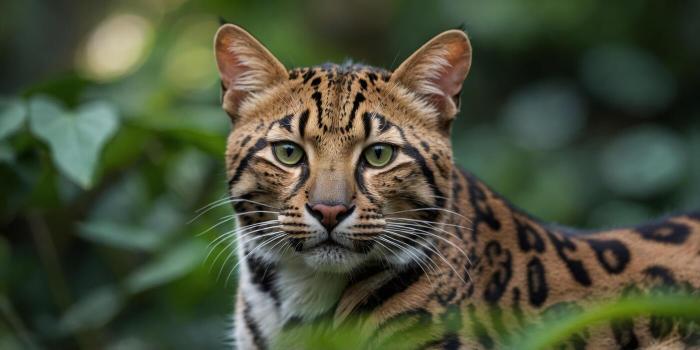
The leopard’s spotted coat isn’t merely an aesthetic feature; it’s a product of evolutionary adaptation. The primary biological reason for the spots is camouflage, allowing leopards to blend seamlessly into their surroundings – grasslands, forests, and rocky terrains. This camouflage aids in both hunting prey and avoiding detection by larger predators. While camouflage is the primary function, the coat also likely plays a role in thermoregulation, with the dark spots absorbing heat and the lighter fur reflecting it.
Leopard spot patterns exhibit considerable variation. Rosette size can range from small and tightly packed to large and widely spaced. The density of rosettes also differs, with some leopards having a sparse distribution while others are covered in a dense network of spots. Color variations exist as well, with rosettes ranging from dark brown to almost black, set against a background of cream, tan, or even a slightly greyish hue.
These variations are influenced by genetics and environmental factors.
Comparing spot patterns across different geographic regions reveals intriguing differences. Leopards in Africa generally have larger, more irregularly shaped rosettes compared to those in Asia, which tend to have smaller, more circular spots. For instance, leopards in Southeast Asia often have a higher density of rosettes than their African counterparts. These regional variations likely reflect adaptations to specific habitat conditions and prey types.
Natural leopard patterns are characterized by their organic, irregular shapes and subtle variations in color and density. Stylized or manufactured versions often lack this complexity, appearing more uniform and symmetrical. The imperfections in a natural leopard’s coat are what give it its unique character and authenticity.
Feline Breeds Exhibiting Leopard-Like Markings
Several domestic cat breeds naturally display markings that strikingly resemble leopard prints. The Bengal, Savannah, and Ocicat are perhaps the most well-known examples. These breeds were intentionally developed to incorporate wild cat characteristics, including their distinctive spotted coats.
The genetic factors contributing to these markings are complex and involve multiple genes. In Bengals, the “Agouti” gene is crucial, allowing for the banding of hairs, creating the spotted pattern. The Savannah breed, a hybrid of a domestic cat and a Serval (a wild African cat), inherits its spotted coat directly from the Serval’s genetics. The Ocicat, despite not having any wild cat ancestry, was selectively bred to resemble an Ocelot, resulting in a spotted pattern achieved through specific combinations of tabby genes.
While these breeds share a visual resemblance to leopards, there are key differences. Leopard-like cat breeds are generally smaller and more docile than their wild counterparts. Their spotted patterns are often more uniform and less complex than those found in natural leopards. The overall body structure and facial features also differ significantly.
| Breed | Description of Markings | Origin | Temperament |
|---|---|---|---|
| Bengal | Spotted or marbled pattern with distinct rosettes; horizontal stripes are also possible. | United States (developed from Asian Leopard Cat hybrids) | Active, playful, intelligent, and affectionate. |
| Savannah | Spotted pattern with large, bold rosettes; varying degrees of wild cat appearance depending on generation. | United States (hybrid of domestic cat and Serval) | Energetic, intelligent, curious, and often requires experienced owners. |
| Ocicat | Spotted pattern resembling an Ocelot; typically has a muscular build and a confident demeanor. | United States (developed through selective breeding of domestic cats) | Friendly, playful, intelligent, and enjoys interactive games. |
The Rise of “Leopard Print” Cats – Domesticated Variations
The intentional creation of leopard-like patterns in domestic cats has become increasingly popular in recent years. Cat owners and breeders are actively seeking ways to enhance the spotted appearance of their feline companions, often through selective breeding and grooming techniques.
Selective breeding plays a significant role in achieving a leopard print appearance. Breeders focus on lines with strong tabby patterns, particularly those exhibiting a high density of spots or rosettes. Grooming techniques, such as carefully brushing the cat’s fur to accentuate the spots and create a more defined pattern, can also contribute to the desired aesthetic. While artificial coloring is generally discouraged and considered unethical, some breeders may experiment with subtle grooming techniques to enhance the contrast between the spots and the background color.
Numerous cat owners have shared stories of intentionally breeding or grooming their cats to resemble leopards. Online communities dedicated to these breeds showcase examples of cats with exceptionally striking spotted coats, highlighting the dedication and effort involved in achieving this unique look.
Here’s a list of resources specializing in leopard-like cat appearances:
- Bengal Cat Breed Rescue: [Placeholder – Replace with actual link]
-Provides information and resources for Bengal cat owners and potential adopters. - Savannah Cat Breeders Association: [Placeholder – Replace with actual link]
-A directory of reputable Savannah cat breeders. - Ocicat Breed Club: [Placeholder – Replace with actual link]
-Offers information and support for Ocicat enthusiasts. - Professional Cat Groomers: Search online for groomers specializing in breed-specific styling and coat enhancement.
Cultural Significance and Symbolism of “Leopard Print” Cats
Cats with leopard-like markings carry a rich tapestry of symbolism across different cultures. In many societies, they are perceived as symbols of luxury and exoticism, reflecting the association of leopard print with high fashion and exclusivity. Simultaneously, these cats evoke a sense of wildness and untamed beauty, connecting to the inherent mystique of the natural world.
The perception of these cats varies. Some view them as symbols of good luck and prosperity, while others associate them with power and independence. The symbolism is often intertwined with the cultural significance of cats in general, which frequently represents mystery, intuition, and grace.
Comparing the symbolism of these cats to that of leopards in their natural habitat reveals both similarities and differences. Leopards are often revered as symbols of strength, agility, and adaptability. They represent the untamed spirit of the wilderness and the ability to thrive in challenging environments. “Leopard print” cats, while sharing a visual connection to leopards, often carry a more domesticated and stylized symbolism, representing a blend of wildness and refinement.
Imagine a visual representation: On one side, a majestic leopard prowling through a dense jungle, radiating power and independence. Its spots blend seamlessly with the dappled sunlight filtering through the leaves. On the other side, a Bengal cat lounging on a plush velvet cushion, its spotted coat gleaming under the soft light of a luxurious home. The leopard embodies the raw power of nature, while the Bengal represents a curated elegance and a touch of the wild brought into the domestic sphere.
Ethical Considerations Regarding Breeding and Grooming for Appearance
The breeding and grooming of cats solely for their appearance raises significant ethical concerns. Prioritizing aesthetics over health and well-being is a fundamental ethical dilemma. While the desire for a visually striking pet is understandable, it should never come at the expense of the animal’s quality of life.
Breeds specifically bred for leopard-like markings can be predisposed to certain health problems. For example, Savannah cats, due to their Serval ancestry, may be prone to certain genetic conditions. Bengals can sometimes experience hypertrophic cardiomyopathy (HCM), a heart condition. It’s crucial for breeders to prioritize genetic testing and responsible breeding practices to minimize these risks.
Ethical concerns also surround grooming practices that significantly alter a cat’s natural appearance. While gentle grooming to enhance a cat’s coat is generally acceptable, practices that cause discomfort or distress should be avoided. Artificial coloring, for instance, is widely considered unethical due to the potential for skin irritation and toxicity.
| Practice | Potential Risks | Ethical Considerations |
|---|---|---|
| Selective Breeding | Increased risk of genetic health problems, reduced genetic diversity. | Prioritize health and temperament over appearance; avoid inbreeding. |
| Artificial Coloring | Skin irritation, allergic reactions, potential toxicity. | Unethical due to potential harm and unnatural alteration of appearance. |
Leopard Print Patterns in Cat Accessories and Products
Leopard print patterns are ubiquitous in cat-related products, ranging from cozy beds and engaging toys to stylish collars and fashionable clothing. The prevalence of this pattern reflects its enduring popularity and its association with luxury and playfulness.
Design trends in leopard print patterns for cat accessories vary. Some products feature classic, bold patterns, while others incorporate more subtle and stylized versions. Variations in color combinations are also common, with options ranging from traditional brown and gold to more contemporary black and silver or even pastel hues.
The popularity of different leopard print patterns in cat accessories is influenced by current fashion trends and consumer preferences. Bold, classic patterns tend to be consistently popular, while more stylized or unconventional variations often experience fluctuations in demand.
Here’s a breakdown of cat accessories featuring leopard print patterns:
- Beds: Plush leopard print beds provide a luxurious and comfortable resting spot for feline companions.
- Toys: Leopard print toys, such as mice, balls, and feather wands, add a touch of excitement to playtime.
- Collars: Stylish leopard print collars allow cat owners to showcase their pet’s unique personality.
- Clothing: While less common, leopard print cat clothing can be a fun and fashionable accessory for special occasions.
The Psychology of Attraction to Leopard Print and Cats
The psychological reasons behind our attraction to leopard print patterns are multifaceted. The pattern’s inherent visual complexity and contrast create a stimulating and engaging aesthetic experience. The bold, dynamic nature of the pattern can evoke feelings of excitement and confidence.
The appeal of leopard print is closely linked to the perceived characteristics of leopards – power, independence, and a touch of danger. The pattern embodies a sense of wildness and untamed beauty, qualities that many find inherently attractive. The association with luxury and exclusivity further enhances its appeal, tapping into our desire for status and sophistication.
The psychological factors contributing to the appeal of cats with leopard-like markings are similar to those influencing our attraction to leopard print in general. The combination of the striking spotted coat and the inherent charm of cats creates a particularly captivating aesthetic. The perceived independence and grace of cats further amplify the appeal of these uniquely patterned felines.
Several psychological theories might explain this attraction:
- Evolutionary Psychology: The pattern may trigger an innate response related to predator recognition and avoidance.
- Gestalt Psychology: The pattern’s visual complexity and organization create a sense of harmony and balance.
- Associative Learning: Positive associations with luxury, fashion, and beauty contribute to the pattern’s appeal.
Leopard Print in Art and Media Featuring Cats
Cats with leopard-like markings have graced various artistic mediums, appearing in artwork, photography, and media such as films and television shows. These portrayals often emphasize the cats’ striking appearance and their association with wildness and elegance.
In artwork, these cats are frequently depicted as symbols of beauty, power, and mystery. Photography often captures their unique patterns and expressive personalities. In films and television shows, they may be portrayed as exotic pets, wild creatures, or even characters with symbolic significance.
The representation of these cats varies across different cultures and time periods. In some cultures, they may be revered as sacred animals, while in others, they may be depicted as symbols of danger or cunning. The portrayal often reflects the cultural values and beliefs surrounding cats and their association with the natural world.
Imagine a fictional scene: A Bengal cat with a strikingly patterned coat sits perched atop a crumbling stone wall in a moonlit courtyard. Rain glistens on its fur, highlighting the intricate details of its spots. The cat’s eyes, glowing with an emerald intensity, fixate on a shadowy figure lurking in the darkness, creating an atmosphere of suspense and intrigue.
Future Trends in “Leopard Print” Cats and Related Products
The future of “leopard print” cats and related products is likely to be shaped by advancements in genetic testing and breeding techniques. We may see the development of even more refined and consistent spotted patterns, as breeders strive to enhance the visual appeal of these felines.
Leopard print patterns in cat accessories and products are expected to evolve alongside broader fashion trends. We may see the emergence of new color combinations, stylized patterns, and innovative materials. Sustainability and ethical sourcing will likely become increasingly important considerations for consumers.
Current trends favor bold, classic leopard print patterns and luxurious materials. Future developments may include more subtle and nuanced patterns, eco-friendly materials, and personalized designs tailored to individual cat preferences.
Consider this concept for a futuristic cat product: A self-cleaning cat bed featuring a dynamic leopard print pattern that shifts and changes color based on the cat’s mood. The pattern is projected onto the bed’s surface using advanced LED technology, creating a mesmerizing and interactive experience for both the cat and its owner.
Conclusive Thoughts
From the historical significance of leopard print to the ethical debates surrounding its replication in domestic cats, this exploration has revealed a complex and captivating phenomenon. Whether it’s the natural beauty of a Bengal cat’s rosettes, the playful designs on cat beds, or the psychological allure of the pattern itself, the intersection of cats and leopard print continues to fascinate.
As breeding and grooming techniques evolve, and our understanding of animal welfare deepens, it’s crucial to appreciate the beauty while prioritizing the health and happiness of these uniquely styled companions.
Ultimately, the story of cats with leopard prints is a reflection of our own fascination with the wild, the luxurious, and the undeniably charming – all wrapped up in a furry, purring package.
FAQ Summary
Why do natural leopards have spots instead of solid colors?
Leopard spots are a form of camouflage, helping them blend into their environment to stalk prey and avoid predators. They also play a role in thermoregulation, allowing heat to dissipate more effectively.
What’s the difference between a Bengal and a Savannah cat?
Both breeds have leopard-like markings, but Savannahs are a hybrid of domestic cats and servals (a wild African cat), resulting in a taller, more exotic appearance. Bengals are crosses with Asian Leopard Cats and have a more manageable size and temperament.
Is it ethical to breed cats specifically for their appearance?
It’s a complex issue. While responsible breeders prioritize health and temperament, breeding solely for appearance can lead to genetic health problems and compromise a cat’s well-being. Ethical breeders conduct thorough health screenings and focus on preserving breed standards without sacrificing animal welfare.
What are some potential health problems associated with breeds bred for leopard-like markings?
Some breeds, like Savannahs, can be prone to hypertrophic cardiomyopathy (HCM), a heart condition. Selective breeding can also exacerbate other genetic predispositions, so careful screening is essential.
Are there any grooming techniques that can create a leopard print look on a cat?
While artificial coloring is generally discouraged due to potential toxicity and stress to the cat, selective breeding for specific tabby patterns can enhance the appearance of leopard-like markings. Some grooming techniques, like strategic trimming, can also subtly accentuate these patterns.
Why are people so drawn to leopard print in general?
Psychologically, leopard print is associated with power, confidence, and a touch of rebellion. It evokes the wildness and independence of the leopard, which can be appealing to those seeking to express those qualities.

