The Chantilly cat, also known as the blue geant, is a relatively rare breed gaining popularity for its luxurious, silky coat and affectionate personality. But owning one of these beauties isn’t just about cuddles and charm; it comes with a price tag. This guide breaks down everything you need to know about Chantilly cat prices, from initial purchase costs to long-term care expenses, helping you budget responsibly for your new feline friend.
We’ll explore the factors influencing price, compare costs between breeders and adoption, and even look at potential health expenses. Understanding these costs upfront ensures you can provide the best possible life for your Chantilly, without any financial surprises down the road. Whether you’re dreaming of a show-quality champion or a loving companion, this information will empower you to make informed decisions.
Understanding the Cost of a Chantilly Cat
So, you’re dreaming of bringing a fluffy, lilac-fawn beauty into your life? The Chantilly cat, also known as the Chantilly-Tiffany, is gaining popularity for good reason – their luxurious coats, gentle personalities, and striking appearance are truly captivating. But before you fall head over heels, it’s important to understand the financial commitment involved. This guide will break down everything you need to know about Chantilly cat prices, from initial purchase costs to ongoing expenses, helping you make an informed decision and prepare for a lifetime of feline companionship.
Introduction to Chantilly Cats
The Chantilly cat’s history is a bit of a mystery, adding to their allure. While often referred to as the “Chantilly-Tiffany,” the breed’s origins are complex and debated. Some believe they descended from Burmese and Persians, while others suggest a connection to the Russian Blue. Regardless of their exact lineage, the breed was popularized in the 1980s by Lorelle Miller, who imported cats from France and began breeding them in the United States.
The name “Chantilly” is said to be inspired by a Chantilly lace pattern, reflecting the cat’s unique coat markings.
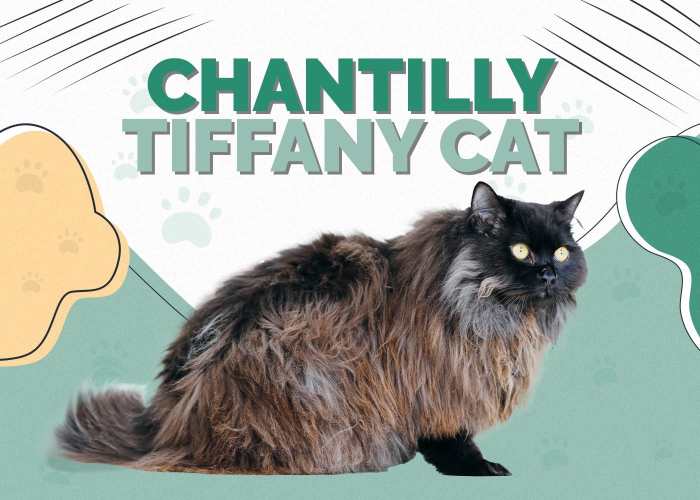
Physically, Chantilly cats are medium-sized with a graceful, semi-foreign body type. Their most distinctive feature is their luxurious, silky coat, which is incredibly soft to the touch. The most sought-after color is lilac fawn, a beautiful blend of silver and lilac tones. However, they also come in chocolate fawn, blue fawn, and even solid colors like chocolate and blue. Their eyes are typically a stunning copper or gold, complementing their coat beautifully.
They have a wedge-shaped head with large, expressive eyes and a long, flowing tail.
Chantilly cats are known for their affectionate and gentle personalities. They’re often described as “velcro cats” because they love to be near their humans, following them around the house and cuddling up for naps. They’re playful and intelligent, enjoying interactive toys and games. While affectionate, they’re also relatively independent and don’t demand constant attention. They’re generally good with children and other pets, making them a wonderful addition to a family.
| Breed | Appearance | Personality |
|---|---|---|
| Chantilly | Luxurious, silky coat (lilac fawn most common), copper/gold eyes, medium size, semi-foreign body type. | Affectionate, gentle, playful, independent, “velcro cat.” |
| Burmese | Short, glossy coat (various colors), round face, muscular build. | Affectionate, playful, intelligent, social, can be demanding of attention. |
| Ragdoll | Semi-long, silky coat (pointed pattern), blue eyes, large size, docile. | Gentle, affectionate, relaxed, docile, often goes limp when held. |
Factors Influencing Price
Determining the price of a Chantilly cat isn’t as simple as checking a price tag. Several factors contribute to the overall cost, and understanding these can help you navigate the purchasing process. It’s important to remember that a higher price doesn’t always mean a better cat, but it often reflects responsible breeding practices and a commitment to quality.
The breeder’s reputation and experience play a significant role. Established breeders with a proven track record of producing healthy, well-socialized kittens are likely to charge more. They’ve invested time and resources into perfecting their breeding program and ensuring the well-being of their cats.
Pedigree and show quality are also major price drivers. Cats with a strong pedigree, meaning they descend from a line of champion cats, are generally more expensive. Show-quality cats, those that meet the breed standard and are suitable for competition, command the highest prices. These cats have exceptional physical characteristics and temperament.
Location significantly impacts price. Chantilly cats are still relatively rare, so demand can vary greatly depending on the region. Areas with higher demand and fewer breeders will typically have higher prices. Transportation costs also come into play, especially if you’re purchasing a cat from a breeder located far away.
- Food: High-quality cat food can cost $30-$60 per month.
- Vet Care: Annual checkups, vaccinations, and preventative medications can easily cost $200-$500.
- Toys: Interactive toys, scratching posts, and other enrichment items can add up to $50-$100 per year.
- Litter: Depending on the type of litter you choose, this can cost $20-$40 per month.
Price Ranges: Kitten vs. Adult
The price of a Chantilly cat varies depending on whether you’re purchasing a kitten or an adult. Kittens are generally more expensive due to their desirability and the breeder’s investment in their early care and socialization.
Reputable breeders typically charge between $1,500 and $3,000 for Chantilly kittens. This price range can fluctuate based on the kitten’s pedigree, color, and breeder reputation. Adult Chantilly cats, on the other hand, often range from $800 to $2,000. The lower price reflects the fact that they’ve already been spayed/neutered and are often past the initial socialization period.
Adult cats may be priced differently for several reasons. They might have a more established temperament, making it easier to assess their suitability for a particular home. Breeders may also offer adult cats at a reduced price to help them find loving homes, especially if they’re older or have minor health issues.
| Age Group | Price Range |
|---|---|
| 8-12 weeks (Kitten) | $1,500 – $3,000 |
| 4-6 months (Kitten) | $1,200 – $2,500 |
| 1+ year (Adult) | $800 – $2,000 |
Breeder Costs and Transparency
Raising Chantilly cats is not a cheap endeavor. Responsible breeders incur significant expenses to ensure the health and well-being of their cats. These costs are reflected in the price of the kittens they sell.
Expenses include high-quality food, regular veterinary care (including vaccinations, deworming, and preventative medications), genetic testing to screen for potential health issues, and socialization to ensure the kittens are well-adjusted and friendly. Breeders also invest in creating a clean and stimulating environment for their cats.
Responsible breeders charge higher prices because they prioritize the health and welfare of their cats. They’re not just looking to make a profit; they’re committed to producing healthy, well-socialized kittens that will thrive in their new homes. It’s crucial to ask breeders about their breeding practices and health testing. A reputable breeder will be happy to provide detailed information about their cats’ health history and breeding program.
- Health Guarantees: Does the breeder offer a health guarantee?
- Socialization Practices: How are the kittens socialized? Are they exposed to different people, sounds, and environments?
- Facility Cleanliness: Is the breeding facility clean and well-maintained?
- Veterinary Records: Can the breeder provide veterinary records for the kittens and their parents?
- Genetic Testing: What genetic tests have been performed on the breeding cats?
Adoption vs. Buying from a Breeder
When acquiring a Chantilly cat, you have two main options: adoption from a rescue organization or purchasing from a breeder. Each option has its own advantages and disadvantages, both financially and emotionally.
Adopting a Chantilly cat from a rescue organization is typically significantly less expensive than buying from a breeder. Adoption fees usually range from $100 to $300, and often include initial vaccinations and spaying/neutering. The biggest benefit of adoption is saving a life and providing a loving home to a cat in need. However, you may not know the cat’s lineage or have as much information about its health history.
Buying from a breeder allows you to know the cat’s lineage and potentially select for specific traits. You can also be confident that the cat has been raised in a healthy and stimulating environment. However, this option is considerably more expensive, and it’s crucial to choose a reputable breeder who prioritizes the health and welfare of their cats.
| Adoption | Breeder Purchase | |
|---|---|---|
| Cost | $100 – $300 | $1,500 – $3,000+ |
| Lineage | Unknown | Known |
| Health History | Limited information | Detailed information |
| Socialization | Varies | Typically well-socialized |
Geographic Price Variations
The price of Chantilly cats can vary significantly depending on the region. Areas with high demand and limited breeders tend to have higher prices. Transportation costs also contribute to price differences.
For example, states like California and New York, where the breed is highly sought after, often have higher prices than states with fewer Chantilly cat enthusiasts. The Midwest generally has more moderate prices. International prices can vary even more, depending on import regulations and shipping costs.
Imagine a map of the United States. The West Coast (California, Oregon, Washington) would be shaded in a deep red, representing the highest price range ($2,500+). The Northeast (New York, Pennsylvania, Massachusetts) would be a medium red ($2,000 – $2,500). The Midwest (Illinois, Ohio, Michigan) would be a light orange ($1,500 – $2,000). The South (Texas, Florida, Georgia) would be a pale yellow ($1,200 – $1,500).
And the Mountain West (Colorado, Utah, Arizona) would be a very light yellow ($1,000 – $1,200). This color-coding illustrates the general price variations across different regions.
Health Considerations and Costs
Source: hepper.com
Like all breeds, Chantilly cats are predisposed to certain health issues. Understanding these potential problems and their associated veterinary costs is essential for responsible ownership.
Common health concerns include hypertrophic cardiomyopathy (HCM), a heart condition, and polycystic kidney disease (PKD), a kidney disease. Responsible breeders screen their cats for these conditions, but it’s still important to be aware of them. Other potential issues include hip dysplasia and patellar luxation.
Preventative care, including annual checkups, vaccinations, and parasite prevention, is crucial for maintaining a Chantilly cat’s health. Early detection and treatment of health problems can significantly reduce veterinary costs in the long run.
Sample Annual Healthcare Budget for a Chantilly Cat:
- Routine Vet Visits: $150 – $300
- Vaccinations: $100 – $200
- Flea/Tick/Worm Prevention: $100 – $200
- Emergency Fund: $500+ (for unexpected illnesses or injuries)
- Total Estimated Annual Cost: $850 – $1200+
Show Quality vs. Pet Quality
Not all Chantilly cats are created equal. Some are bred specifically for show, while others are intended as beloved family pets. The distinction lies in their adherence to the breed standard and their overall conformation.
Show-quality cats possess exceptional physical characteristics, including a flawless coat, a perfectly shaped head, and a graceful body. They also have a calm and confident temperament. Owning a show-quality cat comes with additional costs, including professional grooming, specialized training, and entry fees for cat shows.
The criteria used to evaluate Chantilly cats for shows include coat quality, body structure, head shape, eye color, and temperament. Judges look for cats that closely resemble the ideal breed standard.
| Appearance | Temperament | Cost | |
|---|---|---|---|
| Show-Quality | Exceptional conformation, flawless coat, ideal head shape. | Calm, confident, well-socialized. | $3,000+ (plus grooming, training, show fees) |
| Pet-Quality | May have minor imperfections, but still a healthy and loving cat. | Affectionate, playful, good temperament. | $1,500 – $2,500 |
Financing Options and Payment Plans
Purchasing a Chantilly cat can be a significant investment. Some breeders offer payment plans or financing options to make it more accessible to potential buyers. However, it’s important to carefully consider the terms and conditions before committing to a payment plan.
Financing can be a convenient way to spread out the cost of a cat, but it also comes with potential risks, such as interest charges and late fees. It’s crucial to ensure that you can comfortably afford the monthly payments before taking out a loan.
An alternative to financing is setting up a dedicated savings account specifically for your Chantilly cat. This allows you to save gradually over time and avoid incurring debt.
- Does the breeder offer payment plans?
- What are the terms and conditions of the payment plan?
- Is there interest charged on the payment plan?
- What is the cancellation policy?
- What forms of payment are accepted?
Long-Term Cost of Ownership
Bringing a Chantilly cat into your life is a long-term commitment, and it’s important to factor in the ongoing expenses associated with their care. These costs extend far beyond the initial purchase price and can add up significantly over the cat’s lifetime.
Ongoing expenses include food, litter, toys, grooming, and veterinary care. Food costs can vary depending on the quality and type of food you choose. Litter costs depend on the type of litter and how frequently you change it. Grooming is relatively minimal for Chantilly cats, but occasional brushing is still recommended. Veterinary care is an ongoing expense, including annual checkups, vaccinations, and potential emergency care.
Unexpected expenses can also arise, such as emergency vet visits, damage to furniture, or the cost of replacing lost or broken items. It’s important to be prepared for these unforeseen costs.
| Year | Estimated Cost |
|---|---|
| 1 | $2,500 – $4,000 |
| 2 | $1,500 – $2,500 |
| 3 | $1,200 – $2,000 |
| 4 | $1,000 – $1,800 |
| 5 | $1,000 – $1,800 |
| 6 | $1,200 – $2,200 |
| 7 | $1,500 – $2,500 |
| 8 | $1,500 – $2,500 |
| 9 | $1,200 – $2,000 |
| 10 | $1,000 – $2,000 |
Conclusive Thoughts
Ultimately, the Chantilly cat price isn’t just about the initial purchase; it’s an investment in a loving, playful, and beautiful companion. By carefully considering all the factors we’ve discussed – breeder reputation, health testing, potential health issues, and ongoing care – you can confidently welcome a Chantilly into your home and provide them with a lifetime of happiness. Remember, responsible ownership means being prepared for both the joys and the expenses that come with caring for this unique and wonderful breed.
Key Questions Answered
What’s the difference between a “blue” Chantilly and other colors?
The “blue” refers to the most common and sought-after color – a beautiful lilac fawn. While other colors like chocolate and cream exist, the blue variety is often more expensive due to its rarity and desirability.
Do Chantilly cats require special grooming?
Despite their long, silky fur, Chantilly cats are surprisingly low-maintenance groomers. Weekly brushing is usually sufficient to prevent mats and tangles.
Are Chantilly cats hypoallergenic?
No, Chantilly cats are not hypoallergenic. While they may produce less dander than some breeds, they still produce allergens that can trigger reactions in sensitive individuals.
What is socialization and why is it important in a Chantilly kitten?
Socialization refers to exposing a kitten to various sights, sounds, people, and other animals during their critical development period (roughly 2-16 weeks). Well-socialized Chantilly kittens are typically more confident, adaptable, and less prone to behavioral issues.
What does “health guarantee” mean when buying a kitten?
A health guarantee is a written agreement from the breeder stating that the kitten is free from certain genetic or congenital health conditions for a specified period. Read the guarantee carefully to understand its terms and limitations.
Can I find Chantilly cats at regular shelters?
It’s very rare to find a purebred Chantilly cat in a standard animal shelter. They are typically found through breeders or breed-specific rescue organizations.

