
Let’s face it, keeping our feline friends happy means keeping their litter box clean, but that can seriously dent your wallet! The cost of cat litter adds up quickly, so finding the cheapest cat litter that still works well is a top priority for many cat owners. This guide dives deep into the world of cat litter, exploring different types, brands, and strategies to help you save money without sacrificing your cat’s comfort or your home’s cleanliness.
We’ll break down everything from clay and crystal litters to DIY options and bulk buying, considering factors like raw material costs, manufacturing processes, and even regional price differences. Plus, we’ll look at how to minimize litter usage and manage waste responsibly, all while keeping an eye on your budget.

Finding the Most Affordable Cat Litter: A Comprehensive Guide
Source: pioneeringpack.com
Choosing cat litter can feel overwhelming, especially when you’re trying to stick to a budget. There are so many options, each with its own price point and pros and cons. This guide breaks down the different types of cat litter, explores the factors that influence their cost, and offers practical tips for saving money without sacrificing your cat’s comfort or hygiene.
We’ll also look at DIY alternatives and how to manage your litter box to extend the life of your chosen litter.
The cost of cat litter can really add up, so finding the best value is key. It’s not always about the cheapest option upfront; sometimes, a slightly more expensive litter can last longer or be easier to clean, ultimately saving you money in the long run. Let’s dive in!
Types of Cat Litter & Their Cost
The cat litter market is surprisingly diverse. From traditional clay to innovative plant-based options, there’s a litter to suit almost every cat and budget. Understanding the different types and their associated costs is the first step in finding the best deal.
- Clay Litter: The classic choice, clay litter is readily available and generally the most affordable. It’s made from bentonite clay, which clumps when wet.
- Clumping Clay Litter: A refined version of clay litter, specifically formulated for superior clumping. This makes scooping easier and helps control odor.
- Crystal/Silica Litter: These small, silica gel crystals absorb urine and dehydrate solid waste. They’re known for their excellent odor control and low dust levels.
- Wood Litter: Made from pine, cedar, or other wood sources, wood litter is a natural and often biodegradable option. It comes in pellets or crumbles.
- Paper Litter: Typically made from recycled paper, this litter is soft on paws and low-dust. It’s a good choice for cats with allergies or respiratory issues.
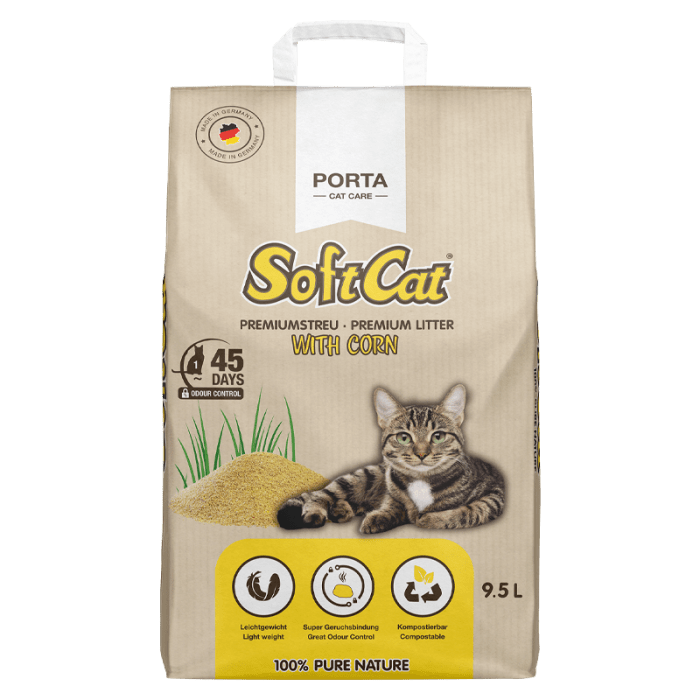
- Corn Litter: A plant-based litter that clumps well and is biodegradable. It’s often praised for its natural scent.
- Wheat Litter: Another plant-based option, wheat litter clumps well and is considered environmentally friendly.
- Grass Litter: A newer option made from dried grass, offering a sustainable and absorbent alternative.
Price ranges can vary significantly based on brand, bag size, and retailer. Here’s a general guideline:
| Litter Type | Material | Average Price (5lb bag) | Pros & Cons |
|---|---|---|---|
| Clay | Bentonite Clay | $5 – $10 | Pros: Affordable, readily available. Cons: Dusty, heavy, not environmentally friendly. |
| Clumping Clay | Bentonite Clay | $8 – $15 | Pros: Excellent clumping, good odor control. Cons: Dusty, heavy, not environmentally friendly. |
| Crystal/Silica | Silica Gel | $15 – $25 | Pros: Excellent odor control, low dust, absorbent. Cons: More expensive, not biodegradable. |
| Wood | Pine, Cedar | $10 – $20 | Pros: Natural, often biodegradable, good odor control. Cons: Some cats dislike the texture, can be dusty. |
| Paper | Recycled Paper | $12 – $22 | Pros: Low dust, soft on paws, good for sensitive cats. Cons: Less absorbent than clay, can be more expensive. |
| Corn | Dried Corn | $15 – $25 | Pros: Biodegradable, clumps well, natural scent. Cons: Potential allergy concerns, can attract pests. |
| Wheat | Dried Wheat | $18 – $28 | Pros: Biodegradable, clumps well, natural scent. Cons: Potential allergy concerns, can be more expensive. |
| Grass | Dried Grass | $20 – $35 | Pros: Sustainable, absorbent, low dust. Cons: Relatively new, can be more expensive. |
The production methods significantly impact cost. Clay litter is relatively inexpensive to produce due to the abundance of clay and simple processing. Crystal litter requires more complex manufacturing processes, including drying and shaping the silica gel, which increases the cost. Plant-based litters often involve harvesting, drying, and sometimes pelletizing, adding to their price.
Factors Influencing Cat Litter Price
Beyond the type of litter, several other factors contribute to the final price you pay. Understanding these can help you make more informed purchasing decisions.
- Raw Material Costs: The price of clay, wood, corn, or paper fluctuates based on supply and demand. Clay mining, wood sourcing, and corn harvesting all have associated costs that impact litter prices.
- Manufacturing Processes: Clumping agents used in clay litter, the drying process for crystal litter, and pelletizing wood litter all add to the production cost.
- Packaging: The type of bag material (plastic, paper), its size, and the branding all influence the price. Premium packaging often comes with a higher price tag.
- Shipping & Transportation: Distance from the manufacturing facility to the retailer significantly impacts the final price.
- Seasonal Fluctuations: While not as pronounced as with some other products, certain litters (like wood litter) might see price changes based on seasonal availability of raw materials.
Budget-Friendly Litter Options: Deep Dive
When it comes to affordability, clay litter remains a top contender. Its low cost makes it accessible to most cat owners. However, it’s important to consider the trade-offs – it’s dusty, heavy, and not environmentally friendly. Pine litter offers a more sustainable alternative at a reasonable price. Paper litter is a good choice for cats with allergies, but it may require more frequent changes due to its lower absorbency.
Corn and wheat litter are both biodegradable options, but potential allergy concerns and storage issues should be considered.
Here’s a cost comparison (per pound) for some budget-friendly options:
| Litter Type | Brand | Price per Pound (approx.) |
|---|---|---|
| Clay | Arm & Hammer | $0.30 |
| Clay | Fresh Step | $0.35 |
| Pine | Feline Pine | $0.50 |
| Paper | Yesterday’s News | $0.60 |
| Corn | World’s Best Cat Litter | $0.75 |
Brand Comparisons: Value for Money
Several brands offer budget-friendly cat litter options. Fresh Step, Arm & Hammer, and Tidy Cats are consistently popular choices. Each brand offers different features and benefits within their budget-friendly lines. Fresh Step often focuses on odor control, while Arm & Hammer emphasizes natural ingredients. Tidy Cats is known for its clumping ability.
| Brand | Product Name | Price per Pound (approx.) |
|---|---|---|
| Fresh Step | Complete Clumping Cat Litter | $0.35 |
| Arm & Hammer | Clump & Seal Cat Litter | $0.30 |
| Tidy Cats | Clump & Refresh Cat Litter | $0.40 |
Customer reviews generally praise these brands for their affordability and effectiveness. While some users report issues with dust or odor control, most find them to be a good value for the price. Keep an eye out for ongoing promotions and discounts, especially at larger retailers.
DIY Cat Litter Solutions
For the truly budget-conscious and environmentally minded, DIY cat litter can be a viable option. However, it’s important to understand the limitations and potential drawbacks before embarking on this route.
Recycled Paper Litter: Shredded newspaper or cardboard can be used as a temporary litter substitute. Pros: Free, readily available, biodegradable. Cons: Low absorbency, can be dusty, may not control odor well.
Wood Shavings Litter: Untreated wood shavings (from pine or other softwoods) can be used as litter. Pros: Affordable, natural, good odor control.Cons: Some cats dislike the texture, can be dusty, ensure shavings are untreated.
Dried Grass Clippings Litter: Dried grass clippings can be a sustainable litter option. Pros: Natural, biodegradable, potentially low cost. Cons: Can be difficult to dry properly, may not clump well, potential for mold if not dried thoroughly.
Buying in Bulk: Savings Strategies
Purchasing cat litter in larger quantities (20lb+ bags) can significantly reduce the cost per pound. While the initial investment is higher, the long-term savings can be substantial. Proper storage is crucial to prevent clumping and moisture absorption. Store large bags in a cool, dry place, preferably in an airtight container.
| Bag Size | Price (approx.) | Price per Pound (approx.) |
|---|---|---|
| 5lb | $5 – $10 | $1.00 – $2.00 |
| 10lb | $9 – $18 | $0.90 – $1.80 |
| 20lb | $16 – $30 | $0.80 – $1.50 |
| Bulk (40lb+) | $30 – $50 | $0.70 – $1.25 |
Alternative Litter Usage & Management
Minimizing litter usage is a key strategy for saving money. Scooping more frequently, using multiple litter boxes, and employing a litter box liner can all extend the life of your litter. Proper disposal of used litter is important for minimizing waste and environmental impact. Layering litter in the box can also maximize absorbency and reduce overall consumption.
Regional Price Variations
Cat litter prices can vary depending on your geographic location. Shipping costs, local taxes, and competition among retailers all contribute to these regional differences. Areas with higher transportation costs or limited competition tend to have higher prices. Online retailers often offer competitive prices regardless of location, due to their ability to ship directly to consumers.
Imagine a map of the United States: the Northeast and West Coast generally have slightly higher average cat litter prices due to higher transportation costs, while the Midwest tends to be more affordable due to its central location and lower shipping rates. Southern states can vary depending on local taxes and retailer competition.
Understanding Litter Box Size & Cat Needs
The size of the litter box and the number of cats in your household directly impact the amount of litter you need. Different cat breeds may also have different litter preferences. Here are some general guidelines for litter box size:
- 1 Cat: A litter box at least 18″ x 24″ is recommended.
- 2 Cats: Provide two litter boxes, each at least 18″ x 24″.
- 3-4 Cats: Provide three litter boxes, each at least 18″ x 24″.
- 5+ Cats: Provide one litter box per cat, plus one extra.
Environmental Considerations & Cost
Traditional clay litter has a significant environmental impact due to clay mining and the lack of biodegradability. Eco-friendly litters like wood, paper, corn, and wheat offer a more sustainable choice. While eco-friendly litters may be slightly more expensive upfront, their environmental benefits and potential for composting can offset the cost in the long run. Reducing your overall litter usage and properly disposing of used litter are also important steps in minimizing your environmental footprint.
| Litter Type | Environmental Impact | Cost (approx.) |
|---|---|---|
| Clay | High (mining, non-biodegradable) | Low |
| Wood | Moderate (deforestation concerns, but often biodegradable) | Medium |
| Paper | Low (recycled material, biodegradable) | Medium |
| Corn | Low (renewable resource, biodegradable) | Medium |
